

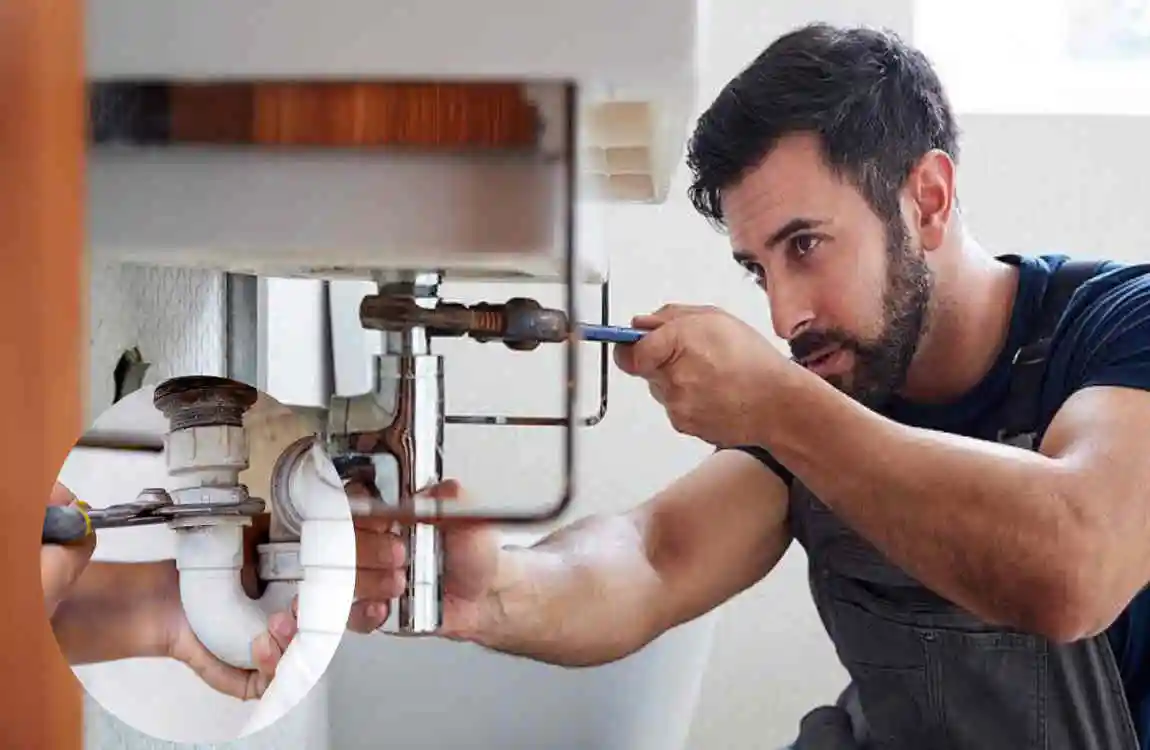
If you are thinking about becoming a plumber, one of the first questions you may ask is, “How much does plumbing school cost?” The answer depends on several factors, including the program type, school location, course length, tools, books, and licensing requirements.
Plumbing training can range from a short certificate course to a longer technical program. Apprenticeships can also provide another path into the trade, often combining classroom learning with practical work experience.
The important thing is to look beyond tuition. Tools, safety equipment, transportation, exams, and other fees can increase your total cost.
How Much Does Plumbing School Cost?
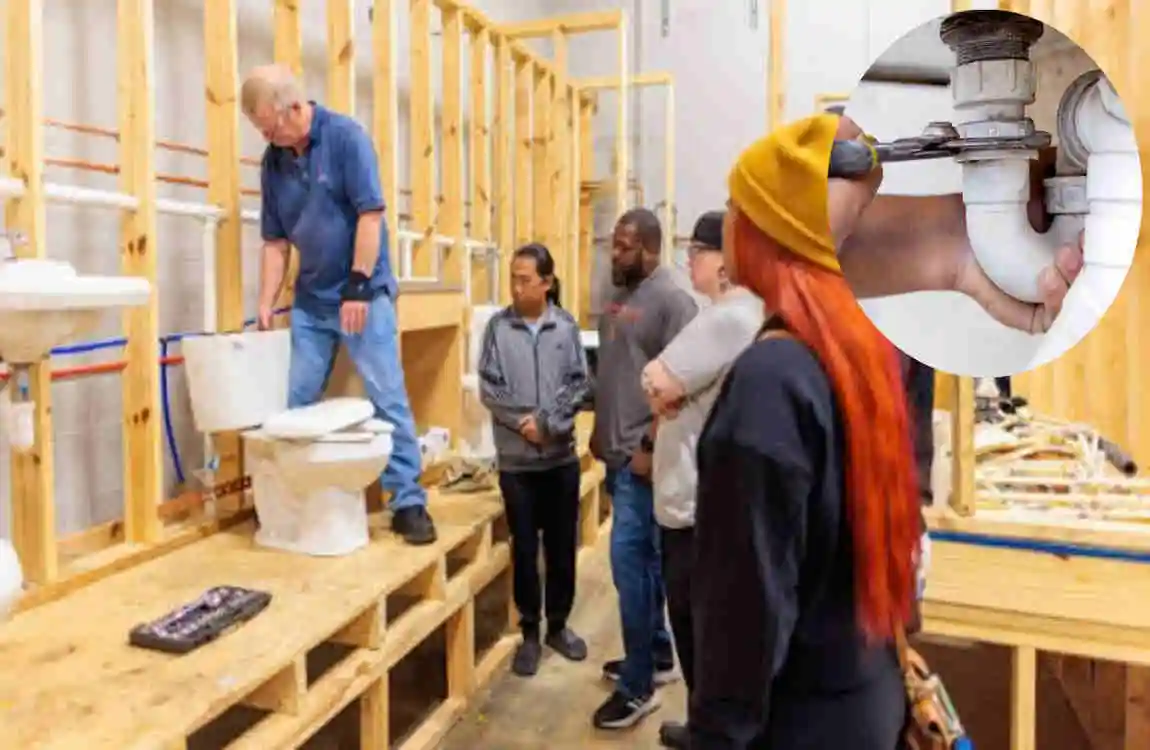
Average Plumbing School Tuition
Plumbing school costs can vary widely. A short certificate program may cost less than a comprehensive trade-school program. In contrast, a longer technical program may require a larger investment.
Some programs focus on basic plumbing skills, while others provide extensive hands-on training. Because of these differences, no single price applies to every plumbing school.
When researching a program, look at the total program cost instead of focusing only on the advertised tuition.
What Tuition Usually Covers
Plumbing tuition may cover several basic learning services, such as:
- Classroom instruction
- Practical plumbing exercises
- Safety training
- Tests and assessments
- Basic course materials
However, every school has its own fee structure. Some programs include certain materials in tuition, while others charge separately.
Tuition vs. Total Education Cost
Tuition is only one part of your education budget. You may also need to pay for tools, books, work clothing, transportation, registration fees, and examinations.
For example, a program with lower tuition may not necessarily be cheaper overall if it requires expensive tools and additional fees.
Expense: What to Consider
Tuition Main cost of the training program
Tools Wrenches, cutters, measuring equipment
Books Textbooks and learning materials
Safety gear Gloves, boots, glasses, and protective equipment
Transportation Travel to school or job sites
Exams Testing or licensing-related costs
Living expenses Housing, food, and daily expenses
Types of Plumbing Training and Their Costs
Plumbing Certificate Programs
Certificate programs are often designed for students who want basic industry knowledge in a relatively short period.
These courses may cover plumbing fundamentals, pipe installation, fixtures, drainage systems, safety practices, and basic repairs.
Because the training period is shorter, the overall cost can be lower than a longer technical program. However, students should check exactly what skills and credentials the certificate provides.
Plumbing Trade Schools
Trade schools usually offer more structured technical training. Students may spend time learning in classrooms and workshops.
A trade-school program can include hands-on projects, plumbing system installation, troubleshooting, pipe work, safety procedures, and preparation for entry-level employment.
The price depends on the school, program length, equipment, and location.
Apprenticeships
An apprenticeship provides a different route into plumbing. Instead of spending all your time in a traditional classroom, you typically combine technical instruction with practical work experience.
Depending on the program and location, apprentices may receive wages while learning. This can make an apprenticeship financially different from paying full tuition at a private school.
However, apprenticeship requirements vary, so check the rules and requirements in your area before applying.
Community College Plumbing Programs
Community colleges may offer plumbing certificates or technical programs. Costs can vary depending on whether you qualify for local or resident tuition.
These programs can also provide access to other student services, financial assistance, and career resources.
Before enrolling, compare the complete cost of the program, including fees, tools, materials, and transportation.
Additional Costs to Budget for Plumbing School
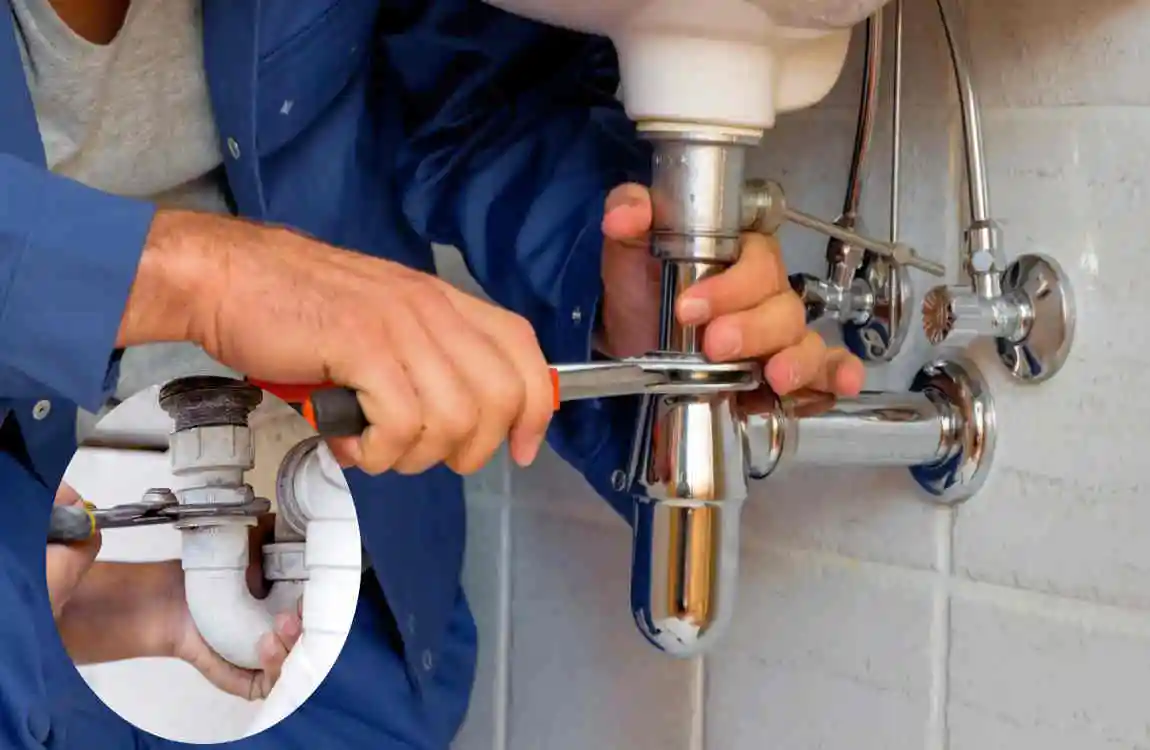
Tools and Equipment
Plumbing is a hands-on trade, so students often need basic tools. Depending on the program, you may need items such as:
- Pipe wrenches
- Adjustable wrenches
- Pipe cutters
- Measuring tools
- Pliers
- Screwdrivers
- Safety glasses
- Work gloves
You don’t always need to buy everything right away. Some schools provide tools or allow students to use workshop equipment.
Books, Supplies, and Uniforms
Course materials can add to your education budget. You may need textbooks, notebooks, work clothing, protective equipment, or other supplies.
Ask the school for a complete list of required materials before enrolling. This helps you avoid unexpected expenses.
Transportation and Living Expenses
Daily travel can add up quickly, especially if the school is far from home.
Students who relocate may also need to consider rent, food, transportation, utilities, and other living expenses.
These costs are separate from tuition but should still be included when calculating the overall price of training.
Exam and Licensing Fees
Plumbing licensing requirements differ by location. Some areas require specific examinations, work experience, certifications, or other qualifications.
Because requirements can change depending on where you plan to work, check the applicable local rules before choosing a program.
What Factors Affect Plumbing School Cost?
Program Length
Program length is one of the most obvious factors affecting cost.
A short course may take less time. At the same time, a short course may cost less an extended technical program can cost more because students receive more instruction and practical training.
Think about your career goals before choosing a program. A cheaper short course may not provide the same preparation as a more comprehensive program.
School Location
Training costs can differ between cities and regions.
Location may also affect transportation, housing, food, and other expenses. When comparing schools, consider the total cost of living and studying, not just tuition.
School Type
Different educational options have different cost structures.
Private trade schools may have one pricing model, while community colleges and vocational centers may have another. Apprenticeships can work differently because they combine education with employment.
Online vs. Hands-On Training
Online courses can help you learn plumbing theory, terminology, safety information, and basic concepts.
However, plumbing is a practical trade. You need to understand how tools, pipes, fixtures, fittings, and plumbing systems work in real situations.
For this reason, hands-on training is an important part of quality plumbing education.
Specialization
The type of plumbing work you want to pursue can also affect your training needs.
Residential plumbing may focus on homes and basic systems, while commercial plumbing can involve larger and more complex installations. Some students may also pursue related areas such as pipefitting or advanced plumbing systems.
More specialized training may require additional coursework or practical experience.
How to Pay for Plumbing School
Scholarships and Grants
Some schools, organizations, and workforce programs provide financial assistance for trade education.
Look for scholarships and grants that specifically support vocational or skilled-trade students. Even a small award can reduce your overall education costs.
Financial Aid
Depending on the institution and program, students may qualify for certain forms of financial aid.
Before applying, ask the school which financial assistance options are available and whether the specific plumbing program qualifies.
Employer-Sponsored Training
Some plumbing companies may help employees with training costs.
If you already work for a construction or plumbing company, ask whether the employer offers tuition assistance, training support, or apprenticeship opportunities.
Apprenticeship Opportunities
Apprenticeships can reduce the financial burden because they combine education and practical work.
Instead of paying for a traditional full-time program, an apprentice may receive compensation while developing workplace skills, depending on the specific arrangement.
Payment Plans
Some schools offer payment plans that allow students to divide tuition into several installments.
If paying the full amount upfront is difficult, ask whether the school provides a flexible payment schedule and whether additional fees apply.
Is Plumbing School Worth the Cost?
Career Opportunities After Training
Plumbing training can prepare students for a variety of entry-level opportunities.
Depending on local requirements and qualifications, graduates may pursue work in residential plumbing, commercial construction, maintenance, repair, and related skilled trades.
The exact opportunities available to you will depend on your training, experience, location, and licensing requirements.
Earning Potential
Plumbing wages vary by location. Earnings can depend on location, experience, specialization, employer, licensing, and the type of work performed.
Experienced plumbers may have opportunities to take on more responsibility or move into specialized work.
Long-Term Career Growth
Plumbing can offer a structured career path in locations that use apprenticeship and licensing systems.
A typical progression may include:
Apprentice → Journeyman → Master Plumber
The exact titles and requirements vary by jurisdiction.
Experienced plumbers may also eventually pursue supervisory roles, specialized work, or starting their own plumbing business where local rules allow.
Comparing Education Cost With Career Benefits
To decide whether a program makes financial sense, compare the complete education cost with your long-term career plans.
Consider tuition, tools, transportation, licensing expenses, and living costs. Then compare those expenses with the type of work, experience, and career opportunities the program can provide.
Do not choose a school simply because it has the lowest advertised tuition.
How to Choose an Affordable Plumbing School
Compare Total Program Costs
Ask each school for a complete cost breakdown.
Check tuition, registration fees, tools, books, equipment, examinations, and other charges. This makes it easier to compare programs fairly.
Check Accreditation and Recognition
Research whether the school and program are recognized by the appropriate educational, licensing, or industry authorities in your area.
A recognized program can make it easier to understand what qualifications you will receive after completing your training.
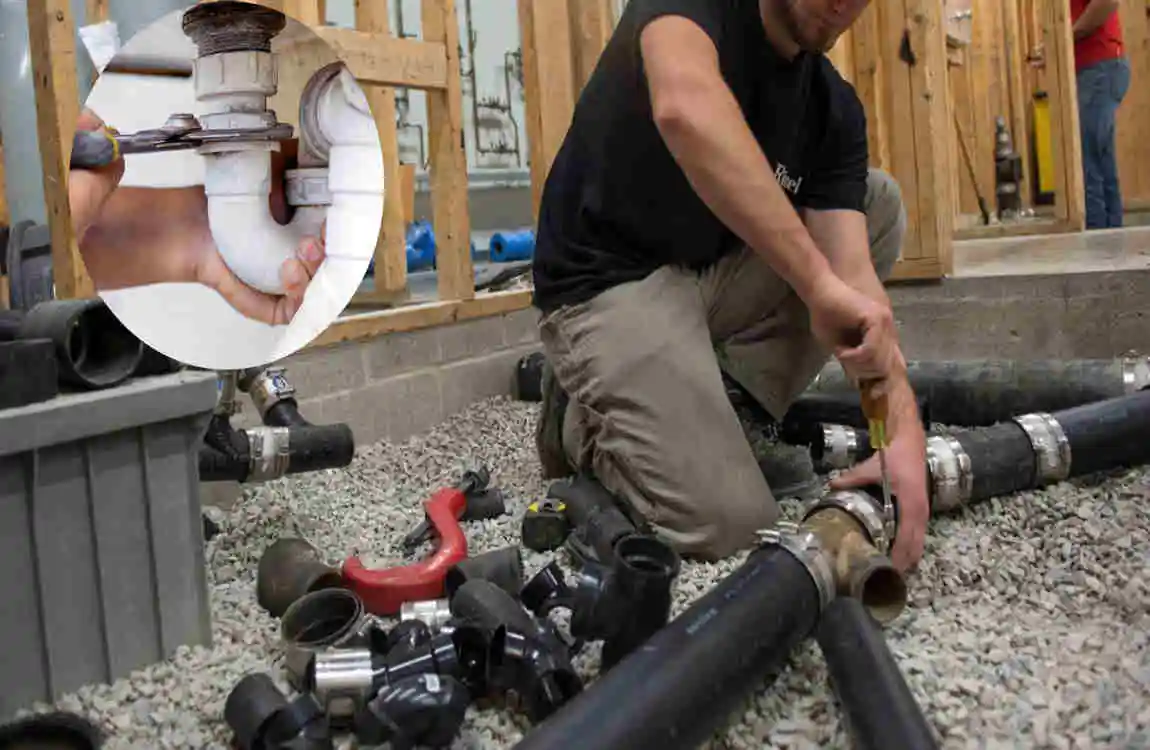
Look at Hands-On Training
Good practical experience can be especially important for plumbing students.
Ask about workshop facilities, practical projects, equipment, class sizes, and instructor experience. Find out how much time students actually spend practicing plumbing skills.
Ask About Job Placement
Some schools have relationships with plumbing companies, contractors, or apprenticeship programs.
Ask whether the school provides career services, employer connections, interview assistance, or apprenticeship referrals.
FAQ: How Much Does Plumbing School Cost?
How much does plumbing school cost on average?
There is no universal price. The cost depends on the program type, school, location, length, and additional expenses. Short certificate programs can cost less than comprehensive trade-school training.
Is plumbing school cheaper than college?
It can be, but costs vary significantly. Plumbing training may take less time than many traditional degree programs. Still, you should compare the total cost of each option.
How long does plumbing school take?
Program length varies. Some certificate courses are relatively short, while comprehensive programs can take considerably longer. Apprenticeships usually combine classroom instruction with practical work experience over a longer period.
Can you become a plumber without going to plumbing school?
In some locations, people can enter plumbing through an apprenticeship or employer-based training rather than attending a traditional plumbing school. Local licensing and work-experience requirements determine what path is available.
Do plumbing apprentices get paid?
Many apprenticeships are structured as paid work-and-training programs, but compensation varies by employer, program, location, and experience level.
What tools do plumbing students need?
Common tools may include wrenches, pipe cutters, pliers, measuring tools, screwdrivers, gloves, safety glasses, and work boots. Your school should provide a specific list of required tools.
Are there financial aid options for plumbing school?
Some students may qualify for scholarships, grants, financial aid, employer assistance, or payment plans. Availability depends on the school, program, and individual eligibility.
Is plumbing school worth the investment?
It can be a useful investment for someone who wants to build a career in the plumbing trade. However, compare program costs, hands-on training, licensing preparation, career support, and local job opportunities before deciding.
| Plumbing Education Option | Typical Cost | Duration | Best For |
|---|---|---|---|
| Community College Program | $2,000–$8,000 | 1–2 years | Career training |
| Trade School | $3,000–$15,000 | 6–18 months | Fast entry into plumbing |
| Apprenticeship | Low cost or paid | 2–5 years | Earn while learning |
| Certificate Program | $1,000–$6,000 | 3–12 months | Basic plumbing skills |
| Online Plumbing Course | $200–$2,000 | Weeks–months | Beginners & theory |
| Advanced Plumbing Training | $2,000–$10,000+ | Varies | Experienced plumbers |
