

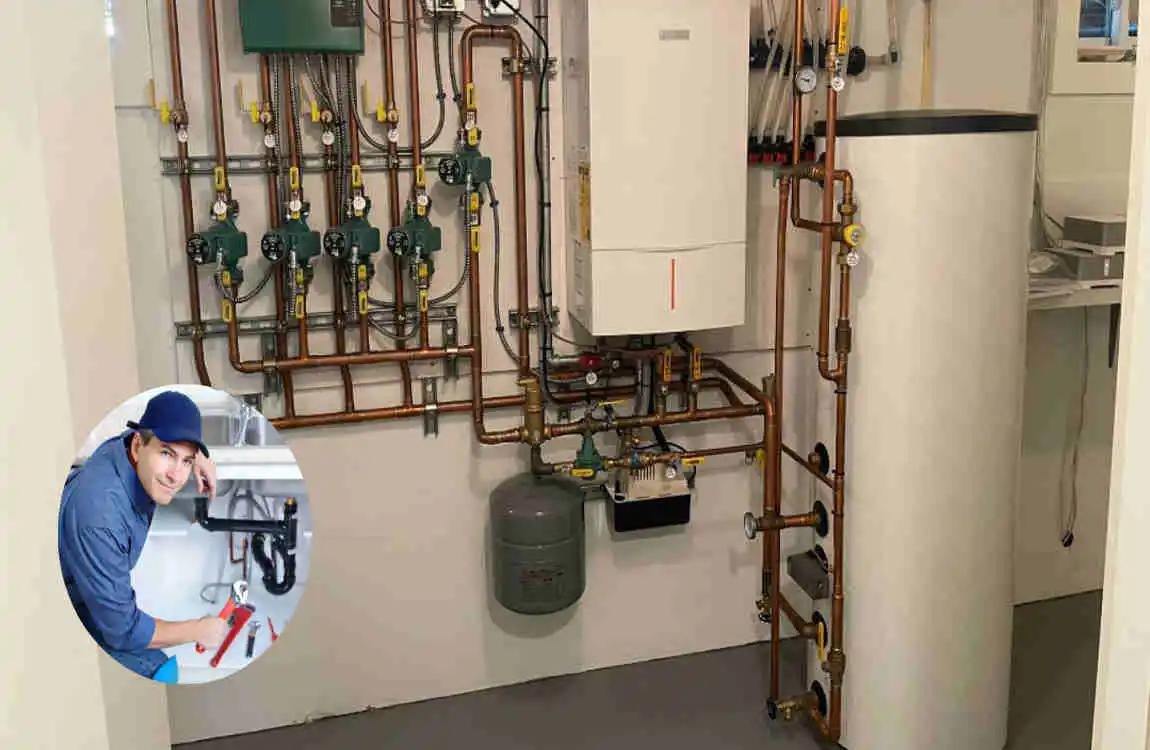
A Hampton-style house is known for its bright, relaxed coastal look, open-plan living areas, large kitchens, and elegant bathrooms. Because these homes often include multiple bathrooms, spacious laundry rooms, and indoor-outdoor living spaces, Hampton house plumbing systems need careful planning from the start.
Good plumbing isn’t just about pipes hidden behind walls. It affects your daily comfort, water bills, home safety, and even property value. This guide explains how Hampton-style plumbing works, what it costs, common problems, and simple ways to keep everything running smoothly.
Understanding A Hampton House Plumbing and Its Importance
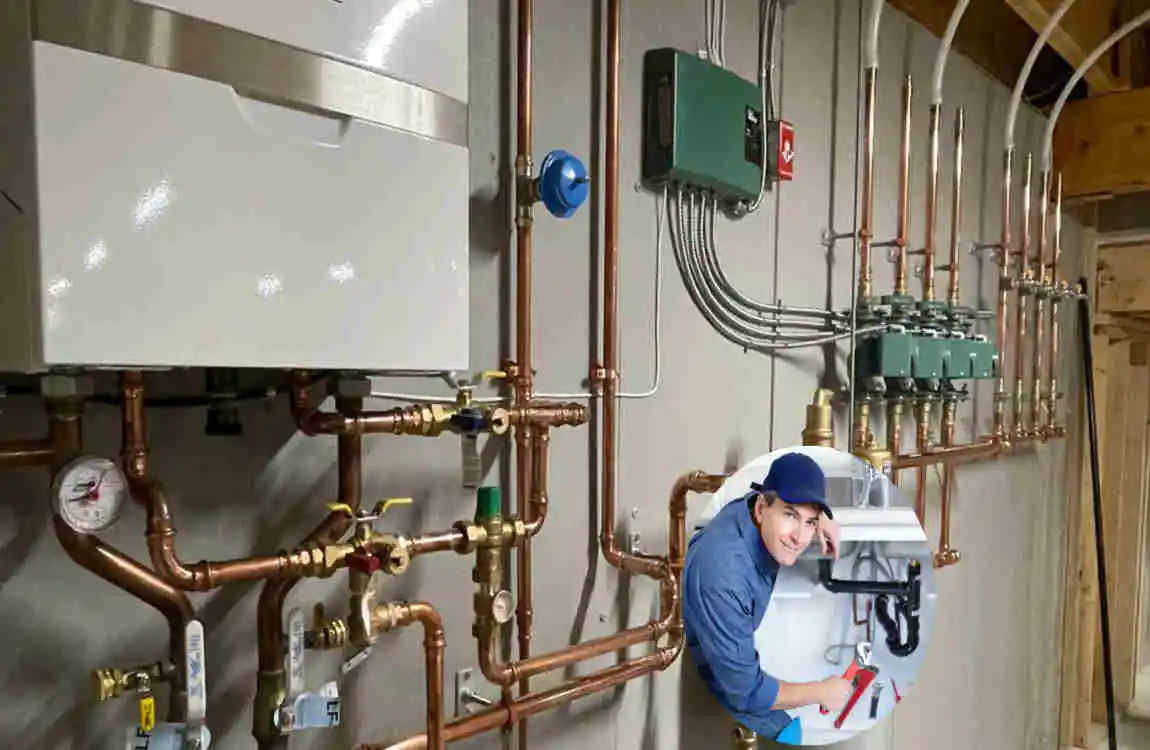
A Hampton-style house usually has a light and airy design inspired by coastal homes. It often includes a large kitchen island, a freestanding bathtub, a walk-in shower, a double vanity, a laundry room, and an outdoor entertaining area. These features make the home beautiful, but they also place higher demands on the plumbing system.
A reliable plumbing system quietly supports everyday life. It brings clean water into the house, safely removes wastewater, supplies hot water, and protects the home from leaks and drainage problems. When designed well, it makes the home more comfortable and easier to maintain.
Main Plumbing Features
Every Hampton-style home needs several connected plumbing parts:
- Water supply lines carry clean water to taps, showers, toilets, and appliances.
- Drainage pipes carry used water and waste away from sinks, baths, and toilets.
- Fixtures include faucets, showers, bathtubs, toilets, and sinks.
- Hot water systems supply warm water to bathrooms, kitchens, and laundry areas.
- Vent pipes allow air into the drainage system so wastewater can flow properly.
- Shut-off valves let you stop water to one area during repairs or emergencies.
Why Plumbing Design Matters
Thoughtful plumbing design improves comfort and reduces future problems. For example, placing bathrooms close to the water heater can deliver hot water faster. A well-planned kitchen layout keeps the sink, dishwasher, and waste disposal connected efficiently.
Good plumbing also saves water. Low-flow showerheads, dual-flush toilets, and efficient appliances reduce water use without sacrificing comfort. Over time, these choices can lower utility bills and make the home more appealing to buyers.
Challenges in Older and New Homes
Older Hampton-style homes may have ageing pipes, weak water pressure, hidden leaks, or outdated drainage. New homes face different challenges, such as poor pipe layout, incorrect fixture placement, or low-quality fittings.
Whether your home is old or new, the goal is the same: create a plumbing system that is durable, efficient, and easy to service.
Plumbing Design Ideas for a Hampton-Style House
A Hampton home feels best when its plumbing matches both its style and practical needs. The design should support daily routines while maintaining the house’s clean, relaxed look.
Kitchen Plumbing
The kitchen is often the heart of a Hampton-style home. Many homeowners choose a large island sink, a pull-down faucet, a dishwasher, and sometimes a filtered water tap.
When planning kitchen plumbing, keep the sink near existing water and drainage lines where possible. This reduces pipe length, lowers installation costs, and improves drainage. If you want an island sink, plan the drainage route early because floor pipes may need to run under the slab or through the ceiling below.
A good kitchen setup usually includes:
- A deep sink for washing large pots and dishes.
- A durable faucet with easy temperature control.
- A dishwasher connected to hot water and a separate drain line.
- A garbage disposal, if local rules allow it.
- Easy access to shut-off valves under the sink.
Bathroom Plumbing
Hampton bathrooms often feel like a private retreat. Popular features include freestanding bathtubs, rainfall showers, double vanities, and wall-hung toilets. These features look beautiful, but they need strong water supply lines and well-planned drainage.
Showers and bathtubs need proper waterproofing, correct pipe slope, and quality valves. Double vanities need enough hot and cold water supply, plus a drain system that can handle two sinks at once. Toilets should be placed close to the main soil stack to reduce the risk of blockages.
For comfort, consider pressure-balancing or thermostatic shower valves. They help keep water temperature steady when someone uses another tap or flushes a toilet.
Laundry Room Plumbing
A laundry room may seem simple, but poor planning can cause major water damage. Washing machines use large amounts of water quickly, so they need secure hot and cold connections, a strong drain line, and a safe place for the hose.
A floor drain helps carry away water if a hose leaks or bursts. It is also smart to install a leak detector near the washing machine. These small devices can alert you before a minor leak becomes a flooded floor.
Pipe Materials
Choosing the right pipe material depends on your budget, water quality, local codes, and the part of the system being installed.
Pipe MaterialBest UseAdvantagesThings to Consider
PEX Hot and cold water supply lines Flexible, affordable, fewer joints, quicker to install Must be protected from sunlight and installed correctly
Copper Water supply lines Very durable, long-lasting, heat resistant More expensive and requires skilled installation.
PVC Drains, vents, and wastewater lines Lightweight, affordable, resistant to corrosion Not usually used for hot water supply lines
CPVC Hot and cold water supply Handles heat better than standard PVC Can become brittle over time in some water conditions
PEX is popular in modern homes because it is flexible and often costs less to install. Copper remains a premium choice because of its strength and long service life. PVC is commonly used for drainage because it handles wastewater well. Local plumbing codes should always guide the final choice.
Hot Water Systems
You can choose between a traditional tank water heater and a tankless system. A tank heater stores hot water and is usually cheaper to install. A tankless system heats water only when needed, which can save energy and provide a continuous hot water supply.
For a larger Hampton-style home with several bathrooms, a tankless system may be helpful, but it must be sized correctly. If multiple showers run at once, an undersized unit may struggle to keep up. A plumber can calculate your household’s peak hot-water demand before recommending a system.
Water Efficiency
Water-saving choices do not have to make your home less comfortable. Modern low-flow showerheads, dual-flush toilets, aerated faucets, and efficient dishwashers use less water while still performing well.
You can also reduce waste by quickly fixing dripping taps, insulating hot-water pipes, and choosing appliances with good water-efficiency ratings. These small decisions protect both your budget and the environment.
A Hampton House Plumbing Installation Costs and Budget Planning
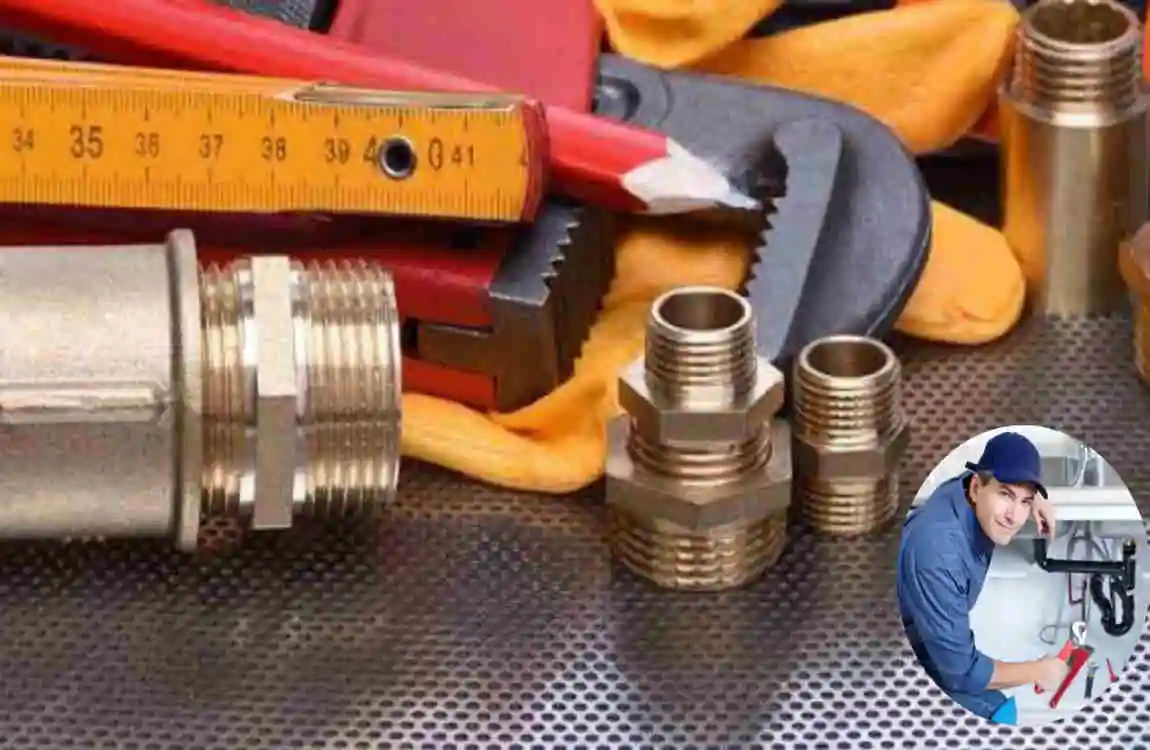
Plumbing costs vary widely because every home is different. The final price depends on the home’s size, number of fixtures, pipe material, labour rates, pipe access, and local permit requirements.
In the United States, new plumbing for a standard home often costs roughly $8,000 to $20,000, while larger or more complex homes can cost more. A full bathroom rough-in typically costs $1,500 to $4,000, depending on fixtures and access.
What Affects Plumbing Costs?
Several factors can raise or lower your budget:
- Home size: More bathrooms and longer pipe runs mean higher costs.
- Fixture count: Extra sinks, showers, toilets, and outdoor taps add expense.
- Pipe material: Copper usually costs more than PEX or PVC.
- Labour and access: Pipes behind finished walls or under concrete slabs take longer to reach.
- Permits and inspections: Many areas require permits for major plumbing work.
- Emergency repairs: Urgent work can cost more than planned maintenance.
Cost Estimates
The table below gives a simple planning estimate. Actual prices differ by location, home condition, and contractor rates.
Plumbing Project Typical Estimated Cost
New plumbing for a standard home $8,000–$20,000
Full-house repiping $4,000–$15,000
Bathroom plumbing rough-in $1,500–$4,000
Kitchen plumbing upgrade $1,000–$5,000+
Water heater installation $1,000–$3,500+
Drain cleaning $100–$600
Major sewer line repair $2,000–$25,000
These figures are broad planning ranges, not fixed quotes. A local licensed plumber should inspect your home and provide a written estimate before work begins.
Budgeting Tips
Plumbing budgets should include a buffer for surprises. Once walls or floors are opened, a contractor may find corroded pipes, poor drainage, or water damage that was not visible before.
To budget wisely:
- Get at least three written quotes from licensed plumbers.
- Ask for a clear breakdown of materials, labour, permits, and cleanup.
- Keep a contingency fund of about 10–20 per cent for unexpected repairs.
- Avoid choosing the lowest quote without checking experience and reviews.
- Plan upgrades in stages if the full project is too expensive at once.
Common Plumbing Problems and Their Solutions
Even a well-designed plumbing system can develop problems over time. The key is to notice early warning signs and act before damage spreads.
Leaking Pipes and Faucets
Leaks often start small. A dripping faucet may seem harmless, but it can waste water and increase your bill. Hidden pipe leaks are more serious because they can damage walls, floors, and cabinets.
Warning signs include damp patches, peeling paint, mould smells, water stains, or an unexplained increase in water use. Sometimes a faucet needs a new washer or cartridge. Other times, a pipe section may need repair or replacement.
Clogged Drains
Clogged drains usually happen because of hair, soap buildup, food scraps, grease, or foreign objects. Kitchen sinks often clog with grease, while bathroom drains commonly clog with hair and soap residue.
Start with a plunger or a drain snake for minor blockages. Avoid pouring harsh chemical cleaners down the drain too often because they can damage pipes and fixtures. If water backs up in several places at once, the problem may be in the main drain or sewer line.
Low Water Pressure
Low water pressure can make showers frustrating and appliances less effective. Common causes include mineral buildup in faucet aerators, partially closed valves, leaks, or a faulty pressure regulator.
First, clean the aerator on the affected tap. If only one fixture has weak flow, the issue may be local. If the whole house has low pressure, call a plumber to check for leaks, valve problems, or supply-line issues.
Water Heater Problems
Water heater issues often show up as inconsistent hot water, strange noises, rusty water, or leaks around the tank. Sediment buildup can reduce efficiency and cause popping sounds. A faulty thermostat or heating element may also affect performance.
Manufacturers and plumbing professionals generally recommend annual water heater maintenance, including checking for leaks, flushing the tank, and testing the temperature and pressure relief valve.
Drainage and Sewer Issues
Slow drains, gurgling sounds, bad smells, and water backing up can signal drainage trouble. These problems may come from a blocked branch line, damaged pipe, tree-root intrusion, or a sewer issue.
Do not ignore repeated backups. A professional plumber can inspect the line, identify the cause, and recommend the right repair before the problem becomes more expensive.
DIY or Professional Help?
You can safely handle simple tasks such as cleaning an aerator, tightening a visible connection, plunging a toilet, or replacing a faucet washer. However, call a licensed plumber for major leaks, sewer backups, low pressure throughout the house, gas water heater issues, or any repair that requires opening walls or working near electrical systems.
Maintenance Tips to Keep Hampton House Plumbing Efficient
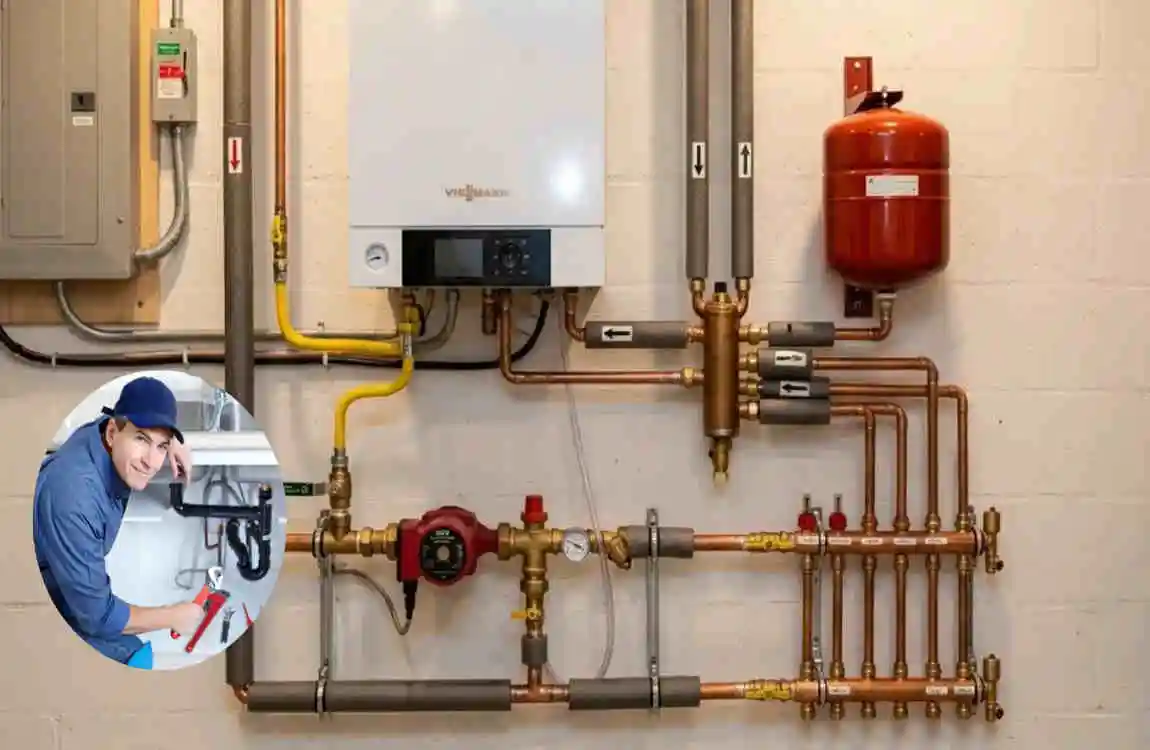
Regular maintenance is the easiest way to avoid expensive repairs. A few minutes of monthly checks can help you catch problems early.
Inspect Visible Plumbing
Check under sinks, around toilets, behind washing machines, and near the water heater. Look for moisture, rust, corrosion, drips, or loose connections. Early detection can prevent mould, wood damage, and costly repairs.
Prevent Drain Clogs
Use drain covers in showers and kitchen sinks. Avoid pouring cooking grease down the drain, and scrape food scraps into the bin before washing dishes. In bathrooms, remove hair from shower drains regularly.
For a safer approach, occasionally flush drains with hot water and mild dish soap. Avoid strong chemical cleaners because they can damage older pipes and don’t always clear deep blockages.
Protect Pipes in Cold Weather
If your area experiences freezing temperatures, insulate exposed pipes and disconnect outdoor hoses before winter. Letting a small trickle of water run during extreme cold can also reduce the risk of frozen pipes. PEX is more freeze-resistant than rigid pipes, but no pipe is completely immune to extreme cold.
Watch Water Pressure and Bills
A sudden rise in your water bill can signal a hidden leak. Check your water meter when no water is being used. If it continues moving, you may leak somewhere in the system.
Maintain the Water Heater
Follow the manufacturer’s instructions for your specific model. In general, inspect the unit for leaks, flush the tank as recommended, test the temperature and pressure relief valve, and have a professional inspect the system periodically.
Conserve Water
Small habits make a difference. Turn off the tap while brushing your teeth, run dishwashers and washing machines only with full loads, and repair drips quickly. Water-efficient fixtures also reduce long-term costs without reducing comfort.
Choosing a Professional Plumber
Choosing the right plumber matters as much as choosing quality materials. A skilled professional can design a system correctly, follow local codes, and prevent expensive mistakes.
What to Look For
When comparing plumbers, look for:
- A valid license and proper insurance.
- Experience with residential plumbing and renovations.
- Written estimates with clear pricing.
- Warranty information for labour and materials.
- Positive customer reviews and references.
- Knowledge of local plumbing codes and permit requirements.
Repairs Versus Replacement
Sometimes a repair is the best choice. Other times, repeated repairs cost more than replacing old pipes or fixtures. If your plumbing is ageing, leaks often, or has poor water pressure, ask a plumber to compare short-term repair costs with the long-term benefits of replacement.
Thoughtful plumbing design, a realistic budget, and a steady maintenance routine can keep a Hampton-style home comfortable for years. Investing in quality materials and professional work protects both your home and your peace of mind.
Frequently Asked Questions
What is a Hampton house plumbing system?
It is the residential plumbing setup that supplies clean water to kitchens, bathrooms, laundry rooms, and outdoor areas, while safely removing wastewater through drains and sewer lines.
How much does plumbing cost in a Hampton-style house?
Costs depend on location, home size, materials, number of fixtures, and project complexity. New plumbing may range from about $8,000 to $20,000, while repiping often falls between $4,000 and $15,000.
Which pipes are best for Hampton house plumbing?
PEX is a popular choice for water supply lines because it is flexible and cost-effective. Copper is durable and long-lasting, while PVC is commonly used for drainage. The best option depends on local codes and the part of the system.
How can I reduce plumbing costs?
Fix leaks early, use water-efficient fixtures, avoid drain clogs, maintain your water heater, and compare written quotes from licensed plumbers before starting major work.
When should I call a professional plumber?
Call a professional for major leaks, sewer backups, widespread low water pressure, repeated drain blockages, water heater faults, or any repair involving hidden pipes.
| Feature | Short Information |
|---|---|
| Plumbing Design | A practical system for water supply, drainage, and wastewater removal. |
| Water Supply | Properly sized pipes deliver hot and cold water throughout the house. |
| Pipe Materials | PEX, copper, and PVC are common options, depending on the application and local codes. |
| Bathroom Plumbing | Includes toilets, showers, sinks, faucets, and drainage pipes. |
| Kitchen Plumbing | Covers sinks, faucets, dishwashers, and refrigerator water connections. |
| Plumbing Costs | Depend on house size, material quality, labor, and project complexity. |
| Installation Tips | Plan pipe routes carefully and use qualified plumbing professionals. |
| Water Efficiency | Install low-flow faucets and showerheads to reduce water consumption. |
| Maintenance | Check for leaks, clogged drains, corrosion, and unusual water pressure. |
