

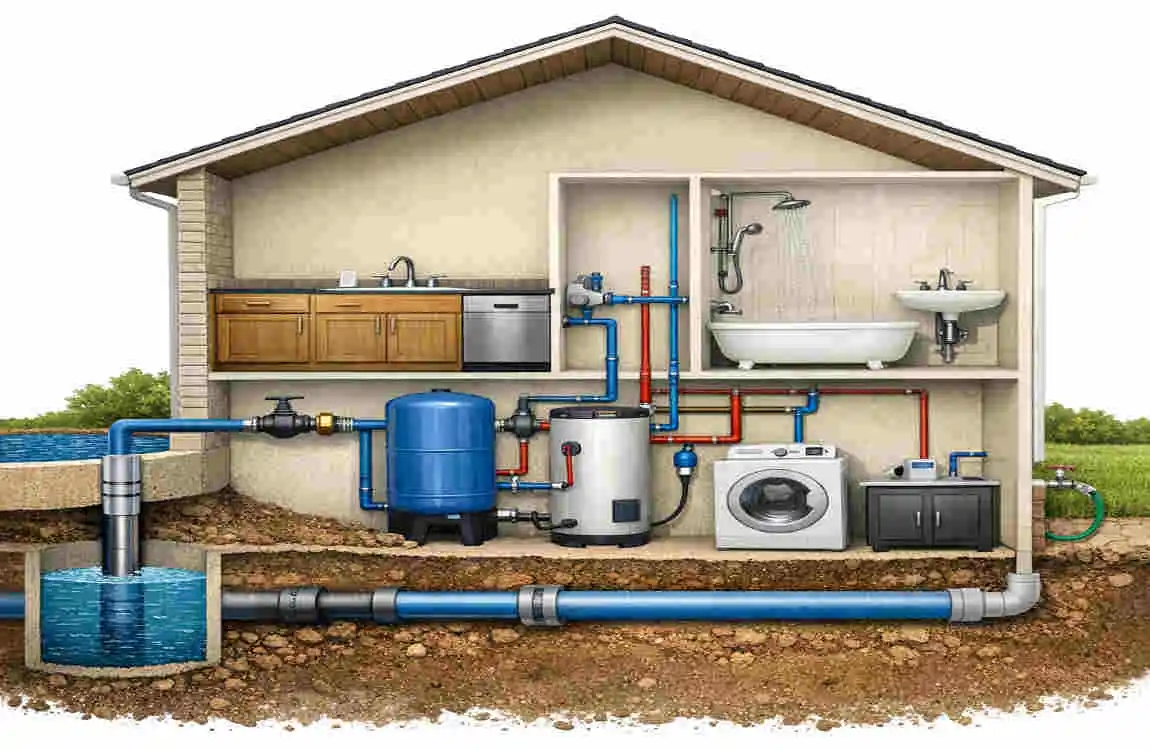
A home depends on more than walls, windows, and a roof. It also depends on the hidden systems that keep daily life running. One of the most important is the water supply pipeline. It brings water into the house and sends it to the kitchen, bathroom, laundry area, and other fixtures you use every day.
Understanding a home water supply pipeline matters because it affects safety, efficiency, comfort, and maintenance. When the system works well, you enjoy steady water flow and fewer problems. When it fails, even a small leak can turn into a costly repair.
So, to protect your home and avoid plumbing trouble, it helps to understand how this pipeline system works, what can go wrong, and when to call a professional.
What Is a Water Supply Pipeline at Home?
Simple Meaning
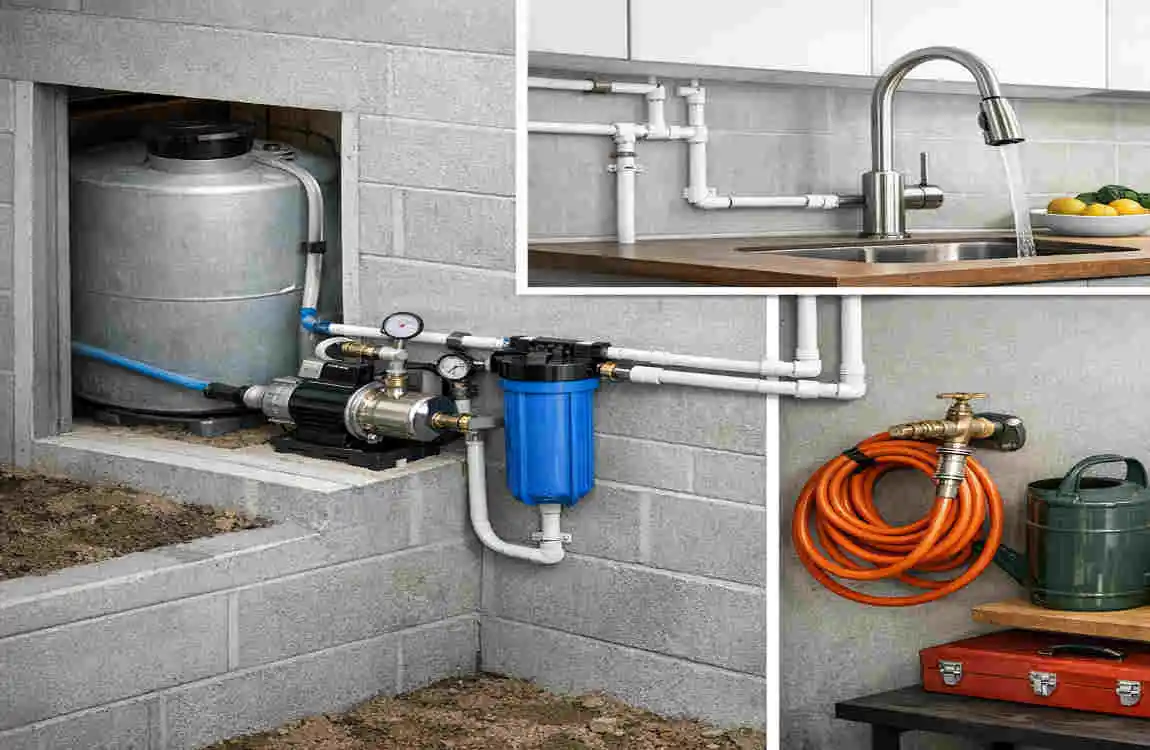
A home supply pipeline is the pipe network that carries clean water from the main source into your house. It connects the water source to where you use water, such as sinks, toilets, showers, and appliances.
In simple terms, it delivers water inside and around your home. It is different from the pipes that carry wastewater away.
What It Connects
A home supply pipeline usually connects the main water source to:
- Kitchen faucets
- Bathroom taps
- Showerheads
- Toilets
- Laundry machines
- Outdoor taps
- Dishwashers and other appliances
This network makes sure water reaches the right place at the right time.
Main Parts of the System
A household water supply system is made up of several key parts:
- Main pipes that bring water into the home
- Branch lines that send water to different rooms
- Valves that control flow
- Connectors and fittings that join pipe sections
- Fixtures such as taps and showers that use the water
Each part has a job. If one part is damaged or poorly installed, the whole system can suffer.
Supply Pipes vs Drainage Pipes
Don’t confuse supply pipes with drainage pipes.
- Supply pipes bring clean water into the home.
- Drainage pipes carry used water out of the home.
They work together, but they do very different things. Supply pipes must stay clean and sealed so water moves safely and efficiently.
Common Pipe Materials
Different homes use different pipe materials. The right choice depends on local plumbing rules, water conditions, and the pipe’s purpose.
Common materials include:
- Copper – durable and long-lasting
- PEX – flexible and easier to install
- PVC – often used in some water systems and certain applications
- CPVC – suitable for some hot and cold water uses
Each material has strengths and limits. What works well in one home may not be the best choice in another.
Quick Material Comparison
Pipe MaterialMain StrengthsCommon Considerations
Copper Strong, reliable, long lifespan Higher cost in many cases
PEX Flexible, easier to install Must suit local code and use
PVC Lightweight, affordable Not suitable for every water application
CPVC Handles some hot water uses Needs proper installation and code checks
Always check local plumbing rules before choosing a material.
How Does a Home Supply Pipeline System Work?
Water Entry Into the Property
Water usually enters the property through a main supply connection. In some homes, it may come from a private source such as a well or other approved water system.
Once water enters, it passes through the main shutoff point and into the house’s internal piping network.
From the Main Shutoff Valve to the House
The main shutoff valve is one of the system’s most important parts. It lets you stop water flow to the entire home in case of a leak, repair, or emergency.
From there, water moves into the internal distribution pipes. These pipes spread water through the home in a planned route.
Branch Lines to Different Fixtures
Branch pipes split the water flow and send it to specific areas. A branch line may supply one bathroom, one sink, or one appliance.
This layout helps water reach each fixture in a controlled way. It also makes repairs easier because one section can sometimes be isolated without shutting down the whole house.
Hot and Cold Water Lines
Most homes have both cold-water lines and hot-water lines.
- Cold-water lines send water directly to fixtures and appliances.
- Hot-water lines carry water from the heater to places like showers, sinks, and washing machines.
This separation lets you use different temperatures for different tasks.
How Water Pressure Helps
Water pressure is what pushes water through the pipes. Without proper pressure, the flow may feel weak or uneven.
Several things affect pressure:
- Pipe diameter
- Pipe length
- Number of bends
- Condition of the pipes
- Overall layout
If the pipes are too narrow or blocked, the water may not flow well.
Simple Example of Water Flow
Here is a simple example.
Water enters the house through the main connection. It passes the shutoff valve, then travels through the main supply pipe. From there, a branch line leads to the kitchen. Another smaller line goes to the faucet under the sink. When you turn the tap, the faucet’s internal valve opens, and water comes out.
That is the basic path from the source to your kitchen sink.
Why Professional Installation Matters
A supply pipeline system should be installed with care. Small mistakes can cause leaks, pressure problems, or long-term damage.
A licensed plumber can ensure the pipes are fitted correctly, properly supported, and leak-tested before use.
Why Is a Messe Supply Pipeline at Home Important?
Reliable Water Access
A good supply pipeline gives you steady water access throughout the day. You do not want weak flow when cooking, showering, or cleaning.
When the system is well designed, water reaches each fixture without excessive delay or pressure loss.
Health and Hygiene
Clean water is essential for daily life. You use it to drink, wash, cook, and bathe.
Good pipe materials and proper installation help prevent contamination. That is why pipe quality and cleanliness matter so much.
Water Efficiency
A well-designed pipeline reduces wasted water. The right pipe size and a leak-free system can prevent unnecessary loss.
This benefits both the environment and your bills.
Household Convenience
Think about how often you use water in a single day. You need it for:
- Cooking
- Bathing
- Cleaning
- Laundry
- Toilet use
- Outdoor chores
If the supply pipeline is weak or faulty, daily life can quickly become harder.
Property Protection
Leaks can damage floors, walls, ceilings, and foundations. Even a slow leak can cause trouble if no one notices it early.
Regular inspections help protect your home from hidden water damage.
Long-Term Cost Savings
A healthy water system can save money over time. You avoid emergency repairs, reduce water waste, and lower the risk of major damage.
Prevention is usually much cheaper than fixing a large plumbing failure.
Better System Performance
Good design helps keep pressure and flow stable across the property. That means your shower, sink, and appliances can all work more smoothly.
When the system performs well, you notice it in everyday comfort.
Common Home Supply Pipeline Problems and Their Solutions
Leaking Pipes
Leaks can happen for many reasons. Common causes include old joints, worn seals, corrosion, or damage from pressure changes.
Warning signs include:
- Wet patches on walls or floors
- Sudden water bill increases
- Dripping sounds
- Mold or mildew smell
- Water stains
If you notice these signs, act quickly.
Low Water Pressure
Low pressure can come from blocked fittings, leaks, a faulty valve, or supply issues.
Sometimes the problem is simple, like a clogged faucet aerator. Other times it may be a hidden pipe issue that needs a plumber.
Corrosion and Pipe Damage
Older pipes may corrode over time. Water quality can also affect how fast this happens.
Corrosion can weaken pipes, reduce flow, and eventually cause leaks. If your home has old plumbing, regular checks are important.
Blocked or Restricted Pipes
Mineral buildup, debris, and rust can restrict flow inside the pipes. This usually slows water delivery.
A plumber may need to clear the blockage or replace damaged sections.
Noisy Pipes
Banging, rattling, or knocking sounds may mean the pipes are moving, the pressure is too high, or you are dealing with water hammer.
Loose pipe supports and pressure problems are common causes. These issues should not be ignored.
Frozen Pipes
Homes in cold climates can face frozen pipes during winter. Water inside the pipe expands when it freezes, which can split the pipe.
Insulation, proper winter preparation, and temperature control can help prevent this.
Poor Installation
Bad installation can lead to many problems later. These include weak joints, incorrect pipe sizing, and unsuitable materials.
That is why the original installation matters so much. A bad setup often creates repeated repairs.
What Homeowners Can Check Safely
You can safely do a few basic checks yourself:
- Look for visible leaks
- Watch for changes in water pressure
- Check for strange noises
- Find your main shutoff valve
- Review your water bill for sudden increases
When to Call a Licensed Plumber
Call a professional if you notice:
- Major leaks
- Low pressure throughout the house
- Pipe damage behind walls
- Frozen or burst pipes
- Repeated plumbing problems
A licensed plumber has the right tools and training to handle the issue safely.
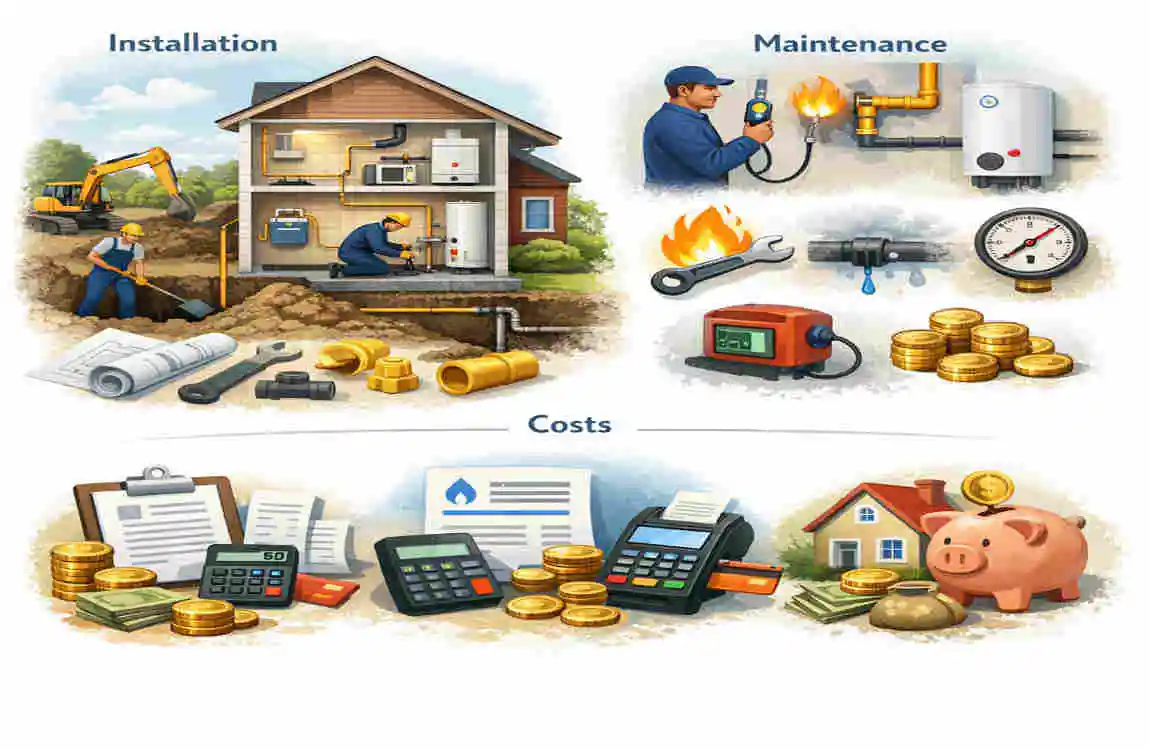
Installation, Maintenance, Costs
Planning and Installing the Pipeline
A good plumbing project starts with planning. The plumber or contractor should inspect the home, decide the best pipe route, and choose suitable materials.
The main steps usually include:
- Assessing the home’s water needs
- Selecting pipe material
- Mapping the pipe route
- Installing pipes and fittings
- Testing for leaks and pressure
- Checking code compliance
Each step matters for long-term reliability.
Choosing the Right Pipe Material
The best material depends on:
- Budget
- Water temperature
- Durability needs
- Local building rules
- Installation complexity
For example, flexible materials may be easier in tight spaces. In comparison, stronger materials may be better for long-term use.
Why Approved Fittings and Leak Testing Matter
Even the best pipe material can fail if the fittings are poor or the installation is sloppy. Approved fittings help create tight, lasting connections.
Leak testing is also essential. It helps catch problems before you close up walls, floors, or ceilings.
What Affects Installation Cost
Costs can vary based on:
- House size
- Pipe material
- How hard the pipes are to reach
- Labor rates
- Need for repairs or replacement
- Local permit requirements
A small repair may cost far less than replacing the whole system.
Repair vs Replacement
Sometimes a repair is enough. If the problem is small and the rest of the system is in good shape, fixing one section can make sense.
Replacement may be better if the pipes are old, damaged in many places, or made from a material that no longer performs well. A plumber can help you decide.
Routine Maintenance Tips
To keep the system in good shape:
- Check visible joints and connections
- Watch your water bill for changes
- Know where the main shutoff valve is
- Listen for unusual pipe sounds
- Inspect exposed pipes for wear or moisture
Small checks can prevent big problems later.
Comparing Plumbing Professionals
When choosing a plumber, look at:
- Experience
- License and insurance
- Warranty on work
- Written estimate
- Customer communication
- Knowledge of local code
A clear estimate and a good reputation are both strong signs.
Frequently Asked Questions About Home Supply Pipelines
What is a home water supply pipeline?
It is the pipe system that brings clean water into a home and sends it to fixtures like sinks, showers, toilets, and appliances.
How does a supply pipeline work in a house?
Water enters through the main connection, passes through the shutoff valve, and then moves through branch pipes to different fixtures.
Which pipe material is best for home water supply?
There is no single best material for every home. The right choice depends on local codes, water temperature, budget, and use.
What causes low water pressure in household pipes?
Common causes include leaks, blocked pipes, faulty valves, and supply problems.
How can I identify a leaking supply pipeline?
Look for water stains, damp spots, mold smells, dropping pressure, or unusually high water bills.
How often should home supply pipes be inspected?
A yearly check is a smart habit, especially in older homes or homes with visible plumbing.
When should a home water supply pipeline be replaced?
You may need to replace pipes if they’re old, badly corroded, leak frequently, or are no longer safe or efficient.
Can homeowners repair supply pipeline problems themselves?
You can handle very small checks, but most pipe repairs should be done by a licensed plumber.
| Feature | Key Information |
|---|---|
| Material | Choose durable, weather-resistant UPVC. |
| Energy Efficiency | Look for double or triple glazing to improve insulation. |
| Security | Select strong locks, reinforced frames, and secure hinges. |
| Design | Match the door style and color with your home’s exterior. |
| Weather Resistance | Choose doors with effective seals to prevent drafts and water leaks. |
| Glass Options | Consider clear, frosted, or decorative glass for privacy and style. |
| Size and Fit | Measure the opening carefully for a proper installation. |
| Maintenance | Choose low-maintenance UPVC that is easy to clean. |
| Installation | Hire an experienced installer for a secure, weatherproof fit. |
| Cost | Compare prices based on size, glazing, hardware, and installation. |
