

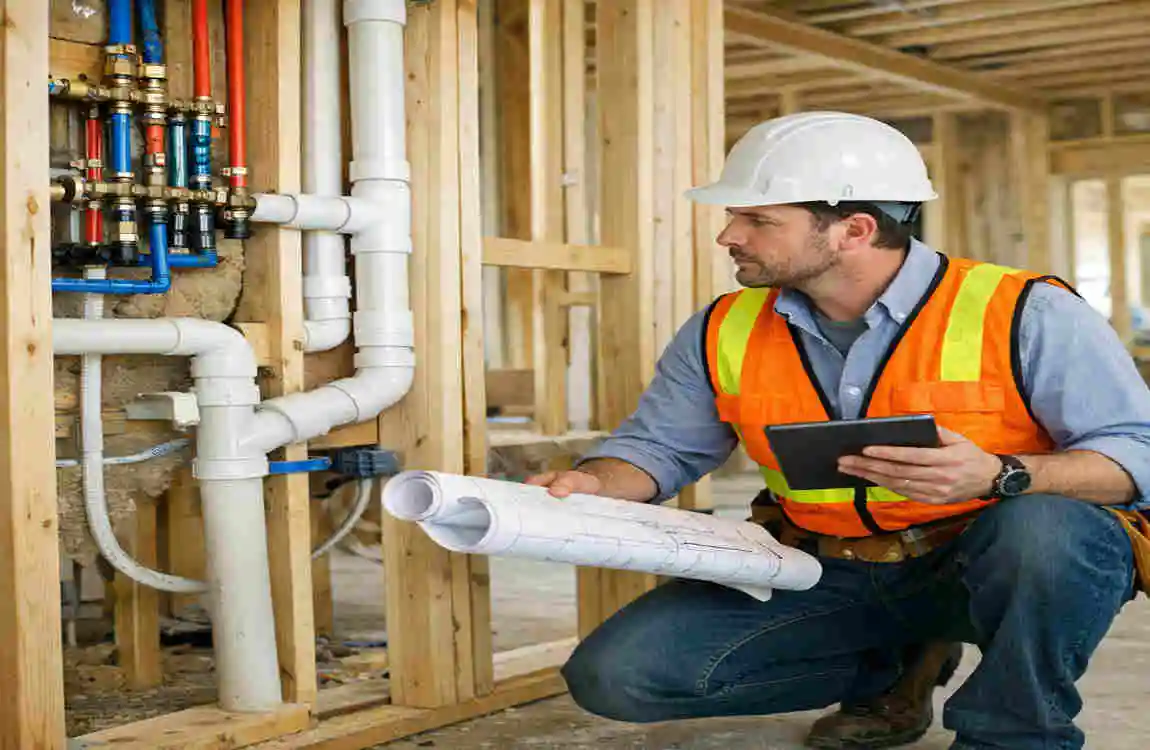
When you build a new house, the plumbing system is one of the most important parts of the project. It affects your water supply, drainage, comfort, safety, and long-term repair costs. That is why many homeowners ask, do I need a plumbing engineer for a new house?
The short answer is: sometimes yes, sometimes no. It depends on the home’s size, the complexity of the plumbing, and the rules in your area. Some homes can be handled by an experienced licensed plumber. In contrast, others need a professional plumbing engineer to design the system in more detail.
What Does a Professional Plumbing Engineer Do?
Understanding the Role of a Plumbing Engineer
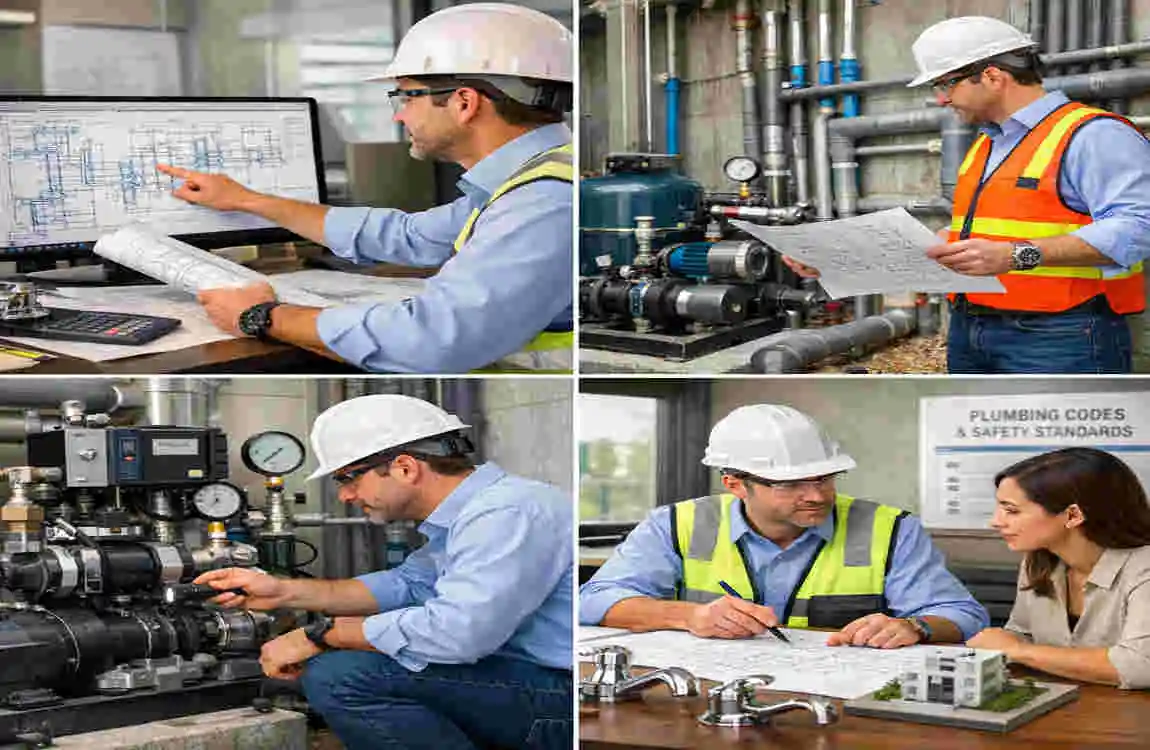
A plumbing engineer helps design the plumbing system before construction begins. Their job is to ensure water enters the house properly, and wastewater exits safely.
They usually prepare technical drawings, plan pipe routes, and calculate system needs. They also think about pressure, fixture placement, water flow, and code compliance. In short, they help turn a basic house plan into a working plumbing system.
Designing Water Supply Systems
A big part of plumbing design is getting water to every fixture in the house. That includes sinks, showers, toilets, tubs, laundry rooms, and outdoor spigots.
The engineer considers pipe size, water pressure, hot-water delivery, and where the water heater should go. If the house uses a well, pump, or water storage system, the design becomes even more important.
Planning Drainage and Ventilation Systems
Water coming in is only half the story. Wastewater also has to leave the house safely and efficiently.
That means the plumbing system needs the right drain slope, vent pipes, and trap setup. Good ventilation helps keep sewer gases out of the home and prevents slow drains or gurgling pipes.
Plumbing Engineer vs. Licensed Plumber
A plumbing engineer focuses on design and calculations. A licensed plumber usually handles installation, repair, and testing.
In many projects, both work together. The engineer creates the plan, and the plumber installs it. In smaller jobs, a skilled plumber may also handle the design if local rules allow it.
Why Professional Planning Matters
Good planning can prevent a lot of trouble later. It can reduce leaks, pressure problems, drainage backups, and costly changes during construction.
It also helps the plumbing work well with the rest of the house. That means fewer conflicts with walls, floors, electrical lines, and structural elements.
Do I Need a Plumbing Engineer for a New House?
When a Plumbing Engineer May Be Necessary
You may need a plumbing engineer if your local building department requires one. Some areas require engineered drawings for permit approval, especially for complex systems.
You are also more likely to need one for:
- Large custom homes
- Multi-story houses
- Homes with many bathrooms
- Properties with private wells or septic systems
- Houses with booster pumps or water storage tanks
- Projects with unusual water or drainage layouts
If your home has special plumbing needs, an engineer can help make sure the design works before construction starts.
When a Licensed Plumber May Be Enough
Not every new house needs a separate plumbing engineer. For smaller homes with standard layouts, a licensed plumber may be able to design and install the system.
This is often true when the plumbing plan is simple, and the local code allows standard residential design without engineered drawings. Still, you should always check with your local permit office first.
Factors That Determine Whether You Need One
A few things usually decide the answer:
- Local codes and permit rules
- House size and number of floors
- Number of plumbing fixtures
- Water pressure and supply source
- Drainage conditions
- Budget and long-term goals
If your project is simple, the answer may be no. If it is large or unusual, the answer may be yes.
Questions to Ask Before Hiring a Professional
Before you decide, ask:
- Does my city or county require engineered plumbing plans?
- Can a licensed plumber legally design this system?
- Will the house need pressure, pump, or drainage calculations?
- Who will inspect the finished work?
- Is the system designed for future changes?
These questions can save you time and money later.
Benefits of Hiring a Plumbing Engineer for New Home Construction
Improved Plumbing Safety and Reliability
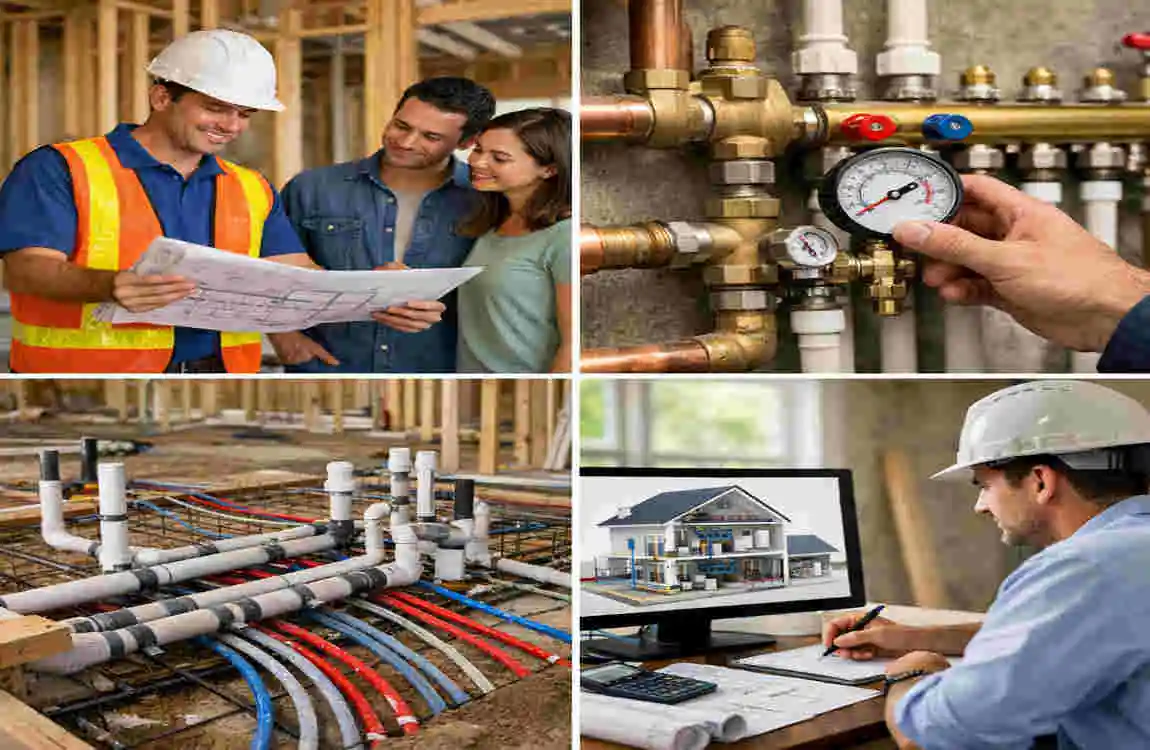
A well-designed plumbing system is less likely to leak, back up, or fail. That means fewer surprises after you move in.
A plumbing engineer helps size pipes correctly and plan water pressure properly. That can protect fixtures, reduce stress on the system, and help keep drinking water safe.
Better Water Efficiency
Good plumbing design can also save water. The engineer can plan the layout so hot water reaches fixtures more efficiently and doesn’t waste time heating up.
They can also help with low-flow fixtures and smarter pipe routing. Over time, that can mean lower utility bills.
Compliance With Building Codes
Residential plumbing codes can be detailed. A plumbing engineer helps ensure the design meets local rules and permit requirements.
That does not replace inspections, though. The system still needs proper installation and approval during construction.
Long-Term Cost Savings
Hiring an engineer may cost more upfront, but it can prevent expensive problems later. Poor pipe sizing, drainage, and layout choices can be costly to fix.
A good design often reduces waste, delays, and rework during construction. That alone can make the service worth it.
Better Coordination During Construction
When plumbing is planned early, it is easier to coordinate with the builder, electrician, and framing crew. Everyone can work from the same approved plan.
This helps avoid pipe conflicts and makes future maintenance easier too.
Plumbing Engineering Costs, Planning, and Important Design Considerations
How Much Does a Plumbing Engineer Cost?
The cost depends on the home’s size, the level of detail needed, and your location. A simple design will cost less than a custom home with advanced plumbing features.
Some engineers charge a flat fee. Others charge by the hour or by project size. Either way, ask for an itemized estimate so you know what is included.
Remember that engineering fees are separate from plumber labour, permit fees, and inspection costs.
Essential Plumbing Design Considerations
A good plumbing plan usually covers:
- Water supply capacity and pipe sizing
- Drainage layout and venting
- Hot water demand
- Fixture placement
- Pipe materials
- Freeze protection
- Pressure regulation
- Backflow prevention
These details may not sound exciting, but they matter every single day once the house is in use.
Plumbing Design for Different Types of Homes
A small single-story house may only need a basic layout. A two-story house often needs more careful planning for water pressure. A large custom home may need a much more detailed system design.
Homes with wells, septic tanks, or special water treatment systems need extra attention. Those systems must work together, not against each other.
Questions to Ask Before Approving the Plumbing Plan
Before you approve anything, ask:
- Are the drawings complete enough for permit review?
- Has water pressure been checked?
- Is drainage handled properly?
- Are the pipe routes easy to service later?
- Are the materials suitable for the local climate?
- Who handles revisions if the plan changes?
A few careful questions now can prevent a lot of stress later.
How to Hire the Right Plumbing Professional for Your New Home
Check Qualifications and Local Licensing
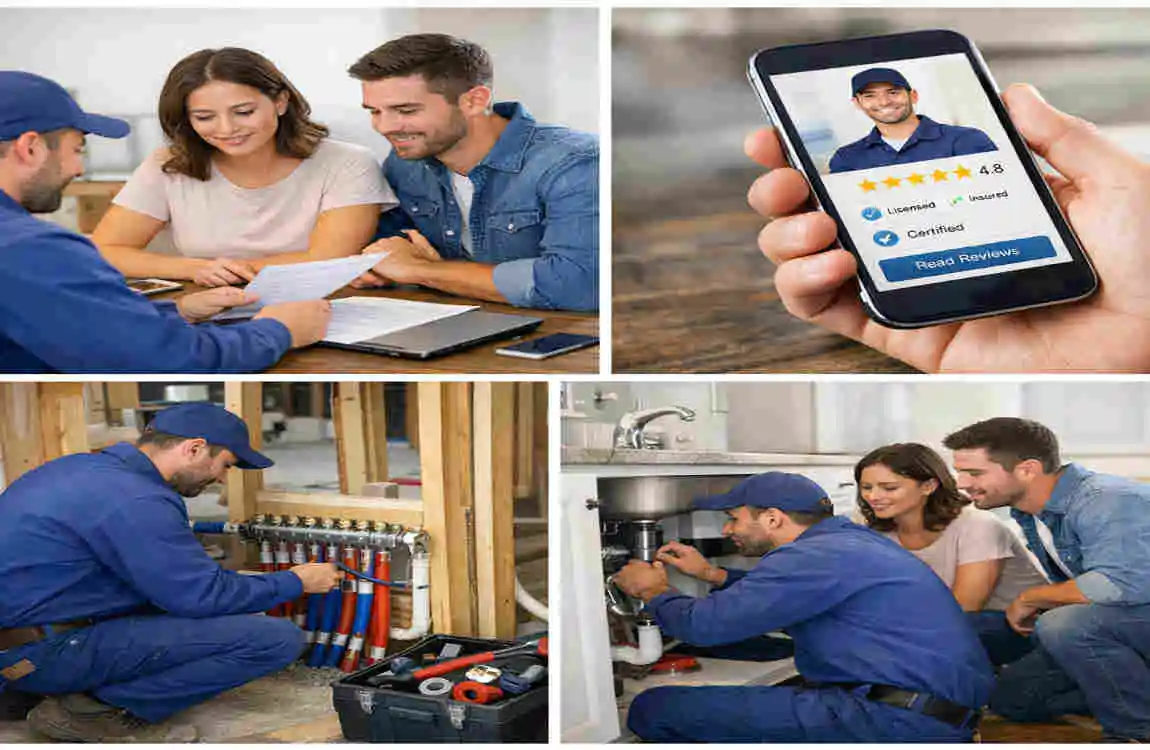
Start by confirming that the person is properly licensed or authorized in your area. Plumbing rules vary by location.
If your project needs engineering services, make sure the person is legally qualified to provide them. Do not assume every plumber can produce engineering drawings.
Review Experience and Previous Projects
Ask about similar homes they have worked on. Experience with custom houses, multi-story homes, or special systems can be very helpful.
References can also give you a clearer picture of their communication style, reliability, and problem-solving ability.
Compare Proposals and Services
Do not compare price alone. Look at what each proposal includes.
A strong proposal should explain the design scope, drawings, revisions, site visits, and construction support. That helps you see real value, not just the cheapest number.
Coordinate the Engineer, Plumber, and Builder
The best results happen when everyone works from the same plan. The engineer designs it, the plumber installs it, and the builder coordinates the structure.
If changes come up during construction, they should be documented clearly so nothing gets missed.
Inspect and Test the Plumbing System
Once the plumbing is installed, it should be tested carefully. That may include leak checks, pressure testing, and drainage testing.
Keep the approved plans and inspection records. They can help with future repairs, upgrades, or home resale.
Frequently Asked Questions About Plumbing Engineers for New Homes
Do I need a plumbing engineer for a new house?
Not always. It depends on local code rules, the size of the house, and how complex the plumbing system is. Some homes can be handled by a licensed plumber.
Can a licensed plumber design the plumbing system for my house?
Sometimes yes. In some locations, experienced plumbers can design standard residential systems within their legal scope.
How much does a plumbing engineer charge for a new house?
Pricing depends on house size, system complexity, location, and what services are included. Ask for a written quote.
Do I need a plumbing engineer for a two-story house?
Not automatically. A two-story home may need more planning, but local rules and system complexity determine whether it’s legally required.
What is the difference between a plumbing engineer and a plumbing contractor?
An engineer designs the system. A contractor or plumber installs it. Some professionals may do both, depending on licensing and project type.
Can I build a new house without professional plumbing drawings?
Sometimes yes, but many projects still need detailed plans for permits and construction. Check local requirements before you begin.
When should I hire a plumbing engineer during construction?
Hire one early, during the planning stage. That gives the best chance to avoid conflicts and design problems.
What happens if a new home’s plumbing is poorly designed?
You may face low pressure, slow drains, leaks, noise, and expensive repairs. Bad plumbing design can cause long-term problems.
| Topic | Short Information |
|---|---|
| What Is a Plumbing Engineer? | A professional who designs and plans a building’s water supply, drainage, and plumbing systems. |
| Is a Plumbing Engineer Necessary? | Not always. The need depends on the home’s complexity and local building regulations. |
| When Is One Needed? | For large homes, complex plumbing layouts, multi-storey buildings, or unusual water systems. |
| Main Benefits | Better water pressure, efficient drainage, fewer design errors, and improved reliability. |
| Plumbing System Design | Plans pipe sizes, fixture locations, drainage lines, and hot-water systems. |
| Building Codes | Helps ensure plumbing plans meet applicable codes and permit requirements. |
| Cost Considerations | Fees vary based on house size, design complexity, location, and project scope. |
| Engineer vs. Plumber | Engineers design systems; licensed plumbers typically install, test, and repair them. |
| Can a Contractor Handle It? | Some standard homes may only require a qualified plumber and approved plans, depending on local rules. |
| How to Choose | Check qualifications, relevant experience, references, and local licensing requirements. |
