

When you build a new home, plumbing is one of the biggest budget items. It may not be the most visible part of the house, but it plays a huge role in daily comfort. Without a solid plumbing system, even a beautiful home can quickly become hard to live in.
If you are trying to plan your budget, the phrase new plumbing Maryland home cost per square foot can be a helpful starting point. It gives you a rough idea of what plumbing may cost based on the home’s size. But it is only a starting point. The final price depends on the layout, number of bathrooms, materials used, and local labour rates.
Understanding New Plumbing Maryland Home Cost Per Square Foot
What this estimate really means
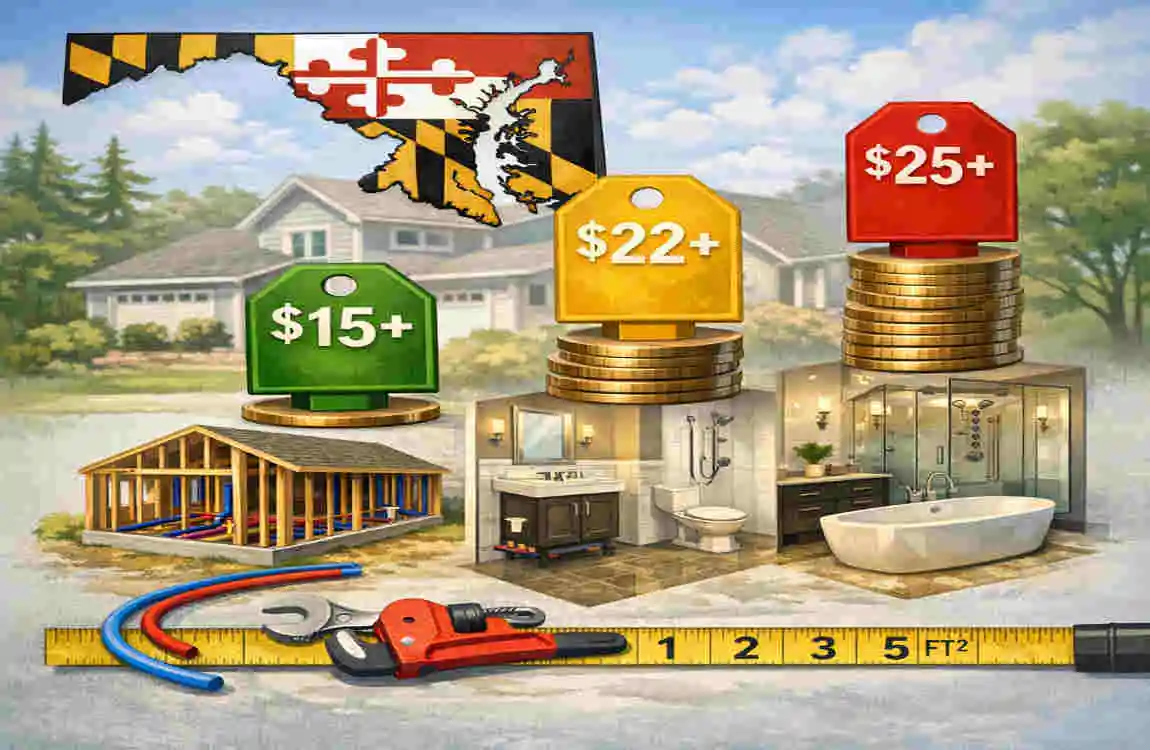
The phrase new plumbing Maryland home cost per square foot refers to a planning method homeowners use to estimate plumbing costs before construction begins. It breaks the project down by home size, which makes early budgeting easier.
This is useful because plumbing costs often rise with square footage. A larger home usually needs more pipe, fixtures, labour, and time. Still, square-foot pricing is not exact. It is only a guide.
Rough-in plumbing vs full plumbing installation
Not all plumbing quotes mean the same thing. That is why you should know the difference between the main parts of the job.
Rough-in plumbing
This is the stage where plumbers install the pipes inside walls, floors, and ceilings before drywall goes up. It usually includes water supply lines, drain lines, and vent pipes.
Full plumbing installation
This includes the rough-in work plus more complete system setup. It may also cover water heaters, shutoff valves, hookups, and other main plumbing parts.
Fixture installation
This is the final stage. It includes sinks, toilets, showers, tubs, faucets, dishwashers, and washing machine hookups.
How home size affects the price
A 1,000-square-foot home will usually cost less to plumb than a 2,500-square-foot home. But size isn’t the only factor. The number of bathrooms, kitchen layout, and laundry areas also matter.
A home with one bathroom and a simple kitchen often costs much less than one with multiple bathrooms, a wet bar, a laundry room, and a finished basement.
Planning table for early budgeting
Home size Example budgeting approach
1,000 sq. ft. Estimate based on the plumbing scope and fixture count
1,500 sq. ft. Adjust for pipe length and bathroom layout
2,000 sq. ft. Include kitchen, bathrooms, laundry, and water heating
2,500+ sq. ft. Account for additional fixtures and longer pipe runs
Why square-foot pricing is only a starting point
A square-foot estimate helps you plan, but it does not replace a contractor quote. In Maryland, plumbing costs can vary based on labour rates, permit rules, and the project’s complexity.
For example, two homes with the same square footage may still have very different plumbing budgets. One may have a basement and easy access for piping. The other may have a slab foundation or a complex layout that takes more labour.
Major Factors That Affect Plumbing Costs in Maryland
Home design and size
The home’s design directly affects plumbing costs. A simple single-story layout is usually easier and cheaper to plumb than a multi-story home.
Basements can also change the cost. If the plumbing needs to run through a basement, it may add work, but it can also make some access easier. Slab homes may be more difficult because pipes must be planned carefully before the foundation is poured.
Number of plumbing fixtures
Every fixture adds cost. More fixtures mean more piping, labour, and finishing work.
Common fixtures include:
- Toilets
- Sinks
- Bathtubs
- Showers
- Dishwashers
- Washing machines
A home with two bathrooms costs less than one with four. The same applies to kitchens and laundry rooms. The more plumbing points you add, the higher the total cost usually becomes.
Pipe materials
The type of pipe used can also affect the budget.
PEX
PEX is flexible, easier to install, and often more affordable than copper. Many builders prefer it for new homes because it can reduce labour costs.
Copper
Copper is durable and trusted, but it usually costs more. It may be used in certain parts of the system where strength and heat resistance matter more.
PVC or ABS
These materials are often used for drain and waste lines. They are common in many homes because they are reliable and cost-effective for the right applications.
Labor expenses
Labour is a major part of the final bill. If the work takes more time or requires a more experienced contractor, the price goes up.
Scheduling can also matter. If your project needs to move quickly or involves several crews working at once, costs may rise. On the other hand, well-planned work with clear drawings can help control labour time.
Water supply and drainage
A plumbing system isn’t just about bringing water in. It also has to remove wastewater safely and efficiently.
That means the project may include:
- Water lines
- Drainpipes
- Sewer connections
- Venting
- Pressure control
If any of these parts are more complicated, the overall cost may increase.
Water heater installation
The choice of water heater matters too. A standard tank water heater may cost less upfront, while a tankless system often costs more to install.
Tankless systems can offer long-term energy savings, but they may need additional work during installation. That can affect both material and labour costs.
Location within Maryland
Where the home is built can influence the budget. Labour availability, local permit rules, and inspection schedules can vary by area.
For example, costs in Baltimore may differ from Montgomery County or more rural parts of the state. Local conditions, contractor demand, and jurisdiction rules all play a role.
Site conditions
Some building sites are harder to work on. Long utility connections, difficult soil, or limited access can make plumbing more expensive.
If the utility lines are far from the house, the plumber may need more materials and labour. Tough soil or an uneven lot can also add to the project cost.
Plumbing Materials, Fixtures, Permits, and Additional Expenses
Material choices matter
The materials you choose will shape both the price and the performance of your plumbing system.
Benefits and limits of common materials
- PEX is flexible and often easier to install.
- Copper is durable but usually more expensive.
- PVC and ABS help with drain systems but aren’t used everywhere in the same way.
The best choice depends on the part of the plumbing system and the home design.
Fixtures can raise or lower the total cost.
Standard fixtures usually cost less. Premium fixtures can quickly raise the budget. A basic sink or toilet may be affordable. At the same time, designer models, touchless faucets, or high-end shower systems can add a lot more.
To stay on budget, decide early which fixtures are must-haves and which are optional upgrades.
Other system components
A complete plumbing system may also include:
- Water heaters
- Shutoff valves
- Backflow prevention
- Pipe insulation
- Pressure control parts
These items may seem small, but they matter for safety, comfort, and code compliance.
Permits and inspections
New homes usually need plumbing permits and inspections. This helps make sure the work meets local rules and safety standards.
Requirements and fees vary by jurisdiction. For example, Frederick’s FY 2026 fee schedule lists combined plumbing and gas permit fees for new residential dwellings based on home size. That shows how local rules can affect the budget.
In other areas, the process may be different, so always check with the local permitting office before work starts.
Extra expenses to watch for
Some costs are easy to miss during early planning. These may include:
- Sewer or water service connections
- Unexpected site conditions
- Design changes after work begins
- Upgrades required by local code
A smart homeowner sets aside a contingency fund for these surprises. That way, a problem does not throw off the entire budget.
How to Estimate Your New Home Plumbing Budget
Start with the home plans.
To estimate plumbing costs, begin with the square footage and the number of plumbing fixtures. Review the floor plan and mark where the kitchen, bathrooms, laundry room, and water heater will go.
The clearer the plan, the better the estimate.
Ask for separate pricing.
Do not ask for one vague number. Instead, request separate estimates for:
- Rough-in plumbing
- Fixtures
- Water heater
- Permits and inspections
- Utility connections
This makes it easier to compare contractors and see where the money goes.
Use a simple formula.
A basic budget formula can look like this:
Estimated plumbing budget = plumbing installation + fixtures + water heater + permits and inspections + utility connections + contingency
This is not a final price, but it helps you organise your thinking.
Compare at least three written estimates.
You should always compare three detailed quotes if possible. A good quote should clearly show materials, labour, permit costs, and what is not included.
Look carefully for:
- Material allowances
- Labor scope
- Permit handling
- Exclusions
- Timeline
Check the contractor before hiring.
Make sure the plumber is properly licensed and insured. Ask for references, review warranties, and ask how inspections will be handled.
Be careful with very low bids. Sometimes they leave out important parts of the system, which can lead to higher costs later.
Smart Ways to Reduce Plumbing Costs Without Sacrificing Quality

Keep plumbing areas close together.
If possible, group bathrooms, kitchens, and laundry areas together. This can reduce pipe runs and lower labour and material costs.
Finalise the layout early.
Changes after pipes are installed can be expensive. Finalise your plumbing layout before construction starts.
Choose durable, code-approved materials.
Do not pick materials only because they are cheap. Choose products that are durable, available, and approved for your project.
Use water-efficient fixtures
Water-saving toilets, faucets, and showerheads can help lower water use over time. They may also support a more efficient home overall.
Coordinate with other trades.
Good coordination with builders, electricians, and HVAC teams can prevent delays and extra labour.
Avoid late changes
If you change the plumbing plan after installation begins, costs can rise fast. Clear decisions early can save money later.
Frequently Asked Questions About Maryland Home Plumbing Costs
What is the new plumbing Maryland home cost per square foot?
It is a planning estimate used to help homeowners budget for new plumbing. The final price depends on the home’s location, size, fixture count, materials, and whether the quote includes rough-in work or the full system.
How much does plumbing cost for a 2,000-square-foot home in Maryland?
It depends on the number of bathrooms, the kitchen layout, laundry areas, and whether the estimate covers fixtures and water heating. The best way to get a realistic number is to request a detailed written quote.
Does a new home plumbing estimate include fixtures?
Sometimes yes, but not always. Some contractors quote only rough-in plumbing and labour, while others include fixtures in the total. Always ask what is covered.
Are plumbing permits required for new homes in Maryland?
Yes, applicable permits and inspections usually must be checked with the local permitting authority. Rules and fees vary by location.
Is PEX cheaper than copper plumbing?
Often, yes, but it depends on the project. PEX may be less expensive for materials and labour. At the same time, labour for copper can cost more but may be preferred in certain applications.
How can homeowners get an accurate plumbing quote?
Give the contractor your building plans, fixture selections, home address or jurisdiction, and a full description of the work. The more detail you provide, the better the estimate.
| Plumbing Service | Estimated Cost in Maryland (USD) | Key Cost Factors |
|---|---|---|
| Basic Leak Repair | $100–$300 | Leak location and repair complexity |
| Faucet Installation | $150–$350 | Faucet type and labor |
| Toilet Installation | $250–$600 | Toilet model and plumbing adjustments |
| Drain Cleaning | $100–$300 | Clog severity and drain location |
| Water Heater Installation | $900–$2,500+ | Unit type, size, and installation needs |
| Pipe Repair | $150–$800+ | Pipe material and damage extent |
| Garbage Disposal Installation | $200–$500 | Disposal model and electrical connections |
| Sewer Line Repair | $1,000–$5,000+ | Damage, pipe depth, and repair method |
| Whole-House Repiping | $4,000–$15,000+ | Home size, pipe material, and accessibility |
| Emergency Plumbing | $150–$500+ | Time of service and urgency |
| New Home Plumbing | $8,000–$20,000+ | House size, fixtures, and system design |
