

A water softener is designed to protect your home’s plumbing and appliances from hard water. It removes minerals such as calcium and magnesium, which cause much of the scale associated with hard water.
Can a failing softener cause plumbing damage? The short answer is yes, indirectly. A failed softener can allow hard water to flow through the plumbing system again. Over time, that water can contribute to mineral deposits, restricted flow, clogged fixtures, and scale buildup in water heaters and appliances.
The good news is that most problems develop gradually. If you recognize the warning signs early, you can often fix the softener before the plumbing problem becomes expensive.
How a Water Softener Works
What Does a Water Softener Do?
A water softener treats hard water before it travels throughout your home.
Hard water contains dissolved minerals, mainly calcium and magnesium. These minerals are usually not visible when water first comes from the faucet. Still, they can leave deposits as water flows through pipes and fixtures.
A properly operating softener reduces these minerals so the water produces less scale.
This can help keep faucets, showerheads, water heaters, washing machines, dishwashers, and pipes cleaner over time.
How Resin Beads Remove Hard-Water Minerals
Most traditional water softeners use small resin beads inside a resin tank.
As hard water passes through the beads, the resin exchanges certain minerals for sodium or another replacement ion. The treated water then moves into your home’s plumbing.
Eventually, the resin becomes loaded with minerals and needs regeneration.
During regeneration, a salt-and-water solution restores the resin’s ability to soften water.
Why Proper Water Softener Operation Matters
A softener normally includes several important parts, including the resin tank, brine tank, control valve, and regeneration system.
If one of these components fails, the system may stop removing enough hardness from the water.
You might still have water at every faucet, so the problem can be easy to miss. However, the water may no longer be properly softened.
That is why it’s important to check the system when you notice changes in water quality or plumbing performance.
Can a Failing Softener Cause Plumbing Damage?
Hard Water and Mineral Buildup
So, can a failing softener cause plumbing damage? Yes, but usually by returning hard water rather than by directly damaging the pipes.
When the softener fails, untreated hard water can begin circulating through the home.
As water repeatedly evaporates from surfaces, minerals can remain behind. Over time, these deposits can become noticeable around faucets, showerheads, valves, and other plumbing components.
Increased Scale Inside Pipes
Hard-water scale can gradually collect inside plumbing.
A small amount of buildup may not cause an obvious problem. But years of mineral accumulation can reduce the usable opening inside a pipe.
Think of it as a passage slowly becoming narrower.
The result can be reduced water flow, longer filling times, and less effective water delivery at fixtures.
Reduced Water Flow and Pressure
Mineral deposits can restrict certain sections of a plumbing system.
You may notice that a shower does not seem as strong as it once did, or a faucet takes longer to deliver water.
However, low pressure does not always mean a failing softener. Clogged aerators, plumbing leaks, pressure-regulator problems, and other issues can create similar symptoms.
For that reason, persistent pressure problems deserve proper inspection.
How Long-Term Problems Affect Plumbing Fixtures
A malfunctioning softener can allow hard water to affect more than just pipes.
Minerals may accumulate in:
- Faucets and aerators
- Showerheads
- Toilet valves
- Water heaters
- Dishwashers
- Washing machines
- Other water-using appliances
The important point is that plumbing damage from hard water usually develops gradually.
A softener that fails today is unlikely to destroy your plumbing tomorrow. The concern is continued exposure over months or years.
Common Signs Your Water Softener Is Failing
Knowing the warning signs can help you act before the problem becomes serious.
White Scale on Faucets and Fixtures
One of the easiest signs to notice is a white or chalky deposit around faucets, showerheads, sinks, and other wet surfaces.
Some mineral residue can occur even with a working softener. Still, a sudden increase may indicate that the system is no longer working correctly.
Changes in Water Taste or Feel
Some homeowners notice a change in how their water feels when the softener stops operating properly.
Water may feel harder, and soap may not lather as easily. You may also notice more residue after washing your hands or showering.
These signs don’t prove softener failure, but they are worth investigating.
Low Water Pressure
A noticeable drop in water pressure can sometimes be connected to mineral buildup.
If the problem appears at only one faucet, check the aerator or fixture first. If several fixtures have reduced flow, the issue may involve a larger section of the plumbing system or another component.
Salt or Brine Tank Problems
The brine tank deserves regular attention.
A salt bridge, unusually low salt level, excessive water in the tank, or other abnormal condition can interfere with regeneration.
Adding more salt isn’t always the answer. If the system isn’t regenerating correctly, address the underlying problem.
Softener Running Too Often or Not Regenerating
Pay attention to unusual system behavior.
If the softener regenerates far more frequently than expected, never seems to regenerate, or repeatedly displays an error, investigate the problem.
Repeated regeneration can also increase water and salt consumption.
How Softener Failure Affects Different Plumbing Components
Pipes and Supply Lines
When hard water returns to the plumbing system, minerals can gradually collect inside pipes.
The effect depends on the plumbing material, water chemistry, system age, and exposure time.
Older plumbing with significant existing buildup may be more vulnerable to flow restrictions.
Faucets and Showerheads
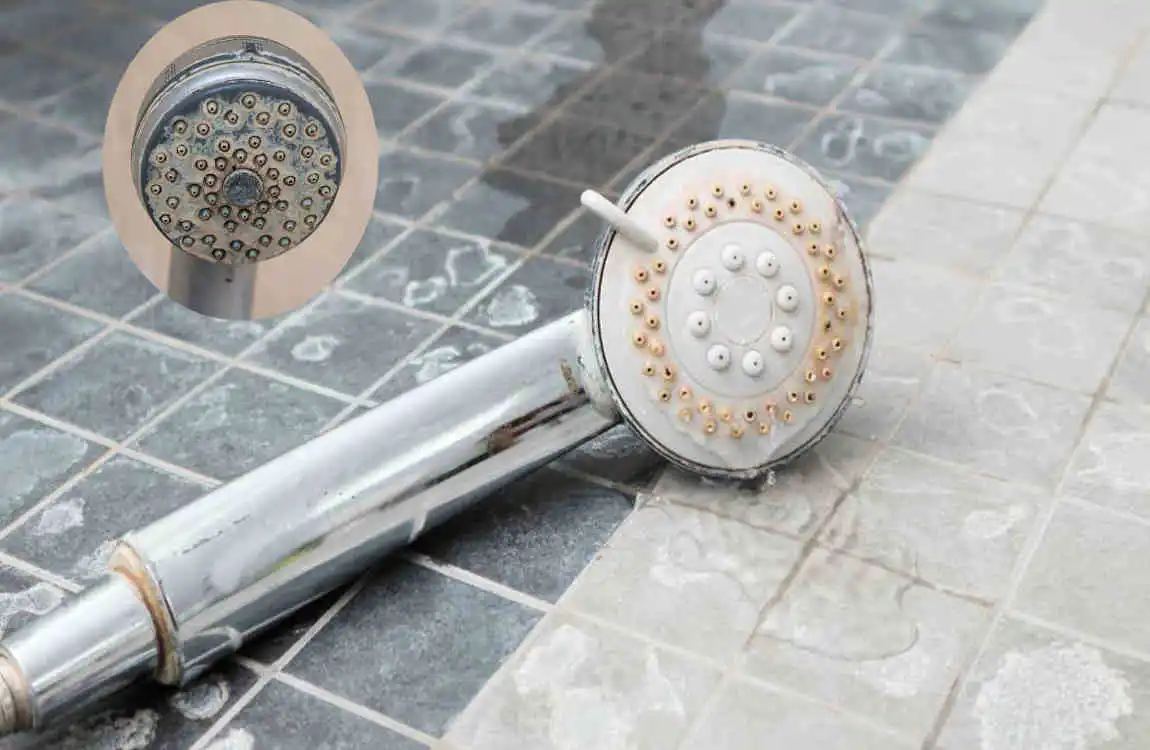
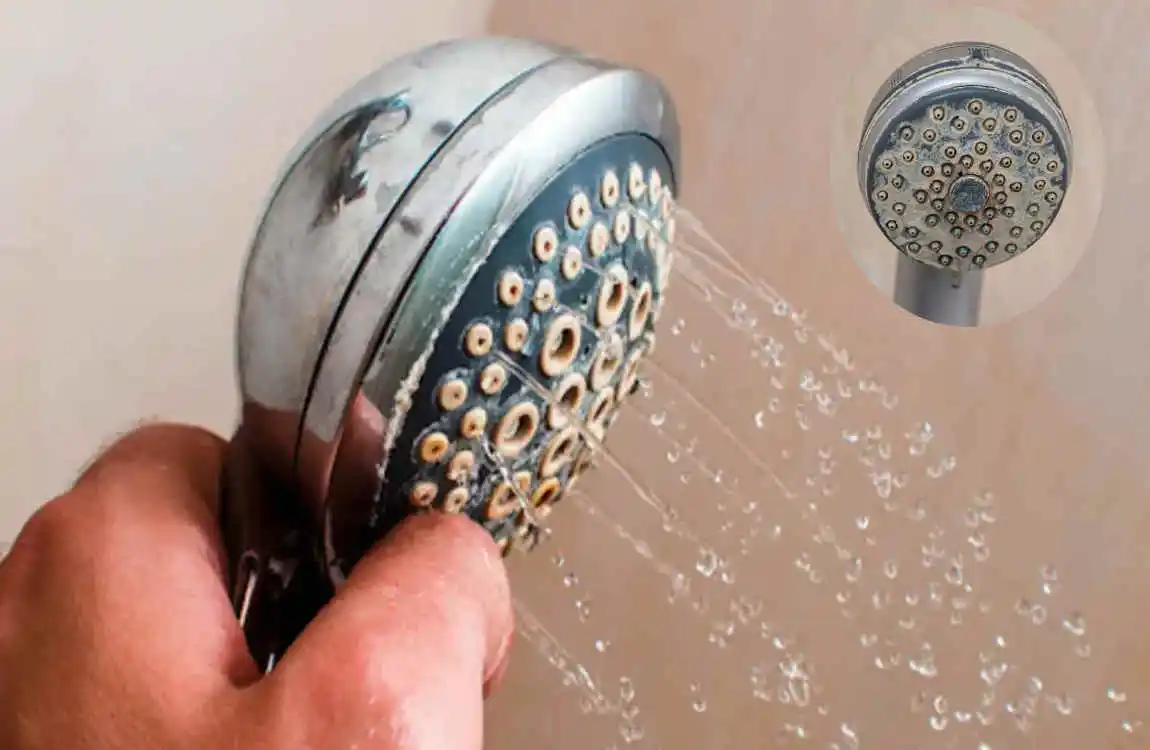
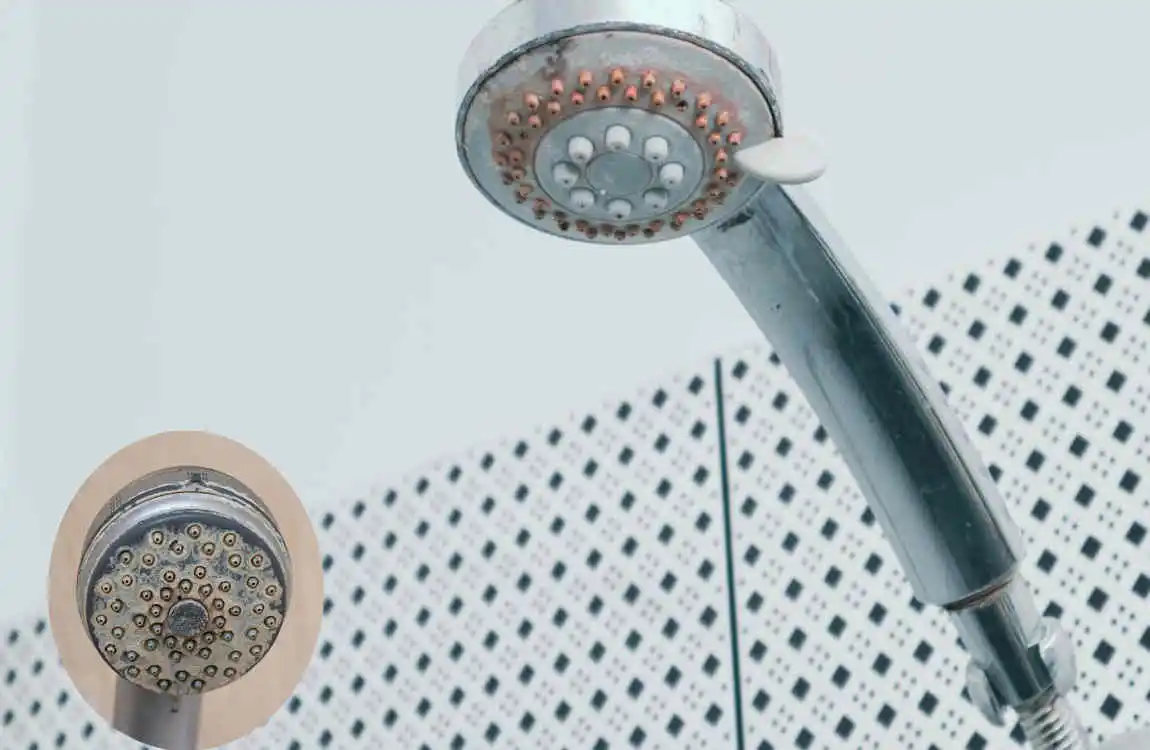
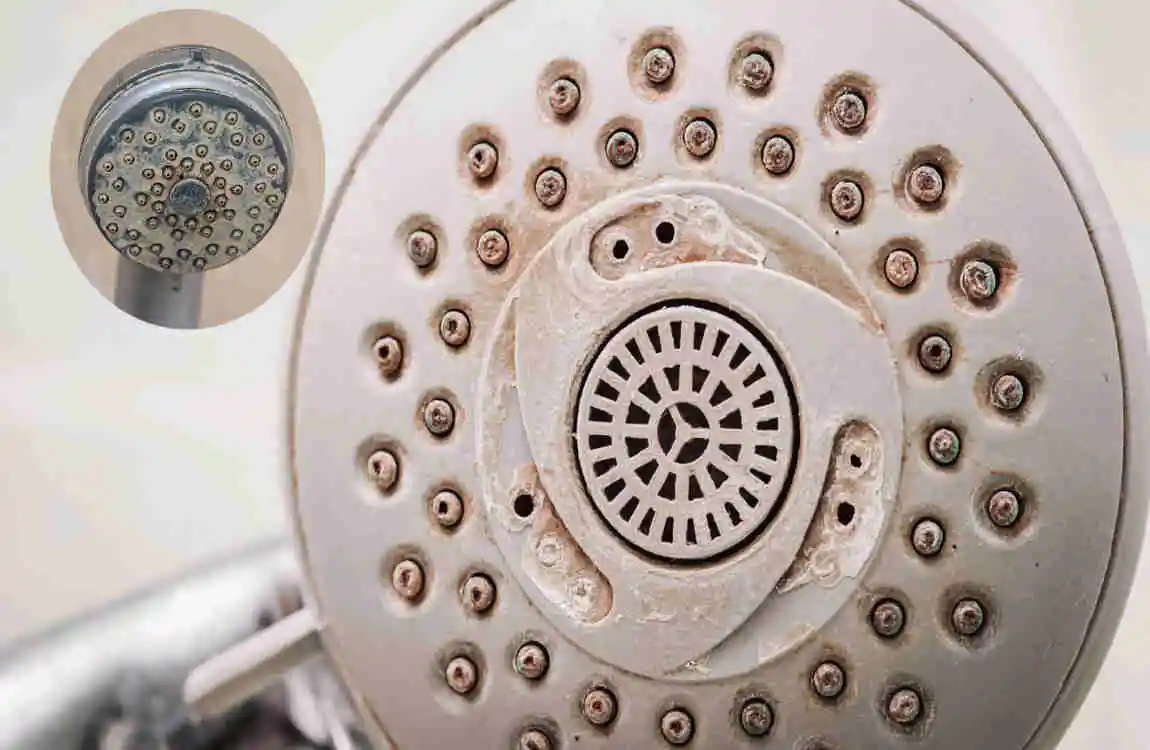
Small openings in faucets and showerheads can become restricted by mineral deposits.
You may notice uneven spray patterns or reduced flow.
Cleaning removable components can sometimes solve the immediate problem. If deposits return quickly, however, you should also investigate water quality.
Water Heaters
Water heaters can be particularly affected by hard-water scale.
When minerals settle and accumulate inside a tank, they can interfere with efficient heat transfer.
Scale can also contribute to unusual noises and reduced performance.
Because water heaters operate with heated water, mineral deposits can become a major maintenance concern.
Toilets and Valves
Toilet fill valves and other small water-control components can also collect mineral deposits.
This may cause slow filling, inconsistent operation, or other performance problems.
Replacing a small valve may solve the immediate issue. Still, persistent mineral buildup suggests you should also address the underlying water condition.
Washing Machines and Dishwashers
Appliances that regularly use water can experience mineral deposits when exposed to hard water for long periods.
Valves, heating elements, hoses, and internal passages can be affected.
Keeping the water softener operating properly can help reduce the amount of mineral exposure these appliances receive.
Other Problems Caused by a Malfunctioning Water Softener
Salt Bridges and Poor Regeneration
A salt bridge occurs when salt forms a hard layer in the brine tank instead of dissolving normally.
The softener may appear to contain plenty of salt. Still, the system may not actually have the brine it needs for proper regeneration.
This can allow hard water to return to the home.
Resin Bead Failure
Resin beads do not last forever.
Over time, they can become less effective because of age, contamination, physical breakdown, or other conditions.
If the resin is no longer performing properly, adding salt will not necessarily solve the problem.
Clogged Control Valves
The control valve directs water through different stages of softening and regeneration.
A blockage or mechanical problem can interfere with normal operation.
If the valve is not functioning correctly, the softener may fail to regenerate or may not properly treat incoming water.
Leaks Around the Softener
A leaking softener creates a different type of concern.
Water damage around the softener installation area can affect flooring, walls, cabinets, or nearby materials.
This is different from mineral-related plumbing damage. A leak can cause direct water damage even if the water itself is not causing scale buildup.
Excessive Water or Salt Consumption
A softener that runs too often may use more salt and water than necessary.
This can increase operating costs and may indicate incorrect settings, a control problem, excessive water use, or another fault.
How to Prevent Plumbing Damage From Water Softener Failure
Regular attention can help you catch softener problems before they become plumbing problems.
Schedule Regular Maintenance
Follow the maintenance recommendations for your particular system.
A basic inspection can help identify salt buildup, leaks, valve problems, unusual regeneration behavior, and other concerns.
Check Salt and Brine Levels
Don’t just fill the tank whenever it looks low.
Check whether the salt is actually being consumed and whether the brine system appears to be functioning normally.
If the salt level never changes or suddenly disappears unusually quickly, investigate further.
Clean the System Properly
Keep the brine tank and surrounding area clean.
If the system requires cleaning or sanitizing, use the procedure recommended for that specific unit.
Avoid experimenting with harsh chemicals that could damage system components.
Inspect Pipes and Connections
Look around the softener for leaks, loose connections, corrosion, or moisture.
Also watch for changes in water flow throughout the house.
Test Water Hardness
Testing your water hardness can help determine whether the softener is actually doing its job.
If treated water suddenly tests much harder than expected, the system may require adjustment, maintenance, or repair.
Repair or Replace a Failing Water Softener?
When a Repair Makes Sense
Repair may be practical when the system is relatively new, and the problem involves a replaceable component.
A technician may be able to correct a valve problem, adjust settings, repair a connection, or address a brine-system issue without replacing the entire unit.
When Replacement Is the Better Option
Replacement can make more sense when the softener is old, repeatedly fails, uses excessive salt or water, or requires expensive repairs.
Consider the system’s age, repair history, performance, operating cost, and condition before deciding.
Sometimes continuing to repair an aging softener costs more than installing a modern, properly sized system.
Can Plumbing Damage Be Reversed?
Some hard-water problems are relatively easy to correct.
Mineral deposits on faucet aerators and showerheads can often be cleaned. More serious buildup inside pipes may require professional descaling, cleaning, or plumbing work.
If a water heater has significant scale, it may need separate maintenance.
Fixing the softener prevents continued exposure to hard water, but it does not automatically remove buildup that has already developed.
Frequently Asked Questions
Can a Failing Softener Cause Plumbing Damage?
Yes. A failing softener can indirectly contribute to plumbing problems by allowing hard water to circulate through the home.
Over time, minerals can build up as scale in pipes, faucets, water heaters, valves, and appliances.
What Happens to Plumbing When a Water Softener Stops Working?
When a softener stops removing hardness effectively, untreated hard water enters the home’s plumbing.
Minerals can gradually accumulate, potentially causing scale, restricted flow, and reduced performance of plumbing fixtures.
Can a Bad Water Softener Reduce Water Pressure?
It can reduce water flow when hard-water minerals build up in pipes or fixtures.
However, low pressure can have many other causes, so don’t automatically blame the softener without checking the plumbing system.
How Do I Know If My Water Softener Is Damaging My Pipes?
Watch for increased white scale, declining water flow, changes in water quality, frequent softener problems, and mineral deposits around plumbing fixtures.
If several of these signs appear together, testing the water and inspecting the softener can be a good next step.
How Often Should a Water Softener Be Serviced?
The ideal service schedule varies by system, water hardness, household water use, and manufacturer recommendations.
Regular checks are more important than following one universal schedule. If performance changes, inspect the system sooner.
Is It Better to Repair or Replace a Water Softener?
Repair is often sensible when the system is relatively new, and the fault is minor.
Replacement may be more practical when the unit is old, unreliable, inefficient, or repeatedly requires expensive repairs.
Can Hard-Water Buildup Be Removed From Plumbing?
You can remove some deposits through cleaning or descaling.
For significant buildup inside pipes or water-heating equipment, you may need professional plumbing service. Removing existing scale is separate from fixing the water softener.
| Water Softener Failure | Effect on Plumbing | Common Signs |
|---|---|---|
| Hard water returns | Mineral buildup inside pipes | Low water pressure |
| Resin bed failure | Hardness passes into the water supply | White scale on fixtures |
| Salt bridge | Softener stops producing soft water | Water feels hard |
| Brine tank problem | Poor regeneration | Scale buildup |
| Clogged control valve | Reduced water flow | Weak faucets or showers |
| Salt depletion | Temporary hard water | Spots on sinks and glass |
| Leaking softener | Water damage around equipment | Wet floors or cabinets |
| Poor maintenance | Faster pipe and fixture buildup | Frequent plumbing issues |
