

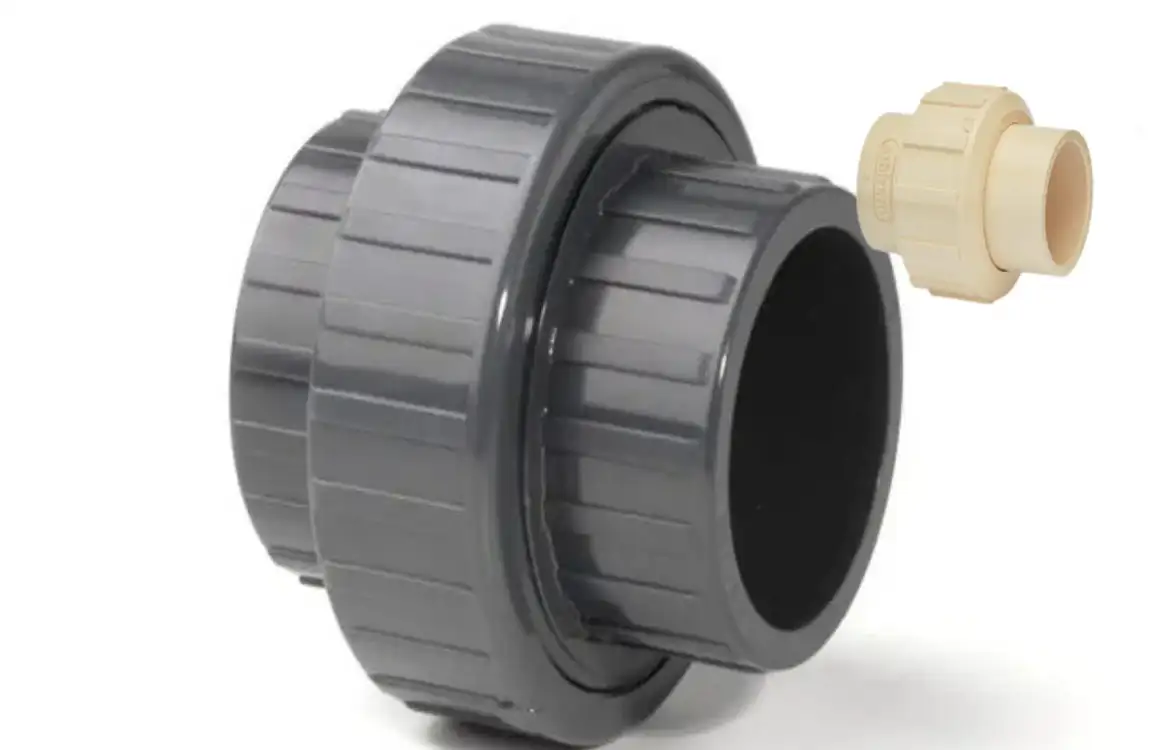
When you work around pipes, you may come across a small fitting that looks simple but makes plumbing repairs much easier. This fitting is called a plumbing union. If you have ever wondered what a union is in plumbing, it is essentially a removable pipe connection that lets you join two pipe sections and later separate them without cutting the pipe.
A union can be especially useful around water heaters, pumps, boilers, filters, and other plumbing equipment that may need regular servicing. Unlike a standard coupling, a union makes disconnection much easier.
What Is a Union in Plumbing?
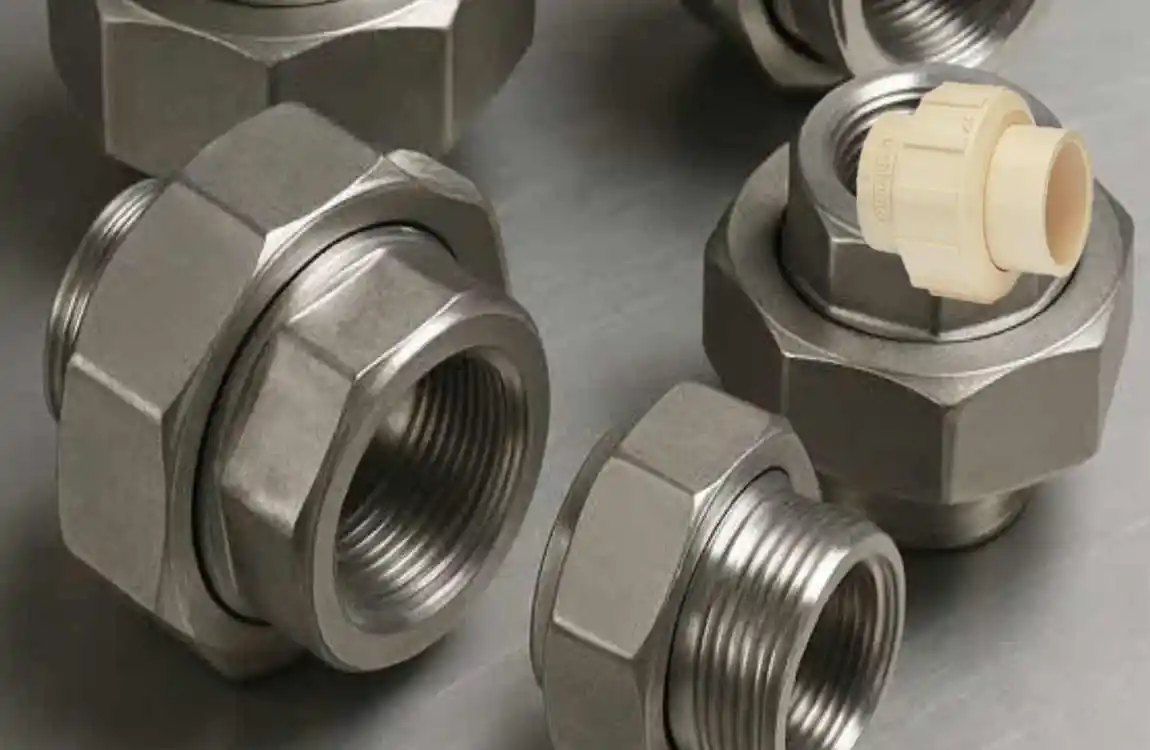
A plumbing union fitting is a pipe connection made of several parts that lets two pipes connect securely while still being easy to disconnect.
A typical union has three main parts:
- Male end: Connects to one side of the pipe.
- Female end: Connects to the other side.
- Central nut: Pulls the two ends together to create the connection.
The clever part of a union is that you usually don’t have to rotate long sections of pipe to disconnect it. You can loosen the central nut and separate the connected pipe sections.
How a Union Connects Two Pipes
Imagine two pipes that need to meet, but one connects to a water heater or pump. A standard coupling may join the pipes successfully, but removing the equipment later could require cutting or disassembling part of the pipe.
A union provides a removable connection point.
Attach the two sides of the union to their respective pipes. Once positioned correctly, tighten the central nut. This brings the union halves together and creates a secure connection.
Union vs. Regular Coupling
A coupling is mainly designed to join two sections of pipe. It is simple and useful for permanent or less frequently disconnected pipe runs.
A union performs a similar basic job but includes a mechanism that makes future disconnection easier.
That difference becomes valuable when a plumber needs to remove a piece of equipment for repair or replacement.
Why Unions Are Useful
The biggest advantage of a union is accessibility.
Instead of cutting a pipe whenever equipment needs to be removed, a plumber can often disconnect the union, perform the required work, and reconnect the system.
This can save time and reduce unnecessary changes to the plumbing system.
How Does a Plumbing Union Work?
A union brings two prepared pipe connections together with a central nut. The exact installation method depends on whether the fitting is threaded, soldered, solvent-welded, or another approved type.
How the Connection Is Made
First, select the correct union for the pipe size and material.
Connect each side of the union to the appropriate pipe. With a threaded union, carefully engage the threads. With copper pipe, a sweat union may be soldered to the pipe. Plastic unions can use the connection method specified for the particular material.
Once both sides are installed, the central nut brings the two union halves together.
The connection must be properly aligned. Poor alignment can place unnecessary stress on the fitting and may contribute to leaks.
How a Union Can Be Disconnected
One of the main reasons to install a union is its ability to disconnect.
After you properly shut off the plumbing system and relieve the pressure, you can loosen the central nut. The two sides can then separate without cutting the pipe itself.
This is particularly convenient when removing a pump, water heater component, filter, or other piece of equipment.
Common Union Materials
Plumbing unions come in several materials. The right choice depends on the plumbing system and the application.
Brass unions are common in many water systems and can provide a strong connection.
Stainless steel unions are useful where corrosion resistance and durability matter.
PVC unions are commonly found in suitable plastic piping systems.
CPVC unions are designed for compatible CPVC applications and temperature requirements.
Copper unions are available for copper plumbing systems, including sweat-style connections.
Always match the fitting to the pipe material, water conditions, temperature, pressure, and manufacturer’s requirements.
Where Are Plumbing Unions Used?
You can find unions in both residential and commercial plumbing systems. They are particularly useful where future maintenance is expected.
Water Supply Lines
Unions can be used on certain hot and cold water systems where a removable connection provides a maintenance advantage.
For example, a union may be positioned near equipment that could eventually need replacement.
The important point is accessibility. A union hidden behind a finished wall does not provide the same maintenance advantage as one installed where a plumber can easily reach it.
Water Heaters and Boilers
Water heaters and boilers often require maintenance or eventual replacement.
A union fitting can make it easier to disconnect the connection between equipment and piping when servicing is required.
This does not mean every water heater or boiler connection should use a union. Select and install the fitting based on the equipment and plumbing requirements.
Pumps and Plumbing Equipment
Pumps, filters, treatment equipment, and similar components may need periodic removal.
A union can create a convenient separation point.
When the equipment needs service, the pipe connection can potentially be disconnected rather than cutting the pipe.
Commercial Plumbing Systems
Commercial buildings often contain more complicated plumbing networks with pumps, valves, filtration equipment, heating equipment, and other components.
In these systems, serviceability is extremely important.
Strategically placed unions can give maintenance teams easier access to equipment while reducing unnecessary pipe modifications during repairs.
Plumbing Union vs Coupling: What Is the Difference?
A plumbing union and coupling both connect pipes, but their designs serve different purposes.
A coupling generally joins two pipes. Once installed, separating the pipes may require unscrewing components or cutting the pipe, depending on the coupling type and installation.
A union is specifically designed to make disconnection easier.
This makes unions particularly useful near equipment that may need to be removed.
Union or Coupling?
When deciding between the two, think about future maintenance.
If two pipes need to be joined as part of a continuous pipe run, a coupling may be sufficient.
If the connection is near a pump, heater, filter, or other component that may need to come out later, a union can provide a useful service point.
FeaturePlumbing UnionCoupling
Easy to disconnect Yes Usually no
Maintenance Easier More difficult
Main purpose Removable connection Joining pipes
Typical use Equipment and repair points Permanent pipe runs
Installation Slightly more complex Simple
Cost Usually higher Usually lower
Neither fitting is universally better. The correct choice depends on the plumbing application.
Types of Plumbing Unions
Several types of unions exist, and each works with particular plumbing materials and connection methods.
Threaded Unions
A threaded union uses threaded connections to attach the union to the pipe or another fitting.
These unions are commonly used where threaded pipe connections are appropriate.
During installation, the threads need to be correctly matched and properly sealed according to the fitting and system requirements.
Overtightening can damage the threads or fitting, so tighten the connection appropriately rather than using excessive force.
Soldered or Sweat Unions
A sweat union is commonly associated with copper plumbing.
The copper pipe is prepared and connected to the union using the appropriate soldering method.
Once properly installed, the union provides a removable connection through its central nut.
This type can be useful in copper water systems where equipment may need future servicing.
PVC and CPVC Unions
PVC and CPVC plumbing systems can use specially designed plastic unions.
The connection method depends on the product. Some portions may be solvent-welded to the pipe while the central union mechanism allows later disconnection.
These fittings are useful for compatible applications where equipment needs to be removed without cutting the entire pipe run.
Dielectric Unions
A dielectric union is designed for situations involving different metals.
When certain dissimilar metals are directly connected in the presence of water, galvanic corrosion can occur. A dielectric fitting can help separate the metals electrically and reduce this type of corrosion under suitable conditions.
These fittings are commonly considered in applications involving different metal piping materials.
Flanged Unions
Larger plumbing and commercial systems may use flange-style connections.
Flanged connections can make large equipment easier to install and remove. You often see them around pumps, valves, industrial equipment, and larger pipe systems.
The exact fitting and sealing method depends on the system design and operating requirements.
Benefits, Installation, and Common Problems
A plumbing union is a relatively simple component, but its value becomes obvious when maintenance is needed.
Benefits of Using a Plumbing Union
The main advantages include:
- Easier repairs and maintenance
- Simpler equipment replacement
- Less need to cut pipes
- Convenient access around serviceable equipment
- Faster disconnection when properly installed
A union can be especially useful when the equipment is expensive or difficult to access.
Basic Installation Steps
Although professional installation may be appropriate for many plumbing projects, the general process involves several basic stages.
Choose the correct union.
Select a fitting that matches the pipe size, material, connection type, temperature, and pressure requirements.
Prepare the pipe ends.
Clean and prepare the pipes according to the connection method.
Install each side.
Attach the union halves to the respective pipes using the appropriate installation technique.
Align the connection.
Make sure the pipe and union are properly aligned before tightening.
Tighten the central nut.
Bring the union halves together and tighten the nut appropriately.
Test for leaks.
Carefully restore the water supply and inspect the connection.
Common Problems With Plumbing Unions
Even a good-quality union can develop problems if it is installed incorrectly or damaged.
Leaking Union
A leak may result from poor alignment, damaged sealing surfaces, incorrect installation, or a worn component.
Don’t ignore a small amount of moisture around a connection.
Loose Connection
If the connection isn’t tightened properly, water can escape through the joint.
However, tightening it excessively is not the answer. Too much force can damage the fitting.
Damaged Threads
Threaded unions depend on properly formed threads. Cross-threading or damaged threads can prevent the fitting from sealing correctly.
Incorrect Size
A union must match the pipe and connection requirements.
Using the wrong size or an incompatible fitting can cause installation problems and leaks.
Corrosion
Metal unions can corrode depending on the material, water conditions, environment, and contact with other metals.
Choosing appropriate materials can help reduce these problems.
Maintenance Tips
Unions usually don’t require complicated maintenance, but periodic inspection can help.
Look for water droplets, mineral deposits, corrosion, unusual staining, or signs of movement around accessible connections.
If you notice a leak, address it rather than waiting for the problem to become larger.
Avoid repeatedly overtightening a union. If a component is damaged or worn, replacing the appropriate part may be better than forcing the existing connection tighter.
Why Is a Plumbing Union Important?
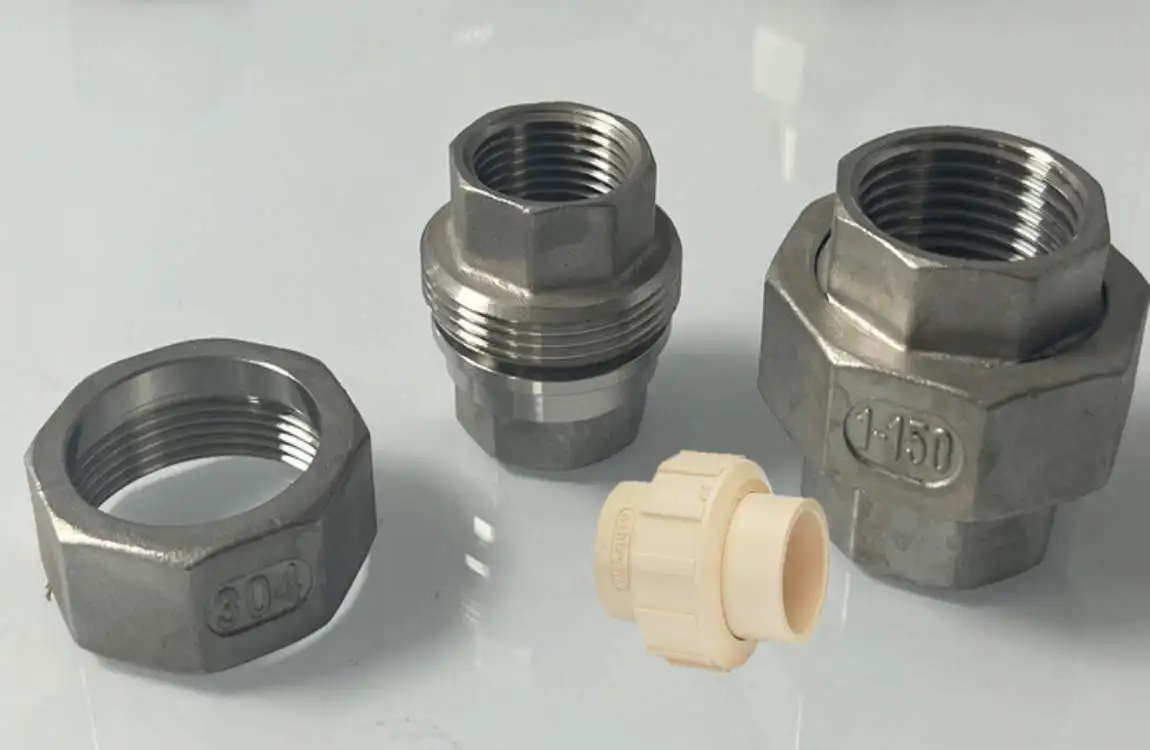
Understanding what a plumbing union is becomes much easier when you think about future repairs.
A standard pipe connection may work perfectly well for years. But when equipment needs to be removed, a connection that can be separated quickly becomes extremely valuable.
A union fitting creates a planned disconnection point. This can make repairs, maintenance, and equipment replacement easier.
Where Homeowners Commonly Find Unions
You may encounter plumbing unions around:
- Water heaters
- Pumps
- Filters
- Boilers
- Water treatment equipment
- Certain valves and service equipment
The exact location depends on the plumbing design.
When Is a Union Preferable to a Coupling?
A union may be preferable when future access is important.
For example, imagine a pump connected directly into a pipe system. If the pump eventually fails, removing it without a union may require cutting or modifying the pipe.
With a properly installed union, the connection provides a convenient separation point.
A coupling may still be suitable for a simple pipe extension where future disconnection isn’t expected.
Can Homeowners Install Plumbing Unions?
Some basic plumbing work may be manageable for an experienced DIY homeowner, but plumbing connections need to be installed correctly.
Water pressure, hot water, pipe material, fitting compatibility, and local requirements all matter.
If you are unsure about the connection, especially around a water heater, boiler, gas-related equipment, or major plumbing system, professional assistance can help prevent leaks and property damage.
Frequently Asked Questions
What is a union in plumbing?
A union in plumbing is a removable pipe fitting that connects two pipe sections. Its central nut lets you separate the connection without normally cutting the pipe.
What is the difference between a union and a coupling?
A coupling primarily joins two pipes, while a union is designed to make future disconnection easier. A union is therefore especially useful around equipment that may need servicing.
Can a plumbing union be reused?
A union may sometimes be reused if it remains in good condition and the manufacturer allows it. However, damaged threads, worn sealing surfaces, corrosion, or other defects can make replacement the better option.
Are plumbing unions leak-proof?
A properly selected and correctly installed union should provide a reliable connection. However, you should not assume any plumbing fitting is permanently leak-proof. Proper installation, sealing, alignment, and inspection are important.
Where should a plumbing union be installed?
Unions are most useful in accessible locations where future maintenance may be required. They are commonly used around pumps, water heaters, filters, boilers, and other serviceable equipment.
What size plumbing union do I need?
The union should match the pipe size, pipe material, connection type, and system requirements. Check the pipe dimensions and fitting specifications before purchasing one.
Can a plumbing union connect different types of pipes?
Some unions are designed for particular combinations of materials. Dielectric unions may be used in suitable applications involving different metals to help reduce galvanic corrosion. Always confirm compatibility before installation.
Is a plumbing union better than a coupling?
Neither is automatically better. A union is useful when easy future disconnection matters. At the same time, a coupling can be a simple solution for joining pipe sections where regular disconnection is not expected.
| Feature | Information |
|---|---|
| Definition | A plumbing union is a fitting that connects two pipes and allows them to be easily disconnected. |
| Main Purpose | Makes pipe installation, repair, and maintenance easier. |
| Common Materials | PVC, CPVC, copper, brass, stainless steel, and other metals. |
| How It Works | Two pipe ends connect through separate union pieces that are tightened together with a central nut. |
| Where Used | Water lines, pumps, heaters, filtration systems, and other plumbing connections. |
| Key Benefit | Pipes can be separated without cutting or rotating long pipe sections. |
| Union vs Coupling | A coupling creates a more permanent connection, while a union is designed for easy removal. |
