

If you have ever looked at a plumbing plan, repair estimate, or building specification and wondered what a lavatory in plumbing is, you are not alone. The word “lavatory” can sound more technical than it needs to be.
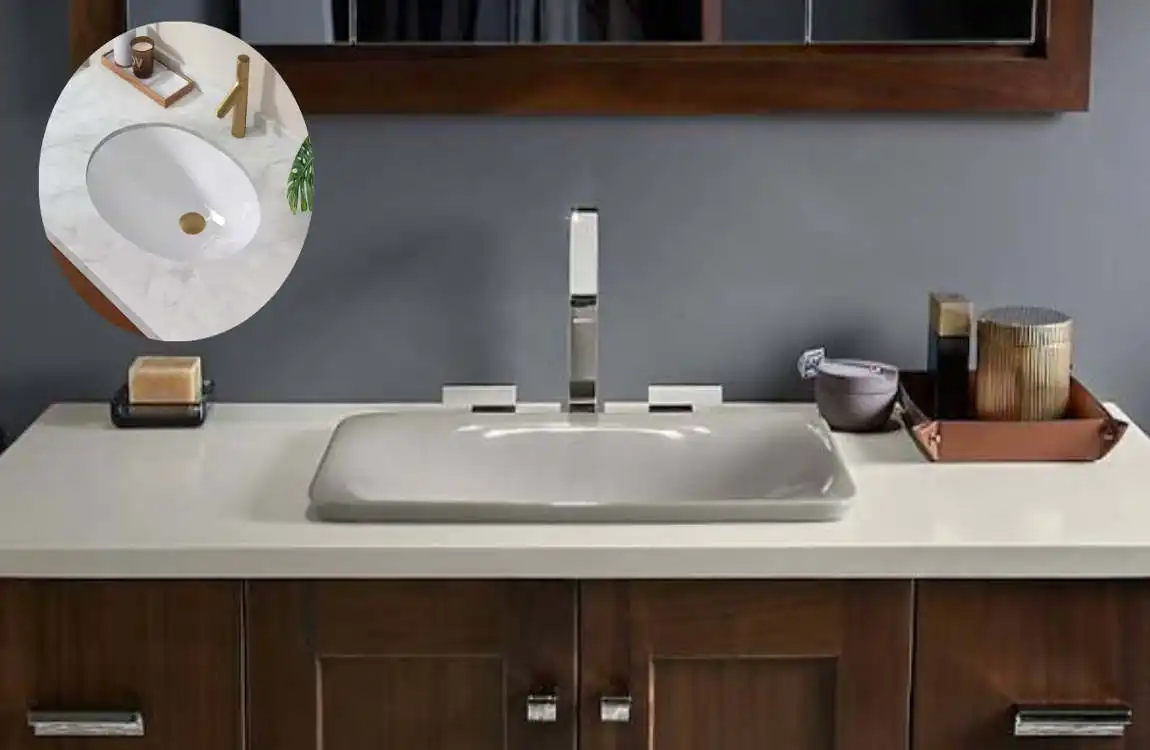
In simple terms, a lavatory is a plumbing fixture used for washing your hands and face. In most modern homes, it is what people commonly call a bathroom sink or washbasin.
A lavatory connects to the home’s water supply and drainage system. It has a faucet for fresh water, a drain for wastewater, and usually a P-trap that helps prevent sewer gases from entering the bathroom.
What Is a Lavatory in Plumbing?
Simple Definition of a Lavatory
So, what is a lavatory in plumbing?
A lavatory is a fixed plumbing fixture designed mainly for personal washing. It normally includes a basin, faucet, drain, and connections to both the water supply and drainage system.
You will commonly find lavatories in:
- Bathrooms
- Powder rooms
- Guest bathrooms
- Commercial restrooms
- Offices
- Hotels
- Schools
- Healthcare buildings
Although “lavatory” is sometimes used in everyday language to mean a toilet or restroom, in plumbing terminology it commonly refers to the wash basin or bathroom sink.
Lavatory, Sink, and Washbasin
The words lavatory, sink, and washbasin can describe similar fixtures, but their usage varies.
“Bathroom sink” is the term most homeowners use in everyday conversation. “Washbasin” is also common, particularly in some regions. “Lavatory” is more likely to appear in plumbing documents, construction plans, building codes, and professional specifications.
The actual fixture can look almost identical regardless of the name being used.
Why Is the Term “Lavatory” Used?
The word has a long history connected with washing. In modern plumbing, it provides a specific way to identify a hand-washing fixture.
This distinction can help plumbing professionals discuss different fixtures in a building. A toilet, kitchen sink, shower, bathtub, and lavatory each have different functions and plumbing requirements.
Main Parts of a Plumbing Lavatory
A lavatory may look simple, but several parts work together to provide clean water and remove wastewater.
Basin or Sink Bowl
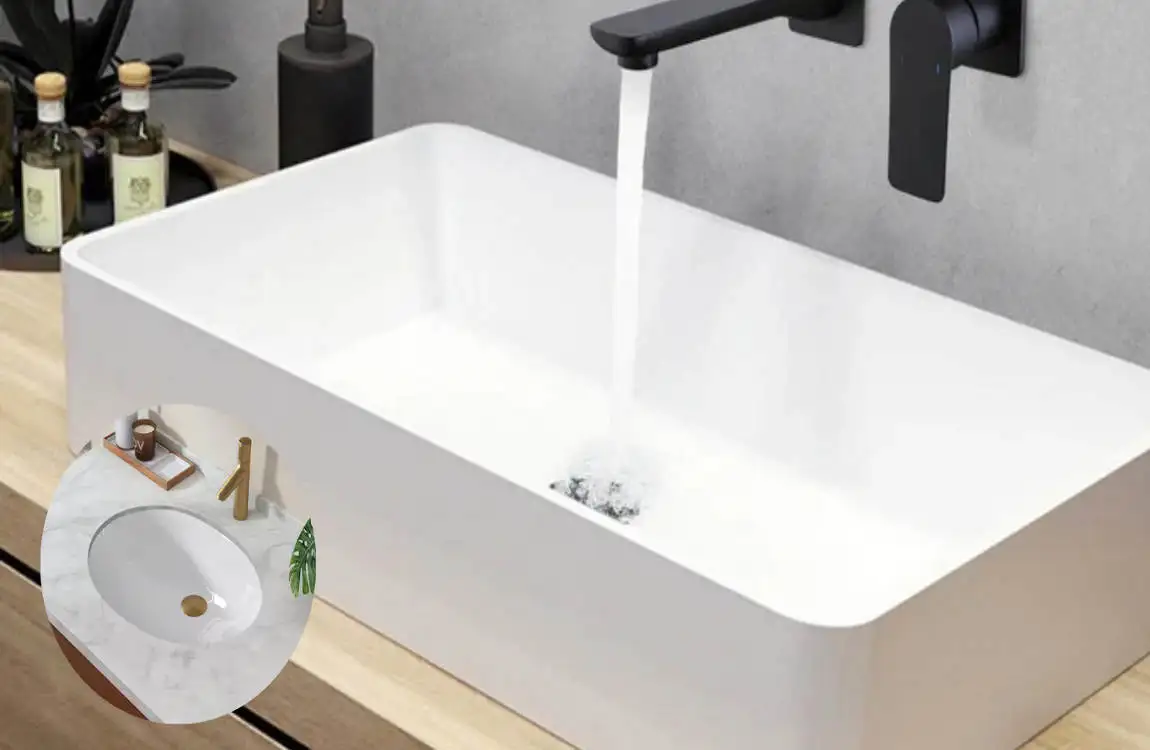
The basin is the lavatory’s main part. It holds water temporarily while you wash your hands, face, or other items.
Basins can be made from materials such as ceramic, porcelain, glass, stone, composite materials, stainless steel, and other manufactured products.
The shape and depth can vary depending on the design.
Faucet
The faucet controls the flow of fresh water into the basin.
Some faucets have separate hot and cold handles, while others use a single handle. Modern designs can also include touchless or sensor-operated controls.
The faucet connects to the home’s water supply through supply lines.
Drain and Stopper
The drain provides an opening for wastewater to leave the basin.
Many lavatories also have a stopper. You can close the stopper to fill the basin and open it to drain water.
If hair, soap residue, dirt, or other debris builds up around the drain, water may begin draining slowly.
P-Trap
The P-trap is one of the most important parts of lavatory plumbing.
It is the curved section of pipe located beneath the basin. It normally holds a small amount of water.
That water creates a barrier that helps stop unpleasant sewer gases from travelling through the drainpipe and entering the bathroom.
Water Supply Lines
Supply lines carry fresh water from the home’s plumbing system to the faucet.
Usually, hot and cold water have separate connections, although some modern fixtures use different arrangements.
These connections need to be tight and properly installed to prevent leaks.
Drainpipe and Overflow Opening
The drainpipe carries wastewater away from the lavatory.
Many bathroom basins also have an overflow opening. This opening helps prevent water from spilling over the top of the basin if the drain is closed and the faucet is accidentally left running.
Keeping this opening clean is part of good lavatory maintenance.
How Does a Lavatory Work?
A lavatory’s operation is fairly straightforward.
When you turn on the faucet, water travels through the supply lines and exits through the faucet opening.
The water enters the basin and is used for washing. When you remove the stopper or let the water drain, wastewater moves through the drain opening.
It then travels into the drainpipe and through the P-trap before continuing into the building’s drainage system.
The Role of the P-Trap
The P-trap performs an important protective function.
Because the curved pipe retains water, it creates a barrier between the bathroom and the drainage system.
Without a properly functioning trap, sewer gases could potentially move into the room through the drain.
The trap also gives plumbers a convenient access point to the drainage system if something gets stuck in the pipe.
Basic Water-Flow Process
The process can be summarised:
Water supply → Faucet → Basin → Drain → P-trap → Drainpipe → Building drainage system
This basic arrangement allows the lavatory to deliver clean water while safely removing wastewater.
Types of Lavatories in Plumbing
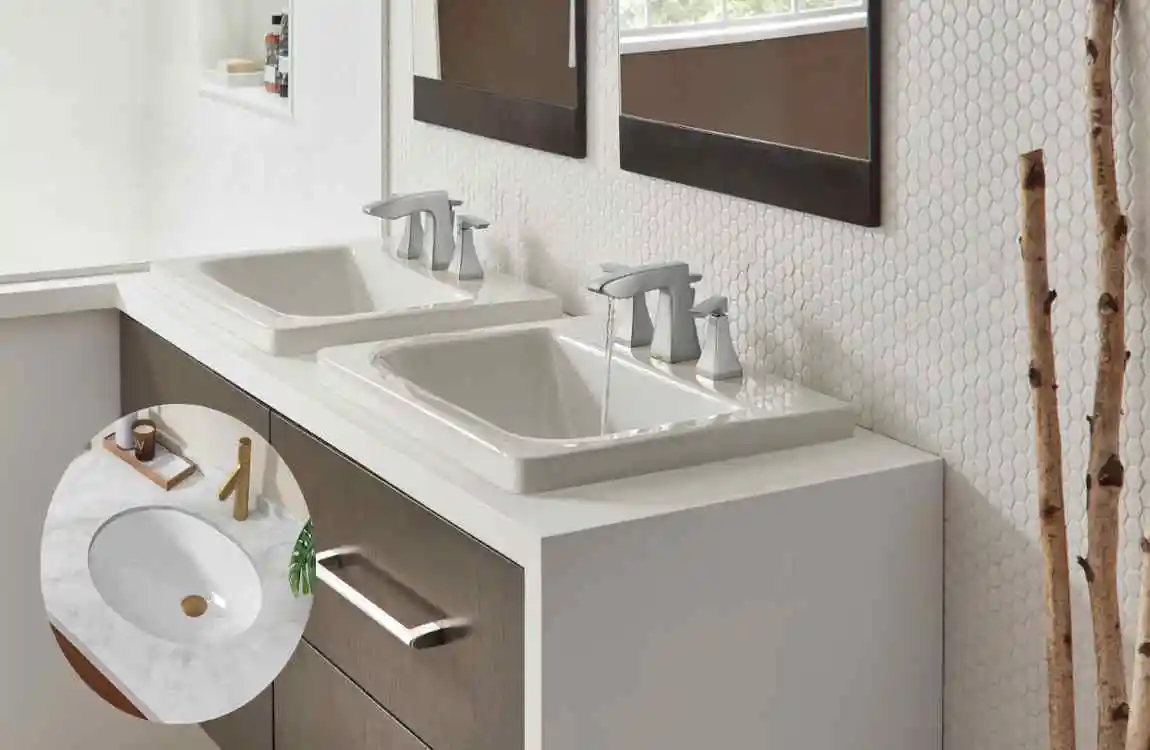
Lavatories come in many styles. The best choice depends on bathroom size, installation requirements, storage needs, and personal design preferences.
Wall-Mounted Lavatories
A wall-mounted lavatory attaches directly to the wall.
Because it doesn’t require a traditional cabinet underneath, it can create an open, spacious look.
This design can work particularly well in small bathrooms and powder rooms.
However, the wall structure and plumbing connections must support the installation.
Pedestal Lavatories
A pedestal lavatory consists of a basin supported by a pedestal.
The pedestal hides much of the plumbing underneath while maintaining a traditional appearance.
This style offers little storage, but it can be a practical choice when you want a clean, simple bathroom design.
Undermount and Drop-In Lavatories
An undermount sink installs below the countertop surface. This creates a smooth countertop edge around the basin.
A drop-in sink, on the other hand, sits within an opening in the countertop, with its rim visible above the surface.
Both styles are commonly used with bathroom countertops and vanity units.
Vessel Lavatories
A vessel lavatory sits above the countertop rather than being installed completely underneath it.
The bowl becomes a visible design feature and can provide a distinctive modern appearance.
Because the basin sits higher, consider the overall installation height carefully.
Console Lavatories
A console lavatory uses a basin supported by legs or a frame.
It can provide an open appearance while offering more support than some wall-mounted designs.
Console styles are available in both traditional and modern designs.
Bathroom Vanity Lavatories
A vanity lavatory combines the basin with a cabinet or countertop.
This is one of the most common choices for modern bathrooms because it provides both a washing area and storage space.
You can select a vanity based on bathroom size, storage requirements, countertop material, and overall style.
Lavatory vs Sink vs Toilet
Lavatory vs. Sink
The distinction between a lavatory and a sink is often mainly about terminology and location.
A lavatory usually refers specifically to a bathroom washing fixture.
The word “sink” is broader and can describe fixtures used in bathrooms, kitchens, utility rooms, laundry areas, and other locations.
For example, a kitchen sink is designed for food preparation and dishwashing. At the same time, a lavatory is primarily intended for personal washing.
Lavatory vs. Toilet
A lavatory and toilet are completely different plumbing fixtures.
A lavatory is used mainly for washing hands and face. A toilet is designed for disposing of human waste.
They also have different plumbing configurations and functions.
A lavatory normally uses a relatively small drain and a P-trap. A toilet uses a larger waste connection and its own trapway built into the fixture.
Regional Terminology
Plumbing terminology can vary from one country or region to another.
One person may say “bathroom sink,” another may say “washbasin,” and a plumbing specification may use “lavatory.”
When working with a plumber or contractor, describe the fixture clearly rather than relying on terminology alone.
Common Lavatory Plumbing Problems
Like any plumbing fixture, a lavatory can develop problems over time.
Slow or Clogged Drains
A slow drain is one of the most common lavatory problems.
Hair, soap, toothpaste residue, dirt, and other debris can collect inside the drain.
If water drains more slowly than usual, cleaning the stopper and accessible drain area may solve the problem.
Persistent blockages may require professional drain cleaning.
Leaking Faucets
A dripping faucet can waste water and become increasingly annoying.
A worn internal component, damaged seal, loose connection, or other plumbing issue may be the cause.
If tightening a connection does not solve the problem, the faucet may need repair or replacement.
Leaking P-Traps
Water beneath the bathroom sink often signals a leaking connection or a damaged P-trap.
Because the P-trap sits beneath the basin, leaks are often easy to notice.
Check the area periodically for moisture, but address significant leaks promptly to prevent damage to the cabinet, flooring, or walls.
Low Water Pressure
Low water pressure at the lavatory faucet can result from several causes.
The faucet aerator may be clogged with mineral deposits or debris. The supply connection or the home’s broader plumbing system may also be the issue.
Cleaning the aerator is a simple first step. If low pressure affects several fixtures, the problem may require further investigation.
Drain Odors
An unpleasant drain smell may indicate buildup, drainage problems, or a trap issue.
Keeping the basin and drain clean can help prevent odours.
If the smell continues or you notice other drainage problems, a plumber can inspect the system.
Overflow Problems
Keep the overflow opening clear so it can perform its intended function.
Soap, dirt, and mineral deposits can build up inside the opening.
Regular cleaning helps maintain proper water movement through the overflow passage.
Lavatory Installation, Maintenance

Basic Lavatory Installation Considerations
Installing a lavatory involves more than attaching a basin to a countertop or wall.
Position the fixture at a suitable height and location. The faucet needs reliable water supply connections, while the basin requires a properly installed drain and trap.
Also check the plumbing for leaks after installation.
Important considerations include:
- Correct fixture location and height
- Suitable water supply connections
- Proper drain alignment
- Correct P-trap installation
- Secure faucet connections
- Adequate support
- Leak testing
A professional plumber can ensure the installation follows applicable local requirements.
Simple Maintenance Tips
Good maintenance can help prevent small problems from becoming expensive repairs.
Clean the basin regularly and remove visible debris from the drain.
Occasionally check underneath the fixture for moisture or signs of leaking.
Avoid sending materials that can clog the drain down the basin.
Keep the overflow opening clean so it remains functional.
If a drain repeatedly clogs or a leak continues after a basic repair, you may need a professional inspection.
FAQ About Lavatory Plumbing
What is a lavatory in plumbing?
A lavatory is a plumbing fixture used mainly for washing hands and face. In everyday language, it is commonly called a bathroom sink or washbasin.
Is a lavatory the same as a bathroom sink?
Generally, yes. In plumbing terminology, a lavatory commonly refers to a bathroom sink used for personal washing.
What is the difference between a lavatory and a toilet?
A lavatory is designed for washing, while a toilet is designed for disposing of human waste. They have different fixture designs, drainage arrangements, and plumbing connections.
What are the main parts of a lavatory?
The main parts include the basin, faucet, drain, stopper, P-trap, water supply lines, drainpipe, and overflow opening.
What does a P-trap do in a lavatory?
A P-trap holds water in its curved section. This water helps create a barrier that reduces the movement of sewer gases into the bathroom.
Can a lavatory drain become clogged?
Yes. Hair, soap residue, dirt, mineral buildup, and other debris can restrict the drain. Regular cleaning can help reduce the chance of serious blockages.
How often should lavatory plumbing be maintained?
No single schedule fits every home. A good approach is to inspect the fixture regularly, clean the drain and overflow, and address leaks or slow drainage as soon as they appear.
| Aspect | Information |
|---|---|
| Definition | A lavatory is a plumbing fixture used mainly for washing hands and face. |
| Common Name | Bathroom sink or washbasin |
| Main Purpose | Handwashing, face washing, and other basic hygiene tasks |
| Common Materials | Ceramic, porcelain, stainless steel, glass, and stone |
| Key Parts | Basin, faucet, drain, overflow, and P-trap |
| Water Supply | Usually connected to hot and cold water supply lines |
| Drainage | Wastewater flows through the drain and P-trap into the drainage system |
| Common Types | Wall-mounted, pedestal, countertop, undermount, and vessel lavatories |
| Typical Location | Bathrooms, powder rooms, public restrooms, and commercial buildings |
