

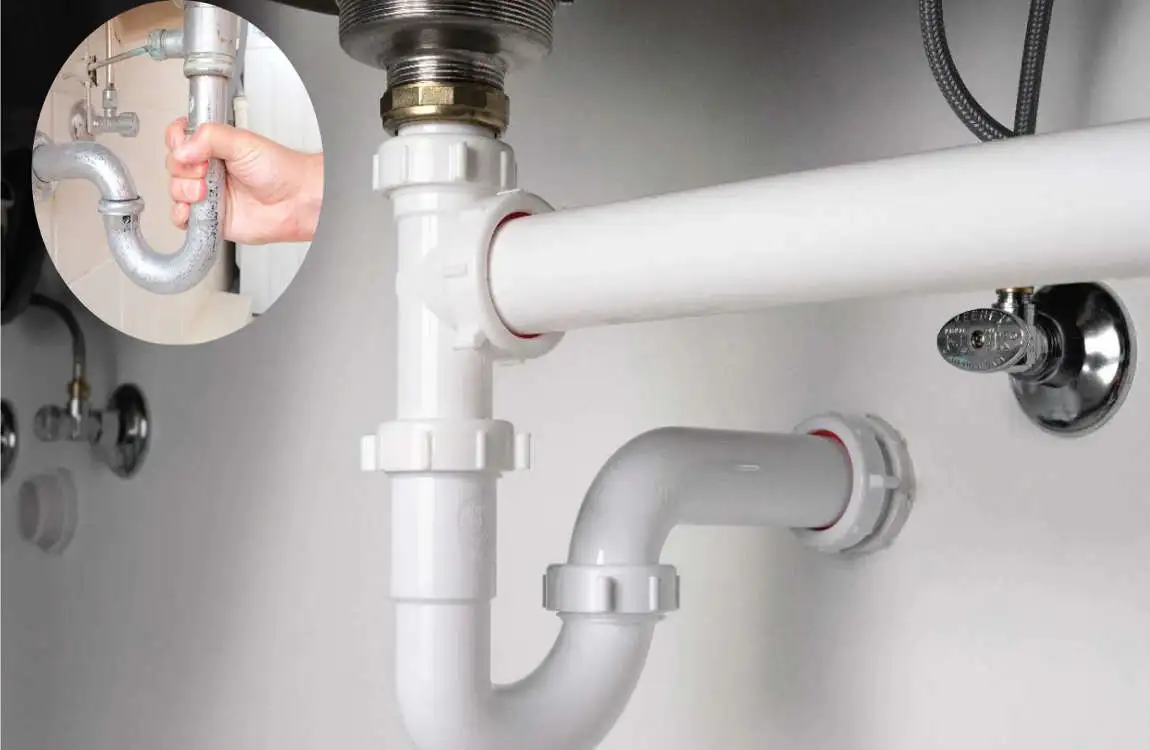
If you have ever looked underneath a kitchen or bathroom sink, you have probably noticed a curved section of pipe. This small but important part is called a P-trap. It may look simple, but it plays an important role in keeping your plumbing system working properly.
If you are wondering what a P-trap in plumbing costs, the answer depends on the trap type, material, labor, accessibility, and the condition of the surrounding plumbing. A basic replacement can be relatively simple, while a difficult repair may cost more if it requires additional plumbing work.
What Is a P-Trap in Plumbing?
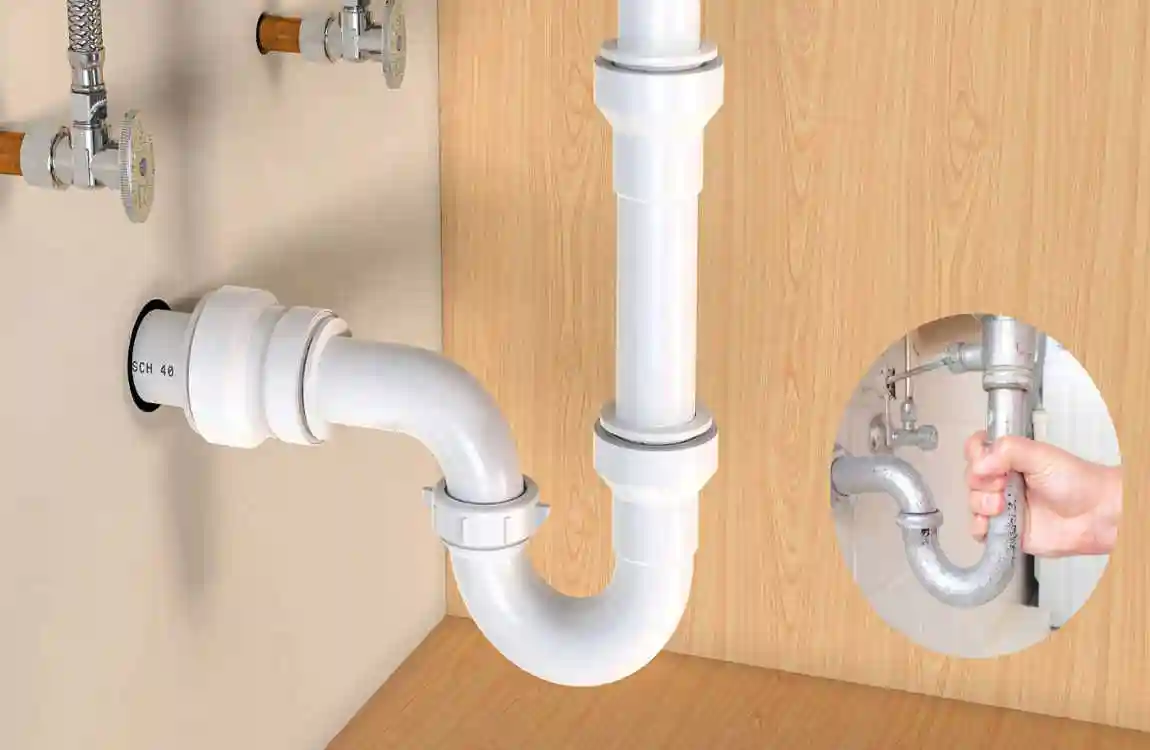
A P-trap is a curved section of plumbing pipe installed beneath a sink or other plumbing fixture. Its curved shape lets a small amount of water remain in the pipe after the fixture drains.
This standing water creates a barrier between your home and the drainage system.
You commonly find the P-trap under kitchen sinks, bathroom sinks, laundry sinks, and other fixtures connected to a drainage system.
Why Is a P-Trap Installed?
The main purpose of a P-trap is to block sewer gases from entering your home.
Wastewater pipes can contain unpleasant gases. Without a properly functioning trap, these gases could potentially travel through the drain opening and enter your living space.
The water sitting inside the curved pipe acts as a simple barrier.
Where Is the P-Trap Located?
Look underneath your sink, and you will usually see a pipe that curves downward, then rises slightly before connecting to the drain line.
That curved section is the trap.
The P-trap connects the fixture drain to the home’s larger drainage system. Its exact design can vary depending on the plumbing layout and pipe material.
Why Is It Called a P-Trap?
The trap is commonly called a P-trap because its shape resembles the letter “P” when viewed from the side.
Older plumbing systems may use other trap designs. Still, the P-trap has become a common choice for modern plumbing installations.
How Does a P-Trap Work?
A P-trap works through a simple process. Water flows through the pipe, but some water remains inside the curved section.
That small amount of water is important because it forms a barrier against sewer gases.
How Water Stays in the Trap
When you turn on the sink, water flows through the drain and enters the P-trap.
Some of the water remains in the lower curved section. The rest flows through the drainpipe.
After you turn off the faucet, the water remaining in the trap continues to provide a protective seal.
How It Prevents Sewer Gases
The standing water inside the P-trap creates a barrier that helps stop gases from traveling backward through the drainage system.
This is why a properly installed and maintained trap matters.
If the trap becomes empty, damaged, or incorrectly installed, the water seal may not work as intended.
How Wastewater Flows Through the Pipe
The process is straightforward:
- Water enters the sink drain.
- It travels through the drain pipe.
- The water passes through the P-trap.
- Most wastewater continues into the main drain line.
- A small amount of water remains inside the trap.
The design allows the sink to drain while keeping a water seal in place.
What Happens When a P-Trap Dries Out?
A P-trap can sometimes dry out when a fixture is rarely used.
For example, a guest bathroom or unused utility sink may go weeks without water. Over time, the water in the trap can evaporate.
When this happens, the protective water barrier can disappear, allowing unpleasant drain odors to enter the room.
Running water through an infrequently used fixture periodically can help maintain the water seal.
Types of P-Traps
P-traps come in several materials and designs. The right option depends on the plumbing system, location, durability requirements, and budget.
PVC P-Traps
PVC P-traps are widely used in residential plumbing. PVC is lightweight, easy to work with, and resistant to many common forms of corrosion.
It is also generally more affordable than decorative metal options.
PVC can be a practical choice for many under-sink applications, especially when affordability and easy maintenance matter more than appearance.
Chrome or Metal P-Traps
Metal P-traps are often selected when the plumbing is visible underneath a sink.
Chrome finishes can provide a clean, polished look, especially in bathrooms.
Metal traps can be durable, but some types may eventually develop corrosion depending on the material and environmental conditions.
ABS P-Traps
ABS is another plastic plumbing material used in drainage systems.
ABS P-traps are lightweight and designed for drainage applications. They can be useful where ABS drainage piping is already part of the plumbing system.
The key is to select a trap compatible with the existing plumbing system.
Adjustable P-Traps
Adjustable P-traps provide extra flexibility when the drain and wall connection don’t line up perfectly.
Their design can make installation easier in certain situations.
However, you still need to install adjustable components correctly. Extra flexibility does not eliminate the need for proper alignment and secure connections.
P-Trap Plumbing Cost Guide
P-trap project costs can vary considerably.
If you are researching P-trap costs, remember that the trap itself is only one part of the total expense.
A plumber may charge separately for labor, service calls, difficult access, additional parts, or repairs discovered during the work.
Typical Cost Factors
The total price can depend on:
- Type and material of the P-trap
- Local plumber rates
- Whether the job is a repair or new installation
- Accessibility underneath the fixture
- Condition of existing pipes
- Required fittings and connectors
- Emergency or after-hours service
- Additional leaks or blockages
Material Cost vs. Labor Cost
The physical P-trap is often not the most expensive part of the job.
Labor can make up a significant portion of the total cost because plumbers charge for their time, tools, travel, and expertise.
If the trap is easy to reach underneath a sink, replacement may be relatively straightforward.
If pipes are hidden behind cabinets, walls, flooring, or other structures, the work can become more complicated.
Installation vs. Replacement
Installing a P-trap during a larger plumbing project differs from replacing a damaged trap.
During a new installation, the plumber may already be working on the drainage system.
A replacement job may involve removing old connections, cleaning fittings, correcting alignment, and checking for leaks.
Emergency P-Trap Repairs
A leaking trap can become urgent, especially when water reaches cabinets, flooring, or other parts of the home.
Emergency plumbing services may cost more because of after-hours labor or special service charges.
For this reason, addressing a small leak early can help prevent a more expensive repair later.
Signs Your P-Trap Needs Repair or Replacement
A P-trap can develop problems over time. Knowing the warning signs can help you address the issue before it causes additional damage.
Bad Sewer Smell
A strong unpleasant odor coming from the drain can indicate a problem with the trap or another part of the drainage system.
A dry trap is one possible cause, especially in a rarely used sink.
If adding water doesn’t resolve the odor, you may need to investigate another plumbing issue.
Slow or Clogged Drain
A P-trap can collect hair, grease, food particles, soap residue, and other debris.
Over time, this buildup may restrict water flow.
A slow drain does not always mean the P-trap needs replacement. In some cases, cleaning the trap may solve the problem.
Water Leaks Under the Sink
Water under a sink is one of the clearest signs to inspect your plumbing.
A loose connection, worn washer, cracked trap, or damaged fitting can cause leakage.
Don’t ignore even a small leak, because repeated moisture can damage cabinets and flooring.
Cracked or Corroded Pipe
Plastic traps can crack, while some metal traps can corrode.
If the trap has visible damage, replacement is often more practical than attempting a temporary repair.
Unusual Plumbing Noises
Gurgling or unusual draining sounds can sometimes indicate a drainage or venting problem.
The P-trap may not always be the cause, so investigate unusual noises that continue throughout the wider plumbing system.
P-Trap Maintenance and Replacement Tips
Regular maintenance can help your plumbing system work smoothly and may reduce the chance of unexpected repairs.
Keep the P-Trap Clean
Kitchen sinks can send grease, food particles, and other debris into the drain.
Bathroom sinks commonly collect hair and soap residue.
Keeping the drain clean and avoiding inappropriate materials can reduce buildup.
Check for Leaks
Every few months, look underneath your sink.
Check the P-trap and nearby connections for:
- Drops of water
- Dampness
- Corrosion
- Cracks
- Loose connections
- Water stains inside the cabinet
Finding a leak early can help prevent more extensive water damage.
Use Safe Cleaning Methods
For a minor blockage, simple cleaning may be enough.
If the trap is removable and you are comfortable working with plumbing connections, you can sometimes clean it manually.
Avoid aggressive chemicals unless you know they suit your plumbing materials. Some drain-cleaning products can cause additional problems if used incorrectly.
Choose the Correct Trap Size
P-traps are available in different sizes and configurations.
Using the wrong size can cause connection problems, poor drainage, or an installation that doesn’t meet applicable plumbing requirements.
Always match the replacement component to the existing plumbing and fixture requirements.
Avoid Common Installation Mistakes
A common mistake is installing the trap incorrectly or forcing connections that don’t align.
Another is not securing connections properly.
Poor installation can lead to leaks, odors, or drainage problems.
If you are unsure about the plumbing configuration, getting professional assistance can prevent unnecessary damage.
P-Trap Cost vs. Other Plumbing Repairs
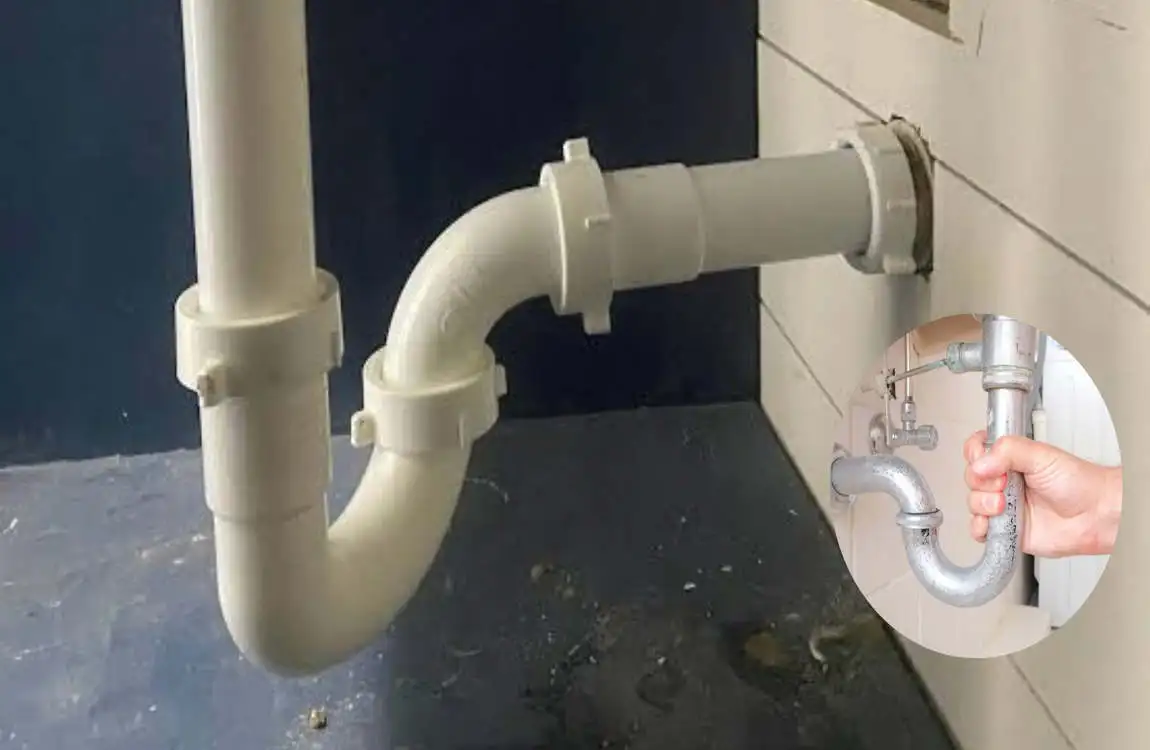
A P-trap replacement is often smaller than many major plumbing repairs. Still, the final cost depends on what the plumber finds.
P-Trap Repair vs. Drain Cleaning
Drain cleaning focuses on removing blockages from the drainage system.
A P-trap replacement, by contrast, involves removing and installing a plumbing component.
If the trap is clogged, cleaning may be enough. If it is cracked or badly corroded, replacement may make more sense.
P-Trap Replacement vs. Drain-Pipe Repair
Replacing a P-trap is usually a localized repair.
A damaged drain pipe can require much more work, particularly if the pipe is inside a wall or beneath a floor.
That is why it helps to identify the source of a plumbing problem before replacing components unnecessarily.
Material and Labor Considerations
The price of the physical trap may be relatively small compared with the labor required to install it.
A simple under-sink replacement may take less work than a difficult installation with limited access.
The best way to understand your actual cost is to ask for a clear estimate that separates materials, labor, and any additional work.
How Regular Maintenance Can Reduce Costs
Routine inspection is one of the simplest ways to protect your plumbing budget.
Fixing a small leak early can prevent moisture damage to cabinets, flooring, and nearby building materials.
Likewise, keeping drains reasonably clean can reduce the likelihood of serious blockages.
Choosing a Plumber
When hiring a plumber, ask what the quoted price includes.
A useful estimate should clearly state whether it covers the replacement part, labor, service charges, and cleanup.
If the plumber discovers additional damage, ask them to explain the problem and the proposed repair before approving extra work.
Frequently Asked Questions
What is a P-trap in plumbing?
A P-trap is a curved pipe installed below a plumbing fixture. It holds a small amount of water that helps block sewer gases.
What is the average P-trap replacement cost?
No single price applies everywhere. The total cost depends on the trap material, labor rates, accessibility, location, and whether additional plumbing repairs are required.
How much does a plumber charge to replace a P-trap?
A plumber’s charge can include the replacement part, labor, service-call fees, and other necessary work. Local rates and job difficulty can make prices vary significantly.
Can I replace a P-trap myself?
A homeowner can sometimes replace a basic under-sink P-trap with suitable tools and basic plumbing knowledge. However, complicated installations or hidden leaks may require professional help.
How long does a P-trap last?
The lifespan depends on the material, water conditions, installation quality, and use. Plastic traps can last many years, while metal traps may eventually develop corrosion.
Why does my P-trap smell?
A bad smell can occur when the water seal dries out or when the trap contains buildup. If the smell continues after running water, another drainage or venting problem may be involved.
How do I know if my P-trap is leaking?
Look for water drops, dampness, corrosion, cracks, or water stains underneath the sink. Run water through the fixture while observing the connections to identify an active leak.
Are PVC P-traps cheaper than metal P-traps?
PVC P-traps are often less expensive than decorative or specialty metal traps. However, prices vary by size, brand, design, and location.
How often should a P-trap be cleaned?
There is no universal cleaning schedule. Inspect the trap regularly and clean it when you notice slow drainage, buildup, or recurring blockages.
When should I call a professional plumber?
Call a professional if you have a persistent leak, recurring blockage, sewer odor that won’t go away, damaged pipes, or a plumbing problem you can’t safely identify.
| Feature | Information |
|---|---|
| What Is a P-Trap? | A curved plumbing pipe installed under a sink or fixture |
| Main Purpose | Blocks sewer gases from entering the home |
| Where Used | Sinks, bathroom basins, showers, and other fixtures |
| Common Materials | PVC, ABS, chrome, and stainless steel |
| Typical Cost | About $10–$50 for the trap; installation may cost extra |
| Installation Cost | Often around $100–$300, depending on the job |
| Common Problems | Clogs, leaks, corrosion, and loose connections |
| Maintenance | Clean periodically and check for leaks |
| Why It Matters | Helps keep plumbing systems sanitary and prevents unpleasant odors |
