

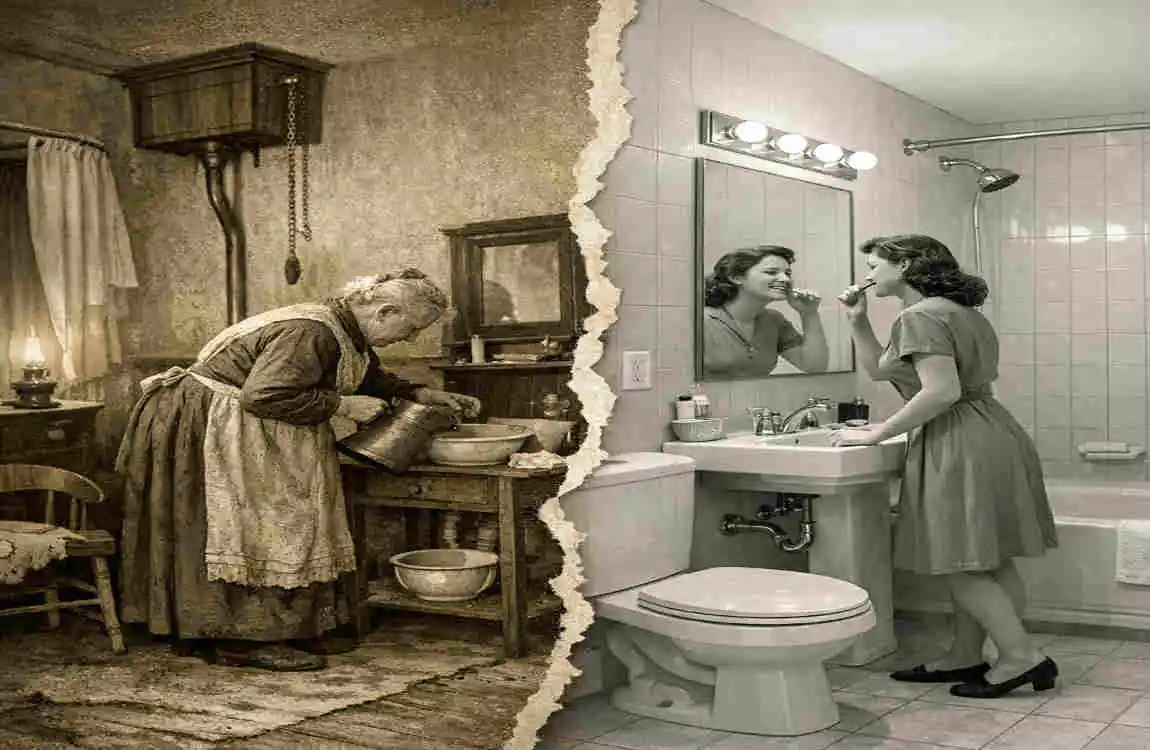
Indoor plumbing means a home has running water, sinks, toilets, drains, and other fixtures inside the building. Instead of walking to a well, pump, or outdoor toilet, people can use water and sanitation systems right in the house.
If you are wondering when indoor plumbing became the norm, the short answer is that it developed slowly over time. It became much more common in the late 19th and early 20th centuries and a true modern home standard during the 20th century.
What Is Indoor Plumbing?
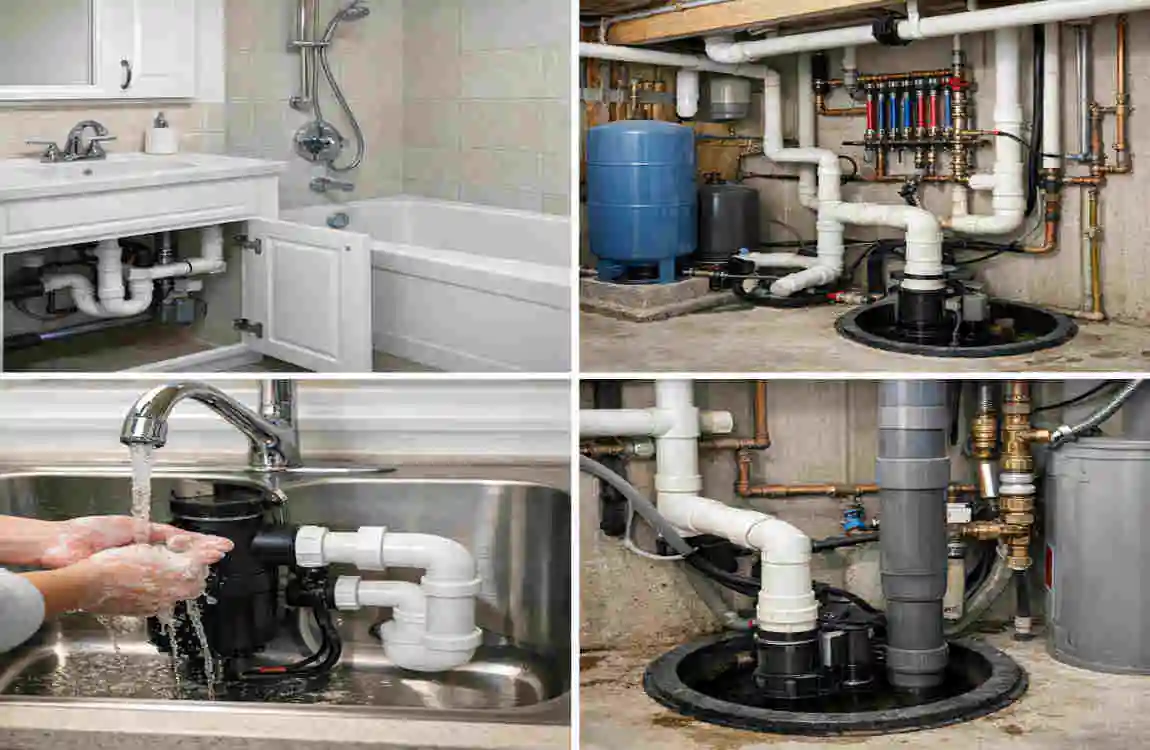
Definition of Indoor Plumbing
Indoor plumbing is the system that brings water into a home and carries wastewater out. It includes pipes, drains, sinks, toilets, showers, bathtubs, and water heaters.
In simple words, it is the setup that lets you use water safely and conveniently inside the house.
Indoor Plumbing vs. Outdoor Wells and Privies
Before indoor plumbing, most homes used wells, hand pumps, outhouses, or outdoor privies. Water had to be carried in buckets, and waste had to be handled outside the living space.
Indoor plumbing changed all of that. It brought water and sanitation into the home, which made life much easier and healthier.
Why Indoor Plumbing Matters
Indoor plumbing matters because it improves everyday living in several ways:
- Convenience
- Better hygiene
- Safer waste removal
- Cleaner kitchens and bathrooms
It also helps reduce the spread of illness by controlling waste and dirty water.
When Did Indoor Plumbing First Appear?
Early Plumbing Systems
Plumbing is not new. Ancient civilizations built water channels, drainage systems, and sewers long before modern homes existed.
The Romans, for example, used aqueducts and public bath systems. These were advanced for their time, but they were very different from the plumbing found in today’s houses.
Plumbing in Medieval and Early Modern Homes
During medieval times, indoor plumbing was rare. Most people still depended on wells, shared water sources, chamber pots, and outdoor waste systems.
For many households, plumbing was not practical or affordable.
Indoor Plumbing in the 18th and 19th Centuries
Things began to change in the 1700s and 1800s. Improved pipes, pumps, and water systems gradually made it possible to bring water closer to homes.
Wealthy families often got plumbing first. Ordinary households usually had to wait because the systems were expensive and cities were still building the needed infrastructure.
When Did Indoor Plumbing Become Common in Homes?
The Rise of Indoor Plumbing in the Late 1800s
By the late 19th century, cities were growing fast. That growth pushed governments and builders to improve water supply and sanitation.
Indoor toilets and running water became more common in urban homes. This was an important turning point.
Early 1900s: Plumbing Becomes More Accessible
In the early 20th century, plumbing became more common as technology improved and costs fell. Pipes, fixtures, and water systems became easier to produce and install.
This helped more homes get sinks, toilets, and indoor bathing facilities.
Mid-20th Century: A Modern Home Standard
By the mid-1900s, indoor plumbing was no longer a luxury in many places. It was expected in most new homes and became part of the idea of a modern house.
At this stage, homes usually included bathrooms, kitchens with sinks, hot water systems, and proper drainage.
How Indoor Plumbing Changed the Modern Home
The Development of the Indoor Bathroom
One of the biggest changes was the move from outdoor toilets to indoor bathrooms. This gave families much more comfort and privacy.
A modern bathroom usually includes a toilet, sink, shower, or bathtub. That setup is now something most people take for granted.
Running Water in the Kitchen
Indoor plumbing also changed kitchens. With a sink and a reliable water supply, washing dishes, preparing food, and cleaning became far easier.
This made the kitchen a more efficient and practical space.
Hot Water Systems
Hot water was another major step forward. Water heaters made bathing, cooking, and cleaning much more comfortable.
Today, hot water is seen as a basic part of home life, but it was once a major improvement.
Improved Drainage and Sewage Systems
Plumbing is not just about bringing water in. It is also about safely sending wastewater out
Modern homes use drains, vent pipes, and sewer connections to move waste away from the living space. This supports better sanitation and reduces health risks.
Why Did Indoor Plumbing Take So Long to Become Standard?
Cost and Construction Challenges
Early plumbing systems were expensive. They required materials, labor, and special building work.
Older homes were also hard to update. Adding plumbing to an existing house was often difficult and costly.
Limited Municipal Infrastructure
Many towns and rural areas lacked public water or sewer systems. Without that infrastructure, indoor plumbing was much harder to install.
That is one reason city homes often got plumbing before rural homes did.
Plumbing Technology Was Still Developing
Pipes, valves, toilets, and water heaters all improved over time. As these products became more reliable, plumbing became easier to install and maintain.
Public Health Concerns
People also began to understand that poor sanitation spreads disease. That pushed cities and governments to improve water supply and sewage systems.
Cleaner water and better waste removal became public health priorities.
Indoor Plumbing in Older Homes
How to Tell If an Older Home Has Original Plumbing
If you live in an older house, you can often spot signs of the original plumbing by looking at:
- Pipe materials
- Bathroom layout
- Kitchen fixtures
- Visible supply lines
Some old homes have modern plumbing added later, while others still keep parts of the original system.
Common Plumbing Materials in Historic Homes
Older homes may have used:
- Galvanized steel
- Cast iron
- Copper
- Clay drainage pipes
These materials were common in their time, but some can wear out or corrode over the years.
Problems With Aging Plumbing
Old plumbing can cause problems like leaks, low water pressure, clogged drains, and rust.
Fixtures may also be outdated and less efficient than modern ones.
Should Old Plumbing Be Replaced?
Not always. Sometimes a repair is enough. In other cases, partial or full replacement makes more sense.
If a home has frequent leaks or very old pipes, a professional inspection is a smart idea.
How Modern Home Plumbing Works
Fresh Water Supply
Water enters a home through a main supply line. A main shutoff valve lets you stop the water if there is a leak or repair issue.
From there, water moves through smaller pipes to different fixtures.
Fixtures and Appliances
Modern homes usually have several plumbing-connected features, such as:
- Toilets
- Sinks
- Showers
- Washing machines
- Dishwashers
- Water heaters
These make daily tasks much easier and faster.
Drain-Waste-Vent System
A home also needs a system to remove waste water. Drainpipes carry water away, traps help block sewer gases, and vent pipes keep the system working properly.
This system is a big part of why indoor plumbing works safely.
Water Heating
Some homes use tank water heaters, while others use tankless systems. Both provide hot water, but they work in different ways.
Hot water distribution is now a normal part of home comfort.
Indoor Plumbing and Home Standards Today
Plumbing Codes and Regulations
Today, plumbing is installed in accordance with local building and plumbing codes. These rules help protect water quality, safety, and drainage performance.
They also make sure homes meet basic modern standards.
Indoor Plumbing in New Construction
In new homes, indoor plumbing is no longer optional. Bathrooms, kitchens, and laundry areas are built with plumbing in mind from the start.
This is now part of what defines a modern home.
Rural Homes Without Municipal Sewers
Not every modern home connects to a city sewer. Some use private wells and septic systems instead.
That still counts as indoor plumbing as long as the home has a working indoor water supply and waste systems.
Benefits of Modern Indoor Plumbing

Indoor plumbing changed daily life in many important ways:
- Access to clean water
- Better sanitation
- Easier cooking and cleaning
- More comfortable bathrooms
- Improved laundry routines
- Better household hygiene
- Higher home value
- Greater convenience overall
These benefits explain why plumbing became such an important home standard.
Frequently Asked Questions
When did indoor plumbing become common in homes?
It became increasingly common in the late 19th and early 20th centuries and became a standard feature in the 20th century.
When did most homes get indoor plumbing?
The timing varied by region, income, and whether the home was urban or rural. Cities usually got it earlier than rural areas.
When did houses start having indoor toilets?
Indoor toilets spread gradually in the late 19th and early 20th centuries.
Did old houses have indoor plumbing?
Some did, but many older homes originally used wells, outdoor toilets, or basic waste systems, with plumbing added later.
When did running water become common in houses?
Running water became more common as municipal water systems expanded during the 20th century.
When did indoor bathrooms become standard?
Indoor bathrooms became standard as plumbing systems, fixtures, and sanitation improved.
Why did indoor plumbing become important?
It improved convenience, sanitation, cleanliness, and public health.
Do all modern homes need indoor plumbing?
Modern homes generally need working plumbing, though they may use either municipal systems or private wells and septic systems.
| Period | Indoor Plumbing Development |
|---|---|
| Before 1800 | Most homes relied on wells, outdoor toilets, and chamber pots. |
| 1800s | Indoor water systems began appearing in wealthier homes and cities. |
| Late 1800s | Public water supplies and sewer systems expanded, making indoor plumbing more practical. |
| Early 1900s | Indoor toilets, sinks, and running water became increasingly common in middle-class homes. |
| 1920s–1940s | Indoor plumbing became a standard feature in many newly built American homes. |
| After World War II | Modern plumbing became widely expected in residential construction. |
| Today | Running water, toilets, drainage, and sewer connections are considered basic home necessities in most developed areas. |
