

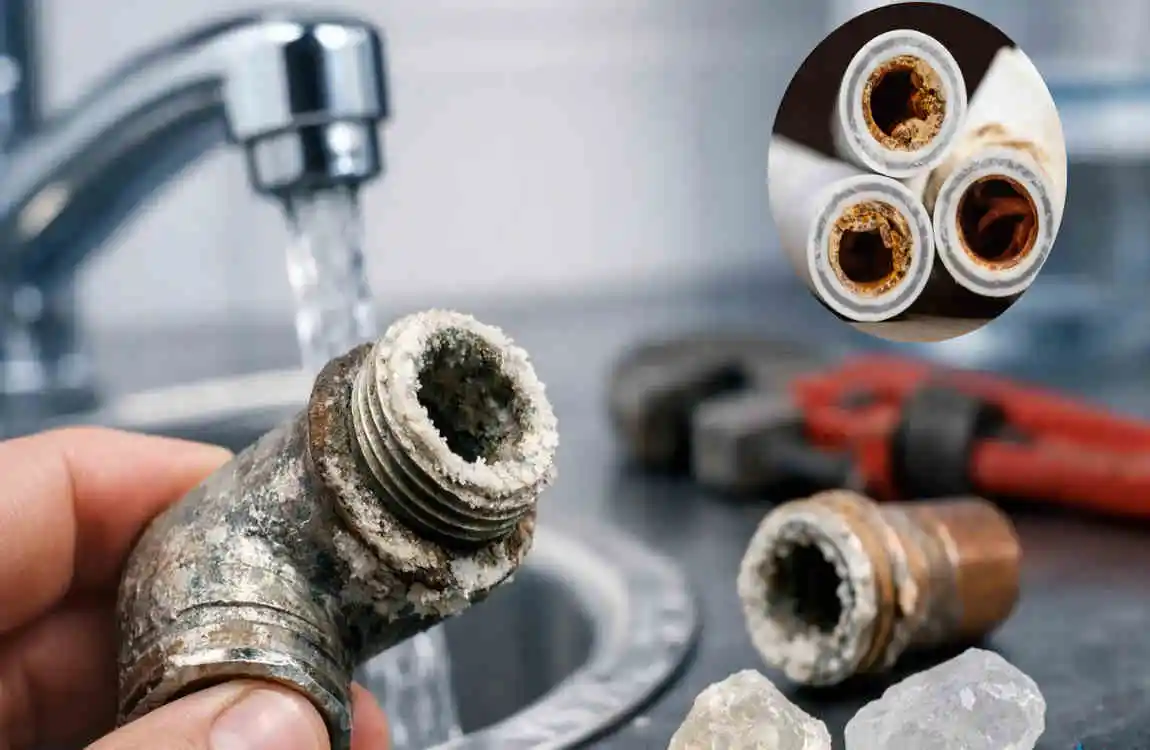
Hard water is a common household problem caused mainly by minerals such as calcium and magnesium. Over time, these minerals can leave white deposits on faucets, create soap scum, reduce water flow, and contribute to scale inside appliances and plumbing fixtures.
The good news is that you usually do not need to replace your plumbing to deal with hard water. The easiest way to fix hard water without replacing plumbing is to treat the water with a whole-house water softener or scale-control system and to regularly clean and descale existing fixtures.
What Is Hard Water?
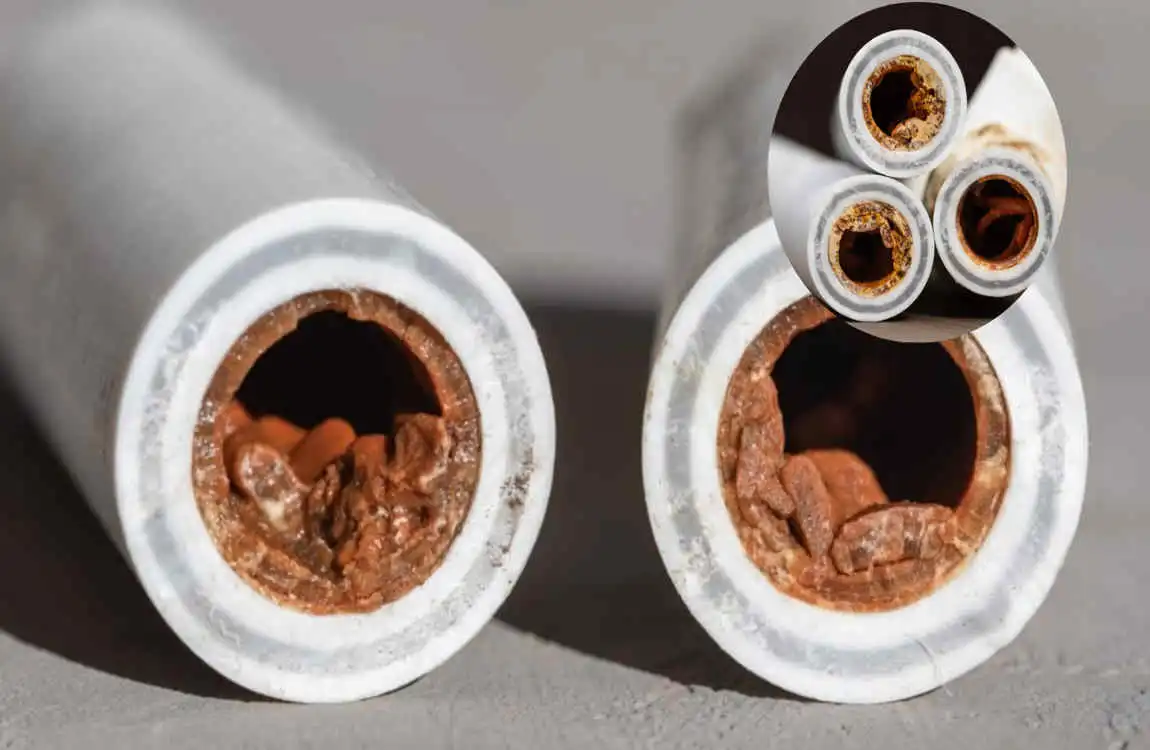
Hard water contains higher levels of naturally occurring minerals. These minerals are not necessarily a sign that your pipes are old or damaged.
Understanding Calcium and Magnesium
Calcium and magnesium enter groundwater as water moves through soil and rocks. When this water reaches your home, the minerals can remain dissolved.
The problem begins when some of these minerals settle on surfaces or form mineral scale.
How Hard Water Affects Your Home
Common signs of hard water include:
- White or chalky deposits around faucets
- Spots on glasses and dishes
- Soap scum in sinks and showers
- Dry-feeling skin and hair
- Scale around showerheads
- Reduced water flow from clogged aerators
- Mineral buildup inside water-using appliances
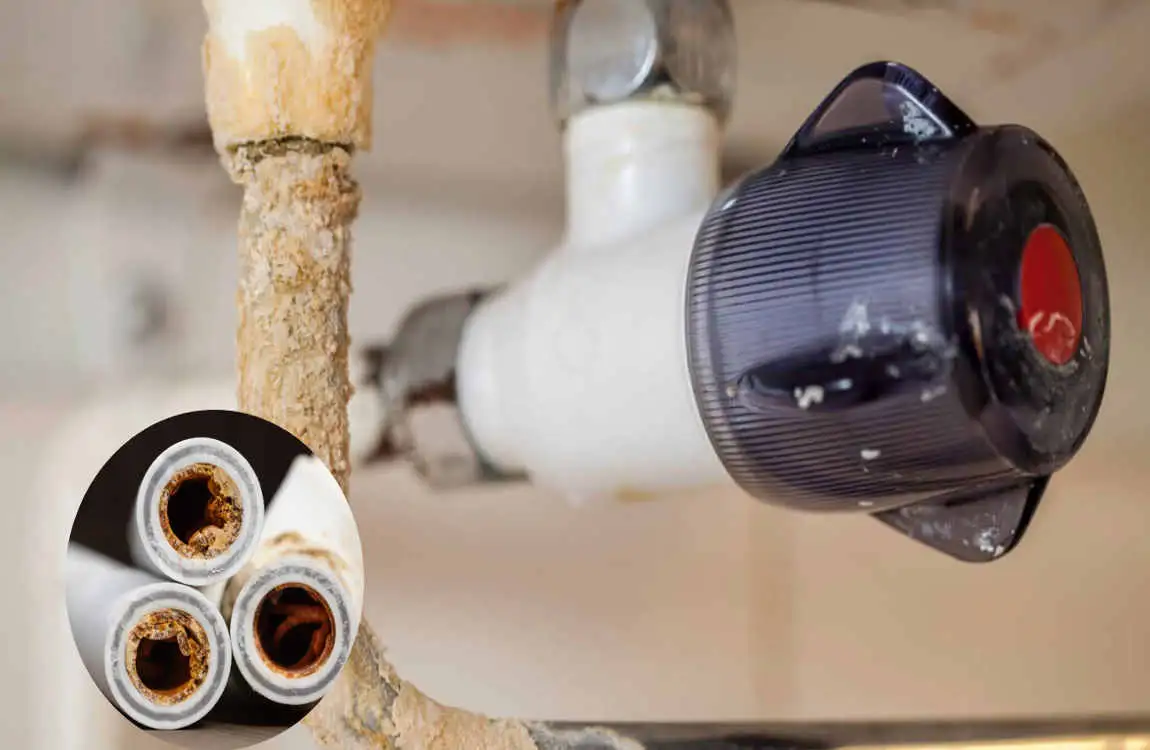
Over time, heavy buildup can make fixtures less efficient and may contribute to restricted water flow.
Is Hard Water Dangerous for Plumbing?
Hard water does not automatically mean your plumbing needs replacement. In many homes, the main issue is mineral buildup rather than pipe failure.
If scale becomes severe, however, it can restrict passages and affect water flow. That is why treating the water and maintaining the fixtures early are smart approaches.
How to Fix Hard Water Without Replacing Plumbing
There are several ways to manage hard water while keeping your existing pipes.
Install a Whole-House Water Softener
A water softener is one of the most effective options for reducing hardness throughout a home.
Traditional softeners use an ion-exchange process to reduce calcium and magnesium in the water. The system is normally installed where the main water supply enters the house.
This approach can help protect:
- Plumbing fixtures
- Water heaters
- Washing machines
- Dishwashers
- Faucets and showerheads
A softener requires maintenance, such as checking salt levels and servicing the system as needed.
Consider a Salt-Free Water Conditioner
A salt-free conditioner is different from a traditional softener. Instead of removing hardness minerals, it generally reduces the tendency of minerals to form scale.
This can be useful if your primary concern is mineral buildup rather than completely removing hardness from the water.
Use a Whole-House Water Filter
A whole-house filter can improve water quality by reducing sediment and certain contaminants. However, a standard filter does not necessarily remove calcium and magnesium.
Always check what a filtration system is actually designed to remove before purchasing one for hard water.
Use Reverse Osmosis for Drinking Water
A reverse osmosis system can reduce dissolved minerals from water at a specific faucet.
Because RO systems are generally installed under a kitchen sink, they are best suited for drinking and cooking water, rather than treating every gallon used throughout the house.
The filters and membrane also need regular replacement.
Clean Existing Mineral Deposits
You can often improve fixtures without touching the plumbing itself.
Clean faucet aerators, showerheads, sink fixtures, and other accessible components regularly. Removing deposits before they become heavy can help maintain normal water flow.
For appliances, follow the manufacturer’s instructions when using a descaling product.
How to Remove Hard Water Scale From Existing Plumbing
Flush and Clean Accessible Fixtures
Start with the easiest areas. Remove faucet aerators and showerhead components when possible, then clean them according to the manufacturer’s recommendations.
This simple step can make a noticeable difference when mineral buildup is restricting water flow.
Use Descaling Treatments
Descaling products are designed to dissolve mineral deposits. They can be useful for exposed fixtures and some appliances.
However, cleaning an accessible fixture is different from removing heavy scale deep inside a pipe. If water flow remains poor after cleaning, professional inspection may be necessary.
Improve Water Flow Without Replacing Pipes
Before considering pipe replacement, check the inexpensive and accessible components.
Clean aerators, showerheads, valves, and fittings where appropriate. Sometimes what appears to be a major plumbing problem is simply a clogged fixture.
Home Remedies for Managing Hard Water
Vinegar for Small Mineral Deposits
Diluted vinegar can help loosen some mineral deposits on suitable fixtures. It is commonly used for removable components such as faucet aerators and showerheads.
However, do not assume vinegar is safe for every surface. It can damage certain finishes and natural stone, so check the manufacturer’s recommendations first.
Regular Fixture Cleaning
A regular cleaning routine prevents mineral deposits from becoming difficult to remove.
Wipe faucets and shower surfaces regularly, clean visible water spots, and inspect showerheads for buildup.
Use Less Soap
Hard water can make soap less effective and encourage soap scum. Using excessive amounts of soap does not necessarily solve the problem.
Instead, use products suitable for hard-water conditions and follow the recommended amount.
Can You Prevent Hard Water Buildup Without Changing Pipes?
Yes. Prevention is often easier than dealing with severe buildup later.
Treat Water Before It Enters Your Home
A whole-house treatment system can address hard water before it travels through your home’s fixtures and appliances.
This is especially useful when hardness affects multiple bathrooms and appliances.
Maintain Water-Using Appliances
Hard water can affect appliances that regularly use water. Pay attention to:
- Water heaters
- Washing machines
- Dishwashers
- Coffee makers
- Humidifiers
Follow the appliance manufacturer’s cleaning and descaling schedule.
Keep Fixtures Clean
Do not wait until deposits become thick and difficult to remove. Regularly cleaning faucets, aerators, and showerheads can help maintain good performance.
Best Hard Water Solutions Compared
Solution Removes Hardness? Plumbing Replacement Needed? Best For
Water softener Yes No Whole-house hardness reduction
Salt-free conditioner Usually no No Scale control
Whole-house filter Depends on system No Sediment and selected contaminants
Reverse osmosis Yes, at point of use No Drinking and cooking water
Descaling Removes existing deposits No Fixtures and accessible components
Regular cleaning No No Preventing visible buildup
How to Choose the Right Hard Water Solution
Test Your Water Hardness First
Before buying treatment equipment, find out how hard your water actually is. A basic home water-hardness test can provide useful information.
For complicated water-quality concerns, professional testing may be worthwhile.
Consider Your Home’s Water Usage
The right system depends partly on your household.
Consider the number of people, bathrooms, water usage, and appliances that regularly use water. A larger household may need a different system capacity than a small home.
Consider Installation and Maintenance Costs
Do not focus only on the purchase price. Consider installation, replacement filters, salt, resin maintenance, electricity, and other long-term expenses.
A slightly more expensive system may be more practical if it requires less frequent maintenance.
Match the Solution to the Problem
If your main issue is scale on fixtures, cleaning and scale control may be enough.
If hardness affects the entire home, a whole-house softener may be more appropriate. For drinking water, an RO system can provide targeted treatment.
If you have low water flow, clean accessible fixtures first. A plumbing professional should inspect persistent problems.
Frequently Asked Questions
Can you fix hard water without replacing pipes?
Yes. Water softeners, scale-control systems, appropriate filtration, regular cleaning, and descaling can often manage hard water without replacing existing plumbing.
What is the easiest way to fix hard water in a house?
For whole-house hardness, a water softener is one of the most direct solutions. A salt-free conditioner can be considered when the main goal is controlling scale.
Does a water softener damage plumbing?
A properly selected, installed, and maintained water softener is designed to work with household plumbing. Proper installation and maintenance are important.
Can vinegar remove hard water buildup?
Vinegar can help loosen some small mineral deposits on compatible surfaces. Always check the surface and manufacturer’s instructions before using it.
How do I remove limescale from pipes without replacing them?
Start with accessible fixtures and appropriate descaling methods. If buildup appears to be deep inside the plumbing and water flow remains restricted, have the system professionally inspected.
Does a water filter remove hard water?
Not every filter does. Standard filters may remove sediment or other contaminants but may leave calcium and magnesium in the water. Choose a treatment system specifically designed for hardness if hardness reduction is your goal.
Is salt-free water treatment better than a water softener?
Neither is universally better. A traditional softener primarily reduces hardness, while a salt-free conditioner generally focuses on scale control.
| Solution | How It Helps | Best For |
|---|---|---|
| Water Softener | Reduces calcium and magnesium that cause hardness | Whole-house treatment |
| Showerhead Filter | Helps reduce minerals and improves shower-water quality | Showers and bathrooms |
| Faucet Filter | Provides cleaner, softer-feeling water at specific taps | Kitchen and bathroom sinks |
| Descaling Treatment | Removes existing mineral buildup from fixtures and pipes | Faucets, showerheads, and appliances |
| Vinegar Cleaning | Dissolves limescale and mineral deposits naturally | Showerheads and faucets |
| Water Conditioner | Helps manage the effects of hard water without replacing pipes | Whole-home use |
| Regular Fixture Cleaning | Prevents mineral deposits from becoming heavy buildup | Ongoing maintenance |
| Appliance Filters | Limits mineral exposure in appliances such as coffee makers | Kitchens and laundry areas |
