

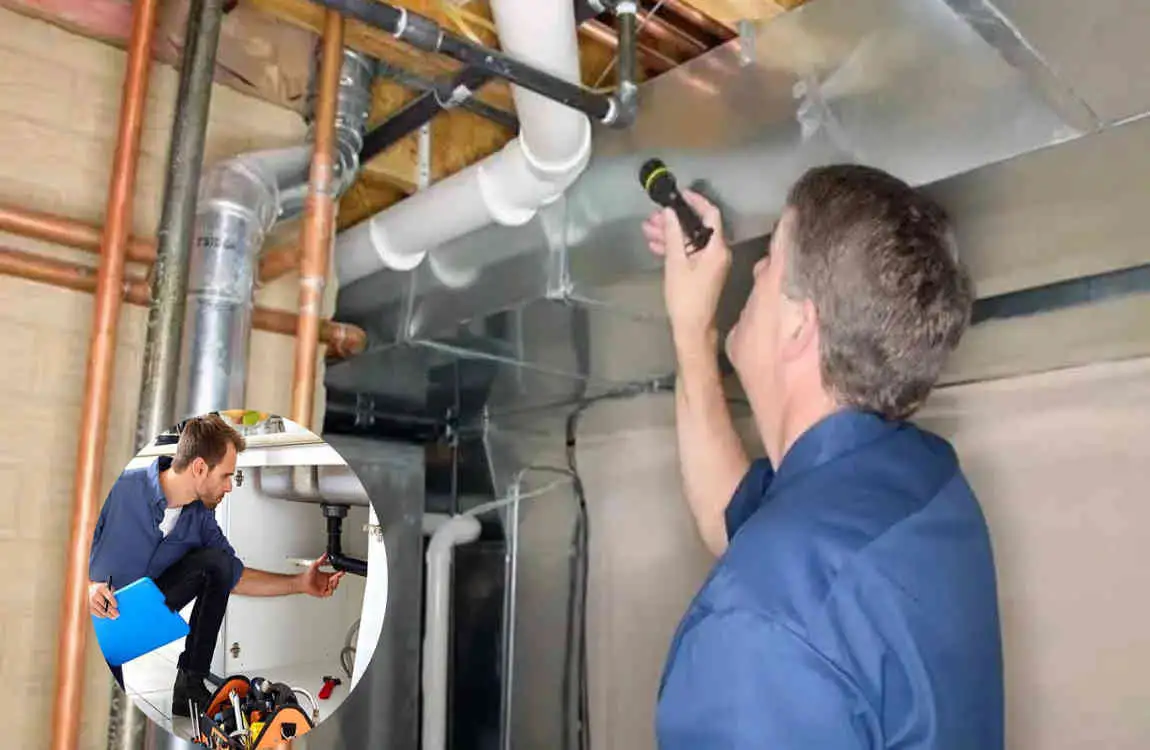
A plumbing inspection is an important part of maintaining a safe and functional home. It helps identify leaks, damaged pipes, drainage problems, water pressure issues, aging fixtures, and other concerns before they lead to expensive repairs.
If you are wondering what’s checked during a plumbing inspection, the answer includes much more than simply looking under the sink. A plumber may inspect accessible supply pipes, drains, toilets, faucets, showers, water heaters, shut-off valves, water pressure, and visible sewer connections.
What Is a Plumbing Inspection?
Purpose of a Plumbing Inspection
A plumbing inspection evaluates the general condition and performance of a home’s plumbing system. The goal is to identify existing problems and warning signs that could lead to future failures.
A plumber usually checks accessible components, operates fixtures, looks for leaks, and evaluates whether major parts of the system appear to be working properly.
An inspection is different from a repair. The inspection identifies a problem, while repair work is performed separately to correct it.
Finding a small leak early can be much easier and less expensive than dealing with damaged flooring, walls, cabinets, or structural materials later.
What’s Checked During a Plumbing Inspection?
This is the most important question for homeowners. A typical inspection focuses on the accessible parts of the plumbing system.
Water Supply Pipes
The plumber checks visible water supply pipes for leaks, corrosion, damaged connections, and signs of deterioration.
Common plumbing materials include copper, PEX, PVC, CPVC, and galvanized steel. Each material has different characteristics, and older galvanized systems may show corrosion or reduced water flow over time.
Connections around fixtures and exposed pipe sections are also checked for moisture or deterioration.
Drain and Waste Pipes
Drainage problems can reveal larger plumbing issues.
A plumber may check whether sinks, tubs, showers, and other fixtures drain properly. They may also inspect accessible drain connections for leaks, corrosion, or damage.
Repeated slow drainage or frequent blockages can indicate buildup, damaged piping, or a problem farther along the drainage system.
Toilets
Toilets are checked for proper operation and visible leaks.
The inspection may include the toilet’s stability, flush performance, supply connection, shut-off valve, tank components, and the area around the base.
A small leak around the toilet base should not be ignored. Water can gradually damage flooring and the subfloor, sometimes without being immediately obvious.
Sinks and Faucets
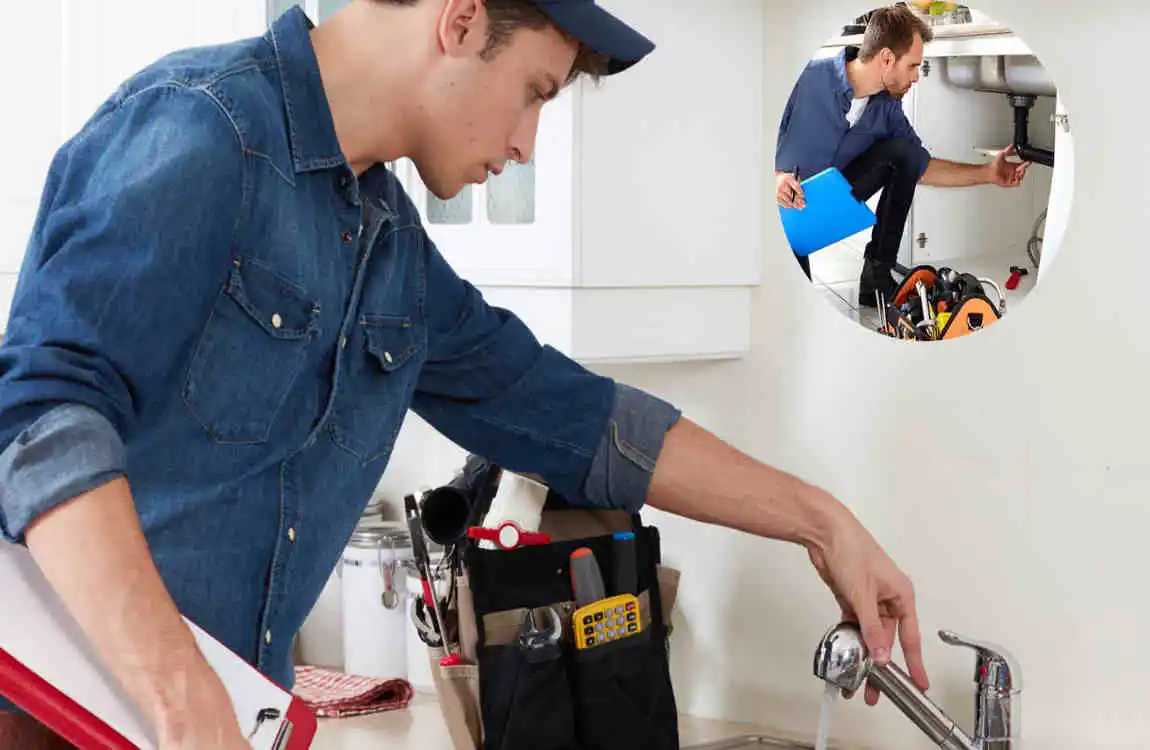
Plumbers may operate faucets to check water flow and drainage.
They can inspect:
- Faucet connections
- Handles
- Supply lines
- Shut-off valves
- Drain connections
- Visible leaks
- Water flow
Looking underneath sinks is particularly useful because loose connections and slow leaks can remain hidden inside cabinets.
Showers and Bathtubs
Showers and bathtubs are checked for proper faucet and valve operation, drainage, water flow, and visible leaks.
The plumber may also look at caulking and sealing around fixtures.
Signs of moisture damage around walls, ceilings, floors, or nearby cabinets can indicate a problem that needs further investigation.
Water Heater
The water heater is another major part of a plumbing inspection.
Depending on the inspection scope, a plumber may look at:
- Visible leaks
- Tank condition
- Water connections
- Shut-off valve
- Corrosion
- Temperature and pressure relief components
- Venting where applicable
- Installation condition
- Approximate age
A standard plumbing inspection is not necessarily the same as specialized water-heater servicing. If the heater requires detailed maintenance or testing, additional work may be recommended.
Water Pressure
Water pressure affects the performance and longevity of plumbing fixtures and pipes.
A plumber may assess pressure at different points and look for symptoms of unusually low or high pressure.
Excessively high pressure can put additional stress on pipes, valves, fixtures, and appliances. Low pressure may have several causes, including supply restrictions, damaged pipes, or problems with fixtures.
Shut-Off Valves
The plumber may check accessible shut-off valves throughout the home.
This can include the main water shut-off valve, fixture valves, and the water-heater shut-off.
Every homeowner should know where the main shut-off valve is located. In an emergency, quickly turning off the water can help limit damage from a burst pipe or a major leak.
Sewer Line and Main Drain
The main drain and accessible sewer connections may be evaluated for visible problems and symptoms such as recurring backups or poor drainage.
However, a standard inspection may not provide a complete view of underground sewer piping.
If there are concerns about the sewer line, a sewer camera inspection may be recommended. This separate service can provide a more detailed look inside the pipe.
How Does a Plumber Perform a Plumbing Inspection?
Visual Inspection
The process normally begins with a visual review of accessible plumbing components.
The plumber looks for water stains, corrosion, leaking connections, damaged pipes, poor installation, and other warning signs.
Testing Fixtures
Fixtures may be operated to assess their performance.
This can include faucets, toilets, showers, bathtubs, and appliances connected to the plumbing system.
Running several fixtures can also help reveal drainage or pressure issues.
Checking for Leaks
Visible leaks are one of the main things plumbers look for.
They may inspect under sinks, around toilets, near water heaters, and around exposed pipe connections.
Hidden leaks may require specialized equipment and should not be assumed to be detectable during every basic inspection.
Testing Water Pressure
Pressure testing helps determine whether the home’s water pressure appears reasonable.
The plumber may use a pressure gauge to obtain a reading and investigate symptoms of unusually high or low pressure.
Inspecting Accessible Pipes
Accessible pipes may be inspected in utility rooms, basements, crawlspaces, cabinets, under sinks, and around water-heating equipment.
The plumber generally does not open walls to inspect concealed pipes during a basic inspection.
Additional Diagnostic Tests
Depending on the situation, additional services may include sewer camera inspections, leak detection, drain testing, or specialized pipe inspections.
These services are usually performed when the initial inspection reveals a concern that needs more investigation.
Common Plumbing Problems Found During an Inspection
A plumbing inspection can uncover many issues, from simple maintenance problems to more serious concerns.
- Leaking pipes: Even small leaks can eventually cause water damage.
- Corroded plumbing: Corrosion can weaken pipes and affect water flow.
- Water-pressure problems: Incorrect pressure can affect fixtures and piping.
- Slow drains: Repeated slow drainage may indicate a blockage or damaged pipe.
- Leaking toilets: Water around the base can damage flooring.
- Faulty shut-off valves: A stuck valve can make emergencies harder to control.
- Aging water heaters: Older units may have corrosion, leaks, or declining performance.
- Improper connections: Poor connections can increase the risk of leaks.
- Sewer problems: Recurring backups can indicate a larger drainage issue.
- Poorly maintained fixtures: Dripping faucets and damaged components may require replacement.
Not every problem requires immediate replacement. A professional can help determine which issues need urgent attention and which can be handled as routine maintenance.
Plumbing Inspection Checklist for Homeowners
Plumbing Component What May Be Checked Common Problems
Supply pipes Condition, connections, leaks Corrosion, leaks
Drains Flow and visible connections Blockages
Toilets Flush, base, supply line Leaks
Faucets Flow and connections Drips
Showers Valves, pressure, drainage Leaks
Water heater Connections and condition Corrosion, leaks
Shut-off valves Operation and accessibility Sticking
Sewer system Accessible components and symptoms Backups
Water pressure Pressure levels Excessive pressure
What Is Not Usually Included in a Basic Plumbing Inspection?
Inspection scope varies between plumbers and service providers.
A basic inspection usually does not include destructive testing or opening walls and floors. It may also exclude excavation, complete underground sewer investigation, extensive internal pipe inspection, repairs, and detailed water-quality testing.
Specialized leak detection or sewer camera inspections may also be separate services.
Before scheduling an inspection, ask exactly what is included. This helps you understand what the final report or findings will actually tell you.
How to Prepare Your Home for a Plumbing Inspection
Make Plumbing Areas Accessible
Clear storage from under sinks and around the water heater.
The easier it is for the plumber to access components, the more efficiently the inspection can be completed.
Know the Location of Shut-Off Valves
Try to identify the main water shut-off valve before the inspection.
You should also know where individual fixture shut-offs are located.
Mention Recurring Problems
Tell the plumber about problems such as:
- Frequent clogs
- Low water pressure
- Strange pipe noises
- Water discoloration
- Sewer odors
- Previous leaks
These details can help direct attention toward areas that may need closer evaluation.
Keep Relevant Records
If you have records of previous plumbing repairs, pipe replacements, water heater installations, or renovations, keep them available.
Previous work can provide useful information about the age and condition of the plumbing system.
How Much Does a Plumbing Inspection Cost?
There is no single price that applies to every property.
The cost can depend on home size, location, plumbing complexity, property age, inspection scope, and additional testing.
A basic inspection is generally different from specialized services such as sewer camera inspections or advanced leak detection.
When comparing prices, look at what the service actually includes rather than choosing a plumber based only on the lowest quoted price.
What Happens After a Plumbing Inspection?
Review the Inspection Findings
Start by separating minor maintenance issues from urgent problems.
A dripping faucet is very different from an active pipe leak or serious sewer problem.
Prioritize Repairs
A practical priority order is:
- Active leaks and serious water damage
- Major sewer or drainage problems
- Unsafe or severely deteriorated components
- Major water-pressure problems
- Minor fixture and maintenance issues
Addressing serious problems quickly can help prevent further damage.
Get Repair Estimates
For significant repairs, ask for a clear explanation of what needs to be done.
A detailed estimate can help you understand labor, materials, replacement requirements, and the expected scope of the work.
Plumbing Inspection vs. Home Inspection
Plumbing Inspection vs. General Home Inspection
Focuses specifically on plumbing Covers many home systems
More detailed plumbing assessment Broader property assessment
May include specialized plumbing tests Usually limited to accessible components
Performed by a plumbing professional Usually performed by a home inspector
When purchasing a property, both inspections can be useful.
A general home inspection provides a broad view of the property, while a dedicated plumbing inspection can provide greater attention to the plumbing system.
Frequently Asked Questions About Plumbing Inspections
What’s checked during a plumbing inspection?
A typical inspection may check supply pipes, drains, toilets, faucets, showers, water heaters, shut-off valves, water pressure, and accessible sewer components. The exact scope depends on the professional and property.
How long does a plumbing inspection take?
The time varies depending on the home’s size, plumbing complexity, accessibility, and the scope of the inspection. A larger or older property may require more time than a small home with an easily accessible plumbing system.
Is a plumbing inspection necessary when buying a house?
It can be very useful, particularly when buying an older property or a home showing signs of leaks, drainage problems, corrosion, or other plumbing concerns.
Does a plumbing inspection find hidden leaks?
A basic inspection may identify visible leaks and signs of hidden moisture. However, concealed leaks may require specialized leak-detection equipment or additional diagnostic work.
Does a plumbing inspection include the sewer line?
Accessible sewer components and symptoms can be reviewed, but a complete sewer line assessment may require a sewer camera inspection.
| Inspection Area | What Is Checked? | Why It Matters |
|---|---|---|
| Pipes & Fittings | Leaks, corrosion, cracks, and loose connections | Prevents water damage and costly repairs |
| Water Pressure | Pressure levels and unusual fluctuations | Helps protect pipes and fixtures |
| Drains | Slow drainage, blockages, and buildup | Reduces the risk of backups |
| Faucets & Fixtures | Leaks, seals, handles, and water flow | Ensures fixtures work efficiently |
| Toilets | Flushing, leaks, tank parts, and seals | Prevents hidden water waste |
| Water Heater | Leaks, connections, temperature, and condition | Supports safe and reliable hot water |
| Sewer Line | Signs of damage, blockage, or root intrusion | Helps prevent major sewer problems |
