

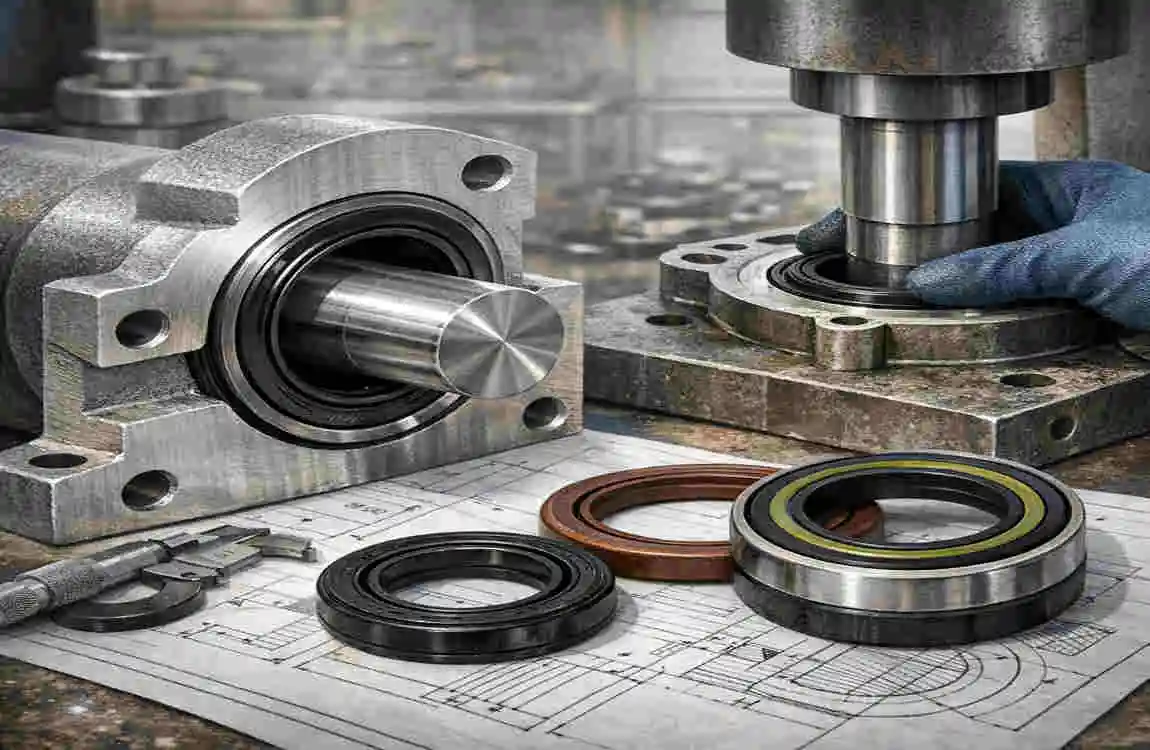
A machine only works well when its parts stay protected. One small part that makes a big difference is a seal that is press-fitted into a housing. It may look simple, but it helps stop leaks, keeps dirt out, and protects moving parts from damage.
These seals are used in many industries, including automotive, manufacturing, hydraulic systems, and industrial equipment. You will find them in engines, pumps, gearboxes, cylinders, and other systems that need reliable sealing.
What Is a Seal That Is Press Fitted Into a Housing?
Definition of a Press-Fitted Seal
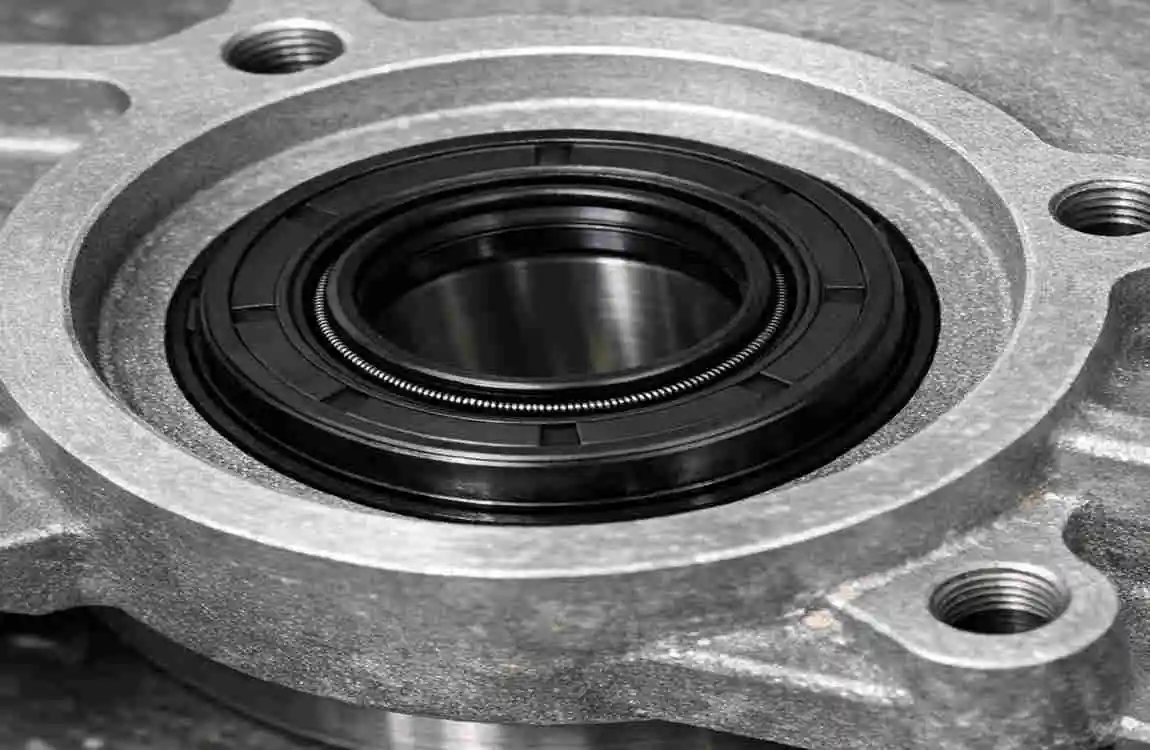
A press-fitted seal is a seal that is inserted tightly into a machined opening or bore. The fit is made slightly smaller than the housing opening, so the seal stays in place by pressure alone.
That tight fit is called an interference fit. It keeps the seal from moving, slipping, or spinning inside the housing.
This is different from other seal styles such as:
- Press-fit seals: pushed firmly into place
- Snap-in seals: held by a locking shape or groove
- Threaded seals: secured by threads or screw-like parts
A press-fit design is often chosen when the seal must stay stable under vibration, pressure, or repeated use.
How Press-Fitted Housing Seals Work
The seal works by forming a barrier between two surfaces. In many cases, it sits between a stationary housing and a moving shaft or part.
The seal material presses against the surface, blocking fluid, grease, dust, or moisture from passing through. At the same time, it helps keep lubrication inside the system.
Several things affect how well it works:
- Seal material
- Housing design
- Pressure levels
- Temperature conditions
If any of these are wrong, the seal may fail early. That is why proper selection matters so much.
Types of Press-Fitted Housing Seals
Oil Seals
Oil seals are one of the most common types. They are used in engines, gearboxes, and rotating shafts.
Their main job is to keep oil or grease from leaking out. They also help keep dirt out. This is important because dirty oil or low lubrication can quickly damage machinery.
Hydraulic Seals
Hydraulic seals are used in fluid power systems. You will often see them in hydraulic cylinders and pressure systems.
These seals must handle strong pressure without failing. They help keep hydraulic fluid inside the system so the machine can move and operate correctly.
Rubber Press-Fit Seals
Rubber seals are flexible and widely used. Common materials include:
- Nitrile rubber (NBR)
- Silicone
- EPDM
- Viton
Each one has different strengths. For example, NBR works well with oil, while silicone handles heat better.
Mechanical Face Seals
Mechanical face seals are used in heavier machines where wear resistance matters. They are built to last in tough conditions.
These seals are often found in industrial equipment that operates for long periods or operates in harsh environments.
Dust and Dirt Seals
Dust seals are made to keep outside particles away from sensitive parts. They are useful in dusty, muddy, or outdoor environments.
Even small particles can damage moving parts. A dust seal helps reduce that risk.
Main Components of a Press-Fitted Housing Seal
Seal Body
The seal body is the main part of the seal. It is usually made of a flexible material so it fits closely.
A good seal body adapts to the surface it touches and helps maintain a steady barrier.
Outer Diameter
The outer diameter must match the housing very closely. If the size is wrong, the seal may loosen or leak.
This is one of the most important measurements during installation.
Inner Lip or Contact Area
The inner lip is the part that touches the moving shaft or surface. It is the actual sealing point.
If this contact area wears out, the seal can lose its effectiveness.
Spring Reinforcement
Some seals include a small spring inside the lip. This helps keep pressure on the sealing surface.
Spring-loaded seals often perform better in rotating applications because they maintain contact even as they age.
Materials Used in Press-Fitted Housing Seals
Rubber Materials
Nitrile Rubber (NBR)
NBR is popular because it resists oil well and is usually affordable. It is common in automotive and industrial systems.
It works well in many standard sealing jobs.
Silicone Rubber
Silicone handles high heat better than many other rubber types. It is often used in food, medical, and high-temperature applications.
It is soft and flexible, but it may not be the best choice for every fluid.
Viton (FKM)
Viton is known for strong chemical resistance and good performance in harsh conditions.
It is often used where heat, oil, and chemicals are present.
Metal Reinforced Seals
Some seals use metal support for added strength. This helps them keep shape under pressure and in demanding conditions.
These seals are common in industrial applications where durability matters most.
Applications of a Seal That Is Press Fitted Into a Housing
Automotive Industry
Cars and trucks use press-fitted seals in many places, including:
- Engines
- Transmissions
- Wheel bearings
These seals help keep fluids in place and protect parts from dirt and wear.
Industrial Machinery
Machines such as pumps, motors, and compressors often rely on press-fitted seals.
They need dependable sealing because even a small leak can affect performance or cause downtime.
Hydraulic Equipment
Hydraulic cylinders, valves, and pressure systems all depend on good sealing.
Without proper seals, fluid loss can reduce power and slow down the machine.
Agricultural Equipment
Tractors, harvesters, and other farm machines work in dust, mud, and changing weather.
Press-fitted seals help protect them in tough field conditions.
Aerospace Applications
Aerospace systems need highly reliable sealing. The parts must work under extreme conditions and with very little room for error.
That is why seal quality and material selection are so important here.
Benefits of Press-Fitted Housing Seals
Prevents Fluid Leakage
One of the biggest benefits is leak prevention. These seals keep oil, grease, and hydraulic fluid where they belong.
That helps the machine run properly and reduces mess and waste.
Protects Internal Components
They also block dirt, dust, and moisture. This protection helps parts last longer and perform better.
A clean system is usually a stronger system.
Improves Equipment Performance
When a seal works well, friction and wear often go down. That means the machine can operate more smoothly.
Good sealing also supports efficiency.
Easy Installation
Press-fit seals are often easier to install than more complex sealing systems. They usually need fewer extra parts.
That can save time during assembly or repair.
Reduces Maintenance Costs
A reliable seal helps extend equipment life. Fewer leaks and less damage mean fewer repairs later.
That saves both time and money.
How to Install a Seal That Is Press Fitted Into a Housing
Select the Correct Seal Size
Always check:
- Inner diameter
- Outer diameter
- Thickness
- Material compatibility
If the size is wrong, the seal may fail quickly.
Prepare the Housing Surface
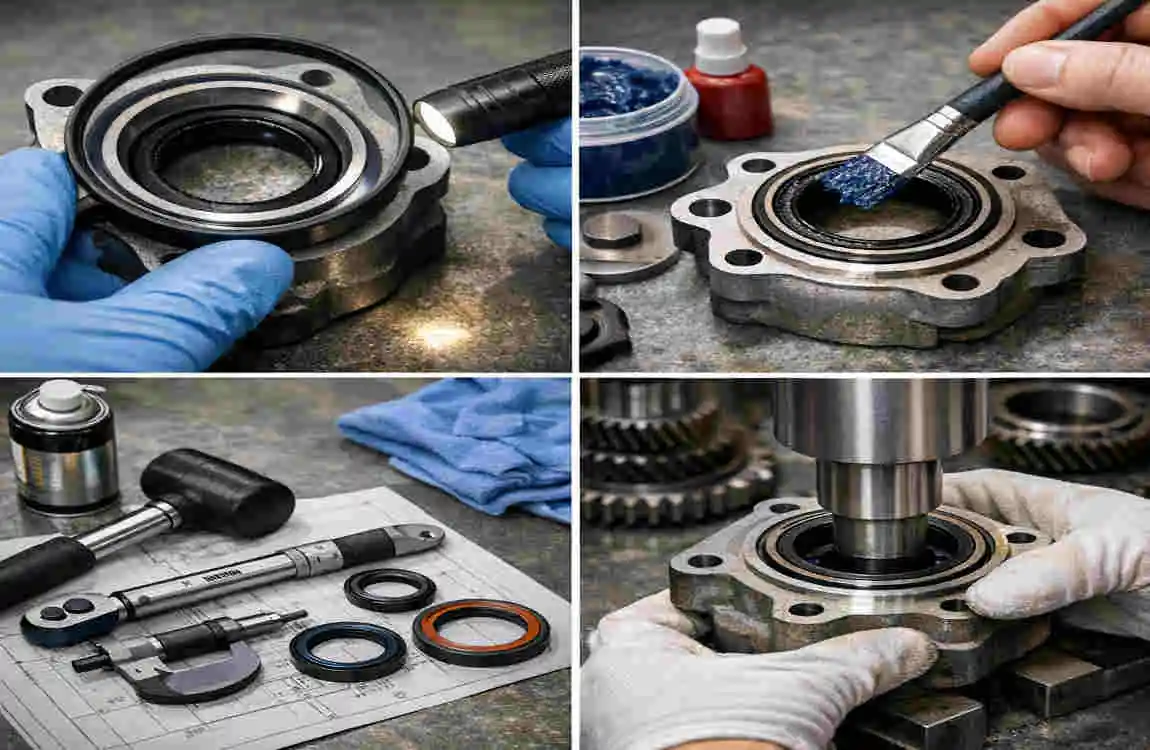
Clean the bore area carefully. Remove rust, dirt, burrs, and old seal material.
A smooth housing helps the new seal sit correctly.
Lubricate the Seal
Apply the right lubricant before installation. This reduces friction and helps avoid damage to the sealing lip.
Do not overdo it, though. Use only what is recommended.
Align the Seal Properly
Keep the seal straight while placing it in the housing. If it tilts, it may become damaged or sit unevenly.
A level fit is important for good sealing.
Press the Seal Into Place
Use proper tools such as:
- Seal driver
- Hydraulic press
- Installation fixture
Do not hammer the seal in roughly. That can deform it.
Inspect the Installation
After installation, check for:
- Proper seating
- Damage
- Misalignment
A quick inspection now can prevent bigger problems later.
Common Problems With Press-Fitted Housing Seals
Incorrect Installation
If the seal goes in unevenly, it can leak or wear out early.
Wrong Seal Size
A seal that is too loose or too tight will not perform well.
Damaged Housing Bore
If the housing is scratched, rusted, or distorted, the seal may not sit properly.
Excessive Pressure
Too much pressure can deform the seal and reduce its life.
Temperature Damage
High heat or very cold conditions can make some seals hard, brittle, or weak.
How to Choose the Right Press-Fitted Seal
Consider Operating Conditions
Think about:
- Temperature range
- Pressure levels
- Chemical exposure
The seal must match the real working environment.
Check Material Compatibility
Different materials work better with different fluids and conditions. For example, oil, water, fuel, and chemicals all behave differently.
Understand Application Requirements
Ask whether the seal must handle:
- Rotating shafts
- Static sealing
- High-pressure systems
The answer will affect the seal design.
Follow Manufacturer Specifications
Always use the recommended dimensions and tolerances. This helps ensure the seal fits and performs as expected.
Press-Fitted Seal vs Other Seal Types
FeaturePress-Fitted SealOther Seal Types
Installation Pressed into housing May require threads or clamps
Stability High Depends on design
Leakage Protection Excellent Varies
Maintenance Low May require more service
Applications Industrial and automotive General sealing uses
Maintenance Tips for Press-Fitted Housing Seals
A good seal still needs attention over time.
- Inspect seals regularly
- Watch for leakage signs
- Keep equipment properly lubricated
- Replace worn seals quickly
- Avoid overloading machinery
These small habits can help your equipment last longer.
Signs You Need to Replace a Press-Fitted Housing Seal
Look for these warning signs:
- Oil or fluid leaks
- Unusual machine noise
- Reduced equipment efficiency
- Visible cracks or damage
- Increased vibration
If you notice these, it is usually best to replace the seal soon.
Frequently Asked Questions
What is a seal that is press-fitted into a housing?
It is a sealing part installed tightly into a machined opening to prevent leakage and protect mechanical components.
Why are press-fitted seals used?
They provide reliable sealing, block contamination, and help improve equipment durability.
Can a press-fitted seal be reused?
Most are meant for single use. After removal, they should usually be replaced.
What tools are needed to install a press-fitted seal?
Common tools include seal drivers, presses, installation sleeves, and alignment tools.
How do I know if my housing seal is failing?
Common signs include leaks, strange noises, overheating, and lower machine performance.
What materials are used for press-fitted seals?
Common materials include rubber compounds, silicone, Viton, nitrile rubber, and metal-reinforced materials.
| Aspect | Information |
|---|---|
| What Are Press-Fitted Housing Seals? | Press-fitted housing seals are sealing components installed by pressing them tightly into a housing or groove to prevent leaks, contamination, and damage between connected parts. |
| Main Purpose | They provide protection against moisture, dust, oil, chemicals, and pressure loss while improving the durability of mechanical systems. |
| Common Applications | Used in automotive parts, pumps, hydraulic systems, engines, machinery, plumbing equipment, and industrial assemblies. |
| Types of Materials | Common materials include rubber, silicone, polyurethane, PTFE, and metal-reinforced compounds depending on temperature and pressure needs. |
| Key Benefits | Better sealing performance, reduced maintenance, improved equipment lifespan, and protection from external contaminants. |
| Installation Process | The seal is aligned correctly and pressed into the housing using proper tools to avoid damage, twisting, or improper fitting. |
| Important Factors to Consider | Choose the right size, material, pressure rating, temperature resistance, and compatibility with fluids or chemicals. |
