

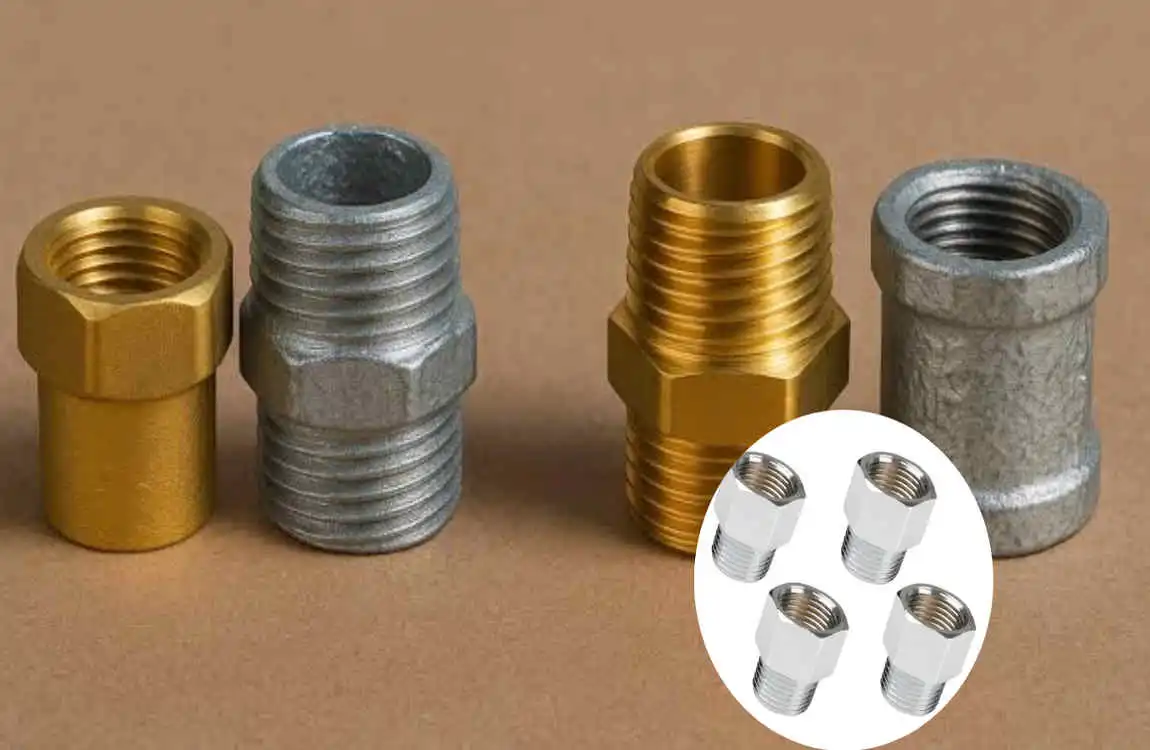
If you have ever looked at a plumbing fitting and wondered what FIP means, you are not alone. Plumbing uses many abbreviations, and they can be confusing for homeowners and beginners.
So, what does FIP mean in plumbing? FIP usually stands for Female Iron Pipe. It describes a fitting with internal threads designed to connect to a male-threaded fitting, commonly called MIP.
FIP fittings are widely used in water supply systems, valves, plumbing equipment, irrigation systems, and many residential and commercial applications.
What Does FIP Mean in Plumbing?
FIP Meaning in Simple Terms
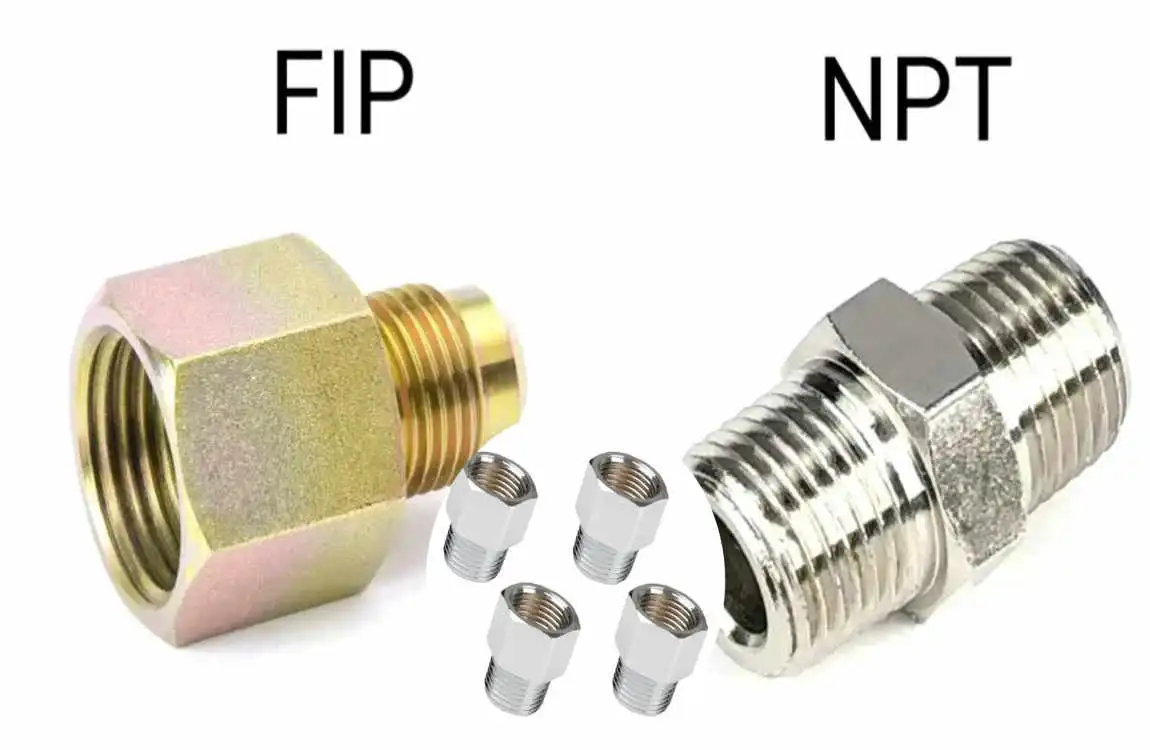
FIP means Female Iron Pipe. The word “female” refers to the location of the threads. In an FIP fitting, the threads are inside the fitting.
Think of an FIP fitting as a threaded opening that receives another fitting with threads on the outside.
Although the abbreviation includes the word “iron,” the fitting need not be made of iron. FIP-style fittings are available in materials such as brass, PVC, CPVC, and stainless steel.
How FIP Threads Work
The internal threads inside an FIP fitting are designed to accept compatible external threads. A male-threaded fitting is inserted into the FIP opening and tightened to create the connection.
The threads must match correctly. Using incompatible thread types can result in leaks, damaged threads, or a poor connection.
FIP vs. Female Threaded Fitting
FIP and female pipe thread are often used to describe the same basic idea: a fitting with internal threads.
Manufacturers may label products differently so that you might see terms such as FIP, FPT, female threaded, or female pipe thread on plumbing products.
What Is an FIP Fitting?
An FIP fitting is a plumbing component with an internally threaded connection. Depending on its design, it can connect pipes, valves, adapters, fixtures, or other plumbing components.
Basic Design of an FIP Fitting
An FIP fitting normally includes:
- Internal threads for receiving a male connection
- A body made from a suitable plumbing material
- One or more connection points
- A particular shape and size for its intended application
FIP fittings come in different shapes, including straight adapters, elbows, tees, and couplings.
Common Types of FIP Fittings
Some common FIP fittings include:
- FIP adapters
- FIP elbows
- FIP tees
- FIP couplings
- FIP-to-PEX adapters
- FIP-to-CPVC adapters
The right type depends on what you are connecting and the direction or configuration of the plumbing line.
Common Materials
FIP fittings can be manufactured from several materials, including brass, PVC, CPVC, and stainless steel.
Brass is commonly used where durability and strength are important, while plastic threaded fittings can be useful in compatible plastic plumbing systems.
FIP vs. MIP: What Is the Difference?
The easiest way to understand FIP and MIP is to look at where the threads are located.
Feature FIPMIP
Meaning Female Iron Pipe Male Iron Pipe
Thread location Inside Outside
Connection Receives male threads Enters female threads
Common use Adapters and fittings Pipes, valves, and adapters
How FIP and MIP Connect
An FIP connection has internal threads, while an MIP connection has external threads. When the thread standards and sizes are compatible, the two fittings can be screwed together.
Never force a connection if the threads do not line up properly. Doing so can damage the fitting and create leaks.
It is also important to remember that FIP describes the female side of the connection, while the thread standard, such as NPT, describes the thread design itself.
Where Are FIP Fittings Used?
Water Supply Lines
FIP fittings are frequently found around water valves, fixtures, adapters, and supply lines.
They are especially useful when a plumber needs to connect different types of plumbing components.
Water Heaters and Plumbing Equipment
Threaded fittings can also be found around water heaters and other plumbing equipment where a removable threaded connection is appropriate.
Outdoor Plumbing and Irrigation
FIP fittings are commonly used in irrigation and outdoor water systems. They can connect valves, pipes, adapters, and other components.
Residential and Commercial Plumbing
FIP connections remain useful in both homes and commercial buildings because they make certain repairs, replacements, and transitions easier.
How to Choose the Right FIP Fitting
Check the Fitting Size
FIP fittings are available in different nominal pipe sizes. The size needs to match the connection you are working with.
Do not choose a fitting based only on how large the opening looks. Check the nominal size and specifications of the existing pipe or fitting.
Check the Thread Type
Thread compatibility is extremely important. Not every threaded fitting uses the same thread standard.
Before purchasing an FIP fitting, confirm that its threads are compatible with the male fitting you intend to connect.
Choose the Correct Material
Consider the water temperature, pressure, application, and pipe material.
Using compatible materials helps create a reliable plumbing system and reduces the risk of premature problems.
Consider the Application
Think about where the fitting will be used. A fitting for a household water line may have different requirements from one used for irrigation or specialized equipment.
How to Install an FIP Fitting
Installing an FIP fitting is straightforward when the correct components are used, but careful installation is important.
Turn Off the Water
Shut off the appropriate water supply before working on the connection. Open a nearby fixture if necessary to release pressure from the line.
Check the Threads
Inspect the male and female threads. Make sure they are clean, undamaged, and free from debris.
Apply the Appropriate Thread Sealant
Depending on the specific connection, application, and manufacturer instructions, you may need an appropriate thread sealant or plumber’s tape.
Do not automatically assume that every threaded connection requires the same sealing method.
Hand-Tighten the Connection
Start the connection by hand. This helps you feel whether the threads are lining up correctly.
If the fitting immediately feels difficult to thread, stop and check the alignment rather than forcing it.
Tighten Properly
Use an appropriate wrench when required, but avoid excessive force. Over-tightening can damage threaded fittings, especially certain plastic components.
Test for Leaks
Turn the water supply back on slowly and inspect the connection. Look carefully for moisture or dripping while the system is under pressure.
Common FIP Plumbing Mistakes to Avoid
When working with FIP plumbing fittings, avoid these common mistakes:
- Using the wrong thread type
- Choosing the wrong fitting size
- Cross-threading the connection
- Over-tightening the fitting
- Using incompatible materials
- Skipping the leak test
Taking a few extra minutes to check the fitting can prevent a much bigger plumbing problem later.
Advantages and Disadvantages of FIP Fittings
Advantages
FIP fittings offer several useful benefits:
- They are easy to understand and widely available.
- They can connect different plumbing components.
- They come in many materials and configurations.
- They are convenient for certain repairs and replacements.
- They provide a removable threaded connection.
Disadvantages
However, FIP fittings also have limitations.
Threads can become damaged or cross-threaded, and an incorrectly installed fitting can leak. Different thread standards may also look similar while being incompatible.
For some applications, another connection method may be more suitable.
Frequently Asked Questions About FIP Plumbing
What does FIP mean in plumbing?
FIP means Female Iron Pipe. It generally describes a fitting with internal threads designed to connect with a compatible male-threaded fitting.
Is FIP the same as female pipe thread?
In common plumbing terminology, FIP and female pipe thread are often used to describe the same type of internally threaded connection.
What is the difference between FIP and MIP?
FIP has internal threads, while MIP has external threads. The two can connect when their sizes and thread standards are compatible.
Can FIP connect to MIP?
Yes. An FIP fitting is designed to receive a compatible MIP connection. Always verify the size and thread standard before connecting them.
Is FIP the same as NPT?
No. FIP refers to the female side of a threaded connection, while NPT refers to a thread standard. An FIP fitting can have NPT threads, for example.
What does FIP stand for on a plumbing fitting?
FIP stands for Female Iron Pipe and is commonly used to identify a female-threaded pipe connection.
Can FIP fittings be used with PVC?
Yes, compatible PVC threaded FIP fittings are available. However, make sure the fitting, pipe, thread type, pressure rating, and application are compatible.
| Term | Meaning | Quick Explanation |
|---|---|---|
| FIP | Female Iron Pipe | A threaded pipe fitting with internal threads. |
| FIP Connection | Female threaded connection | Connects to a male-threaded (MIP) pipe or fitting. |
| Common Materials | Brass, steel, PVC, CPVC | Material depends on the plumbing system and application. |
| Common Uses | Water, gas, and plumbing lines | Often used to connect pipes, valves, adapters, and fixtures. |
| FIP vs. MIP | Female vs. Male | FIP has internal threads, while MIP has external threads. |
| Key Benefit | Easy threaded connection | Allows components to be connected and disconnected without soldering. |
