


Plumbers do important work that keeps homes, businesses, and public buildings running smoothly. They install pipes, fix leaks, clear drains, and help ensure water systems operate safely and properly.
If you are thinking about this career, you may be asking a very practical question: how much does a plumber make? The answer depends on many things, including experience, location, licensing, the type of work, and whether the plumber works overtime.
What Does a Professional Plumber Do?
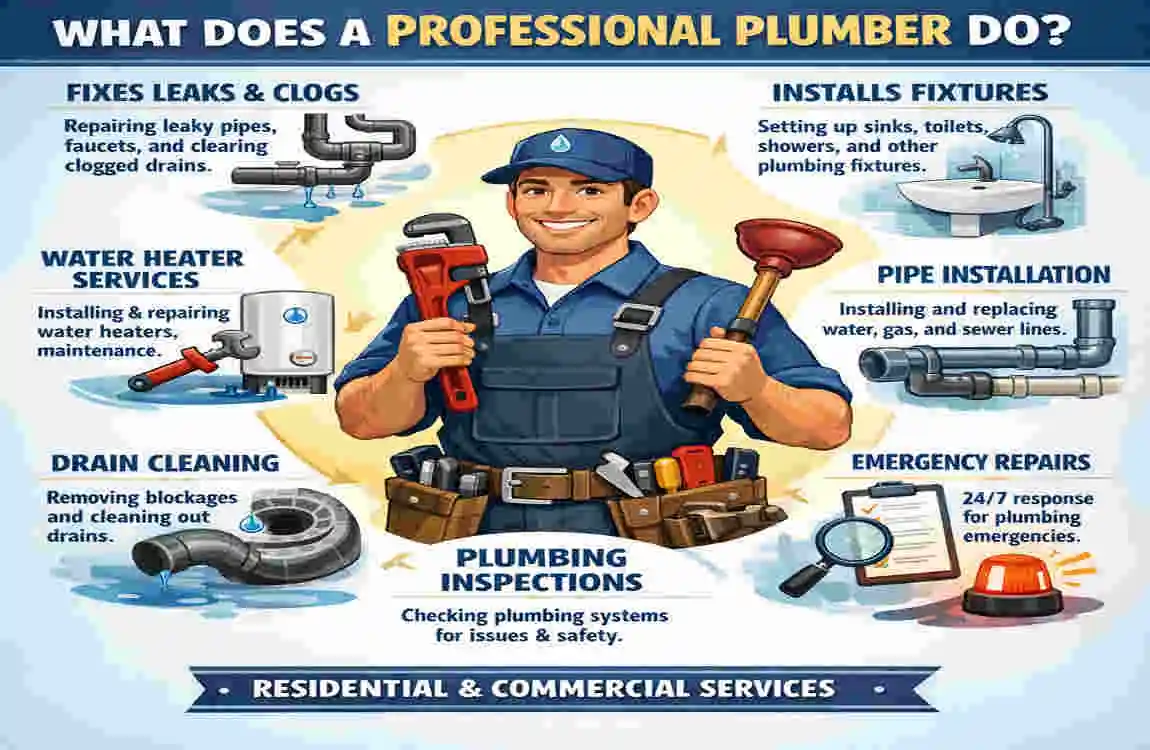
Common Plumbing Responsibilities
A professional plumber handles a wide range of jobs. Some are small and routine, while others are large and complex.
They may:
- Install pipes, fixtures, and water lines
- Repair leaks, clogs, and damaged plumbing parts
- Inspect plumbing systems for problems
- Work on homes, businesses, and industrial sites
A plumber often needs to think fast and solve problems on the spot. That is one reason the trade can be both challenging and rewarding.
Different Types of Plumbers
Not all plumbers do the same kind of work. Their title and experience level often shape what they can do and how much they earn.
Apprentice Plumber
An apprentice is new to the trade. This person is still learning and usually works under supervision.
Journeyman Plumber
A journeyman has more training and can often work more independently. This is a major step up in both skill and pay.
Master Plumber
A master plumber has advanced experience, strong technical knowledge, and usually a higher level of licensing. This level often opens the door to better pay and more responsibility.
Residential Plumber
Residential plumbers work in houses and apartments. They handle sinks, toilets, showers, water heaters, and home piping systems.
Commercial and Industrial Plumber
These plumbers work on larger buildings, factories, offices, and public facilities. The work may be more complex and may pay more in some markets.
Skills Needed to Become a Plumber
To do well in this career, a person needs more than just tools and training.
Important skills include:
- Technical and problem-solving skills
- Physical strength and manual ability
- Knowledge of plumbing codes and safety rules
- Good communication and customer service
A plumber often works in tight spaces, deals with urgent problems, and speaks with customers who need quick answers. So people skills matter too.
How Much Does a Plumber Make?
Average Plumber Salary
So, how much does a plumber make on average? In many places, plumbers earn a solid middle-class income, and skilled workers can make very good money over time.
A plumber’s income can be looked at in several ways:
- Hourly pay
- Weekly earnings
- Monthly income
- Annual salary
Here is a simple overview of typical ranges. These are general estimates, and actual pay can be higher or lower depending on where you live and how much experience you have.
Pay Type Typical Range
Hourly $20 to $50+
Weekly $800 to $2,000+
Monthly $3,200 to $8,500+
Yearly $40,000 to $90,000+
Some plumbers earn well above these numbers, especially if they have strong licenses, special skills, or lots of overtime.
Plumber Salary by Experience
Experience matters a lot in this trade. The more you know, the more value you bring to an employer or customer.
Apprentice Plumber Earnings
Apprentices usually earn the lowest pay because they are still learning. But this stage is important because it builds the skills needed for higher income later.
Journeyman Plumber Earnings
Journeyman plumbers usually earn more because they can handle more tasks on their own. They often have stronger job security and better pay than apprentices.
Experienced Plumber Earnings
Plumbers with years of hands-on experience can often command higher wages. They work faster, make fewer mistakes, and can handle more difficult jobs.
Master Plumber Earnings
Master plumbers often earn the most as employees. They may also supervise others, handle larger projects, or take on specialized work.
Hourly Pay for Professional Plumbers
Hourly pay is common in plumbing jobs. A plumber’s hourly rate may be based on skill level, location, and job type.
Regular work hours usually pay the base rate. But overtime, emergency calls, nights, and weekends can raise income quite a bit.
Specialized skills can also increase hourly pay. For example, plumbers who work with commercial systems, gas lines, or complex installations may earn more than those who only handle basic repairs.
What Factors Affect a Plumber’s Salary?
Location
Where a plumber works can strongly affect pay. In areas with a higher cost of living or strong demand for skilled workers, wages are often better.
Cities and states with lots of construction, population growth, or aging plumbing systems may offer more opportunities and higher rates.
Experience and Licensing
Experience usually leads to better pay. A plumber who has worked for many years can often solve problems faster and take on more difficult jobs.
Licensing also matters. Many employers and customers prefer plumbers who are properly licensed and certified because it shows training, skill, and trust.
Type of Plumbing Work
Different kinds of plumbing work pay differently.
Residential Plumbing
This involves work in homes and apartments. It often includes repairs, maintenance, and fixture installation.
Commercial Plumbing
This type of work is often on a larger scale and may involve offices, stores, and public buildings. It can require more complex systems.
Industrial Plumbing
Industrial plumbing may involve factories, plants, and specialized systems. The work can be highly technical and may pay more.
Construction Plumbing
These plumbers work on new buildings during construction. The work may be steady, but pay depends on project size and demand.
Maintenance and Repair Work
This is often the daily work of many plumbers. Emergency repairs can pay especially well if they are urgent or performed after hours.
Overtime and Emergency Plumbing
Plumbers who work overtime can increase their total yearly income. This is a big reason some plumbers earn much more than the average.
Emergency plumbing also pays more in many cases. People are willing to pay extra when a pipe bursts at night or a drain backs up on a weekend.
Working for a Company vs. Being Self-Employed
A plumber who works for a company usually gets a steady wage or salary. This can be more predictable and less stressful.
A self-employed plumber may earn more overall, but there are also extra costs. These can include:
- Tools and equipment
- Vehicle costs
- Insurance
- Marketing
- Licensing
- Taxes
- Employee wages, if they have a crew
So while self-employment can raise income potential, it also comes with more responsibility.
How Much Can Plumbers Make by Career Level?

Plumbing Apprentice
Apprentices usually start with modest pay. The focus at this stage is training, not high income.
They learn by working with experienced plumbers, which helps them build practical skills while earning money.
Journeyman Plumber
Journeymen often earn a much better wage than apprentices. They can handle more tasks on their own and may qualify for more types of jobs.
At this level, a plumber often has a strong chance to increase income through overtime and specialized work.
Master Plumber
A master plumber usually has advanced skills, more licensing, and more responsibility. This level often leads to higher pay and more leadership opportunities.
Master plumbers may supervise teams, handle large jobs, or work on high-value projects.
Plumbing Business Owner
Owning a plumbing company can create the highest income potential, but it also brings the most responsibility.
It is important to remember the difference between business revenue and personal income. A business may bring in a lot of money, but the owner still has expenses to pay before keeping profit.
A plumbing business owner must manage jobs, staff, customers, equipment, insurance, and taxes. When the business is run well, though, it can become a very strong source of income.
How to Increase Your Income as a Plumber
Gain More Experience
Experience is one of the best ways to grow your income. Over time, you become faster, more reliable, and more valuable.
You can also improve earnings by learning more advanced services and becoming known for quality work.
Earn Advanced Licenses and Certifications
Additional credentials can help you stand out. They may open the door to better jobs, more responsibility, and higher pay.
Employers often trust plumbers more when they can show advanced training and proper licensing.
Choose a High-Demand Specialization
Some plumbing areas pay better because they require more skill or involve larger systems.
High-demand specializations may include:
- Commercial plumbing
- Industrial plumbing
- Gas and water systems
- Pipefitting-related work
- Specialized repair and installation services
Take Overtime or Emergency Jobs
Extra hours can add up quickly. Overtime and emergency jobs are among the easiest ways to increase annual income.
If you are willing to work nights, weekends, or urgent calls, you may earn more than plumbers who only work standard hours.
Start Your Own Plumbing Business
Self-employment can be a major income booster. You set your own rates, choose your jobs, and build your customer base.
But business ownership takes more than plumbing skill. You also need to understand pricing, scheduling, customer service, and basic business management.
Is Plumbing a Good Career? Pros, Cons, and Earning Potential

Advantages of a Plumbing Career
Plumbing can be a very strong career choice for the right person.
Some key advantages include:
- Steady demand for skilled workers
- Clear career growth
- Ongoing overtime opportunities
- Potential for self-employment
- Useful hands-on skills
Plumbing is also a practical trade. The skills you learn can stay valuable for many years.
Challenges of Being a Professional Plumber
Like any career, plumbing has its hard parts.
Common challenges include:
- Physically demanding work
- Early mornings, late calls, and irregular hours
- Working in tight or dirty spaces
- Training and licensing requirements
- Business costs for self-employed plumbers
So while the income can be high, the work is not always easy.
Plumber vs. Other Skilled Trades
Plumbing is often compared with electrical work, HVAC, and other construction trades. All of these can pay well, but each has different demands.
Plumbing stands out because it often has strong demand, good overtime potential, and long-term career stability. For many people, that makes it an appealing choice.
FAQ About How Much Professional Plumbers Make
How much does a plumber make per year?
A plumber’s yearly income can range widely, but many earn a solid middle-class salary. Pay depends on location, experience, licensing, and specialization.
How much does a plumber make per hour?
Hourly pay can vary a lot, but many plumbers earn between $20 and $50+ per hour, with higher rates for skilled or emergency work.
Do plumbers make good money?
Yes. Experienced and licensed plumbers can earn competitive incomes, especially when they work overtime or specialize in higher-paying jobs.
Do master plumbers make more than apprentices?
Usually yes. Master plumbers have more training, more responsibility, and stronger earning power than apprentices.
Can plumbers make six figures?
Some can. Experienced plumbers, business owners, and specialists who work long hours of overtime may earn six figures in the right market.
Is plumbing a good career choice?
For many people, yes. It offers solid pay, useful skills, and room to grow. It also requires hard work and training.
Does owning a plumbing business pay more?
It can, but the owner must also handle expenses, taxes, equipment, insurance, and employees. So the gross income may be high, but profit depends on management.
| Factor | Professional Plumber Earnings |
|---|---|
| Average Salary | Varies by location, experience, and specialty |
| Entry-Level Plumber | Typically earns less while gaining experience |
| Experienced Plumber | Can earn significantly more with advanced skills |
| Master Plumber | Often commands higher wages and project rates |
| Self-Employed Plumber | Income can increase with a strong customer base |
| Top Earning Factors | Experience, certifications, location, overtime, and specialization |
