

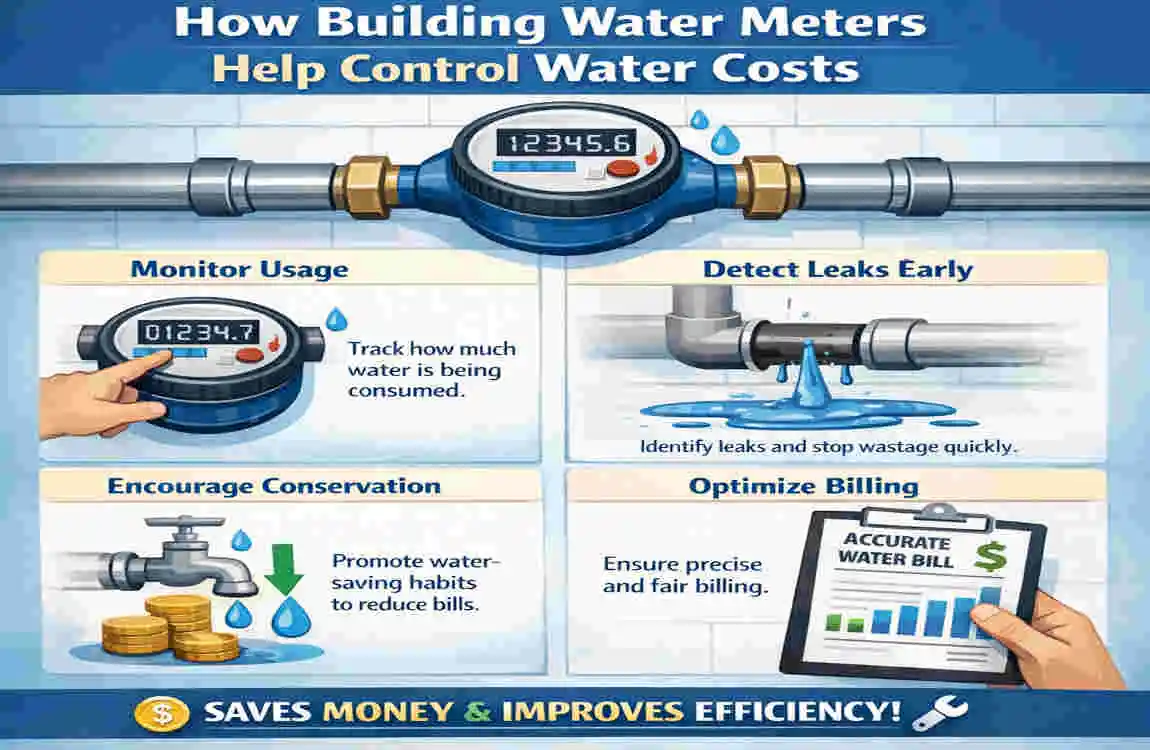
Water use may seem like a small part of a building’s budget, but it can add up quickly. In homes, apartments, offices, and commercial buildings, even small leaks or wasteful habits can raise operating costs month after month.
That is where a water meter in a building’s plumbing system becomes very useful. It measures how much water enters the building and helps owners or managers see where money may be going.
A water meter does more than support billing. It also helps spot waste, track usage, and catch plumbing problems early. That means better control over costs and fewer surprises later.
What Is a Water Meter in a Building’s Plumbing System?
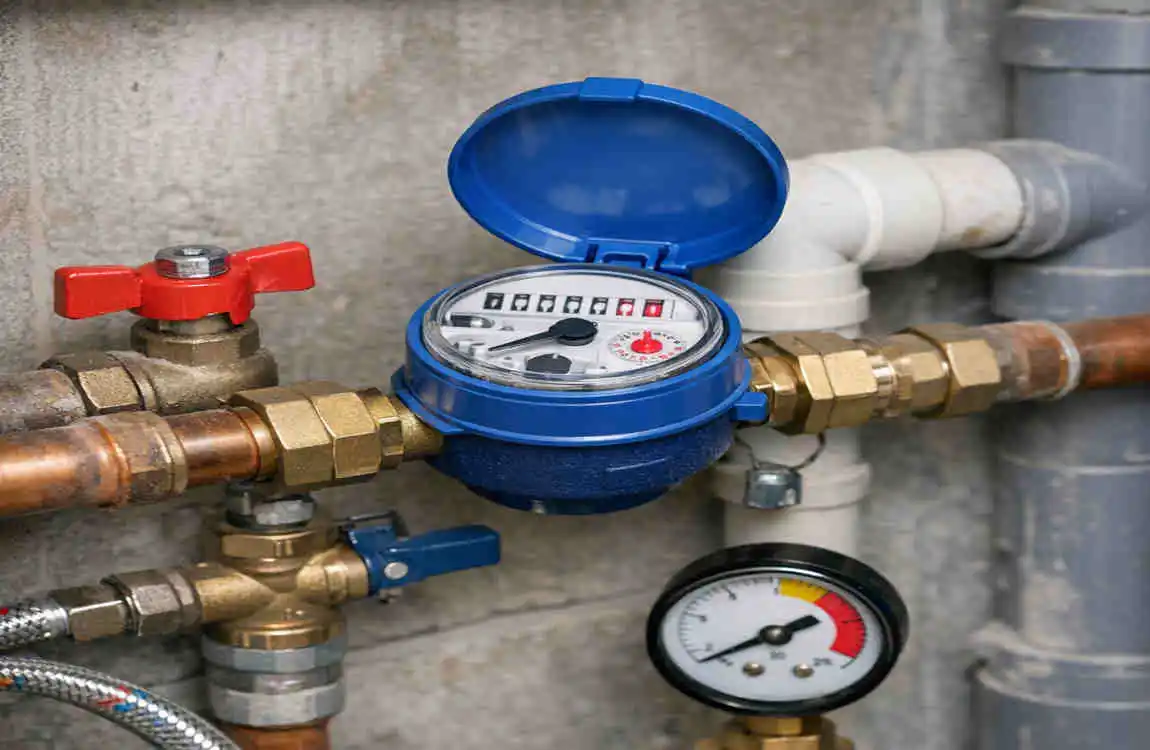
A building water meter is a device that measures the amount of water flowing into a property. In simple terms, it tells you how much water the building uses.
The meter tracks incoming water volume and creates a reading that can be checked over time. This reading may be used for billing, monitoring, or comparing usage from one month to the next.
Main Water Meter vs. Submeters
A main water meter measures the total water used by the entire building. This is common in smaller buildings or properties with one shared water line.
Submeters work differently. They measure water use for a specific unit, floor, department, or area. This is especially helpful in apartments or multi-tenant buildings because it gives a clearer picture of who is using what.
Common Types of Building Water Meters
- Mechanical meters that use moving parts to measure flow
- Digital meters that display readings electronically
- Smart meters that track usage automatically and may send alerts
Each type has its own benefits, but all help owners better understand water use.
How Water Meters Help Control Plumbing Costs
Accurate Water Usage Measurement
A meter gives you actual numbers instead of guesswork. That matters because it helps you see how much water the building really uses.
When owners know the real usage, they can budget more accurately and avoid paying for water they never expected to use.
Detecting Leaks and Unusual Usage
A sudden rise in water use can be a warning sign. It may point to a hidden leak in a toilet, pipe, faucet, or appliance.
Some leaks are easy to miss because they happen behind walls or under sinks. By watching the meter, you may notice a problem before it becomes expensive.
Encouraging Responsible Water Use
When people know water use is being tracked, they are often more careful. This can lead to less waste in daily habits.
Simple awareness can make a big difference. Occupants may take shorter showers, fix drips sooner, or avoid leaving water running.
Supporting Better Plumbing Maintenance
Water meter data can also help property managers spot patterns. If usage suddenly increases, it may mean a plumbing issue needs attention.
This makes meter checks a useful part of preventive maintenance. Instead of waiting for a major problem, managers can respond earlier.
Types of Water Meters Used in Buildings
Main Water Meters
A main meter is usually installed where water enters the building. It measures the total amount of water used by the whole property.
This is the simplest way to track building-wide consumption. It is useful for both small buildings and large ones.
Individual Submeters
Submeters help track water use by apartment, unit, office, or department. This is especially helpful in buildings with many users.
They allow owners to see how much each area uses. That can improve billing fairness and encourage more careful use.
Smart Water Meters
Smart meters are a modern option that can show usage data digitally. Some can even send alerts when water use looks unusual.
They make monitoring easier because you do not always need to check the meter in person. For busy owners and managers, that is a major advantage.
Where Is a Building Water Meter Installed?
A water meter is usually placed where the water supply line enters the building. This location allows the meter to measure all incoming water before it reaches the rest of the plumbing system.
It should be installed in a place that is easy to read and maintain. Proper access matters because the meter may need regular checks or service.
A qualified plumbing professional should handle installation. Local utility rules and plumbing requirements may also affect where and how the meter is installed.
How to Use a Water Meter to Find Plumbing Leaks
A water meter can help you check for hidden leaks if you know how to read it correctly.
Simple Leak-Check Steps
- Turn off all faucets and water-using appliances.
- Make sure no one is using water in the building.
- Watch the meter or compare readings over time.
- If the meter still shows water use, a leak may be present.
You can also compare daily or monthly readings. If water use rises without a clear reason, that is worth investigating.
If the problem is not obvious, professional leak detection may be the next step.
Ways Property Owners Can Reduce Water Costs
Water meters are most useful when they are part of a wider cost-saving plan. Here are some practical ways to lower water expenses.
- Repair leaking faucets and toilets quickly
- Install low-flow fixtures
- Check meter readings regularly
- Use submeters when appropriate
- Maintain pipes and plumbing fixtures
- Teach occupants about water conservation
- Review high readings before the next bill
These habits may seem small, but they can lead to real savings over time.
Benefits of Installing a Water Meter
Benefit How It Helps
Accurate measurement Shows actual water consumption
Leak detection Helps identify unusual usage
Cost control Makes water expenses easier to manage
Better maintenance Highlights possible plumbing problems
Conservation Encourages efficient water use
Usage tracking Provides useful historical data
A meter gives owners better control. That alone can make it worth the effort.
Common Water Meter Problems to Watch For
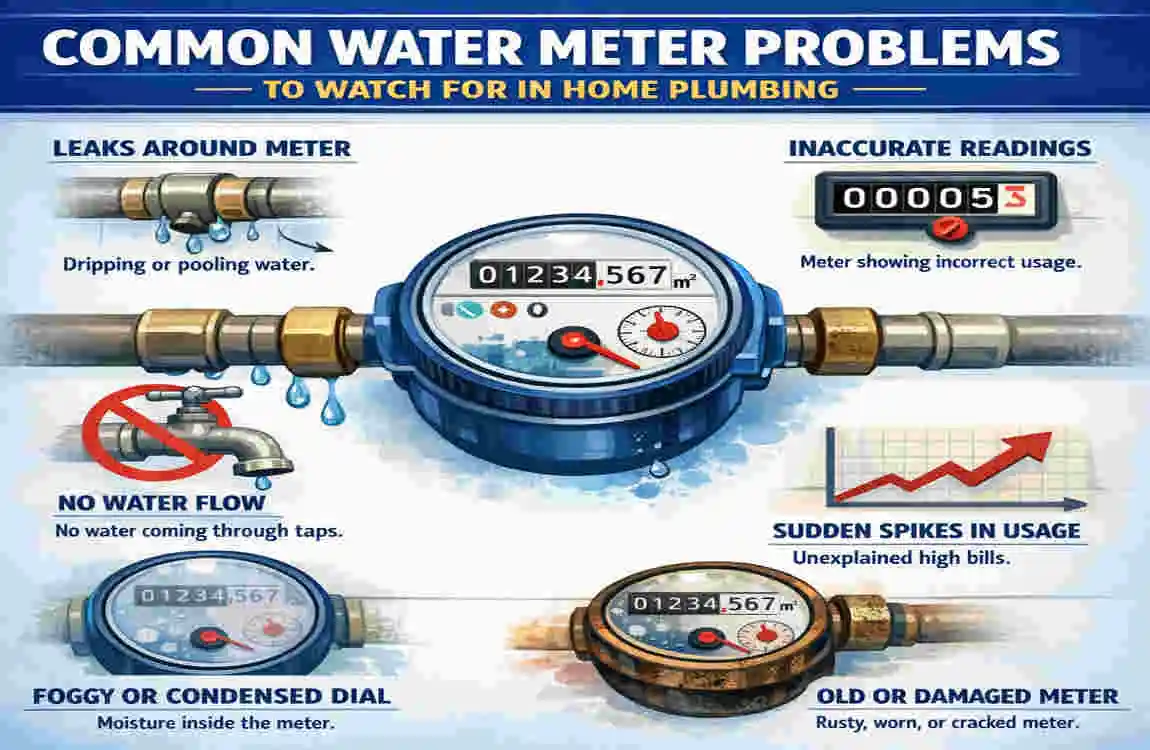
Like any device, a water meter can have problems. If something seems wrong, it should be checked quickly.
Watch for These Issues
- Incorrect or inconsistent readings
- Damaged meter parts
- Blockages or installation problems
- Smart meter communication errors
- Sudden unexplained changes in usage
Do not ignore suspicious readings. A small issue can lead to higher water costs if left unchecked.
Best Practices for Managing Building Water Usage
A building water meter works best when used regularly, not just once in a while.
Good Habits to Follow
- Record meter readings on a schedule
- Compare current usage with past months
- Investigate sudden increases right away
- Schedule routine plumbing inspections
- Upgrade inefficient fixtures when needed
- Keep repair and usage records
- Use water-saving technology when it makes sense
These steps help owners and managers stay ahead of problems instead of reacting after the bill arrives.
Frequently Asked Questions
What is the purpose of a water meter in a building’s plumbing system?
A water meter measures how much water enters and is used by a building. It supports billing, monitoring, leak detection, and conservation.
Can a water meter help detect a plumbing leak?
Yes. If all water use is turned off but the meter still moves, there may be a leak.
Does every apartment need its own water meter?
No. Some buildings use one main meter, while others use submeters for individual units.
How often should a building water meter be checked?
Monthly checks are a simple and effective habit. More frequent checks may help in larger or higher-use buildings.
Do smart water meters save money?
They do not save money on their own, but they can help identify leaks and waste sooner.
What causes unusually high water meter readings?
Common causes include leaking toilets, dripping faucets, damaged pipes, irrigation issues, and faulty fixtures.
Who should install or repair a building water meter?
A qualified plumber or the local water utility should usually handle installation or repairs, depending on local rules.
| Aspect | How Building Water Meters Help |
|---|---|
| Track Water Usage | Measures how much water a building consumes. |
| Control Costs | Helps identify high usage and reduce unnecessary water bills. |
| Find Leaks | Unusual meter readings can reveal hidden plumbing leaks. |
| Monitor Tenants | Individual meters can track water use in separate units. |
| Reduce Waste | Usage data encourages better water-saving habits. |
| Plumbing Management | Helps plumbers and property managers identify inefficient systems. |
