
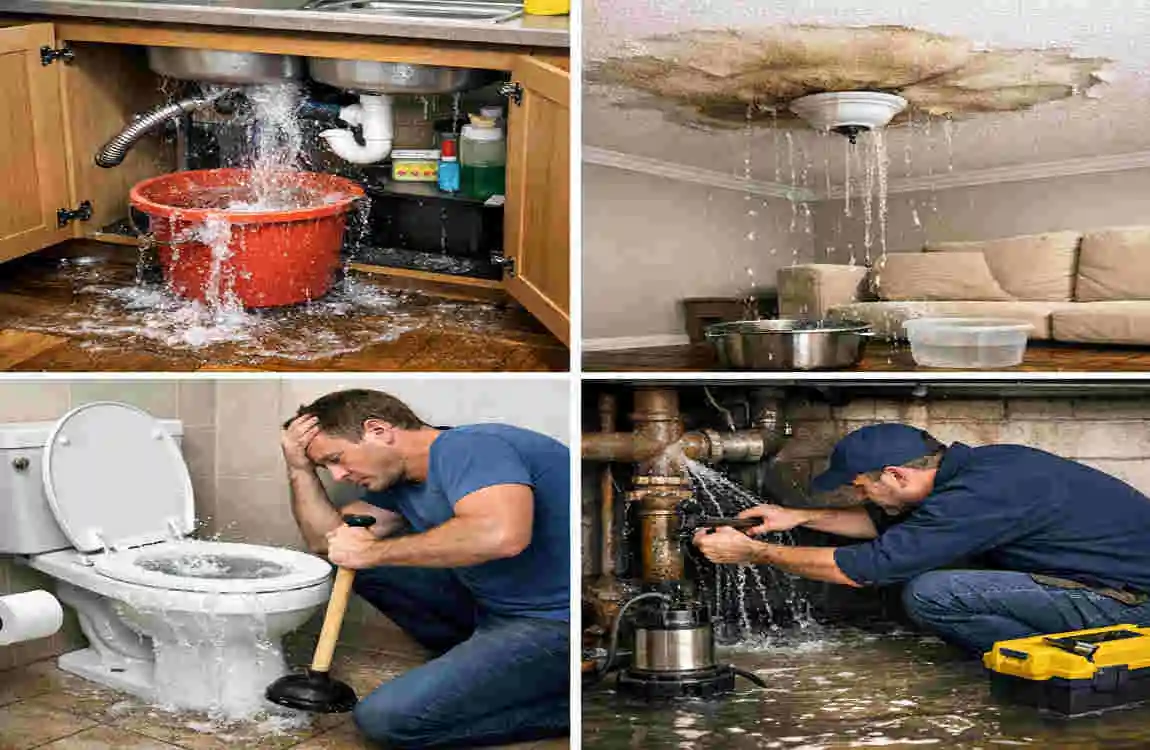
A plumbing emergency can happen when you least expect it. One minute everything is fine, and the next minute you may have water spreading across the floor, a toilet overflowing, or a drain backing up into your home. These situations can lead to water damage, costly repairs, stress, and disruption to daily life.
Common Plumbing Emergencies at Home
Burst or Leaking Pipes
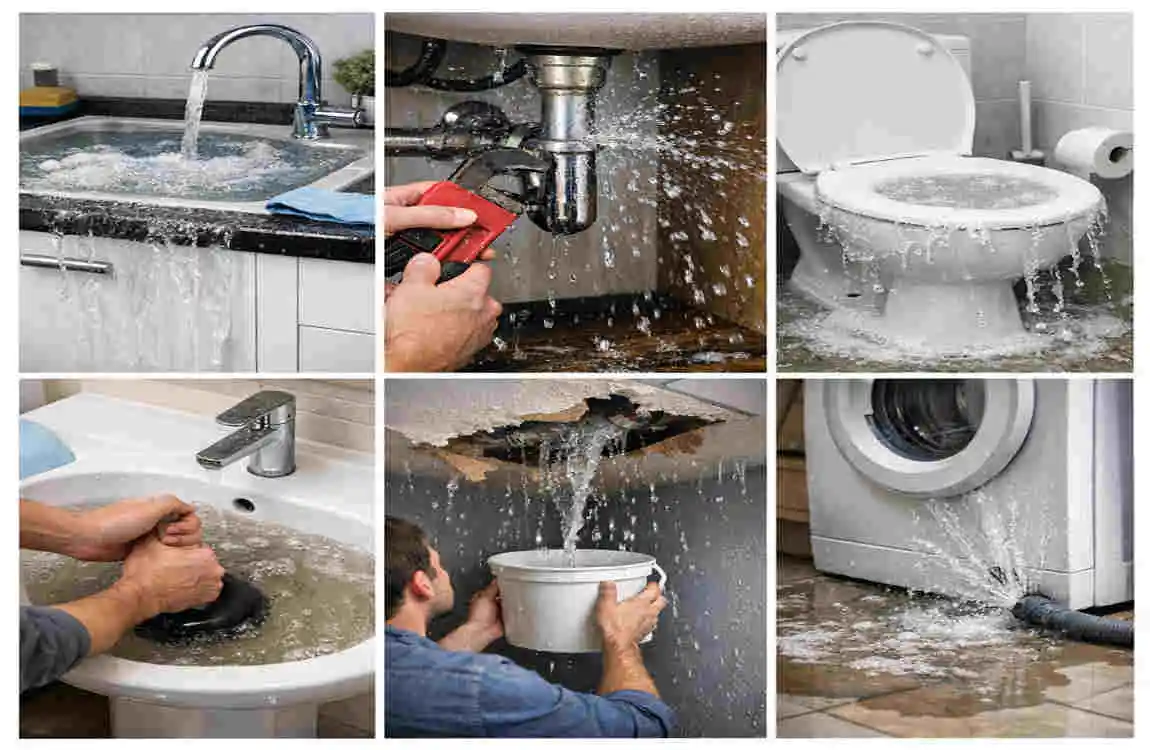
Burst pipes are one of the most serious plumbing problems. A pipe can crack, split, or start leaking because of age, corrosion, freezing weather, or pressure build-up.
Even a small leak can cause a lot of trouble over time. Water can soak into walls, ceilings, flooring, cabinets, and furniture. If the leak is hidden, the damage may continue for hours before you even notice it.
Overflowing Toilets
An overflowing toilet is messy, stressful, and often urgent. It usually happens because of a severe clog, a broken toilet part, or a blocked sewer line.
You should treat this as a serious issue if the water keeps rising or the toilet keeps backing up after flushing. That may mean the problem is deeper in the system.
Clogged or Backed-Up Drains
Kitchen sinks, bathroom sinks, showers, and tubs can all back up when grease, soap, food, hair, or debris builds up in the pipes.
A single slow drain may seem small, but repeated clogs can point to a larger blockage in the main line. If several drains are slow at the same time, that often means the problem is more serious.
Water Heater Leaks
A leaking water heater can create water damage and affect your hot water supply. The problem may come from damaged fittings, pressure issues, corrosion, or a failing tank.
Watch for signs like water pooling around the heater, strange noises, rust-colored water, or a sudden drop in hot water performance.
Sewer Backups
A sewer backup is one of the worst plumbing emergencies because it can cause wastewater to enter your home. Signs may include bad odors, bubbling toilets, slow drains, and dirty water coming back through sinks or tubs.
This is not a problem to ignore. Sewer water can create serious health risks and needs professional attention.
What to Do When You Have a Plumbing Emergency in Your Home
Shut Off the Water
If water is flowing where it should not, your first step is usually to turn off the main water supply. If the problem is only at one fixture, you may be able to shut off the supply valve for that sink, toilet, or appliance instead.
This simple step can stop more water from entering the damaged area.
Protect Electrical Items
Keep electrical appliances, cords, and devices away from standing water. Water and electricity are a dangerous mix, so do not walk into flooded areas if there is any risk of shock.
If needed, turn off power to the affected area from the breaker panel, but only if you can do so safely.
Move Belongings Out of the Way
If it is safe, move furniture, rugs, papers, and other valuable items away from the water. This can help reduce damage and make cleanup easier.
Clean Small Amounts of Water
If the water is clean and the area is safe, you can begin removing small amounts with towels, buckets, or a wet vacuum. But do not try to handle sewage or large leaks on your own.
Call an Emergency Plumber
For major leaks, sewer backups, burst pipes, or a leaking water heater, contact a qualified emergency plumber right away. Fast professional help can limit damage and restore your system sooner.
Plumbing Emergency Costs: What to Expect
Emergency plumbing costs vary widely. The price depends on the time of day, location, type of problem, labor needed, materials, and any water damage repair.
Here is a simple overview:
Emergency Possible Cost Factors
Leaking pipe Pipe location, material, accessibility
Burst pipe Emergency labor, pipe replacement, water damage
Toilet overflow Clog severity, damaged components
Water heater leak Part replacement or full replacement
Sewer backup Drain cleaning, sewer-line repair
Major drain clog Blockage location and removal method
These are general cost factors, not fixed prices. Always ask for an estimate when possible, especially if the job may involve larger repairs.
Causes Behind Plumbing Emergencies
Aging Plumbing Systems
Older homes often have pipes, seals, and fixtures that have worn out over time. Rust, corrosion, and weakened joints increase the likelihood of failure.
If your home has not had a plumbing inspection in years, hidden problems may already be building up.
Frozen or Extreme-Temperature Pipes
Cold weather can make pipes freeze and crack. Sudden temperature changes can also stress plumbing materials.
When water freezes inside a pipe, it expands. That pressure can cause the pipe to burst once the ice thaws.
High Water Pressure
Too much water pressure can wear out pipes, faucets, and appliance connections faster than normal. Over time, that extra force can lead to leaks or sudden failures.
Poor Installation and Maintenance
If pipes were installed badly, or if small leaks were ignored for too long, those issues can become major emergencies later.
Regular care is important. A small problem is much easier and cheaper to fix than a large failure.
Tree Roots and Sewer-Line Problems
Tree roots can grow into underground sewer lines and cause serious blockages. Once that happens, drains may keep backing up again and again.
This often needs professional clearing or repair, not a quick home fix.
How to Prevent Future Plumbing Emergencies
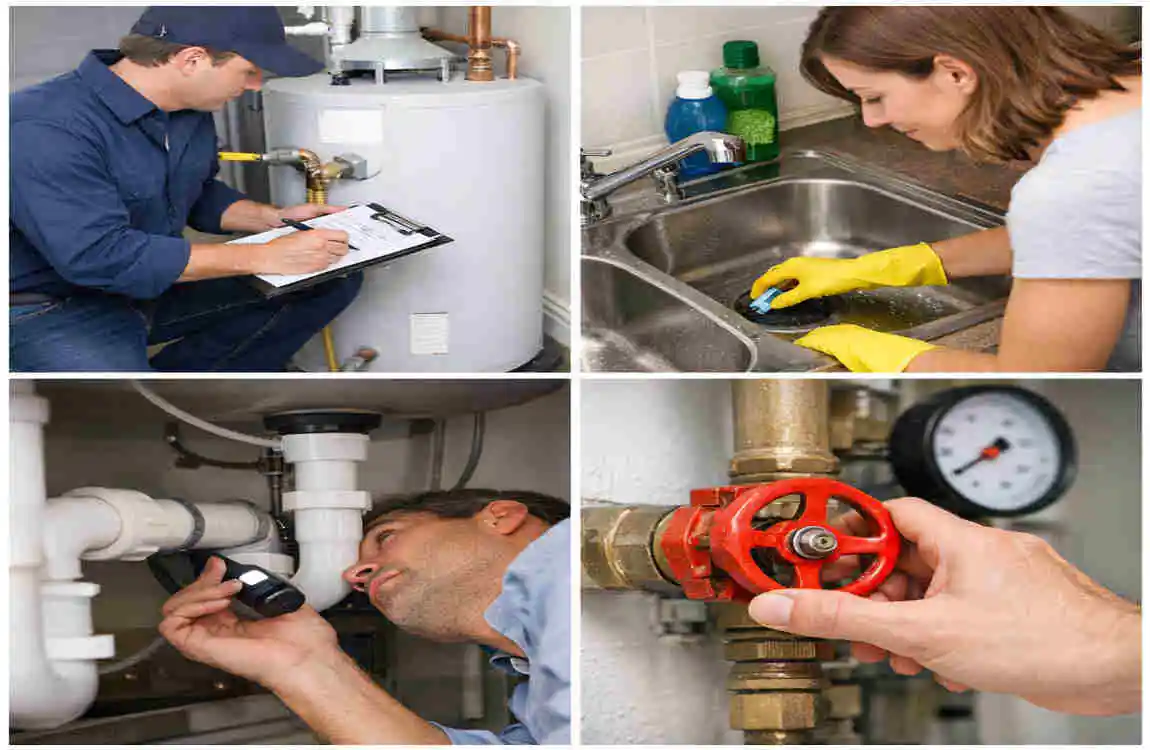
Preventing emergencies is often much easier than dealing with them after the damage starts. A few simple habits can make a big difference.
- Inspect exposed pipes for rust, moisture, or wear.
- Fix dripping taps and small leaks quickly.
- Do not flush wipes, paper towels, or other unsuitable items.
- Use drain screens to catch hair and debris.
- Know where the main shutoff valve is located.
- Follow water heater maintenance guidance.
- Protect vulnerable pipes in cold weather.
- Schedule professional inspections when needed.
These steps can help reduce the chance of costly water damage and emergency repairs.
When to Call an Emergency Plumber
Call Immediately for Major Water Leaks
A large leak can spread fast and damage floors, walls, and belongings. If you cannot stop it quickly, call a plumber right away.
Call for Sewer Backups
Sewer problems are not just messy. They are also a health concern. A professional should handle them.
Call for Burst Pipes
A burst pipe can flood a room in minutes. Shut off the water and get help as soon as possible.
Call for Water Heater Emergencies
If your water heater is leaking, making strange noises, or showing signs of pressure trouble, it should be checked quickly.
Call When DIY Repairs Fail
If you keep trying to fix the same issue and it keeps coming back, it is time for professional help. Repeated DIY attempts can sometimes make the damage worse.
FAQ About Plumbing Emergencies at Home
What should I do first if I have a plumbing emergency in my home?
The priority is usually to shut off the water if you can do it safely. Then try to limit water damage and call a plumber.
What is considered a plumbing emergency?
Burst pipes, serious leaks, sewer backups, overflowing toilets, and major water heater problems are all common plumbing emergencies.
How much does an emergency plumber cost?
The cost depends on the type of repair, labor, materials, location, and the time of service. Emergency calls often cost more than standard appointments.
Can I fix a plumbing emergency myself?
Small clogs or minor drips may sometimes be manageable, but a professional should handle major leaks, sewer issues, and burst pipes.
How can I prevent plumbing emergencies?
Regular inspections, quick leak repairs, proper use of drains, and knowing where your shutoff valve is located can all help.
Should I turn off the main water supply during a leak?
Yes, if you cannot isolate the leak another way. Turning off the main water can reduce damage fast.
How quickly should I call a plumber?
Call as soon as possible if the water cannot be controlled, sewage is involved, or there is a risk of major property damage.
| Plumbing Emergency | Common Cause | Estimated Cost | Quick Solution |
|---|---|---|---|
| Burst Pipe | Freezing, corrosion, pressure | $200–$1,500+ | Shut off water and replace pipe |
| Clogged Drain | Hair, grease, debris | $100–$500 | Clear blockage or snake drain |
| Water Heater Leak | Corrosion, faulty valve | $150–$1,500+ | Turn off heater and repair/replace |
| Overflowing Toilet | Severe clog, faulty float | $100–$400 | Shut off toilet valve and remove clog |
| Low Water Pressure | Leaks, blocked pipes | $100–$600 | Inspect pipes and pressure system |
| Sewer Backup | Blocked sewer line | $500–$2,500+ | Stop water use and call a plumber |
| Leaking Faucet | Worn washer or seal | $75–$300 | Replace damaged parts |
