

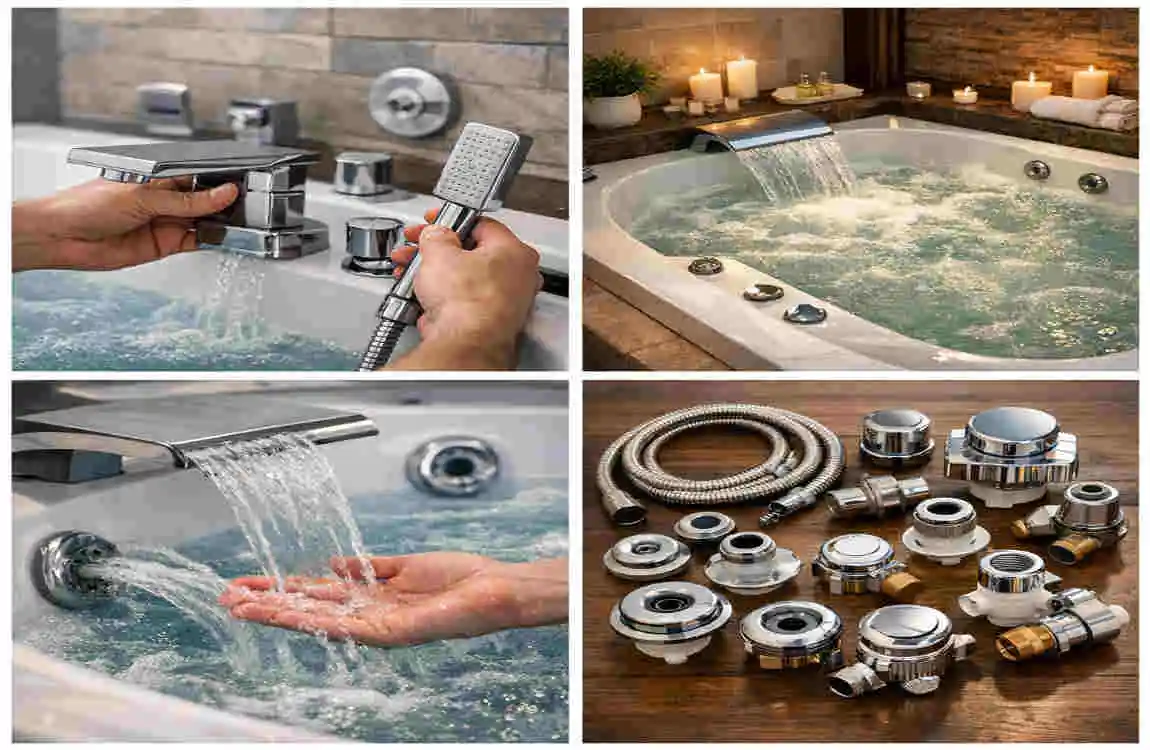
Jacuzzi bathrooms require more care than standard bathrooms because the system depends on steady water flow, tight connections, and the right parts working together. If even one fitting is wrong, you can end up with leaks, low water pressure, or a tub that does not perform as it should.
That is why choosing the right Jacuzzi bathroom plumbing fittings matters so much. These parts affect comfort, safety, durability, and the overall life of the system. When you choose well, the Jacuzzi works smoothly and feels more enjoyable every time you use it.
Understanding Jacuzzi Bathroom Plumbing Fittings
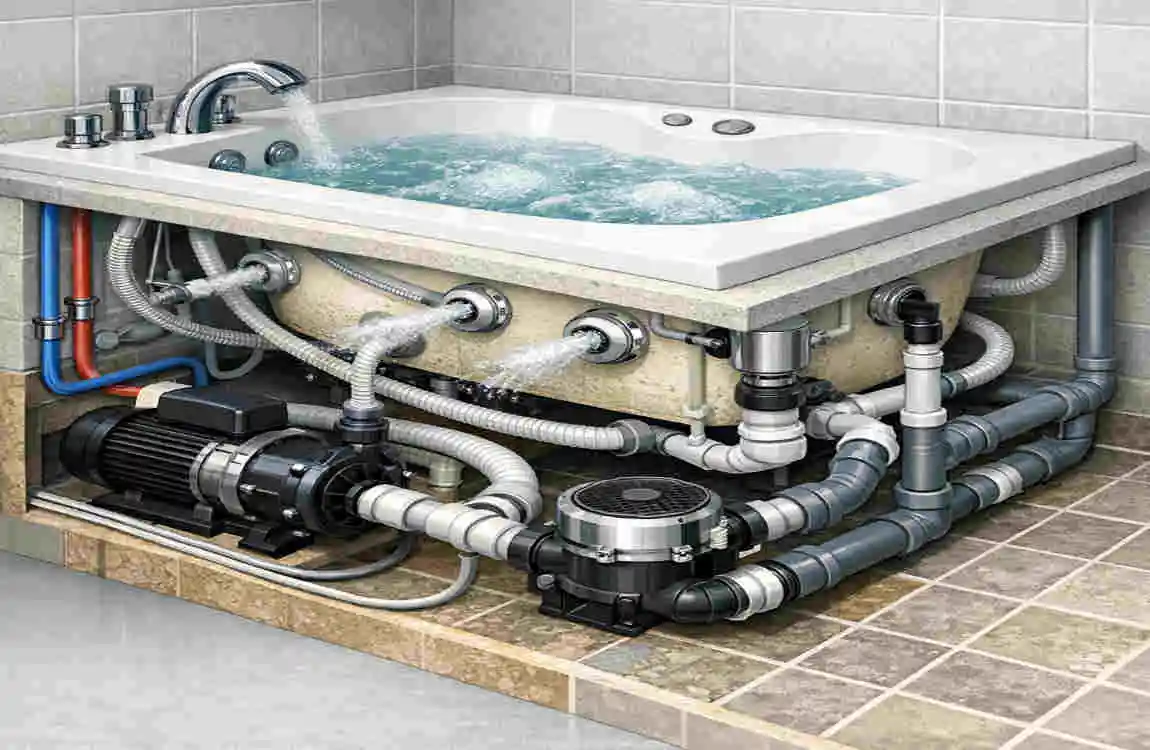
What Are Jacuzzi Bathroom Plumbing Fittings?
Jacuzzi bathroom plumbing fittings are the parts that connect water supply lines, drains, faucets, valves, and other plumbing pieces around a Jacuzzi tub. They help control how water enters, moves through, and leaves the system.
These fittings are not always the same as standard bathroom parts. A Jacuzzi often needs special connectors, stronger seals, and fittings that match the tub’s design and water needs. The goal is to keep the tub working safely and efficiently.
Common examples include supply fittings, drain fittings, overflow fittings, shut-off valves, connectors, adapters, and flexible plumbing lines. Each one has a specific job, and all of them need to fit together properly.
Why Compatibility Is Important
Compatibility is one of the most important things to check. A fitting may look correct, but if it does not match the Jacuzzi model or plumbing system, it may cause problems later.
Always check the manufacturer’s specifications before buying anything. This helps you avoid mismatched sizes, poor seals, and pressure issues. If a fitting is incompatible, it may leak or prevent the Jacuzzi from working properly.
You should never guess when it comes to plumbing. A small mismatch can lead to costly repairs, so take time to confirm the details first.
Common Types of Jacuzzi Plumbing Fittings
There are several fittings you will usually find in a Jacuzzi bathroom system. Each one plays a different role.
- Water supply fittings bring water into the tub.
- Tub faucets and spouts control how water enters the bath.
- Drain fittings let water leave the tub safely.
- Overflow fittings help prevent overfilling.
- Shut-off valves control water flow during maintenance or repairs.
- Connectors and adapters join different pipe types together.
- Flexible plumbing connections make installation easier in tight spaces.
Knowing these parts helps you understand what the system needs before you buy or install anything.
Key Factors to Consider When Choosing Jacuzzi Bathroom Plumbing Fittings
Check the Correct Size
Size matters more than many homeowners realize. If the fitting is too small, it can restrict water flow. If it is too large, it may not seal properly.
Before buying, measure the existing pipes and connections carefully. Check the diameter, thread type, and length where needed. If you are replacing an old part, bring the old one with you or take exact measurements.
Correct sizing helps prevent leaks and keeps the Jacuzzi running as it should.
Choose Durable Materials
A Jacuzzi bathroom is constantly exposed to water and moisture, so the material must be strong enough to withstand that environment. Common options include brass, stainless steel, PVC, and other plumbing-grade materials.
Brass and stainless steel usually offer excellent strength and long-term reliability. Plastic or PVC may work for certain parts, but only if they are made for plumbing use and approved for the job.
The best material depends on where the fitting will be used and how much stress it will face. A drain fitting may not need the same material as a water supply connection.
Consider Water Pressure
Jacuzzi systems often require a steady, proper water pressure range to work well. If the fittings restrict the flow, the tub may fill too slowly or perform poorly.
Some fittings are designed to handle pressure better than others. That is why you should always check the manufacturer’s recommended pressure range. The wrong fitting can make the system less comfortable and less efficient.
Good water pressure is not only about performance. It also helps the whole setup last longer.
Look for Leak-Resistant Connections
A Jacuzzi bathroom should never have weak or loose joints. Even a small leak can cause damage over time, especially in walls, floors, or subfloor areas.
Look for fittings that include quality washers, O-rings, threaded ends, or other secure sealing methods. These details matter because they help keep water where it belongs.
Do not ignore tiny drips. They often point to a bigger problem, such as poor alignment or worn seals.
How to Match Fittings With Your Jacuzzi System
Identify Your Jacuzzi Model
The exact model of your Jacuzzi matters a lot because different models may need different fittings. What works for one tub may not work for another.
Check the product manual, model number, or manufacturer details before making any purchase. This is the easiest way to avoid buying parts that do not fit.
If you are unsure, take photos of the system and compare them carefully with the product specifications. That extra step can save time and money later.
Check Pipe Connections
Your supply and drain lines must match the Jacuzzi’s connection style. Some systems use threaded fittings, while others use compression or flexible connection types.
You should also confirm the pipe diameter. Even a small difference in size can create fitting problems. Always measure before buying rather than assuming the parts will match.
If you are replacing old plumbing, look closely at how the existing parts connect. Matching the same connection type often makes the job easier.
Match Faucets, Valves, and Drains
The visible fixtures should work well with the hidden plumbing parts underneath. A faucet that looks right but connects poorly can create headaches later.
Try to choose drain and overflow fittings that match both the bathroom’s function and style. This keeps the whole design clean and consistent.
A coordinated setup is not only nicer to look at. It also makes maintenance simpler because the parts are easier to understand and service.
When to Consult a Professional Plumber
Some plumbing projects are simple enough for experienced DIY homeowners. But a Jacuzzi system can be more complex than a regular tub, so professional help is often a smart choice.
You should call a plumber if you are dealing with hidden pipes, leaks, pressure issues, major plumbing changes, or any installation you cannot fully inspect.
A professional can make sure the fitting is installed correctly and safely. That can prevent damage that might cost far more than the original installation.
Best Materials for Jacuzzi Bathroom Plumbing Fittings
Brass Fittings
Brass is one of the most common materials used in bathroom plumbing. It is strong, dependable, and corrosion-resistant.
This makes it a great choice for water supply lines, valves, and other fittings that need long-term durability. Brass is especially useful in areas where fittings need to handle repeated use.
It may cost more than plastic, but the extra strength often makes it worth it.
Stainless Steel Fittings
Stainless steel is another strong option. It resists rust and moisture well, which is very helpful in bathrooms.
It also gives the room a more modern look. If you want fittings that feel clean and updated, stainless steel can be a good match.
It works best when you want both performance and a polished appearance.
PVC and Plastic Fittings
PVC and other plumbing-grade plastic fittings can be useful in certain parts of a Jacuzzi system. They are often more affordable and can resist some forms of corrosion.
That said, they should only be used where appropriate. Not every fitting should be plastic, especially in areas that need extra strength or pressure resistance.
Always choose products made specifically for plumbing. Regular plastic parts are not good enough for this kind of use.
How to Choose the Right Material
The best material depends on your budget, bathroom style, and the part of the system you are fitting. Brass and stainless steel usually offer better durability, while PVC may work for less demanding applications.
Here is a simple comparison:
Material Best Feature Durability Appearance Typical Use
Brass Strong and reliable High Classic Valves, supply fittings
Stainless Steel Corrosion resistance High Modern Visible and moisture-prone areas
PVC/Plastic Affordable Medium Basic Certain drain or connector uses
Do not choose only by price. A cheaper part may wear out faster and create more problems later.
Installation and Maintenance Tips for Jacuzzi Plumbing Fittings
Prepare Before Installation
Good preparation makes the job much easier. Before starting, turn off the water supply and make sure the area is dry.
Then confirm the fitting sizes, check the connection type, and inspect nearby pipes for damage. Gather the right tools, seals, and replacement parts before you begin.
This simple preparation can prevent mistakes and delays.
Install Fittings Carefully
Do not overtighten the connections. Many leaks happen because a fitting was forced too tightly or sealed incorrectly.
Use the right plumbing tape, washers, or sealing materials where needed. Follow the installation instructions for the product you bought.
Once everything is connected, test the system before finishing the job. It is always better to catch a problem early.
Check for Leaks
After installation, run water through the Jacuzzi system and inspect all visible joints. Check the supply lines, drains, valves, and any connection points.
If you notice dripping or moisture, stop and fix the issue right away. A tiny leak can become a bigger issue if you ignore it.
A careful leak check is one of the best ways to protect your bathroom.
Maintain Your Jacuzzi Plumbing
Regular maintenance keeps the fittings in good shape. Look over visible parts every so often to check for wear, rust, or loose joints.
Also clean out drains and strainers, since buildup can affect water flow. Inspect seals and washers too, because they can wear down over time.
If you notice corrosion, buildup, or cracking, replace the part before it fails.
Common Mistakes to Avoid When Choosing Jacuzzi Bathroom Plumbing Fittings
It is easy to make small mistakes that lead to big problems later. Here are the most common ones to avoid:
- Buying fittings without checking measurements
- Choosing parts based only on appearance
- Ignoring manufacturer specifications
- Using cheap or unsuitable materials
- Mixing different connection types
- Forgetting about water pressure requirements
- Skipping leak tests after installation
- Waiting too long to repair moisture or dripping
- Attempting complex plumbing work without help
If you avoid these mistakes, your Jacuzzi system is much more likely to work well for years.
How Much Do Jacuzzi Bathroom Plumbing Fittings Cost?
The cost of Jacuzzi bathroom plumbing fittings can vary a lot. Prices depend on the material, size, brand, design, and the purpose of the fitting.
Basic fittings may be affordable, while premium materials or specialty parts cost more. Installation labor is billed separately, so remember to budget for it too if you are not doing the work yourself.
A budget-friendly fitting may save money today, but a higher-quality part often saves money later by reducing the need for repairs and replacements.
It is smart to compare product details, not just the price tag. A slightly more expensive part may offer better performance and longer life.
How to Choose the Best Jacuzzi Bathroom Plumbing Fittings for Your Needs
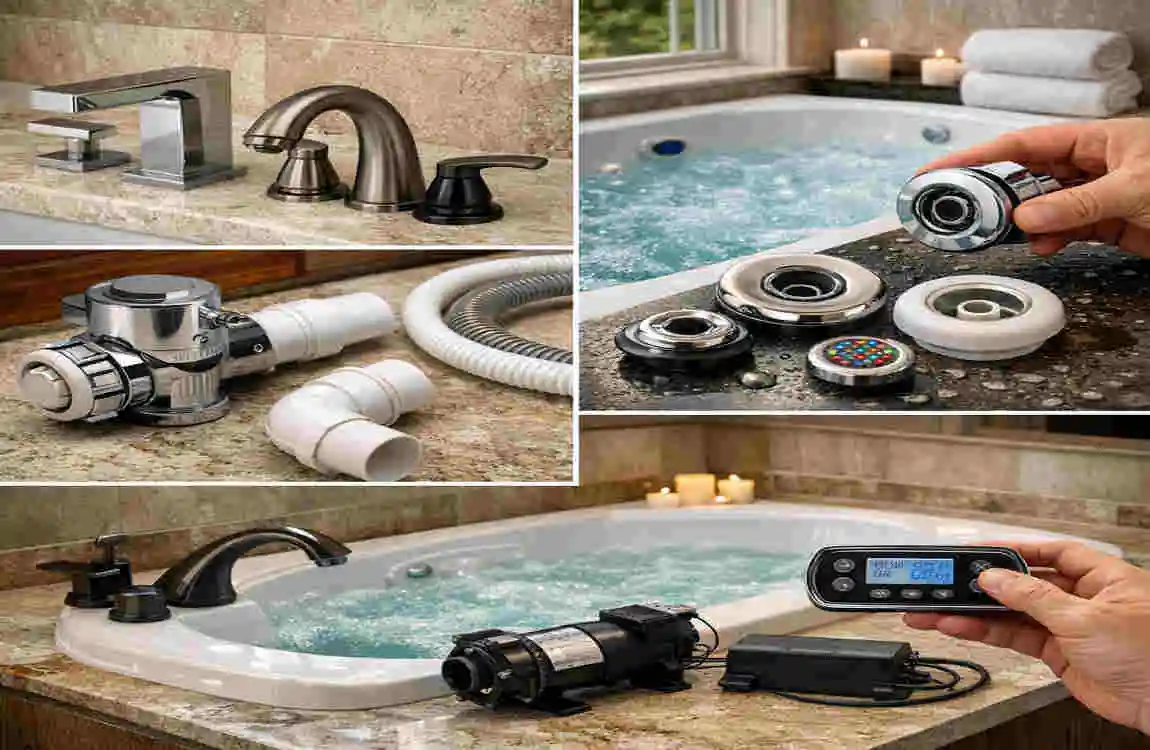
For a New Jacuzzi Installation
If you are building a new Jacuzzi bathroom, start with the manufacturer’s specifications. This gives you the exact requirements for supply, drainage, and connector types.
Plan the plumbing layout before installation begins. That helps you choose fittings that work together from the start.
When you buy the right parts early, the project usually goes more smoothly.
For Replacing Old Fittings
If you are replacing old fittings, first identify the exact size and connection type. Then inspect the surrounding plumbing to make sure there is no hidden damage.
It is also a good idea to replace worn seals, washers, or nearby connectors at the same time. That can prevent future leaks.
Replacing one part at a time without checking the whole system can leave problems behind.
For a Bathroom Remodel
A remodel gives you the chance to improve both style and function. You can coordinate the fittings with the new finish, hardware, and layout.
Still, style should never come before compatibility. The fittings must work with the plumbing system first, and then they can match the room design.
If you want a clean and modern look, choose fittings that are durable and visually simple.
FAQ: Jacuzzi Bathroom Plumbing Fittings
What plumbing fittings are needed for a Jacuzzi bathroom?
The exact parts depend on the tub and installation, but common fittings include supply connections, valves, drains, overflow fittings, connectors, and faucets.
Can I use standard bathroom fittings with a Jacuzzi?
Some standard fittings may work, but they must match the Jacuzzi’s specifications, connection sizes, and plumbing requirements.
What is the best material for Jacuzzi bathroom plumbing fittings?
Brass, stainless steel, and plumbing-grade plastic can all be used in different situations. The best one depends on durability needs, location, and manufacturer guidance.
How do I know what size Jacuzzi plumbing fittings I need?
Check the pipe diameter, connection type, existing plumbing, and the Jacuzzi documentation before buying anything.
How can I prevent leaks in Jacuzzi plumbing?
Use compatible fittings, quality seals, proper installation methods, and regular inspections. Professional help is a good idea for complex work.
Do Jacuzzi bathroom plumbing fittings need regular maintenance?
Yes. Regular checks can help you spot loose joints, worn seals, corrosion, buildup, or drainage issues early.
Should I hire a plumber to install Jacuzzi plumbing fittings?
Simple replacements may be manageable for skilled DIY homeowners, but new installations and complicated changes are usually better handled by a qualified plumber.
| Plumbing Fitting | What to Look For | Why It Matters |
|---|---|---|
| Faucet | Durable, corrosion-resistant material | Provides reliable water control |
| Water Supply Lines | Flexible and leak-resistant | Helps prevent leaks and water damage |
| Drain Fittings | Proper size and secure connections | Ensures fast, smooth drainage |
| Shower Fittings | Compatible with Jacuzzi plumbing | Supports comfortable water flow |
| Valves | Pressure-balanced or thermostatic | Maintains safe water temperature |
| Pipe Material | Quality PEX or approved piping | Improves durability and reduces leaks |
| Seals & Connectors | High-quality, watertight fittings | Prevents dripping around connections |
| Compatibility | Match fittings to the Jacuzzi model | Ensures proper installation and performance |
