

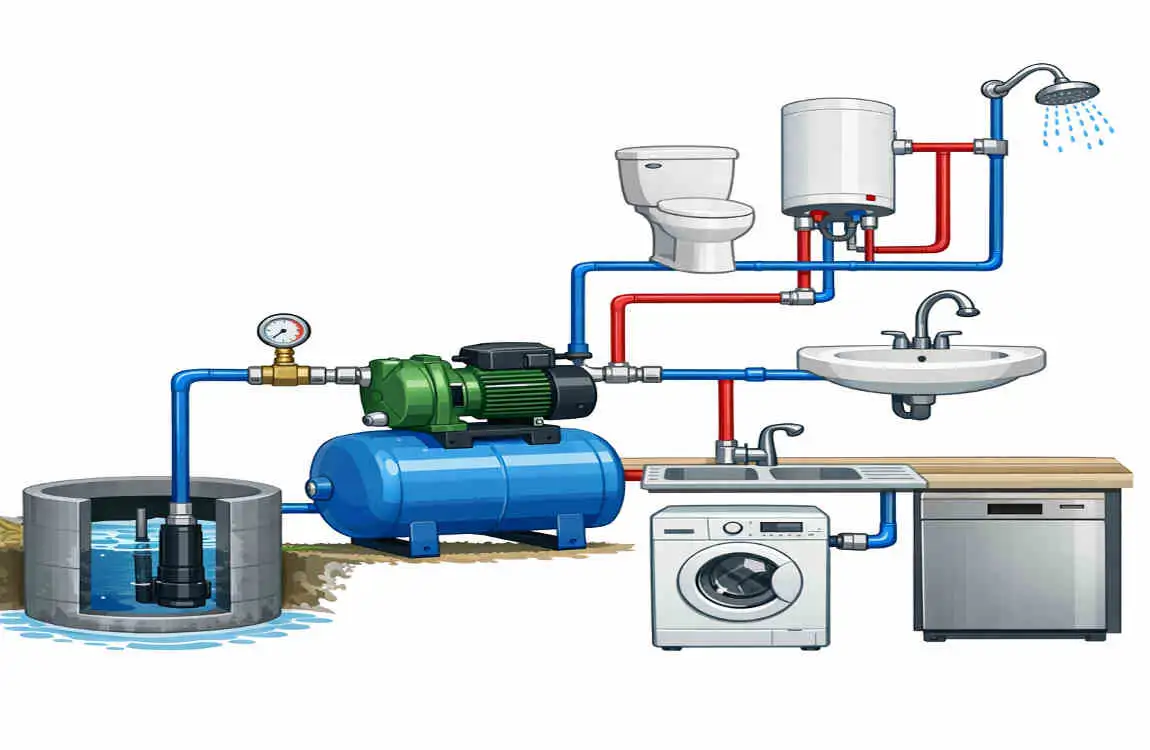
If you are planning which pipes to use for plumbing a water pressure booster, the first thing to know is this: the choice of pipe matters just as much as the pump itself. A booster pump can improve weak water flow, but only if the pipes can handle the pressure, the flow, and the type of connection you use.
In simple terms, the wrong pipe can limit performance, create leaks, or even damage the system over time. That is why you should always follow local plumbing codes and the booster manufacturer’s instructions before starting.
What Is a Water Pressure Booster?
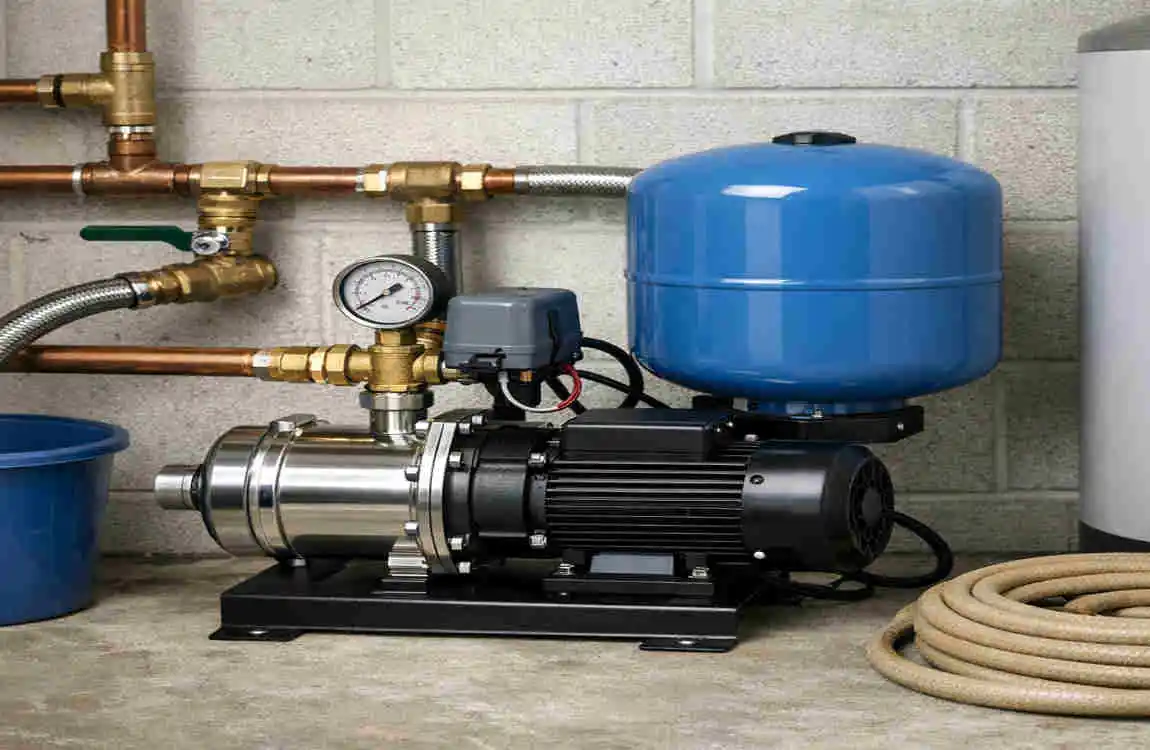
How a Water Pressure Booster Works
A water pressure booster pump helps push water through your home with more force. It is often used when the supply pressure is too low for normal daily use.
You may notice the difference most clearly at showers, taps, washing machines, and other fixtures that need steady flow.
When Do You Need a Pressure Booster?
You may need one if your home has:
- Low water pressure
- More than one floor
- Long pipe runs
- Several high-demand fixtures
If water feels weak in different parts of the home, a booster pump may help.
Why Pipe Selection Matters
Pipe choice affects flow capacity, pressure handling, durability, and compatibility with fittings and the pump. A strong pump cannot do its job well if the pipe is too small or not rated for the system pressure.
What Pipes to Use for Plumbing a Water Pressure Booster
PEX Pipes
PEX is a popular choice in many homes because it is flexible, easy to work with, and usually simple to install. It can reduce the number of joints, which may help lower the chance of leaks.
It works well in many residential pressure-booster setups, but you still need to check the pressure rating and local regulations.
Copper Pipes
Copper is durable, reliable, and widely trusted in home plumbing. It handles heat and pressure well, which makes it a strong option for booster systems.
It may cost more than some other materials, but many homeowners like it because of its long service life.
CPVC Pipes
CPVC is lightweight and corrosion-resistant. It can be a practical choice in certain water systems, especially where the water temperature remains within the pipe’s rating range.
It is important to confirm that the CPVC product is suitable for pressurized indoor water use before installing it.
PVC Pipes
PVC is not always the right choice for booster plumbing. Some PVC products are not designed for indoor pressurized water systems, so be careful here.
Always check whether the exact pipe is pressure-rated and approved by your local code. Do not assume all PVC is suitable.
Stainless Steel or Specialty Piping
In some systems, stainless steel or other specialty piping may be used. These options are usually chosen for greater durability, specialized pressure requirements, or specific site conditions.
They can cost more and may require more careful installation, so they are not always the first choice for a standard home.
Pipe Material Comparison
Pipe MaterialMain StrengthMain LimitationBest Use
PEX Flexible and easy to install Must be properly rated Many residential booster systems
Copper Very durable and proven Higher cost Long-lasting home plumbing
CPVC Lightweight and corrosion-resistant Must match temperature/pressure limits Some indoor water systems
PVC Inexpensive in some cases Not always suitable for pressurized indoor water lines Only when approved and rated
Stainless Steel Strong and durable More expensive Specialty or high-demand systems
How to Choose the Right Pipe Size
Common Residential Pipe Sizes
Pipe diameter affects how easily water can move through the system. In general, a larger pipe can carry more water with less restriction.
Common residential sizes include:
- 1/2-inch
- 3/4-inch
- 1-inch
There is no single best size for every home. The right size depends on the system design.
Match Pipe Size to the Booster Pump
Always check the pump’s inlet and outlet sizes. If the pipe is too small, it can restrict flow and make the pump work harder than it should.
Try to avoid unnecessary size reductions. A pipe that is too narrow can cause pressure loss.
Consider Flow Rate and Pressure
Two simple terms matter here:
- GPM means gallons per minute, or how much water moves
- PSI means pounds per square inch, or water pressure
If your home uses several fixtures at once, you may need a pipe size that supports higher flow rates without creating excessive resistance.
Essential Pipes, Fittings, and Components
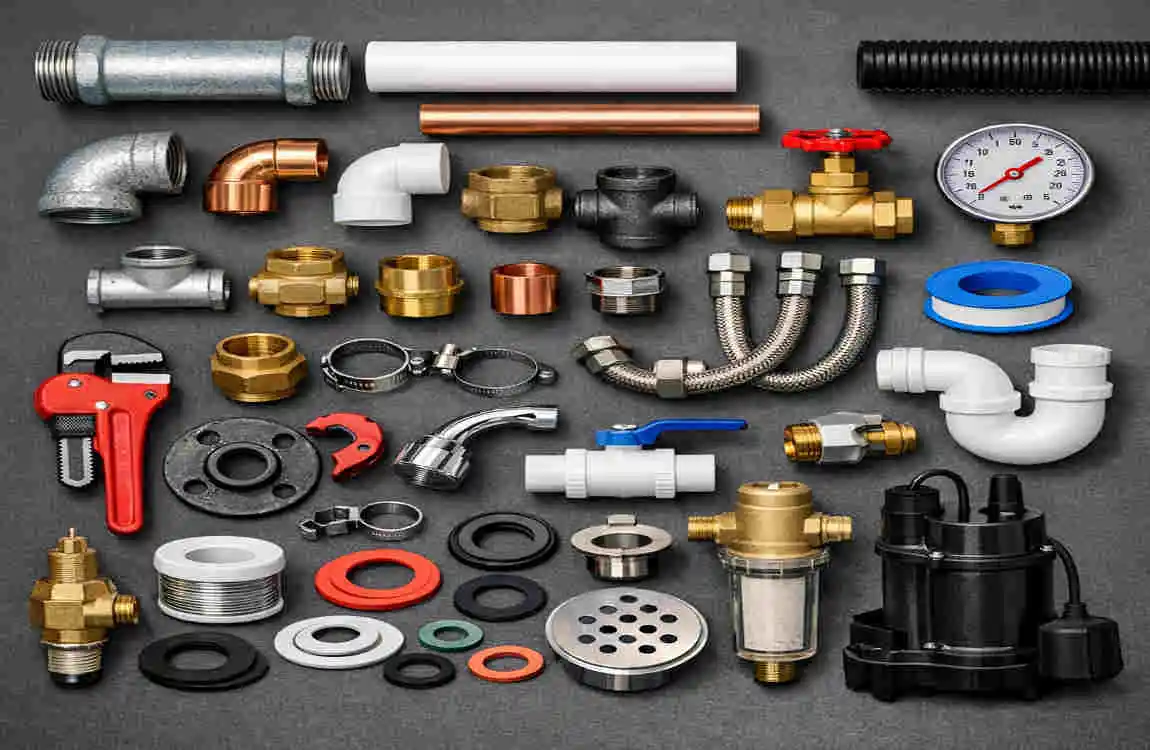
Shutoff Valves
Shutoff valves let you isolate the pump or part of the plumbing for repairs and maintenance. They are very useful when something needs to be serviced later.
Check Valves
A check valve helps stop water from flowing backward. This keeps the system working in the correct direction and protects the pump setup.
Unions and Flexible Connections
Unions and flexible connections make the pump easier to remove or replace. They also help reduce stress on the pipe connections.
Pressure Gauge and Pressure Controls
A pressure gauge lets you monitor how the system is performing. Pressure controls help keep the booster operating safely and consistently.
Water Pressure Booster Pipe Installation Tips
Plan the Pipe Route
Keep the pipe run short, direct, and practical. Too many bends or turns can slow water flow and reduce efficiency.
Connect the Booster Correctly
Always follow the pump’s inlet and outlet direction. Use fittings that match the pipe material and are approved for the pressure level.
Support and Protect the Pipes
Pipe supports matter. Secure the pipes so they do not shake, move, or rub against other surfaces.
This helps prevent wear, noise, and accidental damage.
Test for Leaks
After installation, check every joint carefully. Pressurize the system slowly and look for drips, weak spots, or unusual noise.
A careful test can save you from bigger problems later.
Common Pipe Selection and Installation Mistakes
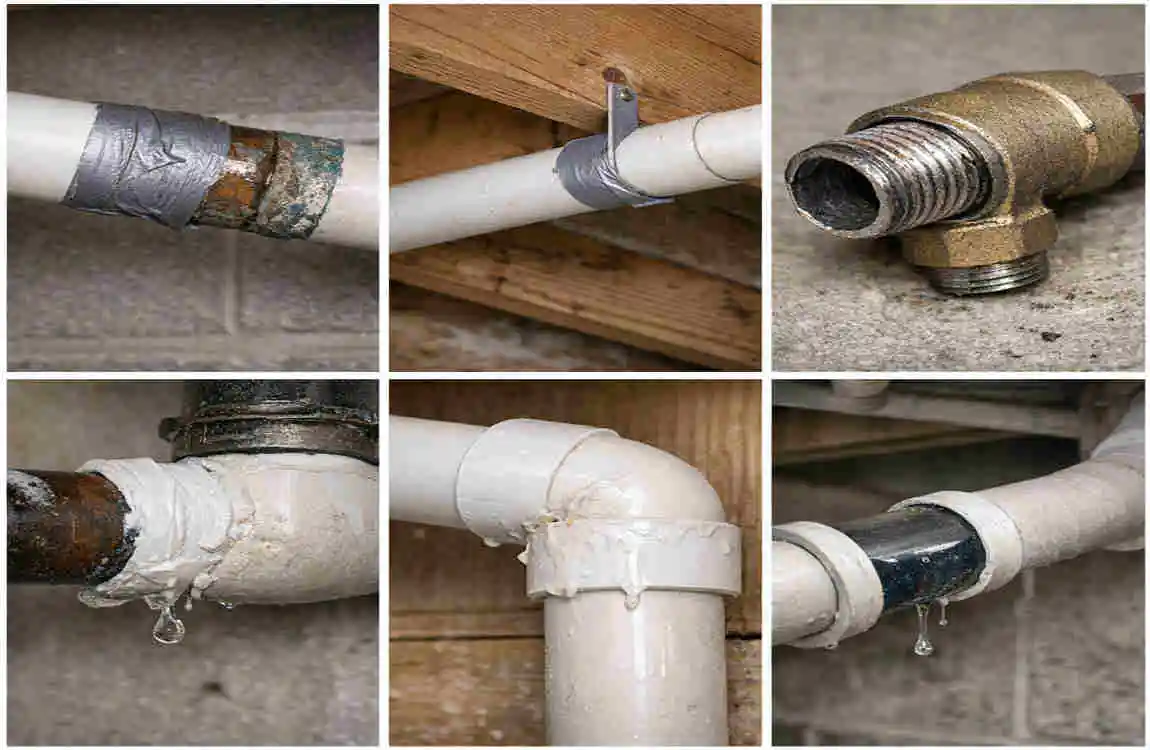
Some of the most common mistakes include:
- Choosing a pipe that is not pressure-rated
- Using the wrong pipe size
- Mixing incompatible materials
- Adding too many restrictive fittings
- Ignoring the manufacturer’s requirements
- Skipping shutoff or check valves
- Failing to test for leaks
- Not checking local plumbing rules
These mistakes can reduce performance and may lead to leaks or damage.
FAQs About Plumbing a Water Pressure Booster
What pipes are best for a water pressure booster?
PEX, copper, CPVC, or other approved pressure-rated pipe may work, depending on the system, code, and manufacturer instructions.
What pipes to use for plumbing a water pressure booster?
There is no single best answer. The right choice depends on pressure rating, pipe size, compatibility, and flow needs more than the material alone.
What size pipe should I use for a booster pump?
The size depends on the pump connections, your home’s water demand, and the full plumbing layout. The pump manual is the best place to start.
Can PEX be used with a booster pump?
Yes, properly rated PEX can often be used in residential booster systems if installed correctly and allowed by local requirements.
Should the booster pump have a check valve?
Often, yes. A check valve can prevent reverse flow, but the exact setup depends on the system design and the pump manufacturer.
Can a booster pump damage plumbing pipes?
It can, if the pressure is too high or the pipes are not properly rated. That is why pressure controls and correct pipe selection are so important.
| Topic | Simple Explanation |
|---|---|
| Purpose | Increases low water pressure throughout the plumbing system. |
| Main Component | A pressure booster pump pushes water through the pipes more effectively. |
| Best Location | Usually installed near the water supply entry point or storage tank. |
| Key Pipes | Connect the pump to the incoming supply and the home’s main distribution pipe. |
| Pressure Tank | Helps maintain steady pressure and reduces frequent pump cycling. |
| Check Valve | Prevents water from flowing backward through the system. |
