

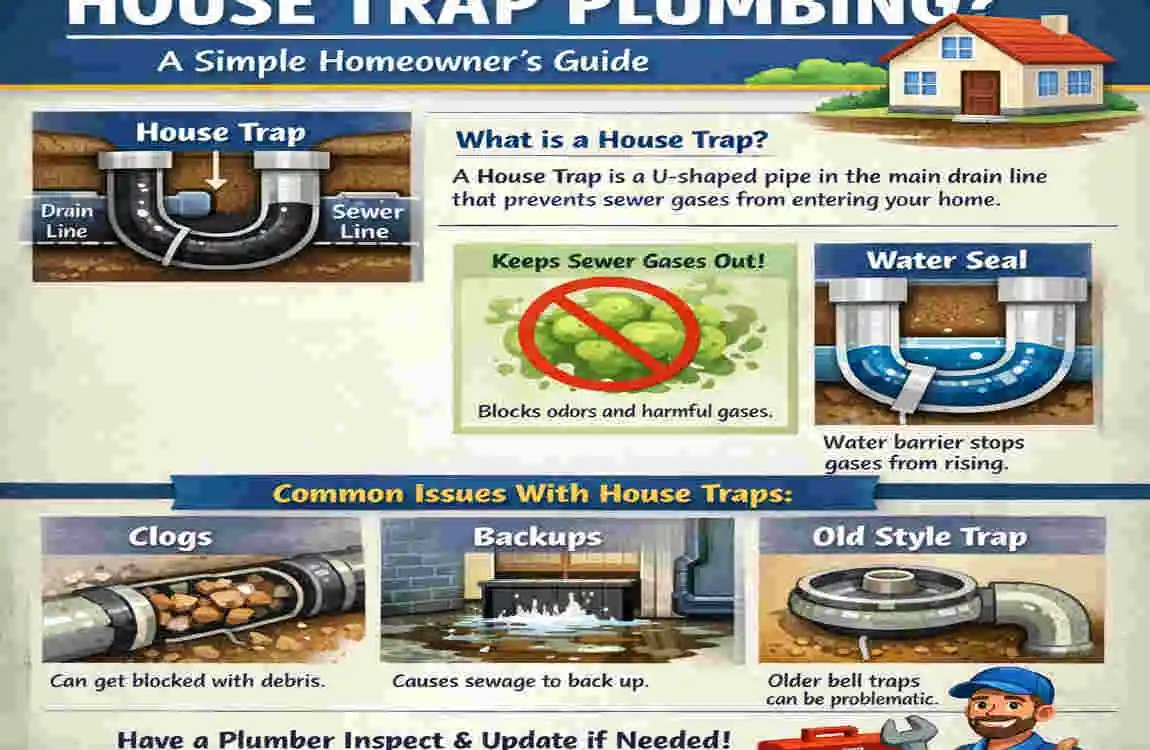
If you own an older home, you may hear the term “house trap” during a plumbing inspection or a drain repair. It can sound confusing at first, but the idea is actually simple.
A house trap is an older plumbing component used to prevent sewer gases from returning into the home. In many older properties, this device is still found on the main drain line. In modern homes, though, it is much less common.
What Is a House Trap Plumbing?
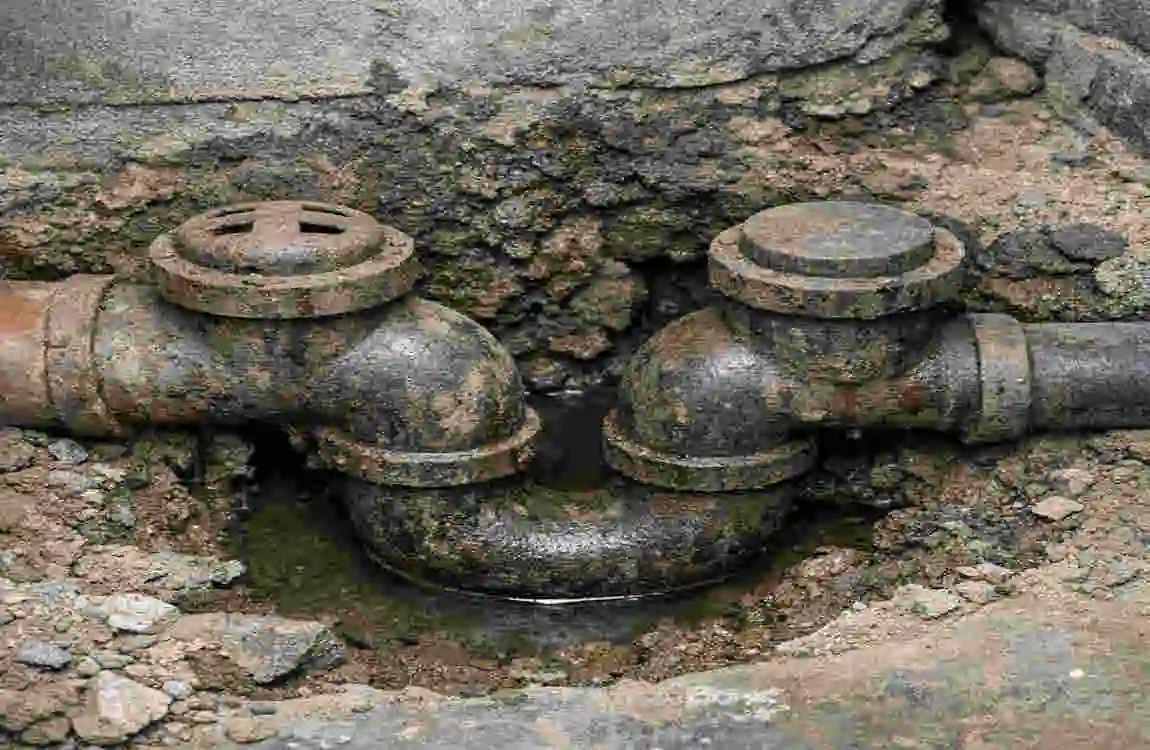
A house trap is a curved drain device installed on a home’s main sewer line. Its job is to hold a small amount of water inside the bend.
That water acts like a barrier. It helps stop sewer gas from moving back into the house through the drain system. In simple terms, it works a little like the trap under a sink, but on a larger scale.
The curved shape is the key. The water sits in that curve, helping block unwanted odours from entering the home. That is why house traps were once considered an important part of plumbing design.
How Does a House Trap Work?
The Water Seal
The most important part of a house trap is the water seal. When wastewater flows through the trap, some water stays behind in the curved section.
That standing water creates a seal. The seal helps prevent sewer gas from travelling back into the house. Without it, odours could move more easily through the drainage system.
Blocking Sewer Gases
Sewer gas is one of the main reasons house traps were used. No homeowner wants unpleasant odours in their living space.
The trap helps reduce this problem by creating a barrier between the home and the sewer line. It does not make the plumbing perfect, but it provides the system with a simple odour-control function.
Wastewater Flow
When water from sinks, tubs, toilets, or other fixtures moves through the drains, it eventually reaches the house trap. The wastewater flows through the curved pipe and then into the sewer line.
So even though the trap holds some water, it still allows drainage to continue. The water seal stays in place while wastewater moves through during normal use.
Where Is a House Trap Located?
House traps are usually found in older homes, especially in properties built before modern plumbing standards became common.
You may find them:
- In a basement
- Near the main sewer line
- Close to the exterior wall
- In an access area near the foundation
Sometimes the trap is visible, but not always. In some homes, it may be buried or hidden behind walls or flooring. That is why identifying it can be tricky.
If you are not sure where it is, a plumber may need to inspect the line and trace the main drainage path. This is often the easiest way to confirm what type of trap the home has.
Common Problems With House Trap Plumbing
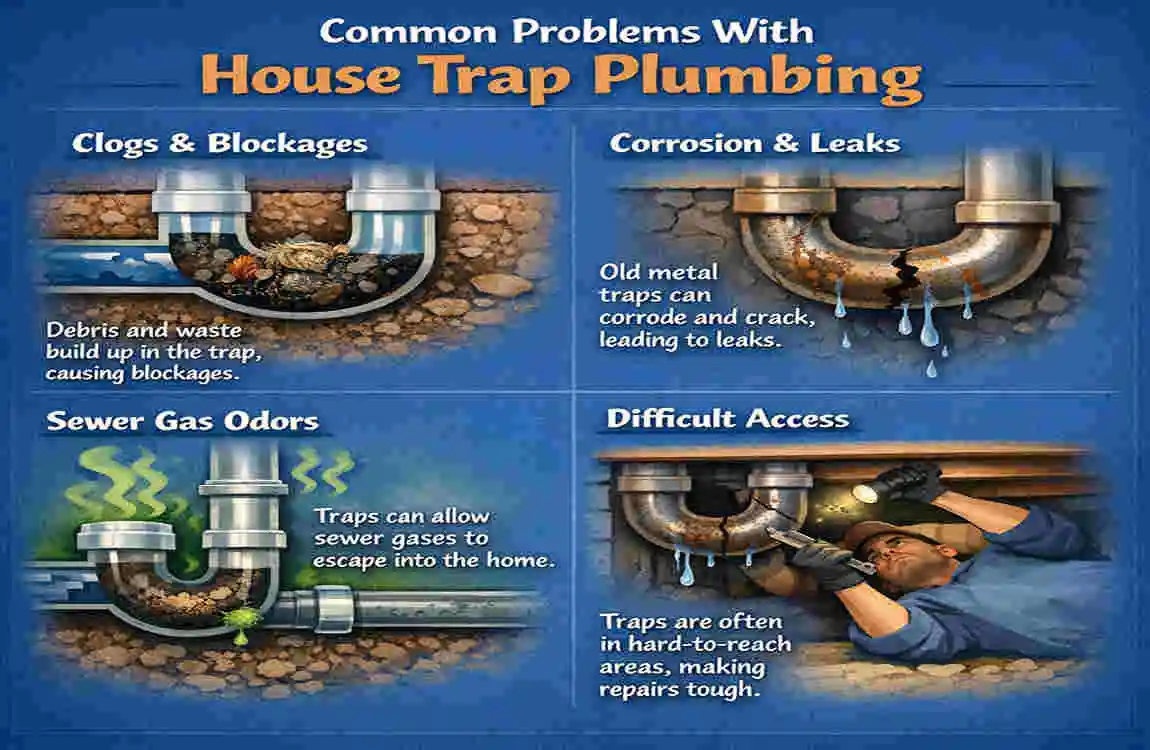
Clogs and Slow Drains
One of the biggest issues with older house traps is that they can collect debris. Because of the curved shape, waste and buildup may settle inside more easily.
Over time, this can lead to slow drainage or repeated clogs. If the home has older pipes, the problem may happen more often.
Sewer Backups
When a house trap becomes badly blocked, wastewater may not drain properly. In more serious cases, this can lead to backups.
A backup is never fun. It can cause bad smells, poor drainage, and even water damage if the problem is severe enough.
Difficult Cleaning and Repairs
Older traps are often harder to clean than modern plumbing parts. Some do not have easy access points, which makes maintenance more difficult.
That means a simple clog can turn into a bigger repair job. In some cases, the plumber may need to open the line or use specialised tools to clear it.
Missing or Damaged Cleanouts
A cleanout is an access point that helps plumbers inspect and clear the drain. Some older systems have damaged, missing, or hard-to-reach cleanouts.
When that happens, even routine service becomes more complicated. This is another reason why older house trap systems can be frustrating for homeowners.
Do Modern Homes Still Use House Traps?
In most modern plumbing systems, house traps are not commonly used.
Today’s systems usually rely on fixture traps, such as those under sinks, tubs, and showers. These smaller traps serve the same basic purpose for each fixture, while plumbing vents help move air through the system.
Modern codes also favour better venting and improved drainage design. That means the whole system works more efficiently, without needing a house trap on the main line.
Still, older homes may continue to have them. If your home has not been updated, the trap may still be part of the original plumbing layout.
Should You Remove or Replace a House Trap?
This is a common question, and the answer depends on the home, the plumbing layout, and local rules.
In some cases, removal may be recommended if the trap is old, damaged, or causing drainage problems. A replacement may improve flow and make future maintenance easier.
But this is not a casual DIY decision. House trap changes may involve local plumbing codes, permits, and inspection rules. That is why it is best to have a licensed plumber look at the system first.
A professional can tell you whether the trap should stay, be repaired, or be removed and replaced with modern components.
Possible Reasons for Removal
- The trap is old and causing clogs
- The drain line needs updating
- The plumbing no longer meets current code
- Access and cleaning are too difficult
- The system would work better with modern venting
Possible Risks of Removing It
- The work may require permits
- The drain system may need redesign
- Incorrect removal could cause new problems
- Local code may require specific replacement methods
So before making changes, always get a proper inspection.
House Trap Plumbing Maintenance Tips
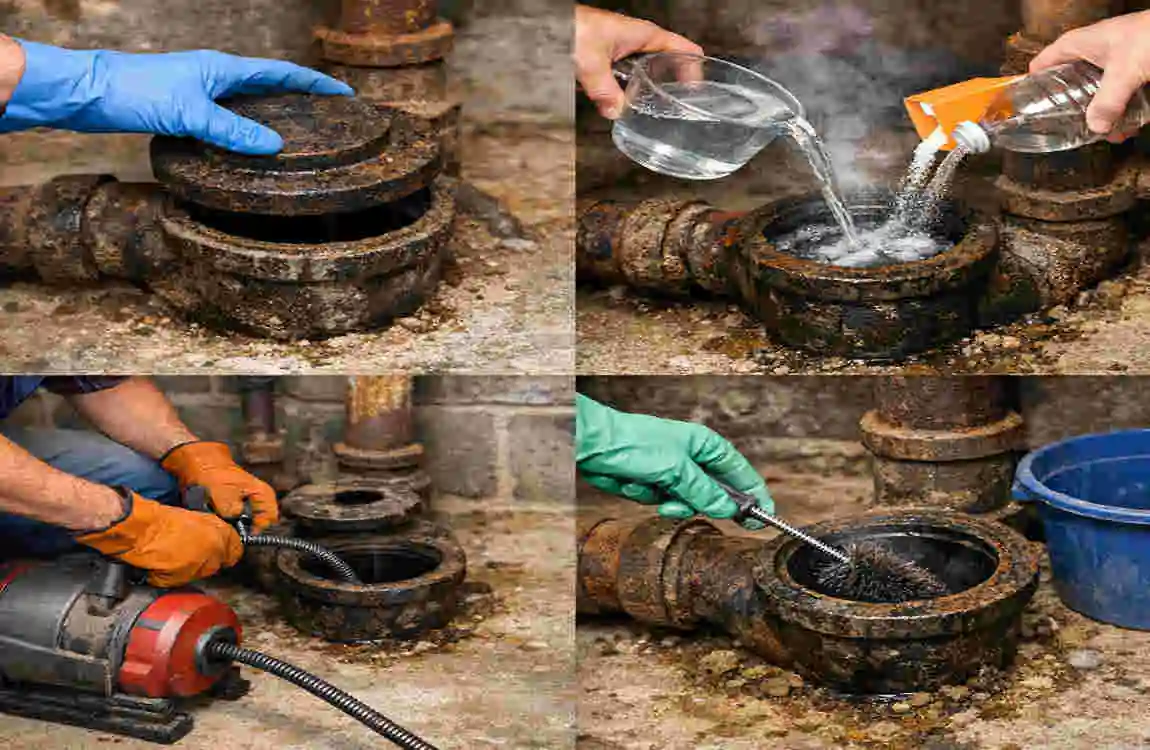
Even if you are not planning a replacement, a little care can help reduce problems.
Here are a few simple tips:
- Do not pour grease down drains
- Avoid flushing large debris
- Watch for slow drains
- Pay attention to recurring sewer smells
- Use cleanouts correctly when available
- Schedule drain cleaning when needed
- Have older plumbing checked regularly
These habits can help you catch trouble early before it becomes expensive.
Common Signs Your House Trap May Need Attention
A house trap does not always fail suddenly. Often, it gives warning signs first.
Look for:
- Slow drains throughout the house
- Repeated clogs
- Bad sewer odours
- Gurgling sounds in drains
- Water backing up in lower fixtures
- Difficulty clearing the main line
If you notice these signs, it is a good idea to call a plumber. The issue may not be the trap itself, but the trap is one possible place to check.
FAQ: What Is a House Trap Plumbing?
What is a house trap plumbing?
A house trap is an older plumbing device installed on a home’s main drain line to help block sewer gases from entering the building.
Why do old houses have house traps?
Older homes often have house traps because they were once used as a main barrier against sewer odours.
Are house traps still used today?
House traps are generally uncommon in modern plumbing systems because newer systems use fixture traps and improved venting.
Can a house trap cause plumbing problems?
Yes. Older house traps can collect debris, contributing to clogs, slow drainage, and sewer backups.
Should I remove my house trap?
Removal depends on your plumbing system, local building codes, and the trap’s condition. A professional plumber can inspect the system and recommend the best solution.
How do I know if my house has a house trap?
A house trap may be located on the main sewer line, often in a basement or near an exterior sewer connection. A plumber can confirm its location.
| Aspect | Information |
|---|---|
| What Is a House Trap? | A U-shaped or curved plumbing trap installed on the main sewer line. |
| Main Purpose | Prevents sewer gases from entering the home. |
| How It Works | Holds water inside the trap to create a protective seal. |
| Common Location | Usually found underground near the foundation or basement. |
| Potential Problem | It can collect debris and cause frequent sewer clogs. |
| Modern Plumbing | Newer homes generally use individual fixture traps and venting instead. |
| Maintenance Tip | Professional cleaning may be needed if drainage becomes slow or blocked. |
