

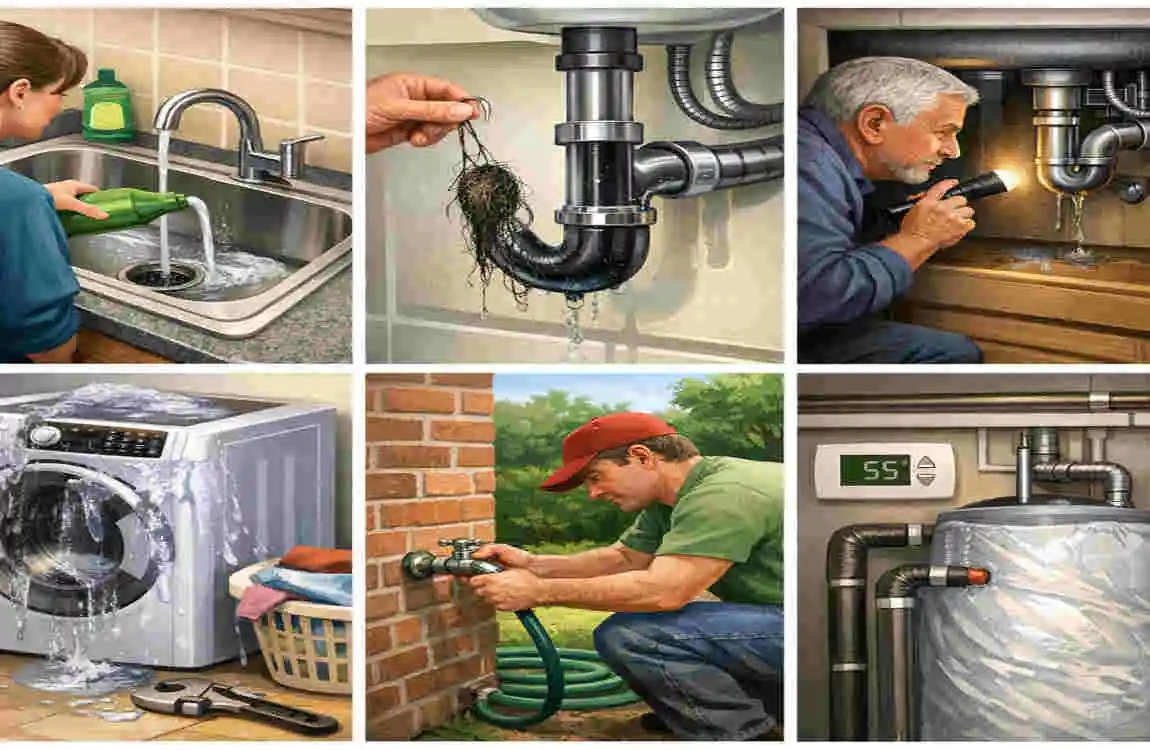
If you want to know how to prevent plumbing problems in your home, the best answer is simple: stay ahead of small issues before they turn into big ones. Most plumbing trouble does not happen all at once. It usually starts small, like a slow drip, a minor clog, or a pipe that begins to wear out over time.
That is why prevention matters so much. A little attention now can help you avoid water damage, expensive repairs, and a lot of stress later. You do not need to be a plumber to protect your home. You need a few good habits, a basic inspection routine, and a clear idea of what warning signs to watch for.
Why Plumbing Prevention Matters in Every Home
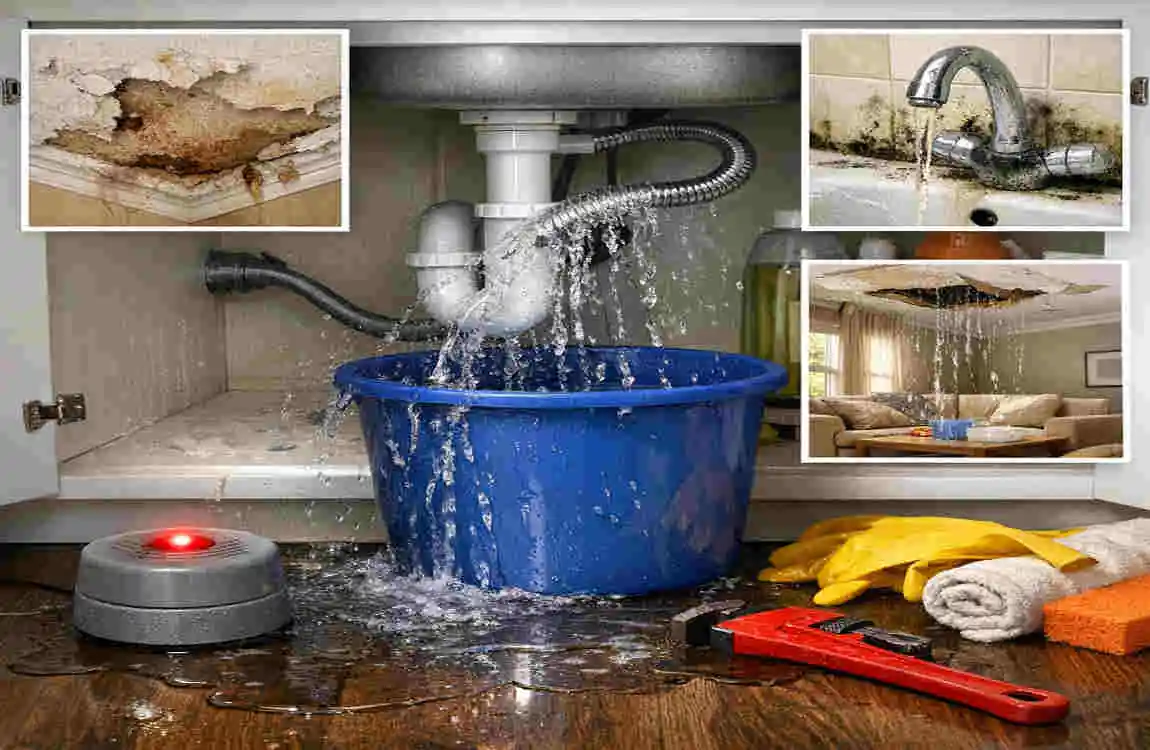
Plumbing problems often start quietly. A tiny leak may not seem serious today, but over time it can damage cabinets, walls, floors, and even the structure of your home.
Small issues can become expensive repairs.
A dripping faucet may seem harmless. A slow drain may seem annoying but not urgent. But both can point to deeper plumbing trouble.
If you ignore them, you may end up with water damage, mould, higher water bills, or a bigger repair job than expected.
Common plumbing problems homeowners face
Some of the most common plumbing issues include:
- Leaky faucets
- Clogged drains
- Running toilets
- Low water pressure
- Pipe leaks
- Frozen pipes
- Bad odours from drains
These problems are common, but they are not something you should live with. Many of them can be prevented or caught early.
The value of regular maintenance
A regular plumbing check helps you spot trouble before it spreads. It also gives you a chance to clean, tighten, and inspect the parts of your home that use water every day.
That is one of the smartest ways to protect your home and your budget.
How to Prevent Plumbing Problems in Home
If you want to learn how to prevent plumbing problems in your home, start with simple habits. You do not need complicated tools or expensive equipment.
Create a simple routine.
Walk through your home regularly and check:
- Pipes
- Faucets
- Drains
- Toilets
- Under-sink areas
- Water-using appliances
Look for drips, moisture, rust, stains, or anything that seems unusual.
Fix small leaks early.
A leaking faucet or pipe should never be ignored. Even a small leak can waste water and create hidden damage over time.
If you catch the issue early, the fix is usually easier and cheaper.
Watch your water pressure.
Water pressure that is too high can stress pipes and fixtures. Water pressure that is too low may point to a clog, leak, or supply problem.
If something feels off, it is worth checking.
Pay attention to strange sounds or smells.
Plumbing often gives warning signs. Gurgling drains, banging pipes, or unpleasant smells can mean something is building up or breaking down.
Do not ignore those signs. They are often early clues.
Know where the shut-off valve is
Every homeowner should know where the main water shut-off valve is located. If a pipe bursts or a leak worsens, quickly turning off the water can reduce damage.
This one step can save a lot of trouble in an emergency.
Keep fixtures clean
Clean sinks, faucets, toilets, and drains regularly. Dirt, soap buildup, hair, and mineral deposits can all create plumbing problems over time.
A little cleaning goes a long way.
Protect Your Drains From Clogs
Drain clogs are one of the most common plumbing problems in any home. The good news is that many of them are easy to prevent.
Keep the wrong items out of drains.
Do not pour these into your kitchen drain:
- Grease
- Oil
- Coffee grounds
- Food scraps
- Fibrous waste
These materials can stick to the inside of pipes and slowly build up blockages.
Use drain screens
Drain screens are simple and affordable. They catch hair, soap bits, and other debris before it goes down the drain.
That makes them especially useful in bathrooms and kitchen sinks.
Clean drains regularly
You do not need harsh chemicals for regular care. Warm water, gentle cleaning methods, and occasional drain maintenance can help keep things moving.
Avoid overusing chemical drain cleaners.
Chemical drain cleaners may seem like a quick fix, but repeated use can damage pipes and fixtures.
They can also be rough on older plumbing. For minor buildup, safer methods are usually better.
Stop clogs before they repeat.
If a drain keeps clogging, the problem may be deeper than surface buildup. In that case, do not just keep clearing it repeatedly. Find out what is causing the issue.
Take Care of Toilets, Sinks, and Faucets
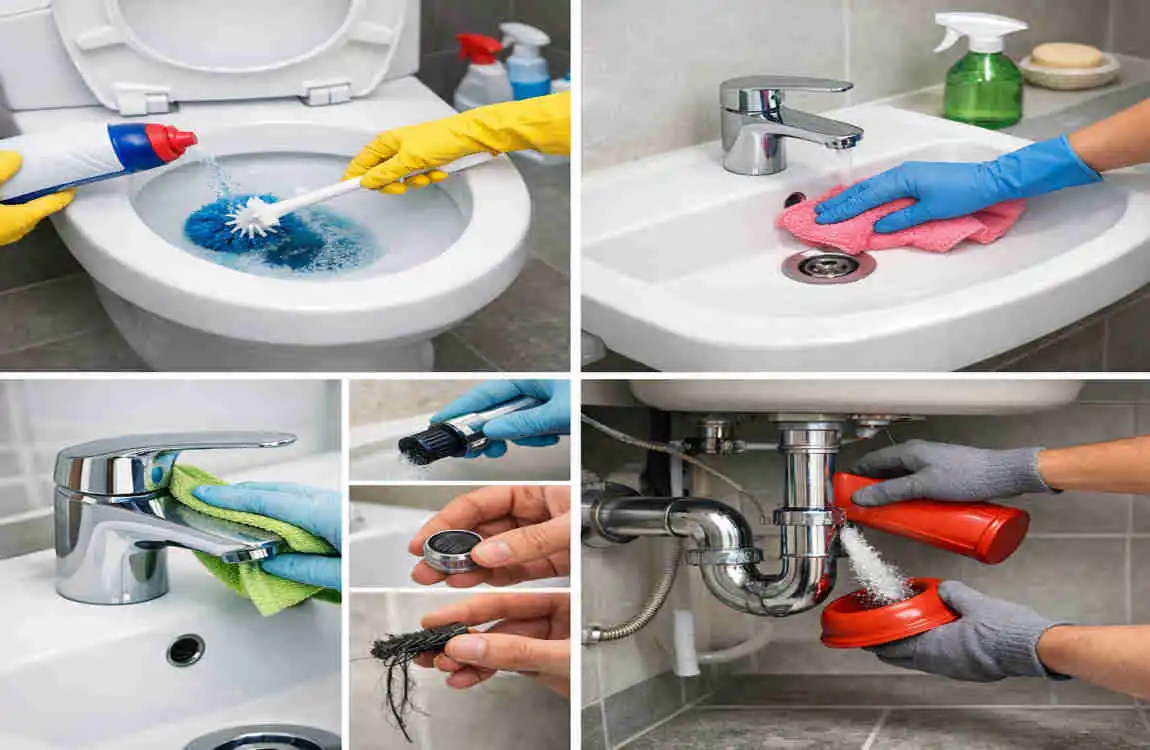
These are the plumbing parts you use every day, which means they need regular attention.
Use toilets the right way.
Only flush toilet paper and waste that the toilet is designed to handle. Items like wipes, paper towels, and hygiene products can cause serious blockages.
Even if a product says “flushable,” it is often safer not to flush it.
Check toilet tanks and seals.
A toilet can leak quietly without making much noise. Check the tank, base, and seals for signs of water.
If the toilet runs longer than it should, that can also signal a problem inside the tank.
Watch for faucet wear.
Faucet leaks often happen because washers, seals, or cartridges wear out. If a faucet drips or feels loose, do not wait too long to address it.
Inspect under sinks
Open the cabinet under sinks from time to time and look for:
- Moisture
- Mold-like smells
- Water stains
- Swollen wood
- Drips from pipes
These are often early signs of a hidden leak.
Know when DIY is enough.
A simple faucet washer replacement or drain cleaning may be a good DIY job. But if the problem keeps coming back, or if you are unsure what is wrong, call a plumber.
It is better to get help early than to create a bigger issue later.
Prevent Pipe Leaks, Water Damage, and Frozen Pipes
Pipes are hidden in many places, so problems are not always easy to see right away.
Inspect exposed pipes
Look at visible pipes in basements, laundry areas, under sinks, and utility spaces. Check for:
- Rust
- Moisture
- Cracks
- Corrosion
- Loose fittings
These warning signs can help you catch pipe trouble early.
Watch for hidden leaks.
Some leaks stay out of sight for a while. You may notice them through:
- A higher water bill
- Stains on walls or ceilings
- Damp floors
- Mold-like smells
- Cabinets that feel soft or swollen
If you notice any of these signs, investigate quickly.
Protect pipes in cold weather.
Frozen pipes can burst and cause major damage. If you live in a cold climate, insulation matters.
Focus on exposed pipes in unheated spaces like garages, attics, and crawl spaces. Keeping those pipes warmer can reduce the risk of freezing.
Control pressure and strain
Too much pressure can stress your plumbing system. If pipes are under pressure too often, they may wear out faster.
Keeping an eye on the system can help avoid bigger failures later.
Act quickly when you find a problem.
The faster you respond to a leak or damaged pipe, the less damage it can cause. Quick action often means a smaller repair bill too.
Create a Simple Home Plumbing Maintenance Schedule
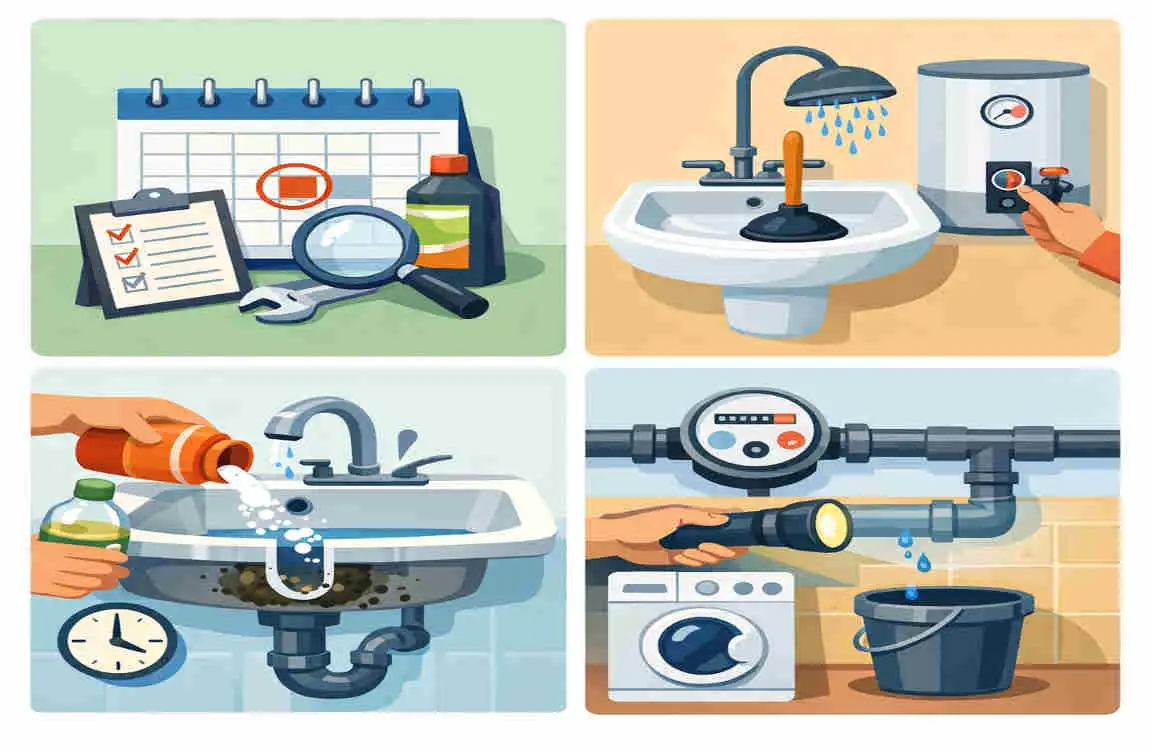
A schedule makes plumbing care easier. Instead of trying to remember everything at once, you can break it into manageable steps.
Monthly tasks
Once a month, check:
- Faucets
- Toilets
- Drains
- Visible pipes
- Under-sink areas
Look for leaks, drips, rust, and buildup.
Seasonal tasks
Each season, inspect:
- Outdoor hoses and spigots
- Exterior pipes
- Basement plumbing
- Cold-weather pipe protection
This is especially important before winter and after heavy rain or temperature changes.
Annual tasks
Once a year, consider a professional plumbing inspection. A plumber may spot early problems that are easy to miss.
This can be especially helpful if your home is older or if you have had plumbing trouble before.
Keep records
Write down repairs, replacement dates, and any recurring issues. This helps you track patterns and know when parts may need attention again.
FAQ: Preventing Plumbing Problems at Home
What is the easiest way to prevent plumbing problems?
The easiest way is to inspect fixtures regularly, repair leaks quickly, and avoid putting the wrong things down drains or toilets.
How often should home plumbing be inspected?
You can do basic checks often on your own. A professional inspection once a year is a smart idea, especially for older homes.
What should never go down a kitchen drain?
Avoid grease, cooking oil, coffee grounds, fibrous food waste, and other items that can create buildup and clogs.
How can I prevent toilet plumbing problems?
Flush only toilet paper and waste, avoid overloading the toilet, and check tanks and seals for leaks or weak flushing.
How do I prevent hidden plumbing leaks?
Watch for damp spots, stains, mould-like odours, running fixtures, and unusual water bills.
When should I call a professional plumber?
Call a plumber for major leaks, burst pipes, sewer issues, recurring clogs, low or high water pressure, or problems you cannot safely fix yourself.
What is the best way to maintain home plumbing?
The best approach is a mix of regular inspections, good drain habits, quick leak repairs, seasonal checks, and professional maintenance when needed.
| Plumbing Prevention Tip | What to Do | Main Benefit |
|---|---|---|
| Check for Leaks | Inspect faucets, pipes, and toilets regularly | Prevents water damage |
| Avoid Clogged Drains | Keep grease, hair, and food out of drains | Reduces blockages |
| Protect Pipes | Insulate exposed pipes in cold weather | Helps prevent freezing |
| Check Water Pressure | Monitor unusually high pressure | Protects pipes and fixtures |
| Clean Drains | Flush drains with safe cleaning methods | Keeps water flowing smoothly |
| Maintain Water Heater | Inspect and service it regularly | Improves efficiency and lifespan |
