

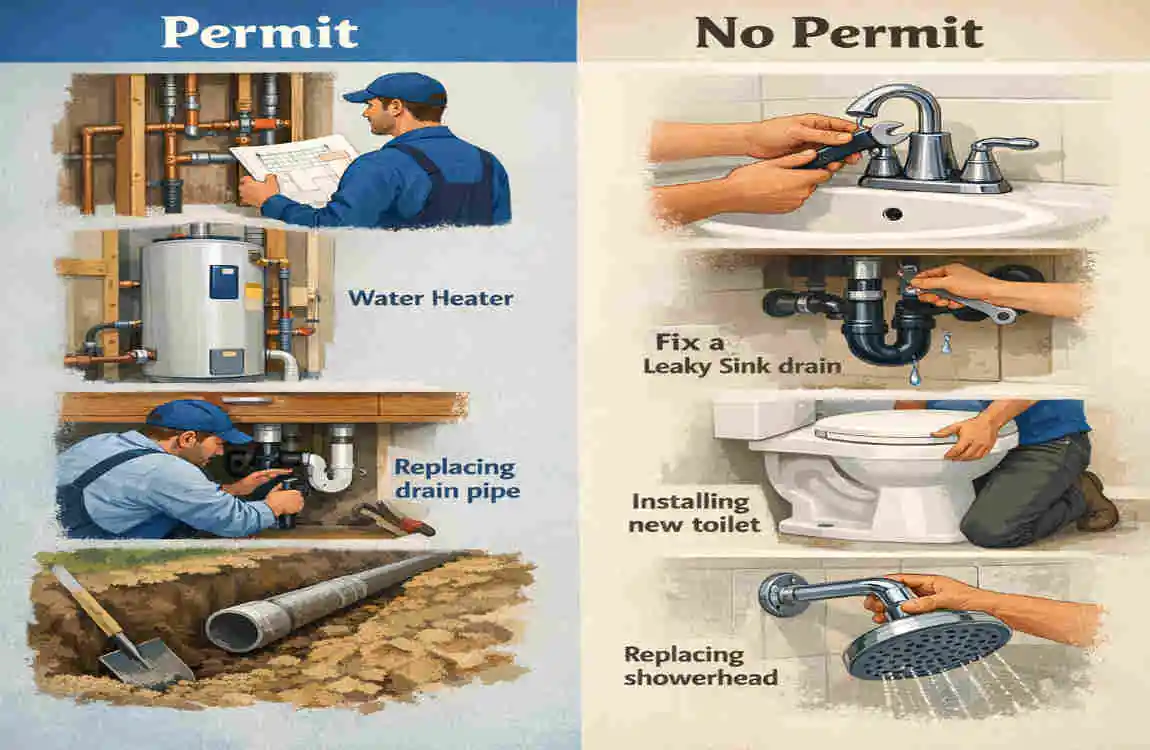
If you are asking whether it is illegal to do plumbing without a permit, the honest answer is: it depends on where you live and what kind of plumbing work you are doing.
Some small repairs may not need a permit. Bigger jobs often do. That is why it is so important to know the local rules before you start. A plumbing project may look simple, but if it involves changes to pipes, drains, fixtures, or the system layout, a permit may be required.
Is It Illegal to Do Plumbing Without a Permit?
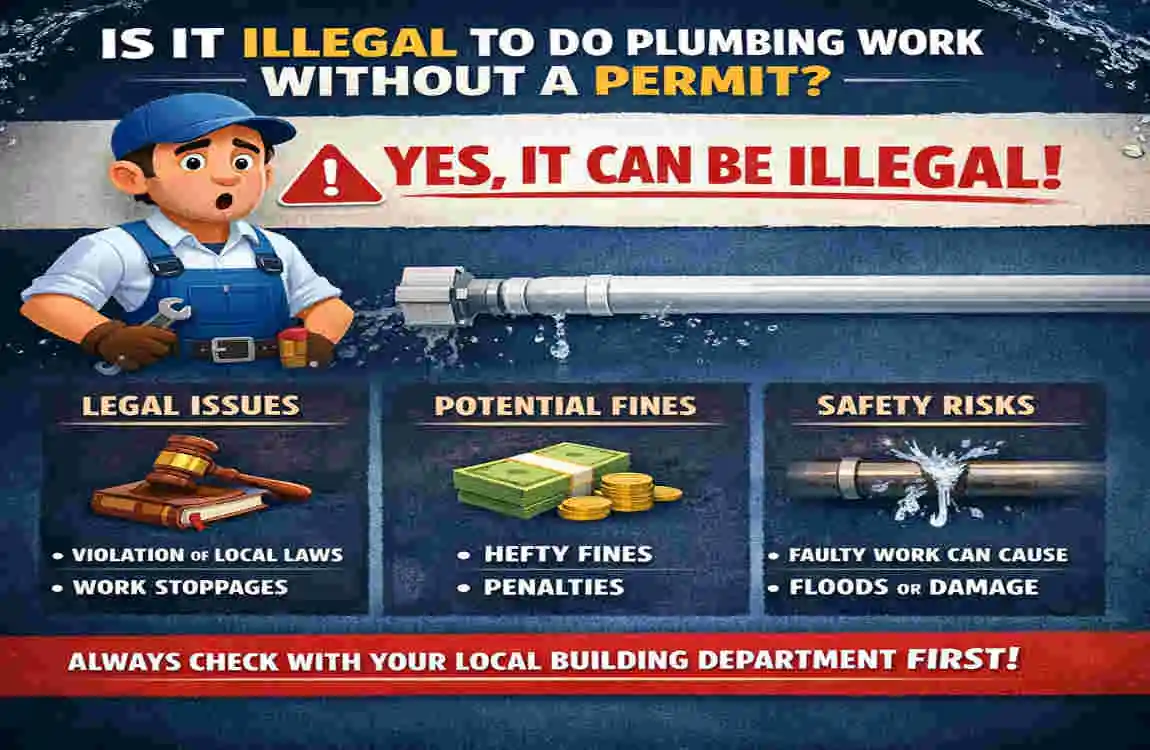
There is no single rule that applies everywhere. Local building departments, plumbing offices, and code enforcement teams set their own permit rules.
That means the same plumbing job may be allowed without a permit in one place and require one in another. So the safest approach is simple: check before you start.
If your project requires a permit and you skip it, that can be a violation of local regulations. The issue is not just paperwork. Permits help make sure plumbing work is safe, code-compliant, and properly documented.
When a Plumbing Permit Is Usually Required
A permit is often needed for work such as:
- New plumbing installations
- Moving or adding fixtures
- Installing new water or sewer lines
- Major kitchen or bathroom remodels
- Replacing large parts of a plumbing system
- Work tied to structural changes or major renovations
If the work changes the system in a meaningful way, a permit is more likely to be required.
When a Permit May Not Be Required
Some smaller jobs may not need a permit, such as:
- Basic maintenance
- Minor repairs
- Replacing certain existing fixtures
- Simple fixes that do not change the plumbing system
But do not assume. Rules vary by city, county, and state. What counts as a small repair in one place may still require approval elsewhere.
What Plumbing Work Usually Needs a Permit?
It helps to think about the difference between repair, replacement, alteration, and new installation.
A repair may fix a problem without changing the system. A replacement may swap one part for another. An alteration may move or change the plumbing layout. A new installation adds something that was not there before.
The more the project changes the system, the more likely it is to need a permit.
Bathroom Plumbing
Bathrooms often trigger permit requirements because they involve both water supply and drainage.
Common bathroom jobs that may need a permit include:
- Moving a toilet, shower, sink, or tub
- Adding a new bathroom
- Installing new supply or drain lines
- Changing fixture locations during a remodel
If you are opening walls or floors to reroute plumbing, that is a strong sign a permit may be needed.
Kitchen Plumbing
Kitchen projects can also involve permit rules, especially when plumbing locations change.
Examples include:
- Moving a sink
- Moving or adding a dishwasher
- Installing new drain lines
- Adding plumbing for a new appliance
Even if the kitchen still looks simple on the outside, the work behind the wall may be much more serious.
Water Heaters and Major Plumbing Systems
Water heaters can be a special case. They may involve plumbing, gas, electricity, or venting.
Because of that, they often have separate permit or inspection rules. Some installations also require licensed professionals, especially if the job touches gas lines or major system connections.
DIY Plumbing: Can a Homeowner Do Their Own Plumbing?
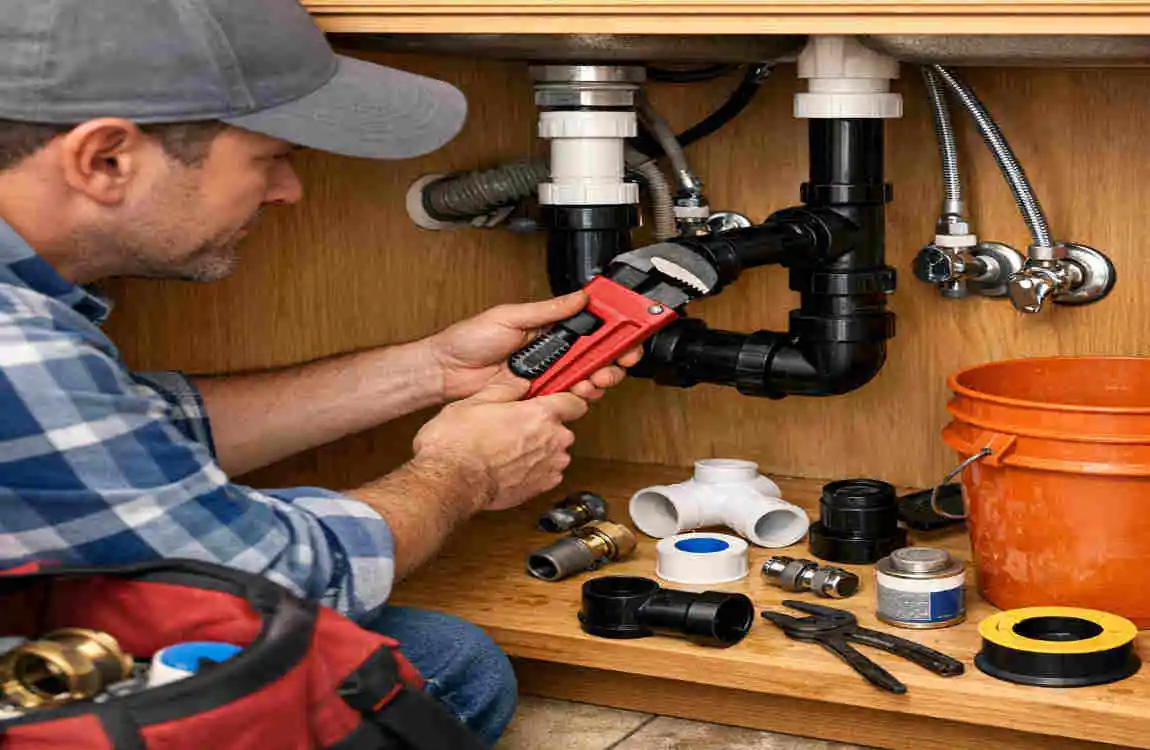
In some places, yes, homeowners can do certain plumbing work on their own property. But that does not mean they can ignore permit rules.
This is where many people get confused. You may be allowed to do the work yourself, but you still need a permit.
Some areas also have owner-occupier exemptions, which allow homeowners to perform certain tasks in their own homes. Even then, those exemptions may not cover every type of work.
DIY Plumbing vs Hiring a Licensed Plumber
Here is the simple difference:
DIY PlumbingLicensed Plumber
May save money Usually costs more upfront
Can work for small, simple jobs Better for complex jobs
Requires careful code checking Handles code and permit details
May be allowed for some homeowners Often required for regulated work
Risk of mistakes if you are inexperienced Lower risk when work is complicated
For a small, simple task, DIY may be fine if local rules allow it. For larger projects, hiring a licensed plumber is often the better choice.
A professional can also help with:
- Code compliance
- Inspections
- Proper documentation
- Safer installation
- Fewer problems during a future home sale
That paperwork matters more than many homeowners realise.
What Happens If You Do Plumbing Without a Required Permit?
If a permit was required and the work was done without one, the consequences can vary. Not every city or county uses the same penalties, but the possible outcomes are similar.
You may face:
- A notice to correct the work
- Fines or extra permit fees
- Required inspections
- Corrective repairs
- Removal and rebuilding of non-compliant work
In serious cases, the city may require part of the plumbing to be opened up or redone. That can make a small shortcut very expensive.
There can also be problems later when you try to sell the property. Unpermitted work may raise questions during inspection, financing, or insurance review.
Can You Get a Permit After Plumbing Work Is Completed?
Sometimes, yes. This is often called an after-the-fact permit or retrospective permit.
But approval is not guaranteed. The work may need inspection, and if it does not meet code, corrections may be required.
That is why it is better to contact the local permitting office right away instead of hoping the issue goes away.
How to Know If Your Plumbing Project Needs a Permit
A simple way to think about it is this:
- Identify the exact work
- Check whether the plumbing layout changes
- Ask the local building or plumbing department
- Confirm whether DIY work is allowed
- Find out if a licensed plumber must apply
- Ask whether an inspection is required
- Keep all records
This process takes a little time, but it can save you a lot of trouble.
Questions to Ask Your Local Building Department
When you call or visit, ask:
- Does this plumbing project require a permit?
- Can a homeowner do the work?
- Does the plumber need to be licensed?
- What documents are needed?
- Is an inspection required?
- What fees apply?
- Are there special rules for older homes or additions?
These questions give you a clearer answer than guessing ever will.
Plumbing Permits, Inspections, and Building Codes
Permits and inspections work together. The permit permits you to do the work. The inspection confirms that it was done properly.
A typical process looks like this:
- Apply for the permit
- Submit project details
- Complete the work
- Schedule inspection if needed
- Fix any problems found
- Keep the final approval record
Plumbing codes exist to protect people and property. They help with:
- Safe water supply
- Proper drainage
- Venting
- Leak prevention
- Sanitary conditions
Passing an inspection is a good sign, but it does not automatically approve every part of a larger remodel under every other rule. Other building, electrical, or zoning rules may still apply.
Why Plumbing Codes Matter
Codes may seem annoying, but they serve a real purpose. They help prevent water damage, bad drainage, unsafe venting, and contamination.
In short, they help keep plumbing systems working safely for the long term.
How to Get a Plumbing Permit
The permit process usually starts with the local authority responsible for building or plumbing regulations.
Here is the usual path:
- Identify the project
- Describe the work clearly
- Fill out the permit application
- Submit drawings if required
- Pay the fee
- Wait for approval if needed
- Complete the work as approved
- Schedule inspection
- Keep the records
If you are hiring a plumber, ask whether they will handle the permit. Many licensed professionals do.
Common Mistakes to Avoid
A few mistakes come up again and again:
- Assuming small jobs never need permits
- Starting before approval
- Using an unlicensed contractor for regulated work
- Forgetting the inspection
- Covering pipes before they are checked
- Ignoring local code changes
- Assuming every city has the same rules
A little checking at the start can save a lot of repair work later.
Plumbing Permit Costs and Timelines
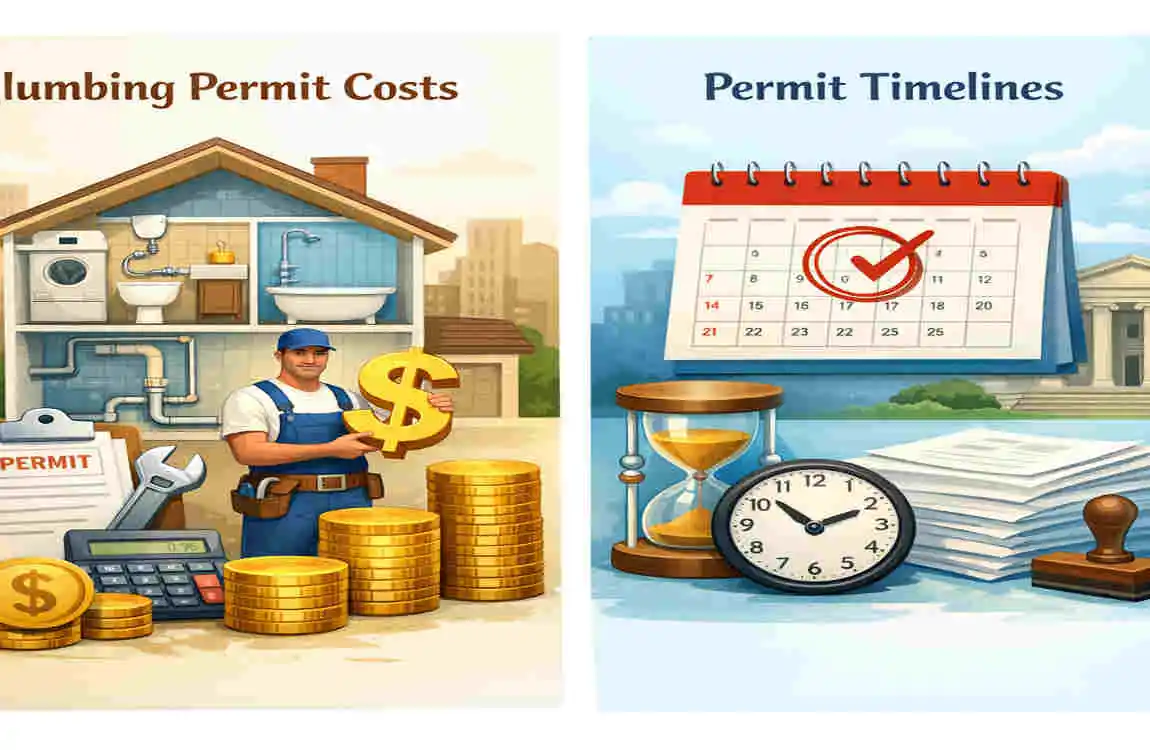
Permit costs are not the same everywhere. They can depend on:
- Project size
- Type of plumbing work
- Property location
- Whether drawings are required
- Inspection steps
- Local fee schedules
Simple permits may be approved quickly. Bigger remodelling jobs may take longer.
Because rules and prices change, it is best to check with your local office for the current fee and timeline.
Frequently Asked Questions
Is it illegal to do plumbing without permission?
It depends on local rules and the type of work. If a permit is required and you do the work without one, it may be treated as a violation and can lead to penalties or corrective action.
Can I do my own plumbing without a permit?
Sometimes homeowners can do their own plumbing, but that does not always remove permit requirements. Always check local rules first.
What plumbing jobs usually require permits?
New installations, moving fixtures, major remodels, new supply or drain lines, and major system changes often need permits.
What happens if I do plumbing without a permit?
Possible outcomes include fines, correction notices, additional fees, inspection issues, or the required removal and replacement of unapproved work.
Can I sell a house with unpermitted plumbing?
You might be able to, but it can create problems with disclosure, inspection, financing, or insurance depending on your location.
Can plumbing work be permitted after it is completed?
Sometimes. Some places allow after-the-fact permits, but approval is not guaranteed, and corrections may still be required.
Do I need a permit to replace a toilet or faucet?
Sometimes not, but it depends on local rules. Simple fixture replacement may be exempt in some areas.
Who issues plumbing permits?
Usually, the local building department, plumbing department, development office, or code enforcement authority handles them.
| Topic | Key Information |
|---|---|
| Plumbing Permit | Many plumbing projects require a permit before work begins. |
| Usually Permit-Free | Minor repairs, such as replacing a faucet or fixing a leak, may not need one. |
| Often Requires a Permit | New plumbing lines, major pipe changes, sewer connections, or relocating fixtures commonly require permits. |
| Why Permits Matter | Permits help ensure plumbing work meets local building and safety codes. |
| DIY Plumbing | Homeowners may be allowed to do some work themselves, depending on local rules. |
| Check Local Rules | Permit requirements vary by city, county, and state, so check with the local building department. |
