


Have you ever been enjoying a peaceful afternoon at home when suddenly the persistent buzzing of houseflies disrupts your tranquility? You’re not alone in this struggle. House flies are among the most common household pests that homeowners face, and they can quickly turn from a minor annoyance into a significant problem.
Understanding House Flies and Their Impact
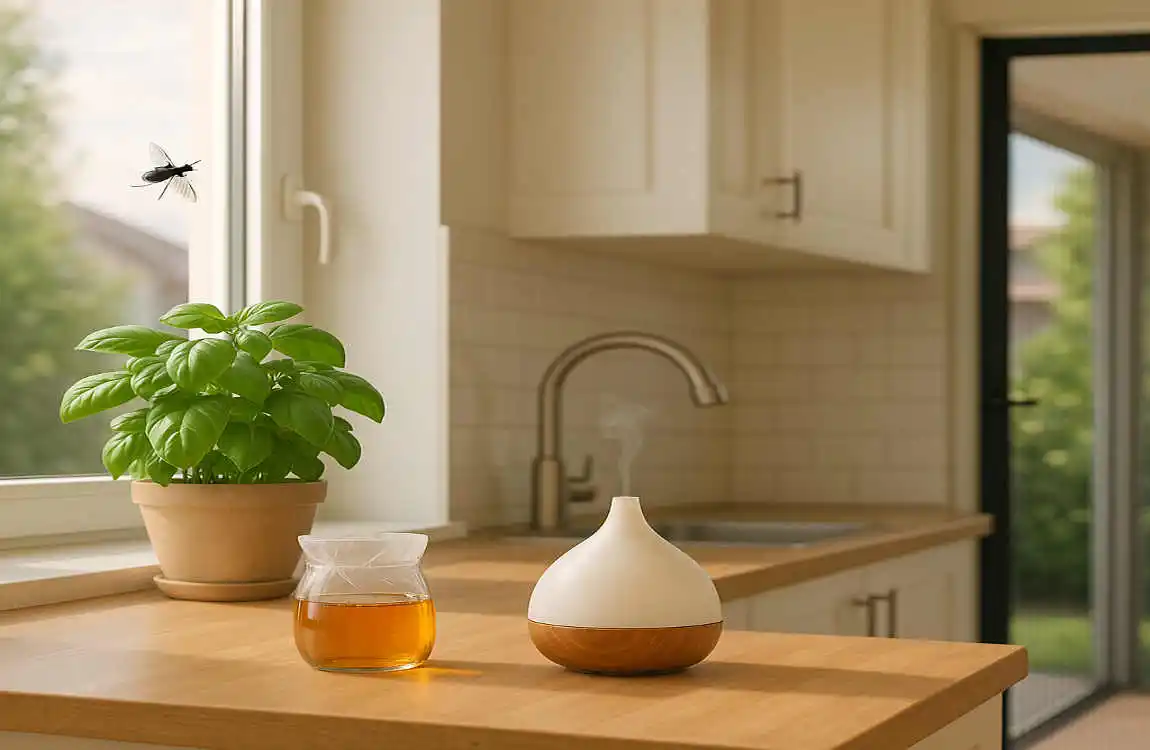
What Are House Flies?
House flies, scientifically known as Musca domestica, are more than just buzzing nuisances. These insects are incredibly adaptable creatures that have evolved alongside humans for thousands of years. They typically measure about 6-7 millimeters in length and feature distinctive red eyes and transparent wings.
What makes house flies particularly troublesome is their rapid reproduction cycle. A single female fly can lay up to 500 eggs in her lifetime, which spans just 15-30 days. These eggs can hatch within 24 hours in warm conditions, creating new generations of flies in your home faster than you might imagine.
The anatomy of a house fly is designed explicitly for Survival in human environments. Their compound eyes give them nearly 360-degree vision, making them difficult to swat. Their specialized mouthparts allow them to consume only liquids, which is why they often regurgitate digestive enzymes onto solid food before eating.
Why Do House Flies Enter Homes?
Understanding why flies invade your living space is crucial for adequate control. Flies are primarily attracted to three things: food sources, breeding sites, and shelter from weather extremes.
Your kitchen becomes a magnet for flies when food is left uncovered. Even tiny crumbs or spills can attract these pests from considerable distances. They have an incredible sense of smell that can detect food odors from several miles away.
Warmth and moisture also play significant roles in fly attraction. During hot summer days, flies seek cooler indoor environments. Conversely, as temperatures drop in fall, they look for warm places to survive. Your home provides the perfect balance of temperature, humidity, and food availability.
Health Risks and Nuisances Caused by House Flies
The health implications of house fly infestations extend far beyond simple annoyance. These insects are vectors for over 100 different pathogens, including bacteria, viruses, and parasites that can cause serious illnesses.
Flies pick up disease-causing organisms from garbage, feces, and decaying matter. They then transfer these pathogens to your food and surfaces through their feet, mouthparts, and feces. Common diseases spread by house flies include:
- Typhoid fever
- Cholera
- Dysentery
- Food poisoning
- Eye infections
- Tuberculosis
Beyond health risks, flies create significant quality-of-life issues. Their constant buzzing disrupts sleep and concentration. They contaminate food preparation areas, making cooking stressful and unhygienic. For real estate professionals or home stagers, fly problems can seriously impact property showings and sales potential.
Common Myths and Misconceptions About House Flies
Let’s address some widespread myths that might be affecting your fly control efforts. Many people believe that flies live only 24 hours, but this is entirely false. House flies typically live for 15-30 days, giving them plenty of time to reproduce and spread disease.
Another common misconception is that flies spontaneously generate from rotting matter. While decaying organic material attracts flies for breeding, they don’t magically appear – adult flies must first lay eggs in these materials.
Some homeowners think that keeping windows closed is enough to prevent fly problems. However, flies can enter through tiny gaps – any opening larger than 1/8 inch is sufficient for entry. They can also hitch rides on people, pets, or groceries.
Why Choose Clean and Natural Methods?
Risks of Chemical Insecticides
Traditional chemical fly control methods might seem like quick solutions, but they come with serious drawbacks that many homeowners overlook. Chemical insecticides contain toxic compounds that don’t just affect flies – they impact your entire household environment.
Exposure to these chemicals can trigger immediate health reactions. Common symptoms include headaches, dizziness, and respiratory irritation. Children and pets are particularly vulnerable because of their smaller body size and developing systems. Long-term exposure has been linked to more serious conditions, including neurological problems and certain cancers.
The environmental impact extends beyond your home. Chemical residues persist in the environment, contaminating water sources and harming beneficial insects like bees and butterflies. These chemicals accumulate in the food chain, affecting wildlife and eventually returning to human consumption.
For those managing rental properties or preparing homes for sale, chemical residues can be deal-breakers. Modern buyers and renters increasingly prefer homes that haven’t been treated with harsh chemicals, especially families with young children or health-conscious individuals.
Benefits of Natural Fly Control
Natural fly control methods offer powerful advantages that go beyond simple pest elimination. These approaches work with nature rather than against it, creating sustainable solutions that benefit your entire household.
Safety stands as the primary benefit. Natural methods use ingredients that are generally recognized as safe for humans and pets. You can apply these solutions without worrying about toxic exposure or requiring everyone to leave the house during treatment.
Effectiveness shouldn’t be underestimated either. Many natural substances repel or eliminate flies just as effectively as chemicals. Essential oils like peppermint and eucalyptus have been scientifically proven to deter flies, while simple soap solutions can destroy them on contact.
Cost-effectiveness makes natural methods accessible to everyone. Most solutions use everyday household items, like vinegar, dish soap, and herbs you probably already have. This approach saves money while reducing dependence on commercial products.
Importance of Maintaining a Clean Environment
Cleanliness forms the foundation of effective fly control. A clean home naturally discourages fly activity by eliminating the conditions they need to survive and reproduce. This principle aligns perfectly with maintaining an attractive, healthy living space.
Regular cleaning disrupts the fly lifecycle at multiple points. By removing food sources, you prevent adult flies from gaining the energy needed for reproduction. Eliminating breeding sites stops new generations from developing. Clean surfaces offer fewer landing spots and resting areas.
The psychological benefits are equally important. A clean, fly-free environment promotes mental well-being and reduces stress. For real estate professionals, this translates directly into more appealing properties that show better and sell faster.
Identify and Eliminate Fly Breeding Sources
Common Fly Breeding Spots Around the House
Identifying breeding locations is your first line of defense. Flies seek specific conditions for laying eggs: moisture, warmth, and organic matter. Understanding these preferences helps you target problem areas effectively.
The kitchen harbors numerous breeding opportunities. Garbage disposals accumulate food particles that create perfect breeding grounds. Under appliances, forgotten spills ferment and attract flies. Even clean-looking surfaces may harbor microscopic food residues that flies detect.
Bathrooms present different challenges. Drain buildup provides organic matter while maintaining the moisture flies need. Hair and soap scum in shower drains create beautiful breeding sites. Toilet bowls with mineral deposits or poor cleaning can also attract flies.
Pet areas require special attention. Litter boxes, food bowls, and bedding all potentially support fly breeding. Outdoor areas where pets eliminate waste become major breeding zones if not correctly maintained.
How to Do Clean House Flies by Removing Breeding Grounds
Systematic elimination of breeding sites breaks the reproductive cycle. Start with a thorough inspection of your entire home, focusing on hidden areas where organic matter can accumulate.
Begin in the kitchen by deep cleaning all appliances. Pull out the refrigerator and stove to clean underneath, where food particles collect. Disassemble and clean garbage disposal splash guards, which often harbor breeding material. Clean the refrigerator drip pans to remove moisture and food particles.
Address drainage systems throughout your home. Pour boiling water down drains weekly to dissolve organic buildup. Follow with a mixture of baking soda and vinegar to break down remaining residues. Use a drain brush to physically remove stubborn accumulations.
Implement proper waste management practices. Use sealed garbage containers both inside and outside your home. Clean bins weekly with hot, soapy water and allow them to dry completely. Consider using garbage bags with built-in odor control to reduce attraction.
Tips for Cleaning Kitchen, Garbage Bins, Drains, and Pet Areas
Kitchen Cleaning Strategies:
- Wipe down all surfaces immediately after food preparation
- Store fruits and vegetables in sealed containers or refrigerators
- Clean up spills within minutes of occurrence
- Sanitize cutting boards after each use
- Empty and clean sink strainers daily
Garbage Bin Maintenance:
- Line bins with newspaper to absorb moisture
- Sprinkle baking soda in the bottom for odor control
- Replace bins showing cracks or damage where debris accumulates
- Position outdoor bins away from doors and windows
- Use bins with tight-fitting lids that flies cannot penetrate
Drain Treatment Methods:
- Install fine-mesh drain covers to catch debris
- Use enzyme-based cleaners monthly for biological breakdown
- Avoid chemical drain cleaners that damage pipes
- Clean overflow holes in bathroom sinks
- Maintain proper drain slope for complete drainage
Pet Area Management: Pet hygiene significantly impacts fly populations. Clean litter boxes twice daily during fly season. Wash food and water bowls daily with hot, soapy water. Pick up pet waste from yards immediately – even a few hours’ delay allows fly breeding.
Regular Maintenance Routines to Prevent Fly Breeding
Establishing consistent cleaning routines prevents fly problems before they start. Create a schedule that addresses different areas at appropriate intervals based on use and risk level.
Daily tasks should include:
- Washing dishes immediately after meals
- Wiping down counters and tables
- Taking out the kitchen garbage
- Cleaning pet feeding areas
- Sweeping floors to remove crumbs
Weekly maintenance involves:
- Deep cleaning garbage bins
- Mopping floors with disinfectant
- Cleaning appliance surfaces and interiors
- Treating drains with natural cleaners
- Washing pet bedding and toys
Monthly deep cleaning targets:
- Behind and under appliances
- Inside garbage disposals
- Window sills and door frames
- Basement and attic spaces
- Outdoor garbage areas
Natural Fly Control Methods for Elimination
Homemade Fly Traps: Recipes and How to Use Them
Creating effective fly traps from household items provides immediate relief from fly problems. These traps work by exploiting flies’ natural behaviors and preferences for certain scents and substances.
The Classic Vinegar Trap remains one of the most effective solutions. Mix equal parts apple cider vinegar and water in a jar. Add a drop of dish soap to break the surface tension. Cover with plastic wrap and poke small holes in it. Flies enter through the holes but cannot escape. Place these traps near problem areas, but away from food-preparation zones.
Sugar and Yeast Traps attract flies with fermentation odors. Combine 1/4 cup sugar, 1 teaspoon yeast, and 1 cup warm water in a bottle. The fermenting mixture produces carbon dioxide that flies find irresistible. Cut the top off a plastic bottle, invert it to create a funnel, and tape it in place. Flies enter but struggle to exit.
Milk, Sugar, and Pepper Trap uses an old farming technique. Simmer 1/2 cup milk, 1/4 cup sugar, and 2 tablespoons ground black pepper for 10 minutes. Pour into shallow dishes and place around affected areas. The mixture attracts and traps flies in the sticky solution.
Wine or Beer Traps utilize alcohol’s attractive properties. Leave small amounts of wine or beer in bottles or glasses. Add a few drops of dish soap to ensure flies sink rather than escape. The fermented smell draws flies while the narrow opening prevents escape.
Use of Essential Oils and Herbs That Repel Flies
Nature provides powerful fly deterrents through aromatic plants and their concentrated oils. These natural repellents work by overwhelming flies’ sensory systems or creating environments they find hostile.
Lavender stands out as a premier fly deterrent. Plant lavender near entrances or place dried bundles throughout your home. Create a lavender spray by steeping fresh lavender in hot water, straining, and adding to a spray bottle. The pleasant scent enhances your living space while repelling flies.
Peppermint oil offers powerful repellent properties. Mix 10-15 drops with water in a spray bottle. Apply around windows, doors, and problem areas. The menthol compounds interfere with flies’ ability to detect food sources. Refresh applications every few days for continued effectiveness.
Eucalyptus offers dual benefits as both a repellent and an air freshener. Hang eucalyptus branches in doorways or windows. Create eucalyptus oil strips by soaking cloth strips in diluted eucalyptus oil and hanging them strategically. The pungent aroma creates an invisible barrier that flies won’t cross.
Here’s a comprehensive comparison of essential oils for fly control:
Essential Oil Effectiveness Application Method Duration Safe for Pets
Lavender High Spray, sachets, plants 3-5 days Yes
Peppermint Very High Spray, cotton balls, 2-3 days. Use caution
Eucalyptus High Hanging strips, spray 4-6 days No (toxic to cats)
Lemongrass Moderate Diffuser, spray 2-4 days Yes
Basil Moderate Fresh plants, dried leaves Ongoing Yes
Rosemary Moderate Fresh sprigs, oil spray 3-4 days Yes
Natural Sprays and Solutions for Killing Flies Organically
When flies have already invaded, natural killing solutions provide immediate relief without introducing toxins into your environment. These methods work through various mechanisms while remaining safe for household use.
Dish Soap Spray represents the simplest, most effective solution. Mix 2 tablespoons of dish soap with 2 cups of water in a spray bottle. The soap breaks down flies’ exoskeletons and blocks their breathing pores. Spray directly on flies for instant results. This method works particularly well for flies on windows or walls.
Cayenne Pepper Solution creates a potent natural insecticide. Blend 1 tablespoon of cayenne pepper with 1 cup of water. Strain into a spray bottle. The capsaicin irritates flies’ sensory organs, causing them to flee or die. Apply around entry points and breeding areas, but avoid food preparation surfaces.
Ginger Spray offers another powerful option. Boil fresh ginger root in water for 20 minutes. Strain and cool before spraying. The potent compounds in ginger repel and can kill flies on contact. This solution also leaves a pleasant, spicy aroma in treated areas.
How to Do Clean House Flies Using Fly Swatters and Electric Zappers Cleanly
Physical elimination methods remain valuable tools when used correctly. Modern approaches minimize mess while maximizing effectiveness.
Traditional fly swatters require technique for clean kills. The approach flies slowly from behind as its vision detects rapid movements in front. Aim slightly ahead of the fly’s position since they typically jump backward when threatened. Clean swatters immediately after use with disinfectant wipes.
Electric fly swatters offer cleaner elimination. These tennis-racquet-shaped devices electrocute flies on contact without splattering. Wave them slowly through areas where flies congregate. The electric grid kills instantly while containing remains for easy disposal.
Bug zappers provide hands-free elimination but require strategic placement. Position them away from living areas to avoid attracting flies toward your space. Choose models with collection trays for easy cleaning. Modern LED models use less energy while maintaining effectiveness.
Prevention Techniques for Long-Term Fly Control
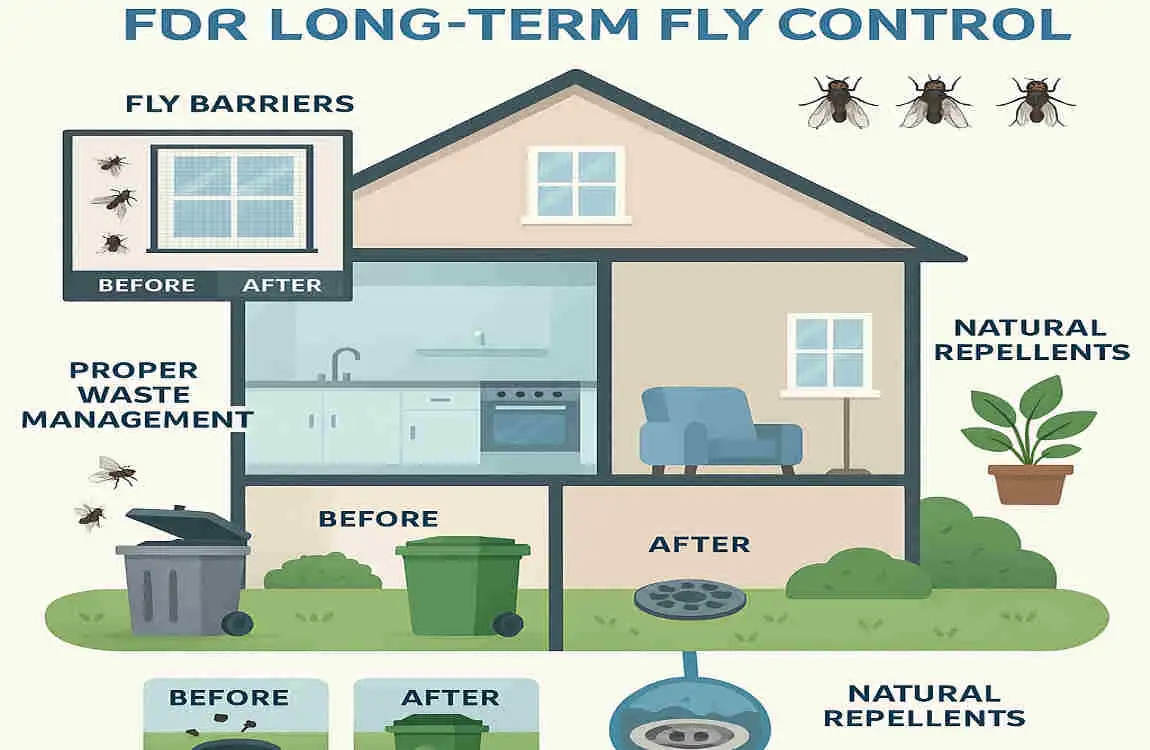
Housekeeping Habits That Reduce Fly Attraction
Developing proper housekeeping habits creates an environment naturally hostile to flies. These practices go beyond basic cleaning to address the subtle factors that attract and sustain fly populations.
Food storage requires careful attention to detail. Transfer groceries to sealed containers immediately after shopping. Even unopened packages can emit odors that attract flies. Store fruits in the refrigerator during fly season rather than displaying them in bowls. Keep bread and baked goods in airtight containers rather than original packaging.
Surface cleaning extends beyond visible dirt. Flies detect microscopic food particles and residues invisible to human eyes. Wipe counters with vinegar-based solutions that both clean and repel. Pay special attention to appliance handles, cabinet fronts, and light switches, where food residue accumulates from repeated contact.
Moisture control plays a crucial role in prevention. Fix leaking pipes and faucets promptly, as even small drips create breeding grounds. Use exhaust fans in bathrooms and kitchens to reduce humidity. Wipe down sinks and bathtubs after use to eliminate standing water.
Installing Physical Barriers: Screens, Fly Strips, and Curtains
Physical barriers provide the most reliable long-term protection against fly entry. Proper installation and maintenance of these barriers creates an impenetrable defense system.
Window and door screens require careful inspection and maintenance. Check screens for tears or gaps smaller than a pencil lead – flies can squeeze through surprisingly small openings. Repair minor damage with screen patches or clear nail polish. Replace screens showing extensive wear or corrosion that weakens the mesh.
Magnetic screen doors offer convenient protection for high-traffic areas. These allow easy passage for humans and pets while automatically closing to keep flies out. Choose models with weighted bottoms that ensure complete closure even in breezy conditions. Install them on all frequently used entrances during fly season.
Fly strips and ribbons provide additional protection when used strategically. Hang them near (but not directly over) garbage areas, pet zones, and entryways. Modern versions use non-toxic adhesives and attractants. Replace them monthly or when covered with insects to maintain effectiveness.
Air curtains create invisible barriers at commercial-style entries. These devices blow continuous streams of air across doorways, preventing fly entry even when doors remain open. While primarily used in businesses, smaller residential models work well for patios and garages.
Landscaping Tips: How Certain Plants Deter Flies Outside the House
Strategic landscaping creates a natural defensive perimeter around your home. Certain plants actively repel flies while enhancing your property’s curb appeal – a perfect combination for real estate professionals and home decor enthusiasts.
Plant basil liberally around outdoor entertaining areas. This aromatic herb thrives in containers or garden beds while continuously releasing fly-repelling oils. Position pots near doors and windows for maximum protection. Harvest leaves regularly to encourage new growth and stronger scent production.
Marigolds provide colorful fly deterrence. Their distinctive scent repels many flying insects, including flies. Create borders along walkways and foundations with these hardy annuals. Choose African marigolds for the most potent repellent properties. Deadhead regularly to maintain continuous blooming and scent production.
Tansy offers influential but controversial protection. This perennial herb strongly repels flies but can be invasive and toxic if consumed. Plant it in contained areas away from vegetable gardens and pet zones. Use dried tansy bundles indoors for continued protection.
Consider these fly-repelling plants for comprehensive landscape protection:
- Mint (plant in containers to prevent spreading)
- Rosemary (excellent for cooking and fly control)
- Sage (attractive silver foliage with repellent properties)
- Lemon balm (pleasant citrus scent flies avoid)
- Catnip (more effective than DEET but attracts cats)
How Proper Ventilation and Light Use Influence Fly Presence
Environmental conditions significantly impact fly behavior and presence. Understanding these factors allows you to create conditions that naturally discourage fly activity.
Ventilation affects both fly comfort and breeding potential. Flies prefer still, humid air where odors linger and breeding conditions remain stable. Install ceiling fans in the main living areas to create continuous airflow. Use bathroom and kitchen exhaust fans during and after activities that generate moisture.
Cross-ventilation proves particularly effective. Open windows on opposite sides of rooms to create air currents that flies find difficult to navigate. This also disperses odors that might attract flies from outside. Time ventilation for early morning or evening when fly activity is lowest.
Light management influences fly behavior patterns. Flies are attracted to UV light but become less active in darkness. Use yellow or sodium-vapor bulbs for outdoor lighting, as they attract fewer insects. Install motion-sensor lights rather than leaving lights on continuously.
During the day, use curtains or blinds to control light. Flies often congregate on sunny windows trying to escape. Creating darker conditions in unused rooms reduces fly activity in these spaces.
DIY Fly Repellent Recipes
Step-by-Step Guides for Making Safe, Natural Fly Repellent Sprays
Creating your own fly repellents ensures complete control over ingredients while saving money. These recipes use readily available materials to produce effective, safe solutions.
All-Purpose Fly Repellent Spray:
Start by gathering your ingredients: 1 cup water, 1 cup white vinegar, 15 drops of eucalyptus oil, 10 drops of lavender oil, and 10 drops of peppermint oil. Combine water and vinegar in a spray bottle first to create your base solution.
Add essential oils one at a time, shaking between additions. The combination creates a synergistic effect that is stronger than the sum of its parts. Let the mixture sit for 24 hours to thoroughly blend. Shake well before each use and apply to surfaces, doorways, and windows.
Heavy-Duty Outdoor Repellent:
This more potent formula works well for patios and outdoor gatherings. Mix 2 cups of water with 1/2 cup of witch hazel and 1/4 cup of apple cider vinegar. Add 20 drops of citronella oil and 15 drops of lemongrass oil. The witch hazel helps oils mix with water while adding its own repellent properties.
Include 2 tablespoons of liquid castile soap to improve adhesion to surfaces. This helps the solution stick to outdoor furniture and last longer between applications. Spray liberally around outdoor dining areas 30 minutes before use.
Combinations of Oils and Household Ingredients
Understanding how different ingredients work together helps you customize solutions for specific needs. Certain combinations prove more effective than individual components alone.
Citrus and Herb Blend combines the power of citrus oils with herbal repellents. Mix 10 drops each of lemon, orange, and grapefruit essential oils with 5 drops of rosemary and thyme oils. Add this to 2 cups of water, along with a tablespoon of vodka as an emulsifier. The alcohol helps oils disperse evenly while adding its own repellent properties.
Spice-Based Deterrent uses kitchen spices for robust protection. Simmer 2 cups of water with 2 tablespoons of whole cloves, 2 cinnamon sticks, and 1 tablespoon of black pepper for 15 minutes. Strain and add 10 drops of clove oil once cooled. This creates an intensely aromatic spray that flies absolutely despise.
Floral Protection Blend offers pleasant scents while repelling flies. Combine 15 drops of lavender oil, 10 drops of geranium oil, and 5 drops of ylang-ylang oil. Mix with 2 cups distilled water and 1 tablespoon glycerin for lasting power. This blend works particularly well in bedrooms and living areas where pleasant aromas are desired.
How to Apply Repellents Around the Home for Maximum Effect
Strategic application maximizes repellent effectiveness while minimizing waste. Understanding where and how to apply these solutions ensures comprehensive protection.
Focus on entry points first. Spray door frames, window sills, and any cracks where flies might enter. Apply repellent in a continuous line rather than spots to create an unbroken barrier. Reapply every 3-4 days, or after rain, for outdoor applications.
Create repellent stations by soaking cotton balls or cloth strips in concentrated solutions. Place these in strategic locations, such as under sinks, near garbage areas, and in window corners. Replace weekly or when the scent fades. This method provides continuous protection without frequent spraying.
Layer different repellent methods for comprehensive coverage. Use sprays for immediate protection, plants for ongoing deterrence, and traps for elimination. This multi-faceted approach ensures flies encounter multiple barriers.
When to Call Professionals
Signs That a Fly Infestation Needs Expert Intervention
While natural methods handle most fly problems, certain situations require professional expertise. Recognizing these scenarios prevents minor issues from becoming major infestations.
The persistence of flies despite thorough cleaning and prevention indicates the presence of hidden breeding sites. Professionals have specialized equipment to locate breeding areas in walls, under floors, or in drainage systems invisible to homeowners. They can identify specific fly species that require targeted treatments.
Large numbers of flies appearing suddenly suggest nearby breeding sources beyond your property. This might include neighboring properties with sanitation issues, nearby farms, or municipal waste facilities. Professionals can implement area-wide solutions and coordinate with authorities when necessary.
Finding maggots or pupae indoors signals established breeding within your home. This requires immediate professional attention to prevent a population explosion. Experts can identify and eliminate all life stages while addressing the underlying conditions that enable breeding.
Flies clustering in specific areas repeatedly might indicate dead animals in walls or attics. Professional removal and sanitization prevent disease transmission and eliminate the breeding source. They have tools for safely accessing confined spaces.
Natural vs Chemical Professional Treatments Overview
Understanding treatment options helps you make informed decisions when hiring professionals. Modern pest control offers various approaches suited to different situations and preferences.
Natural professional treatments use botanical insecticides, beneficial bacteria, and physical exclusion methods. These treatments are safe for families and pets while effectively controlling fly populations. Professionals apply these products more effectively than homeowners due to specialized equipment and knowledge.
Integrated Pest Management (IPM) combines multiple strategies for sustainable control. This approach emphasizes prevention and monitoring with minimal pesticide use. Professionals identify and address root causes rather than just treating symptoms.
Chemical treatments sometimes become necessary for severe infestations. Modern formulations are more targeted and less persistent than older pesticides. Professionals know how to apply these safely and effectively while minimizing exposure risks.
How to Choose Eco-Friendly Pest Control Services
Selecting the exemplary professional service ensures effective treatment aligned with your values. Research and questions help identify truly eco-friendly providers.
Look for companies certified in IPM or green pest control. These certifications indicate training in sustainable pest management practices. Ask about specific products and methods used for fly control. Legitimate eco-friendly companies gladly explain their approaches.
Request detailed treatment plans before agreeing to service. These should outline methods, products, safety precautions, and expected outcomes. Avoid companies that push immediate chemical treatment without a thorough inspection.
Check reviews and references specifically mentioning eco-friendly treatments. Ask about guarantees and follow-up services included in treatment plans. Reputable companies stand behind their work and provide ongoing support.
Additional Tips for a Clean and Fly-Free Home
Regular Cleaning Schedules and Deep Cleaning Strategies
Maintaining a fly-free home requires systematic cleaning approaches that address both daily maintenance and periodic deep cleaning. Creating and following a structured schedule prevents the development of fly-attracting conditions.
Implement a zone cleaning system that divides your home into manageable sections. Focus on one zone daily for deep cleaning while maintaining basic cleanliness throughout. This approach prevents overwhelming cleaning sessions while ensuring comprehensive coverage.
Kitchen zones require the most frequent attention. Clean the refrigerator coils monthly, as dust accumulation creates warm breeding spots. Wipe down the tops of cabinets where grease and dust combine to attract flies. Don’t forget to clean range hood filters, which trap grease particles that flies find attractive.
Seasonal deep cleaning addresses areas often overlooked in routine cleaning. Move furniture to clean underneath where pet hair and food particles accumulate. Steam clean carpets and upholstery to remove embedded organic matter. Clear and organize storage areas where flies might overwinter.
Avoiding Attracting Flies During Seasons with Higher Fly Activity
Fly activity varies seasonally, requiring adjusted prevention strategies. Understanding seasonal patterns helps you prepare appropriate defenses when fly pressure is highest.
Spring brings emerging flies seeking food and breeding sites after winter dormancy. Begin prevention measures early before populations explode. Install or repair screens before warm weather arrives. Start outdoor repellent plantings as soon as frost danger passes.
Summer marks the peak fly season, requiring maximum vigilance. Increase cleaning frequency during hot, humid weather when flies reproduce rapidly. Keep the air conditioning running to reduce indoor humidity and temperature that flies prefer. Schedule outdoor gatherings for cooler morning or evening hours when fly activity decreases.
Fall flies seek winter shelter indoors. Seal cracks and gaps before temperatures drop to prevent cluster flies from entering. Pay special attention to attic and basement access points. Remove fallen fruit and leaves that provide late-season breeding sites.
Using Fly-Repellent Gadgets with Natural Methods for Synergy
Combining technology with natural methods creates comprehensive fly control systems. Modern devices enhance traditional approaches for superior results.
Ultrasonic repellers emit high-frequency sounds that disturb flies without affecting humans or pets. Place these near entry points while using natural repellents in living areas. The combination creates multiple deterrent layers that flies must overcome.
UV light traps attract and capture flies without chemicals. Position these strategically to deter flies from entering living spaces. Combine with essential oil diffusers that mask attractant odors. This push-pull approach attracts flies to traps while repelling them from key areas.
Smart home integration allows automated fly control. Program exhaust fans to run periodically, automatically reducing humidity. Use smart plugs to control bug zappers and repellent diffusers based on time or environmental conditions. This ensures consistent protection without constant attention.
