

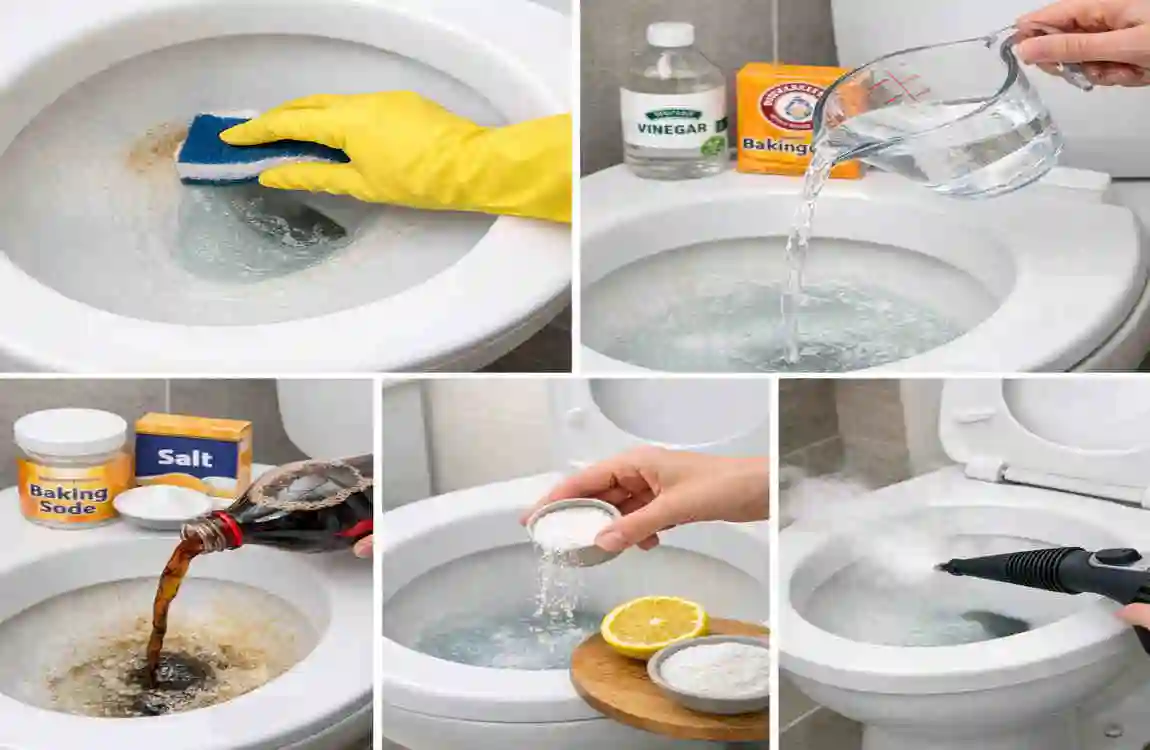
Picture this relatable scenario. You have friends or family arriving at your home in just a few hours. You are running around the house, doing your final sweep of chores, and you finally make your way into the bathroom. You lift the lid to give the porcelain a quick brush, but your heart instantly sinks. A dark, stubborn, incredibly ugly ring is glaring right back at you from inside the bowl.
You grab your usual plastic bottle of bright blue liquid and scrub until your arms literally ache. You let the harsh chemicals sit, you scrub again, and you flush. Yet, absolutely nothing changes. The ring is still there, mocking your efforts.
It is incredibly frustrating, isn’t it? Let us be completely honest with each other; nobody enjoys cleaning bathrooms. But spending your hard-earned money on expensive commercial cleaners that don’t work makes the chore infinitely worse.
Today, we are going to ditch the toxic chemicals, the overpowering bleach fumes, and the endless frustration. Instead, we are going to explore five completely ingenious, natural, and chemical-free methods tailored specifically for home bathrooms. These are the highly effective DIY secrets that professional house cleaners use to get incredible results without ruining the environment.
| Cleaner | Best For | How to Use | Time Needed | Notes |
|---|---|---|---|---|
| Vinegar + Baking Soda | Minerals, rust, bacteria | Pour 1 cup vinegar, add baking soda, fizz 15-30 min, scrub, flush. | 20-30 min | Natural fizz reaction dissolves buildup; eco-friendly. |
| White Vinegar (solo) | Hard water, limescale | Pour 1-2 cups, soak 1+ hour (or overnight), scrub. | 1-12 hours | Acid breaks down deposits; lower water level first. |
| Lemon Juice + Salt | Mold, organic stains | Mix into paste, apply overnight, scrub gently. | Overnight | Citric acid whitens; salt abrades safely. |
| Borax + Vinegar | Deep stains, odor | Sprinkle 1/4 cup borax, add vinegar, sit 20-30 min, brush. | 20-30 min | Deodorizes while cleaning; repeat for tough spots. |
| Pumice Stone | Stubborn porcelain stains | Wet stone, scrub under waterline (no chemicals). | 5-10 min | Non-abrasive on porcelain; pair with pre-soak. |
| CLR or Lime/Rust Remover | Heavy calcium/rust | Apply per label, let sit 5-10 min, scrub. | 5-10 min | Commercial acid-based; ventilate well. |
Understanding Toilet Bowl Stains

Before we can defeat the enemy, we need to understand exactly what the enemy is. Why do these rings of doom even happen in the first place? You might think your toilet is stained because it is dirty, but that is rarely the whole truth.
To answer the common question of “what causes toilet bowl stains,” we have to play detective and look at the water itself. Standard commercial bathroom cleaners are designed to kill bacteria and remove daily organic waste. However, the stubborn rings that form under the waterline are rarely organic in origin. They are usually mineral deposits. Because standard cleaners are not formulated to break down heavy minerals, they slide right off the stain, leaving you frustrated and exhausted.
Let us break down the specific types of invaders currently camping out in your porcelain bowl.
The Hard Water Mineral Trap
If you live in an area with hard water, you are constantly fighting a losing battle against calcium and magnesium. As water sits in your toilet bowl day after day, a tiny portion of it evaporates. When the water evaporates, it leaves those heavy minerals behind.
Over time, these microscopic minerals stack on top of each other, forming tiny coral reefs along the sides of your bowl. This creates a rough, porous surface known as limescale. Once this limescale forms, it acts like a magnet, attracting dirt and waste, turning the scale a dark brown or yellow color.
The Ugly Reality of Rust
Do you have an older home with aging galvanized steel or iron plumbing pipes? If so, the water traveling through your pipes is picking up microscopic particles of iron. When this iron-rich water comes into contact with the air in your toilet bowl, it oxidizes. This creates a rusty, reddish-brown stain that streaks directly down the sides of the bowl. Rust is incredibly stubborn and laughs in the face of standard bleach. In fact, using bleach on rust can permanently set the stain!
The Creepy Pink Mold
Have you ever noticed a strange, slimy pink ring forming right at the water’s edge? Despite the color, this is not a mineral deposit. It is a very common airborne bacterium known as Serratia marcescens. This bacteria thrives in damp, dark environments and feeds on the minerals and soap scum left behind in your bathroom. While it is easier to wipe away than hard water scale, it grows back incredibly fast if you do not change the environment of the bowl.
Now that you know exactly what you are fighting, you can understand why professional services or harsh chemicals often fall short. You need specific tools to break down these specific bonds.
Why Choose Ingenious Home Cleaning Methods
You might be asking yourself, “Why shouldn’t I just buy the strongest industrial acid available at the hardware store?” That is a fair question, but choosing to remove toilet stains naturally is a much smarter, safer, and highly trending choice for modern homeowners.
First and foremost, let us talk about the safety of your family and your pets. Commercial toilet cleaners are packed with volatile organic compounds (VOCs), hydrochloric acid, and chlorine bleach. When you pour these into a small, unventilated room like a bathroom, the toxic fumes can burn your lungs, irritate your eyes, and trigger asthma attacks. If you have curious toddlers or pets who occasionally drink from the bowl, using harsh chemicals is a massive safety hazard.
Secondly, these budget-friendly alternatives are a great value for your wallet. A small bottle of specialized limescale remover can cost between $5 and $15. Meanwhile, the best DIY toilet cleaners use ingredients like baking soda, vinegar, and salt—items that cost pennies per use.
Finally, we must consider the environmental impact. Everything you put into your toilet eventually flushes out into the local water system. By using biodegradable, food-grade ingredients, you are actively protecting local rivers and wildlife. You are achieving a spotless bathroom while maintaining a clear conscience.
The Vinegar and Baking Soda Power Duo
If you want the ultimate, universally celebrated answer to what will clean toilet bowl stains, look no further than your kitchen pantry. White vinegar and baking soda are the absolute undisputed champions of DIY bathroom cleaning.
When you combine acetic acid (white vinegar) with sodium bicarbonate (baking soda), you create a fantastic chemical reaction. Do you remember building papier-mache volcanoes in middle school science class? This is the same reaction, but we are using it to wage war on hard-water minerals.
The effervescent fizzing action physically lifts the dirt away from the porcelain. At the same time, the acid safely melts the calcium and magnesium bonds.
Step-by-Step Guide for the Power Duo
Follow these exact steps to achieve a blindingly white bowl:
- Lower the Water Level: Turn off the water valve behind your toilet and give it one flush. This drops the water level, exposing the entire stain so your ingredients do not get overly diluted.
- Pour the Vinegar: Take one full cup of pure white distilled vinegar and pour it directly onto the stains around the bowl. Use your toilet brush to swish it around. Let this sit for about 10 minutes to soften the top layer of the mineral scale.
- Add the Baking Soda: Take 1 full cup of baking soda and sprinkle it generously over the bowl, paying special attention to stubborn rings.
- Add More Vinegar: Pour another half-cup of vinegar directly over the baking soda. Stand back and watch the magical fizzing reaction happen!
- The Waiting Game: Close the lid and walk away. Let this mixture sit for at least 30 minutes. If the stains are years old, leave them overnight.
- Scrub and Flush: Grab a stiff-bristle toilet brush and scrub the bowl vigorously. You will feel the baking soda acting as a gentle abrasive. Finally, turn the water valve back on and flush the toilet to reveal your beautiful, sparkling porcelain.
Pro-Tip Measurement Table
To make this method foolproof, save this quick reference table for your cleaning routine:
Type of StainWhite Vinegar Quantity Baking Soda Quantity Wait Time
Light Weekly Maintenance 1/2 Cup 1/2 Cup 10 Minutes
Moderate Hard Water Ring 1.5 Cups 1 Cup 30 to 45 Minutes
Severe Rust or Thick Scale 2 Cups 1.5 Cups Overnight (8+ Hours)
This method is entirely safe, incredibly cheap, and practically guarantees success.
The Lemon Juice and Salt Abrasive Paste
If you love the idea of natural ways to clean toilet bowl stains but you absolutely despise the strong, pungent smell of vinegar, this second method is specifically for you. We are going to harness the incredible stain-lifting power of citrus.
Lemons contain high levels of citric acid. Citric acid binds to the minerals in hard water scale, breaking them down at a molecular level. When you combine this natural acid with the heavy, gritty abrasiveness of standard table salt, you create a dynamic scouring paste. Think of it like a luxurious, exfoliating facial scrub, but for your toilet bowl!
Why Citrus and Salt Work Miracles
While liquid cleaners often run straight down the side of the bowl and into the water, a paste stays exactly where you put it. This means the citric acid has hours of uninterrupted contact time to break down the stain. The salt doesn’t dissolve quickly in the acid, making it a powerful scrubbing agent that won’t scratch your delicate porcelain.
How to Create and Apply the Paste
Here is the simple recipe to conquer those ugly brown rings:
- Mix the Paste: In a small plastic bowl, pour half a cup of standard table salt (or coarse sea salt if you have it). Slice two large, fresh lemons in half and squeeze all the juice into the salt. Stir it with a spoon until you achieve the consistency of wet sand.
- Apply the Paste: Put on a pair of rubber cleaning gloves. Scoop up the paste with your fingers or a sponge and press it directly onto the hard water ring or rust stains. Pack it on thickly.
- Let it Cure: Close the toilet lid. You need to let this paste sit for at least two to three hours. The citric acid needs time to penetrate the hard mineral shell.
- The Gentle Scrub: Take your toilet brush (or an old toothbrush for precise targeting) and scrub the paste into the ring. The salt will physically grind away the softened minerals.
- Flush Away the Grime: Give the toilet a flush. Enjoy the brilliant shine and the incredibly fresh, natural citrus scent that now fills your bathroom!
Many user testimonials swear by this method for homes with well water, as citric acid is particularly aggressive against the unique minerals found in underground wells.
The Coca-Cola Acidic Soak
We are moving from the pantry into the refrigerator for one of the most unconventional, yet highly effective, answers to what will clean toilet bowl stains. We are talking about Coca-Cola.
Yes, you read that correctly. The same fizzy beverage you drink at the movie theater is an absolute powerhouse for cleaning bathrooms. It sounds like a crazy urban legend, but there is brilliant science backing this up.
The Secret Power of Phosphoric Acid
If you look closely at the ingredient list on a can of cola, you will see an ingredient called phosphoric acid. Soda companies use this acid to give their beverages a sharp, tangy flavor. However, in industry, phosphoric acid is primarily used as a rust-removal agent!
Because the soda is highly acidic, it attacks limescale and rust stains with extreme prejudice, breaking down the chemical bonds that glue the dirt to your porcelain.
The Pour and Forget Technique
If you want a method that requires almost zero manual labor, this is the one for you. Here is how you use surprising household items to clean toilet stains:
- Buy the Right Soda: Purchase a standard two-liter bottle of Coca-Cola. (Pro tip: Diet Cola works just as well and leaves less sugary residue behind!).
- The Strategic Pour: Open the bottle and pour the soda directly over the stains. Start at the very rim of the bowl so the dark liquid coats the entire interior as it flows down to the bottom.
- Walk Away: This is the most crucial step. You must let the soda soak for at least 1 to 2 hours. For incredibly thick rust stains, pour the soda in right before you go to bed and let it work its magic overnight.
- Scrub and Flush: In the morning, take your brush and gently scrub the ring. The stain will wipe away like soft mud. Flush the toilet immediately.
A Quick Warning: Because regular soda contains a massive amount of sugar, you must ensure you flush the toilet and wash away all the residue. If you leave sugary soda sitting in a dry bowl, it can attract ants and feed bacteria. Always flush thoroughly after this treatment!
The Pumice Stone Dry Scrub Technique
Sometimes, chemical reactions are not enough. If you have inherited a house where the toilet has not been properly cleaned in a decade, you might be facing a hard water ring that feels like solid concrete. When liquids fail, you have to bring in the heavy machinery.
It is time to learn about the pumice stone for toilet stains.
What is a Pumice Stone?
A pumice stone is a piece of lightweight volcanic rock. It is created when superheated, highly pressurized rock is violently ejected from a volcano. As it cools rapidly, it traps tiny gas bubbles inside, creating a highly textured, abrasive stone.
You might be panicking right now, thinking, “I cannot rub a piece of volcanic rock on my delicate toilet! It will scratch the porcelain!”
Do not worry! In the scientific scale of mineral hardness (the Mohs scale), porcelain is significantly harder than pumice. This means the pumice stone will easily grind away the soft calcium and magnesium scale. Still, it will physically crumble before it can ever scratch your tough porcelain bowl.
The Right Way to Scrub Porcelain
Using a pumice stone is incredibly satisfying, but you must follow one strict rule to avoid disaster.
- Wet the Stone: Never, ever use a dry pumice stone on a dry toilet bowl. If you do, you risk leaving permanent gray scratches. You must soak the pumice stone in warm water for five minutes before you begin.
- Target the Waterline: Grip the pumice stone and gently rub it back and forth directly over the hard water ring. Do not press too hard; let the stone’s abrasive texture do the work for you.
- Watch it Dissolve: As you scrub, you will notice a gray paste forming. This is the pumice stone slowly breaking down and mixing with the pulverized mineral scale. This is exactly what you want to see!
- Rinse and Repeat: Pause to flush the toilet so you can see your progress if a tiny shadow of the ring remains, wet the stone again, and give it one final, gentle scrub.
Pairing this physical scrub with a vinegar pre-soak (from Method 1) is the ultimate, undefeated strategy for the worst toilets in the world.
The Borax and Vinegar Deep Clean
For our final ingenious hack, we are bringing out the heavy hitters. If you are dealing with a terrifying combination of hard water stains, deep rust, and the dreaded pink mold, you need a solution that cleans, disinfects, and deodorizes simultaneously.
You need Borax.
Borax (sodium tetraborate) is a naturally occurring mineral salt that has been used in laundry and luxury home cleaning for over a century. It is highly alkaline, which means it cuts through acidic grime and destroys mold spores on contact. When you pair it with vinegar’s acidic power, you create an unstoppable cleaning force.
Tackling the Toughest Mold
Here is the recipe for a truly sustainable answer to what will clean toilet bowl stains effectively:
- Sprinkle the Borax: Take half a cup of Borax powder and sprinkle it directly into the toilet bowl, making sure to coat the sides and the waterline ring.
- Scrub the Powder: Take your toilet brush and vigorously scrub the dry powder into the stains. The coarse texture will act as a scouring agent.
- Add the Vinegar: Next, pour one full cup of white vinegar into the bowl over the Borax. You will hear a slight reaction, though not as dramatic as with baking soda.
- The Overnight Miracle: Close the bathroom door and let this mixture soak overnight. The Borax will slowly poison the mold spores and loosen the rust, while the vinegar melts the hard water scale.
- The Final Flush: In the morning, give the bowl a quick scrub with the brush, then flush it all away.
Not only will your toilet look brand new, but the Borax will eliminate any lingering, nasty odors hiding in the plumbing. It is incredibly eco-friendly, and you can safely flush it without harming your local water supply or your personal septic tank.
Prevention Tips for a Stain-Free Bathroom
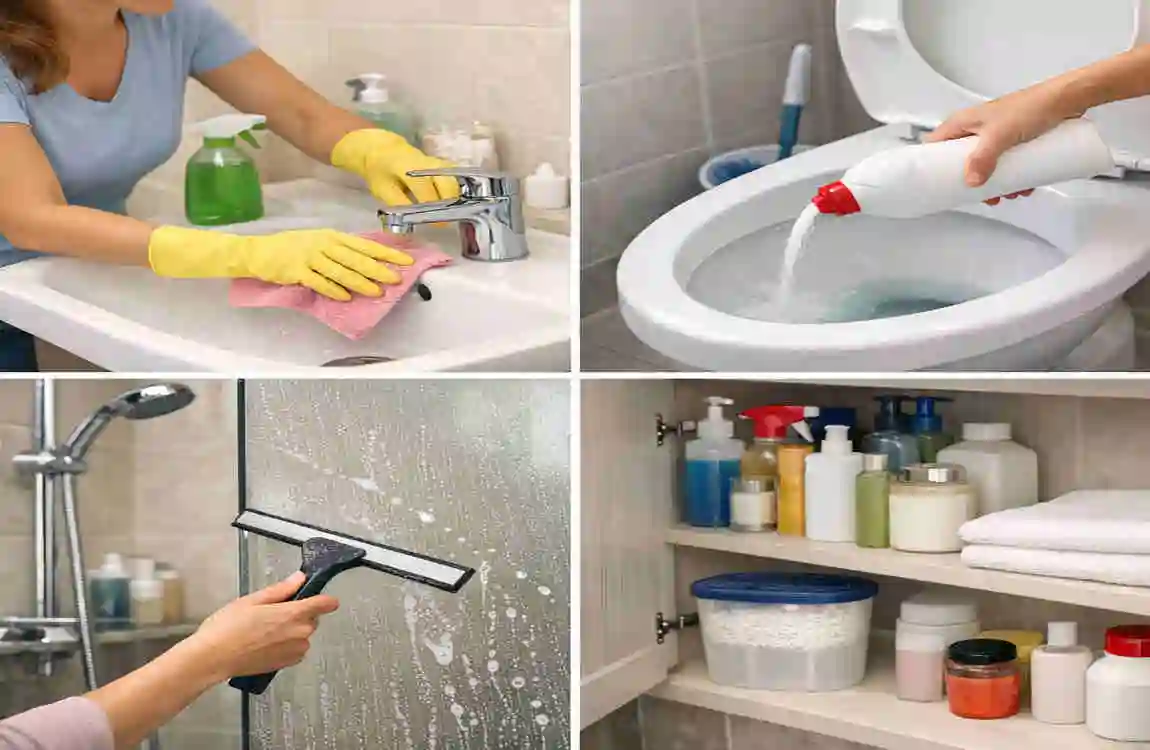
Congratulations! You have successfully defeated the ugly brown ring and restored your porcelain throne to its original, sparkling glory. But your job is not quite finished. The absolute best way to clean a toilet bowl stain is to prevent it from ever forming in the first place.
You do not want to spend hours scrubbing every single month. By adopting a few simple, smart habits, you can keep your bathroom looking flawless with minimal effort.
Your Weekly Maintenance Routine
- The Vinegar Flush: Keep a spray bottle filled with pure white vinegar next to your toilet. Once a week, right before you leave the house for work, spray the inside of the bowl and leave it alone. This daily microdose of acid prevents minerals from ever gaining a foothold on the porcelain.
- Upgrade Your Brush Habits: After you clean the bowl, never put a wet toilet brush back into its holder. Close the toilet seat over the handle of the brush, letting the wet bristles dry over the bowl. A dry brush prevents mold from growing inside the holder!
- Invest in Water Softeners: If your stains return aggressively every two weeks, your home’s water is too hard. Consider installing a whole-house water softening system. It will protect your toilets, your dishwasher, and your showerheads.
- Products to Avoid: Never use drop-in bleach tablets that sit inside your toilet tank. These highly concentrated bleach pucks will slowly eat away at the rubber flappers and seals inside the tank, eventually causing massive internal leaks.
Frequently Asked Questions on DIY Toilet Stain Removal
When you are staring down a dark ring in your toilet, you do not want to guess which product to use. Here are the clear, detailed answers to your most pressing cleaning questions.
What is the absolute best natural cleaner for hard water rings?
The undisputed champion of natural bathroom cleaning is the combination of pure white vinegar and baking soda.
When hard water evaporates in your bowl, it leaves behind a crusty layer of calcium and magnesium. Standard soap cannot penetrate this crust. However, the natural acid in white vinegar melts these heavy minerals with ease.
Is it safe to use a pumice stone, or will it leave permanent scratches?
Yes, it is completely safe to use a pumice stone, provided you follow one golden rule: you must always keep the stone soaking wet.
A pumice stone is a piece of lightweight, porous volcanic rock. While it feels rough to the touch, it is actually much softer than the heavy-duty porcelain used to make your toilet bowl. Because it is softer, the stone will gently grind away the hard water scale and rust without ever scratching the porcelain underneath.
Can I really pour Coca-Cola into my toilet to clean it, or is that a myth?
It sounds like a crazy urban legend, but it is entirely true! Coca-Cola is a fantastic, zero-effort toilet cleaner.
Dark sodas contain an ingredient called phosphoric acid. This is a mild acid that beverage companies use for flavor, but it is also highly effective at breaking down rust and limescale.
Dealing with Specific Types of Bathroom Stains
Not all stains are created equal. If you want to know exactly what will clean toilet bowl stains, you have to identify the specific color of your enemy.
Why does bleach fail to remove my rust stains?
Have you ever poured bleach onto a reddish-brown stain, only to watch the stain get darker and uglier? You are not crazy; bleach actually makes rust worse!
Bleach is an oxidizing agent. When it touches the iron particles hiding in your rust stain, it rapidly accelerates the rusting process, effectively setting the stain permanently into the porcelain.
What is that creepy pink ring at the waterline?
If you see a slimy, pinkish-orange ring developing right where the water meets the air, you are not looking at hard water. You are looking at a very common airborne bacteria known as Serratia marcescens.
Quick Reference Guide: Match Your Stain to the Solution
To make your life even easier, save this quick table to your phone so you always know exactly which pantry item to grab!
Keeping Your Bathroom Spotless Going Forward
The best way to clean a stain is to prevent it from ever showing up in the first place. You do not have to spend your weekends scrubbing if you adopt a few clever habits.
How can I prevent toilet stains without daily scrubbing?
You can keep your bowl looking factory-fresh with virtually zero manual labor. Just follow this incredibly simple preventative checklist:
