

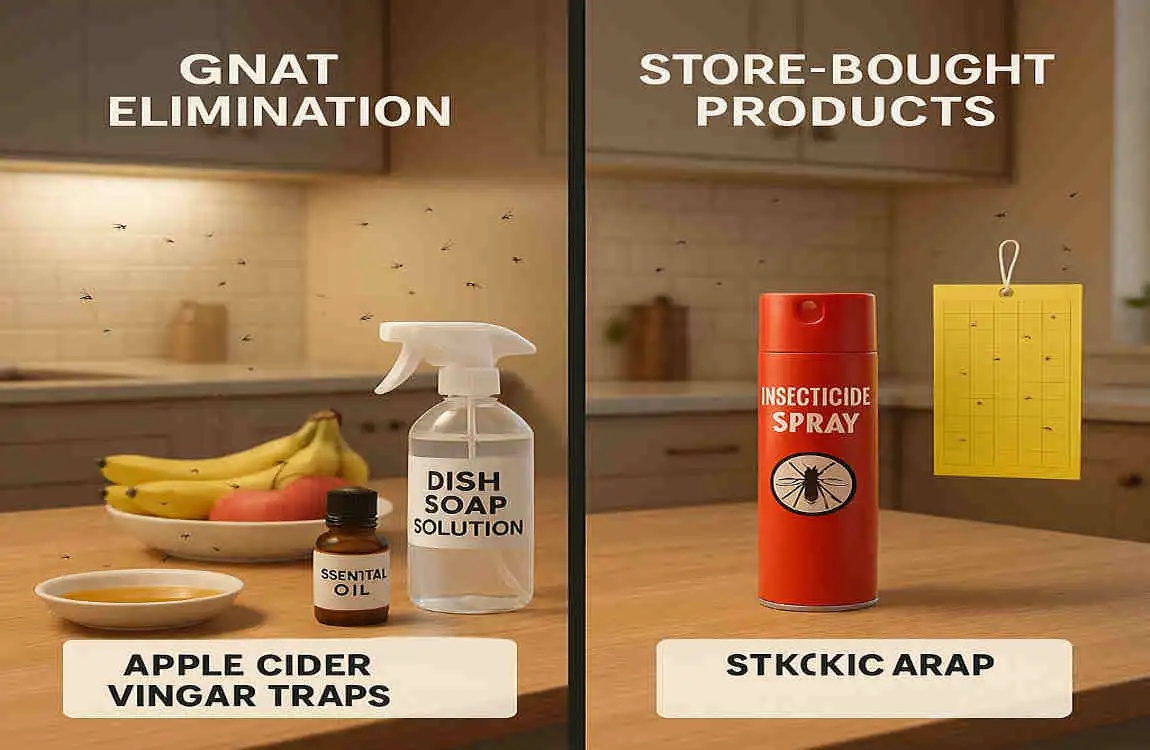
Are you tired of those pesky gnats buzzing around your home? You’re not alone! Gnats can be a real nuisance, but don’t worry, we’ve got you covered.
Gnats are tiny flying insects that can infest homes, causing frustration and discomfort. They’re attracted to moisture and organic matter, making your kitchen and bathroom prime targets. But fear not! By following our practical cleaning tips, you’ll learn how to eliminate gnats in your home and prevent them from returning.
Understanding Gnats: Identification and Behavior
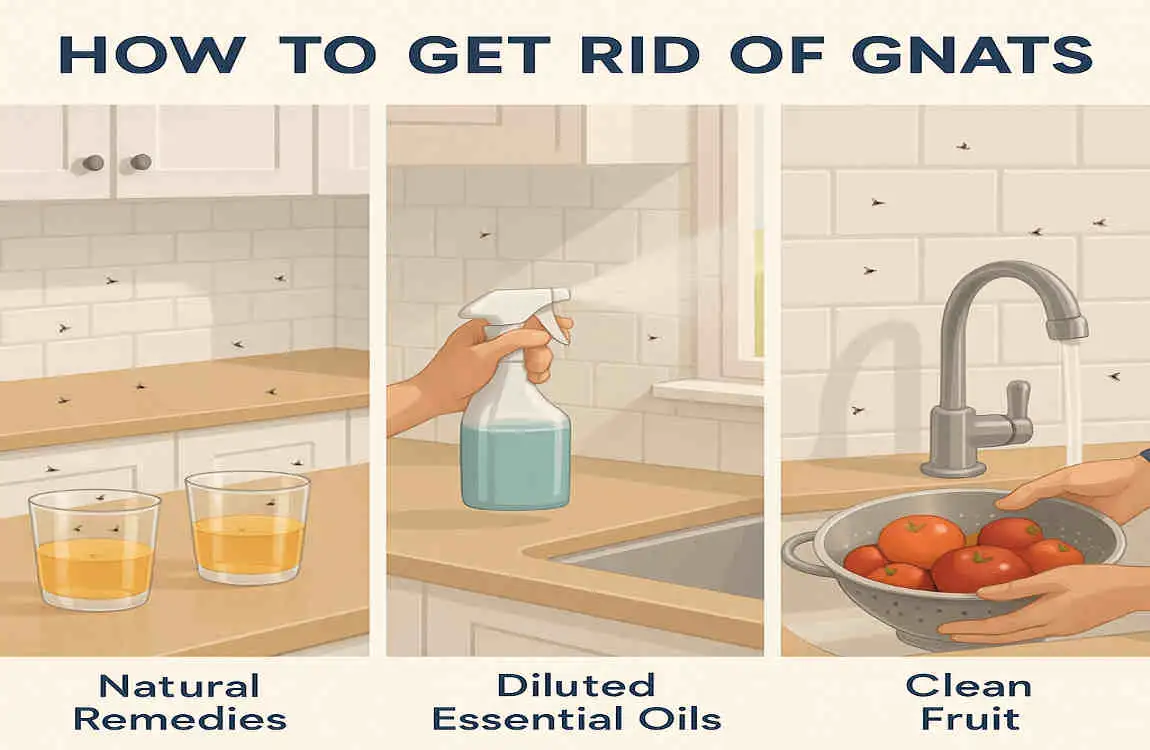
Before we can effectively eliminate gnats from our homes, it’s essential to understand what they are and how they behave.
What Are Gnats?
Gnats are small, flying insects that belong to the order Diptera. There are several types of gnats commonly found indoors, including:
- Fungus gnats: These gnats are attracted to moist soil and organic matter, often found in potted plants.
- Fruit flies: These gnats are drawn to ripe or fermenting fruits and vegetables.
- Drain flies: These gnats thrive in moist environments, such as drains and sewage systems.
Life Cycle and Breeding Habits
Gnats have a relatively short life cycle, typically lasting 7 to 10 days. They go through four stages: egg, larva, pupa, and adult. Female gnats lay their eggs in moist, organic matter, such as soil, drains, or rotting fruit. The larvae then feed on the organic matter until they pupate and eventually emerge as adults.
Why Gnats Infest Homes
Gnats are attracted to homes for several reasons:
- Moisture: Gnats thrive in humid environments, making bathrooms and kitchens prime targets for infestation.
- Organic matter: Gnats feed on organic matter, such as rotting fruit, vegetables, and plant debris.
- Warmth: Gnats prefer warm temperatures, making homes an ideal habitat during the colder months.
Now that we understand what gnats are and why they infest homes, let’s move on to identifying the signs of a gnat infestation.
Signs of a Gnat Infestation in Your House
If you suspect a gnat infestation in your home, look for the following signs:
Common Areas Where Gnats Gather
Gnats tend to congregate in areas with moisture and organic matter, such as:
- Kitchen sinks and drains
- Garbage disposals
- Potted plants
- Trash cans
- Areas with rotting fruit or vegetables
Visual Signs and Odors Indicating Infestation
If you notice the following, you may have a gnat infestation:
- Swarms of tiny flying insects
- Larvae or pupae in moist areas
- A musty or sour odor, particularly near drains or garbage disposals
How to Confirm Gnats Are the Cause of Pest Problems
To confirm that gnats are the source of your pest problems, try the following:
- Set up a gnat trap using apple cider vinegar or red wine to attract and capture the insects.
- Inspect moist areas, such as drains and potted plants, for the presence of larvae or pupae.
- Observe the behavior of the flying insects to determine if they match the characteristics of gnats.
Now that we’ve identified the signs of a gnat infestation, let’s explore the most effective cleaning methods to kill gnats in your house.
How to Kill Gnats in House Cleaning Tips: Effective Cleaning Methods
To effectively eliminate gnats from your home, you’ll need to employ a combination of cleaning methods. Let’s explore the most effective techniques for removing gnats and preventing future infestations.
Remove Breeding Grounds
The first step in killing gnats is to remove their breeding grounds. This involves:
Proper Disposal of Organic Waste and Overripe Fruits
- Regularly empty trash cans and dispose of organic waste, including food scraps and rotten fruit.
- Store fruits and vegetables in the refrigerator or in sealed containers to prevent overripening.
Cleaning Drains and Garbage Disposals Regularly
- Pour boiling water down drains weekly to kill gnats, larvae, and eggs.
- Use a drain snake or brush to remove debris and organic matter from garbage disposals.
Fixing Leaks and Reducing Moisture Buildup
- Repair any leaky faucets or pipes to reduce moisture in your home.
- Use a dehumidifier in areas with high humidity, such as basements or bathrooms, to control moisture levels.
Deep Cleaning Techniques
In addition to removing breeding grounds, deep cleaning can help kill gnats and prevent future infestations. Try these techniques:
Using Vinegar and Baking Soda for Drain Cleaning
- Pour 1/2 cup of baking soda down the drain, followed by 1 cup of vinegar.
- Let the mixture sit for 30 minutes before flushing with boiling water.
Wiping Down and Disinfecting Kitchen Counters and Sinks
- Regularly wipe down kitchen counters and sinks with a disinfectant to remove organic matter and kill gnats and their eggs.
- Pay special attention to areas around the sink and garbage disposal.
Cleaning Potted Plants and Soil to Prevent Fungus Gnats
- Allow the top inch of soil to dry out between waterings to discourage fungus gnat breeding.
- Use a mixture of 1 part Hydrogen peroxide to 4 parts water to treat the soil and kill gnats and their larvae.
Use of Natural Cleaning Solutions
If you prefer to use natural cleaning solutions, try these options:
Homemade Sprays with Essential Oils
- Mix 10-15 drops of peppermint or eucalyptus essential oil with 1 cup of water in a spray bottle.
- Spray the solution around areas where gnats congregate, such as kitchen counters and sinks.
Soap and Water Mixtures That Trap and Kill Gnats
- Fill a small bowl with apple cider vinegar and a few drops of dish soap.
- Place the bowl near areas where gnats are present to trap and kill them.
Use of Hydrogen‘s Peroxide for Soil Treatment
- Mix 1 part Hydrogen peroxide with 4 parts water and use it to water potted plants.
- The Hydrogen peroxide will help kill gnat larvae and eggs in the soil.
Use of Chemical Cleaners and Insecticides (with Caution)
If natural cleaning solutions aren’t effective, you may need to resort to chemical cleaners and insecticides. However, use these products with caution:
Safe Household Insecticides Specifically Targeting Gnats
- Look for insecticides labeled for use against gnats and follow the manufacturer’s instructions carefully.
- Avoid using insecticides in areas where food is prepared or consumed.
When and How to Use Chemical Sprays Effectively and Safely
- Use chemical sprays only when necessary and in well-ventilated areas.
- Wear gloves and a mask when applying insecticides to minimize exposure to these chemicals.
Importance of Following Manufacturer Instructions
- Always read and follow the manufacturer’s instructions when using chemical cleaners and insecticides.
- Improper use can lead to health hazards and ineffective pest control.
Maintaining Cleanliness for Prevention
To prevent future gnat infestations, maintain a clean home environment:
Daily and Weekly Cleaning Routines
- Wipe down kitchen counters and sinks daily to remove organic matter.
- Deep clean your home weekly, paying special attention to areas where gnats are likely to breed.
Tips for Keeping Trash Bins Sealed and Clean
- Use trash cans with tight-fitting lids to prevent gnats from accessing organic waste.
- Regularly clean trash cans with a disinfectant to remove odors and organic matter.
Proper Ventilation and Humidity Control
- Ensure proper ventilation in your home, especially in areas prone to moisture buildup.
- Use a dehumidifier to control humidity levels and discourage gnat breeding.
Additional Non-Cleaning Methods That Support Gnat Control
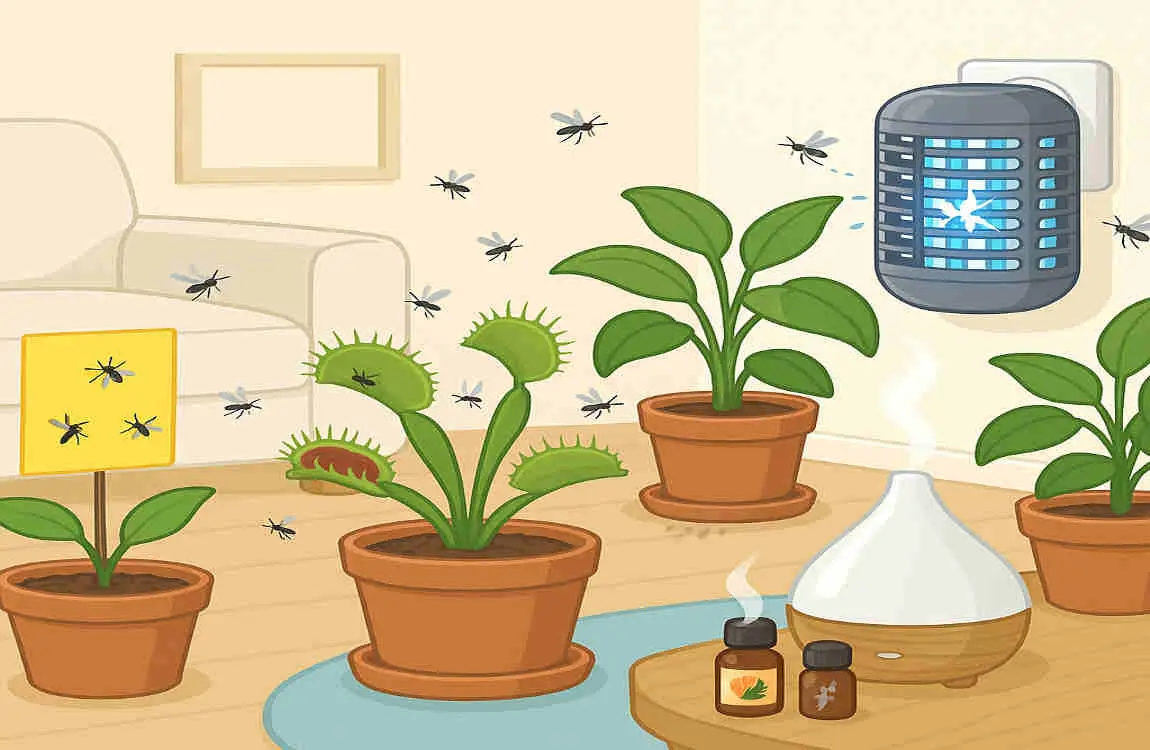
In addition to cleaning methods, you can use the following non-cleaning techniques to support gnat control:
Use of Traps and Physical Barriers
- Set up gnat traps using apple cider vinegar or red wine to attract and capture the insects.
- Use fine mesh screens on windows and doors to prevent gnats from entering your home.
Biological Controls Like Beneficial Nematodes or Predatory Insects
- Introduce beneficial nematodes or predatory insects, such as ladybugs or praying mantises, to your home to naturally control gnat populations.
- These biological controls can help kill gnats and prevent future infestations.
Lifestyle Changes Like Reducing Indoor Plants and Adjusting Watering Habits
- Reduce the number of indoor plants to minimize the risk of gnat infestations.
- Adjust your watering habits to allow the top inch of soil to dry out between waterings, discouraging gnat breeding.
Common Mistakes to Avoid When Trying to Kill Gnats in the House
When attempting to kill gnats in your home, avoid these common mistakes:
Over-Watering Plants or Ignoring Drains
- Over-watering plants can create a moist environment that encourages the breeding of gnats.
- Ignoring drains can allow gnat larvae and eggs to thrive in the organic matter that accumulates there.
Using Repellents Without Addressing Breeding Areas
- Using repellents alone won’t solve the problem if you don’t address the breeding areas from which gnats are coming.
- Focus on removing breeding grounds and using effective cleaning methods to eliminate gnats at their source.
Neglecting Regular Cleaning Routines
- Neglecting regular cleaning can allow gnats to breed and multiply, making the problem worse over time.
- Stick to a daily and weekly cleaning routine to keep your home free from gnats.
When to Call Professional Pest Control Services
If your gnat infestation persists despite your best efforts, it may be time to call in the professionals:
Signs Infestation Is Out of Control
- If you notice a significant increase in the number of gnats in your home, despite your cleaning efforts.
- If you find gnat larvae or pupae in multiple areas of your home, it indicates a widespread infestation.
Benefits of Professional Intervention
- Professional pest control services have the expertise and equipment to effectively eliminate gnat infestations.
- They can identify the source of the problem and provide long-term solutions to prevent future infestations.
What to Expect from Pest Control for Gnat Problems
- A pest control professional will conduct a thorough inspection of your home to identify the source of the gnat infestation.
- They will then develop a customized treatment plan to eliminate the gnats and prevent future infestations.
- Follow-up visits may be necessary to ensure the problem is fully resolved.
