

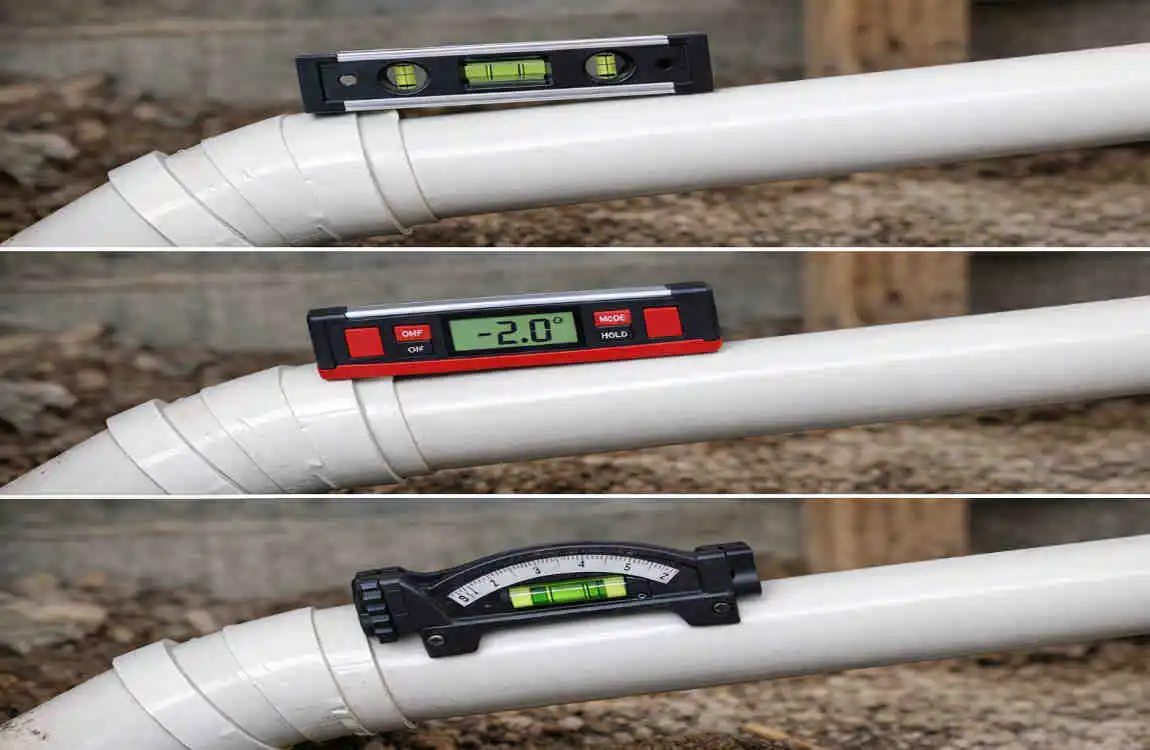
Drain pipes do not work well when the slope is wrong. If the pipe is too flat, water may sit inside it and cause slow drainage. If the slope is too steep, water can move too fast and leave waste behind. That is why the right angle matters.
So, do they make plumber levels to level drain pipes? Yes, they do. In fact, plumbing levels are designed to help you check and set the proper drain-pipe slope with more ease and accuracy.
What Is a Plumber Level for Drain Pipes?
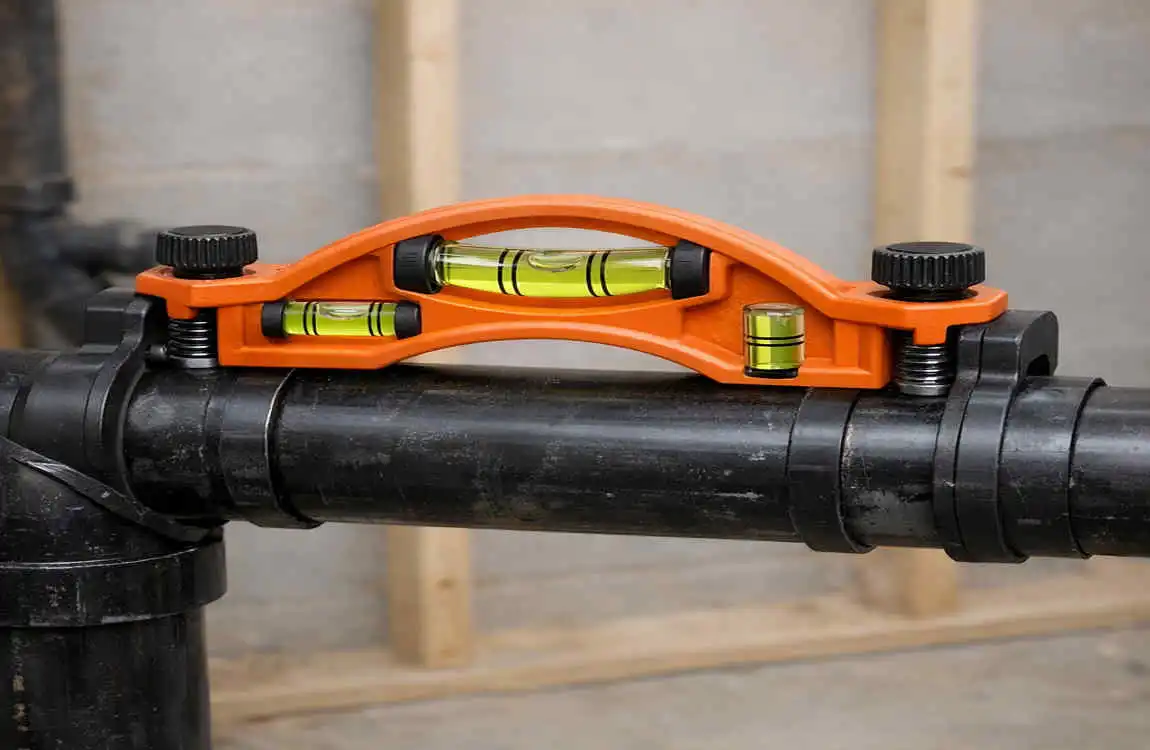
A plumber level is a small tool used to check pipe alignment and slope. It is often compact, easy to carry, and made for working in tight spaces.
What Makes a Plumber Level Different?
A plumbing level is usually smaller than a standard level. That makes it easier to place near pipes, fittings, and narrow work areas.
Some models are magnetic, which helps them stick to metal pipes. Others are non-magnetic, which is useful for plastic or PVC pipes.
Do They Make Plumber Levels to Level Drain Pipes?
Yes. They make levels specifically for plumbing work. But the main job is not to make a drain pipe perfectly flat. Instead, the tool helps you establish and check the correct slope so water can flow properly.
That is an important difference. Drain pipes usually need a downward slope, not a perfectly level line.
Plumber Level vs Standard Level
A standard level can work in some cases. But a plumber level is often more convenient because it is built for small spaces and pipe work.
If you are working on a simple residential drain line, a torpedo-style plumbing level may be enough. For tighter spots, a compact plumbing level is often easier to handle.
How Plumber Levels Help Set the Correct Drain Pipe Slope
The main purpose of a plumber level is to ensure drainage works as it should.
Understanding Drain-Pipe Slope
Drain pipes need a gentle downward fall so gravity can move water and waste along the line. If there is no slope, water may collect in the pipe.
That can lead to clogs, bad smells, and standing water.
Reading the Level
A bubble vial shows whether a pipe is flat or angled. Some plumbing levels also include slope markings, which make it easier to check the fall.
If you are setting a drain line, remember this: level does not always mean correct for drainage. A drain pipe often needs a controlled slope instead.
Measuring Fall Over Distance
The required slope depends on the pipe size and plumbing rules in your area. In many cases, installers measure how much the pipe drops over each foot or meter.
For example, a pipe may need a small drop across a short run to keep water moving well. Always check the proper plumbing standard for your project.
Types of Levels Plumbers Use for Drain Pipe Installation
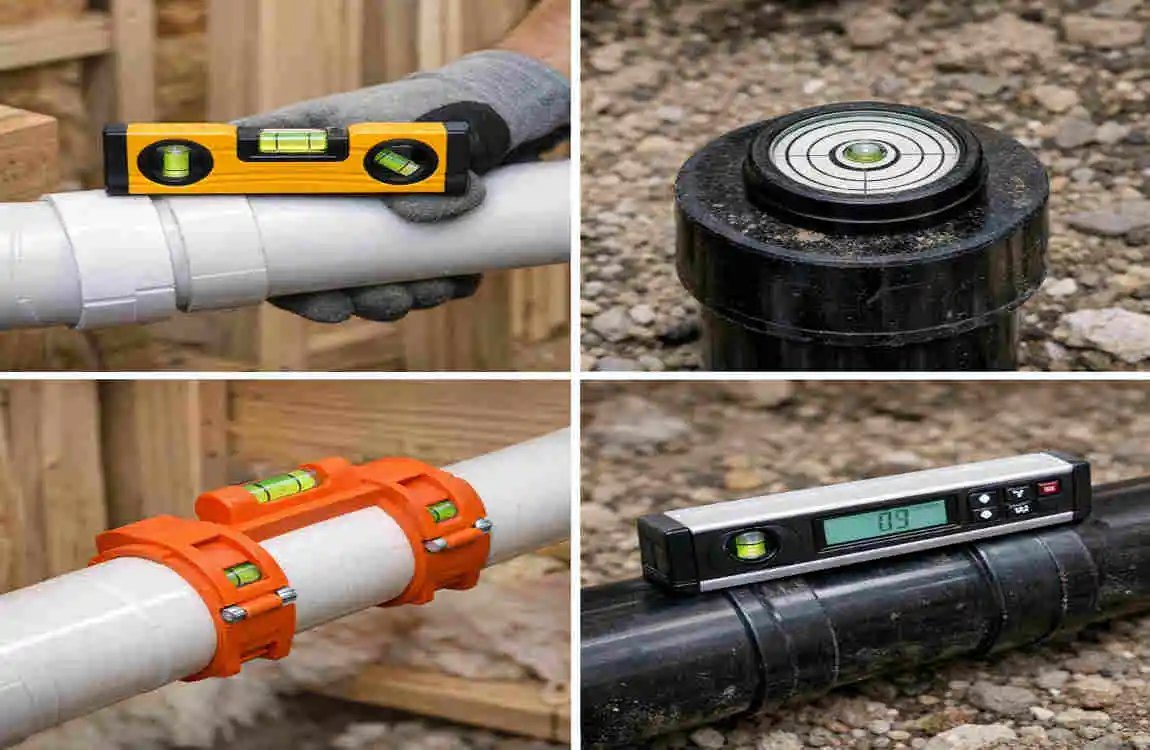
Different jobs call for different tools. Here are the most common ones.
Torpedo Levels
Torpedo levels are small, easy to carry, and very common in plumbing. They fit well around pipes and fittings.
They are a good choice for most basic drain pipe jobs. The downside is that they may be harder to use in very tight spaces.
Magnetic Levels
Magnetic levels attach to metal surfaces, which allows for hands-free use. This can be very helpful when one hand is already holding a pipe or fitting.
However, magnets do not help with PVC or other non-metal pipes.
Pocket and Small Plumbing Levels
These are made for tight spaces and fast checks. They are light, simple, and easy to keep in a tool bag.
They work well for quick slope checks on small drain runs.
Digital and Specialised Levels
Digital levels show angle readings on a screen. They can be easy to read and may feel more precise to some users.
Still, battery-powered tools can fail, so many plumbers keep a bubble level as a backup.
How to Use a Plumber Level on a Drain Pipe
Using the tool correctly matters as much as choosing the right one.
Prepare the Pipe and Work Area
Before checking slope, make sure the pipe is supported and the fittings are seated properly. Dirt or debris can affect your reading, so clean the area first.
Position the Level
Place the level against the pipe or along the run, depending on the tool style. Hold it steady so you do not disturb the pipe.
If the drain line is long, check it at several points rather than just one.
Establish and Check the Slope
Use the vial or slope indicator to verify the fall. The goal is to create a smooth, even slope from start to finish.
Do not guess by eye alone. A small mistake can affect drainage later.
Recheck Before Finalising
Before you secure or cover the pipe, check the entire run again. Check the supports, joints, and the final slope.
This is one of the most important steps in using plumber levels to level drain pipes correctly.
Common Drain Pipe Levelling Mistakes to Avoid
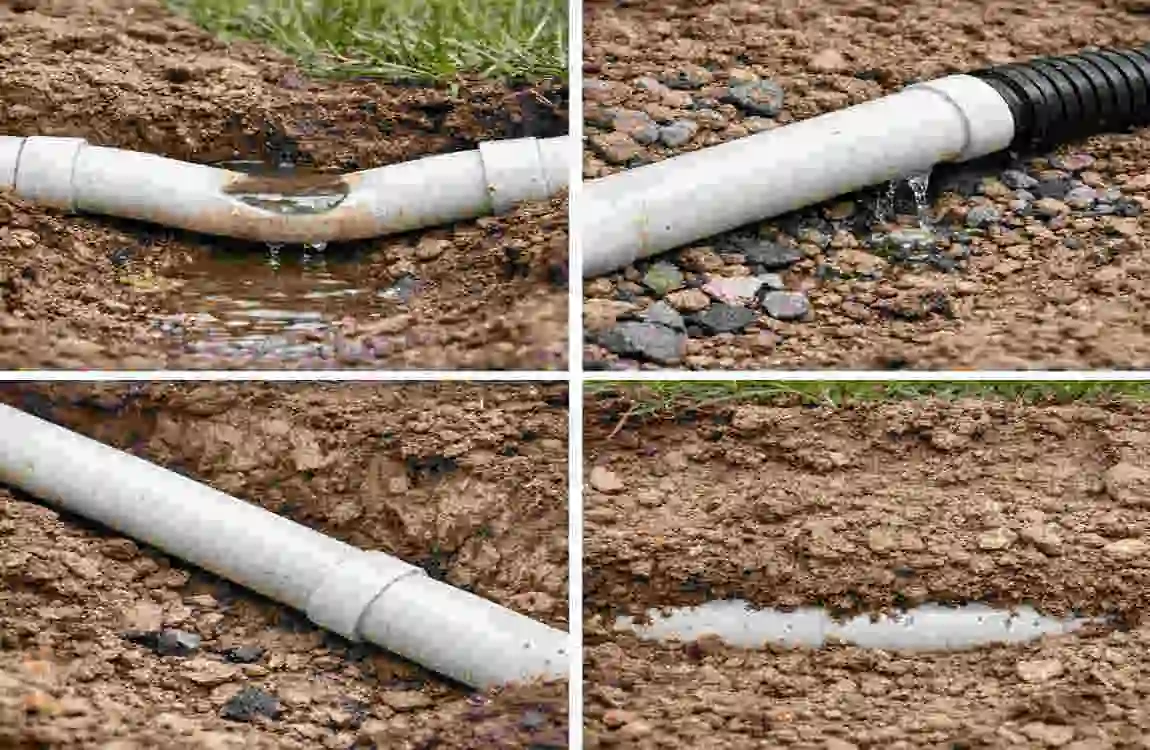
Even a simple drain line can go wrong if the slope is not checked carefully.
Mistakes People Often Make
- Assuming every drain pipe should be perfectly level
- Using the wrong part of the level
- Creating too little slope
- Creating too much slope
- Checking only one section of pipe
- Ignoring pipe size and plumbing rules
- Failing to support the pipe properly
Why These Mistakes Matter
Too little slope can cause standing water. Too much slope can also cause problems because water may move too quickly for solid waste to follow.
The safest choice is to follow the correct plumbing requirement for the specific pipe and setup.
FAQ: Plumber Levels and Drain Pipe Slope
Do they make plumber levels to level drain pipes?
Yes. Plumbing levels are designed to help check and set the drainpipe slope, not just general flatness.
What type of level is best for drain pipes?
A torpedo level is a good all-around option. Magnetic and digital levels can also be useful depending on the pipe material and workspace.
Should a drain pipe be perfectly level?
No. Drain pipes usually need a slight downward slope so water can flow out properly.
How do you check the slope of a drain pipe?
Use a plumber’s level to measure the fall along the length of the pipe. Make sure the slope matches the required plumbing standard.
Can you use a regular level for plumbing?
Yes, sometimes. But a plumbing level is often easier because it is smaller and better suited to pipework.
Are magnetic levels useful for PVC drain pipes?
Not really. Magnetic levels are best for metal surfaces. For PVC, you need a different holding method.
How much slope should a drain pipe have?
That depends on the pipe size, the drainage use, and your local plumbing code.
Can homeowners use plumber levels?
Yes, for basic projects. But more complex plumbing work may need a licensed professional.
| Tool/Method | Best Use | Key Benefit |
|---|---|---|
| Torpedo Level | Small drain pipes | Compact and easy to position |
| Digital Level | Accurate slope checks | Shows precise angle or percentage |
| Standard Spirit Level | General plumbing work | Simple and affordable |
| Laser Level | Long pipe runs | Maintains consistent slope over distance |
| Slope Level | Drainage installation | Designed specifically for pipe gradients |
| String Line & Level | Basic layout work | Useful for longer, straight runs |
