

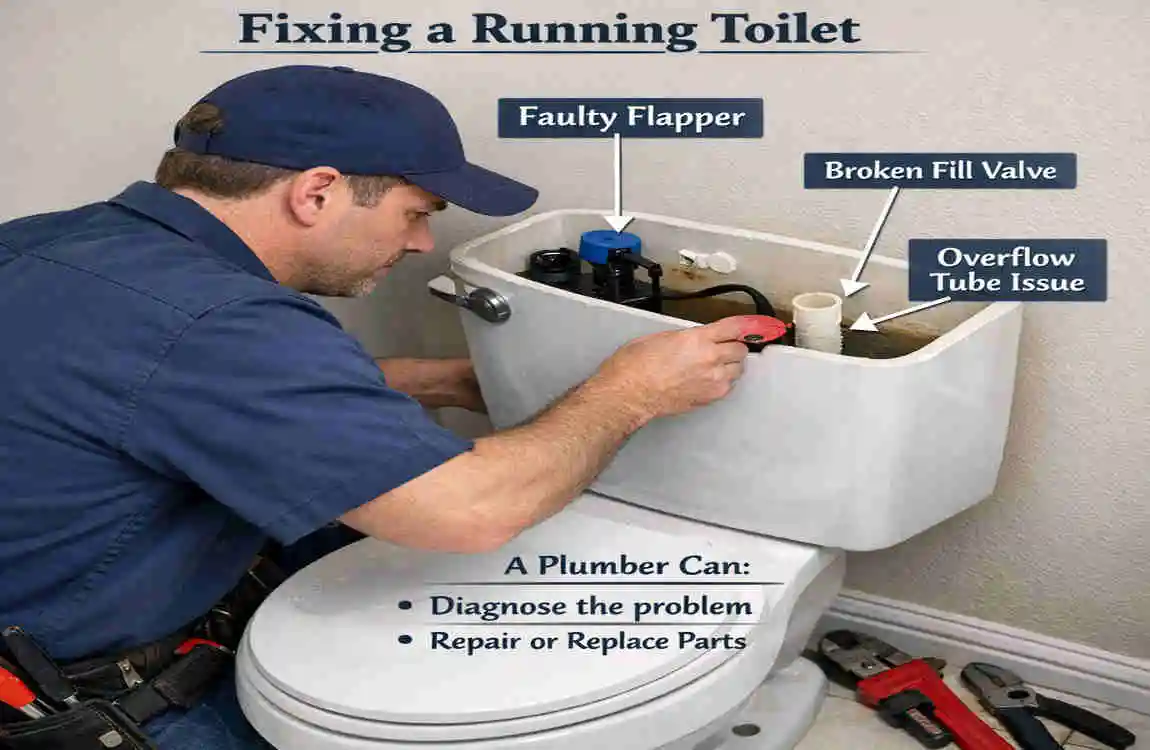
A toilet that keeps running after you flush is more than just an annoyance. It can waste water, raise your utility bill, and point to a part inside the tank that is not working properly. In many cases, the good news is simple: yes, a plumber can usually diagnose and fix a running toilet.
If you are wondering whether a plumber can fix a running toilet, the answer is almost always yes. A plumber can check the flapper, fill valve, float, chain, and other parts inside the tank to find the real cause. Sometimes the fix is quick. Other times, the toilet may need a part replaced or a deeper plumbing issue checked.
Why Does a Toilet Keep Running?
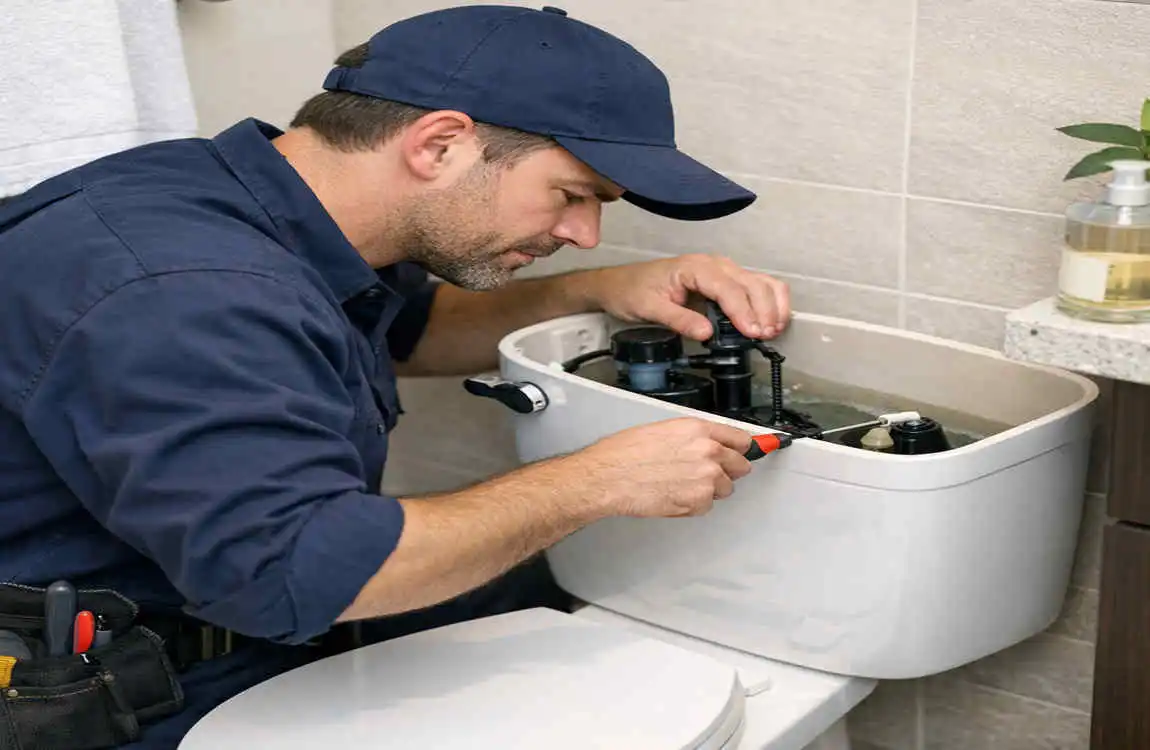
A toilet keeps running when the water does not stop flowing as it should. The tank may not be sealing properly, or one of the internal parts may be damaged or misaligned.
Faulty Toilet Flapper
The flapper is the rubber part that closes the opening at the bottom of the tank. It traps water in the tank until you flush.
If the flapper is worn, bent, dirty, or covered with mineral buildup, it may not seal tightly. That allows water to slowly leak into the bowl, which keeps the toilet running.
Broken or Misadjusted Fill Valve
The fill valve controls how water enters the tank after a flush. When it works properly, it shuts off once the tank reaches the correct level.
If the valve is faulty or not adjusted well, water may keep flowing into the tank longer than it should. You may hear constant hissing or notice water moving even when nobody has flushed.
Float Problems
The float helps indicate when the tank is full. If it is set too high, the water level may rise too far. If the float is damaged, it may not trigger the shutoff properly.
That can cause the toilet to keep filling and running.
Chain or Handle Issues
The chain connects the handle to the flapper. If the chain is too tight, too loose, or tangled, the flapper may not close fully.
A loose handle can also cause weak flushing or prevent the flapper from sealing the tank after use.
Can a Plumber Fix a Running Toilet?
Yes. A plumber can fix a running toilet in most cases by identifying the exact part causing the problem.
Diagnosing the Source of the Problem
A plumber will open the tank and inspect the parts inside. They look for leaks, worn rubber, incorrect water levels, and signs of mineral buildup or damage.
This step matters because a running toilet can have multiple causes. A good diagnosis helps prevent repeat problems.
Replacing Damaged Components
If a part is worn out, the plumber may replace it. Common repairs include:
- Flapper replacement
- Fill valve replacement
- Float adjustment or replacement
- Flush valve repair
- Chain or handle repair
These are common plumbing repairs and are often enough to stop a running toilet.
Checking for Hidden Plumbing Problems
Sometimes the problem is not just inside the tank. A plumber may find signs of a larger issue, such as a hidden leak or a water pressure problem.
If the toilet keeps running even after simple part replacements, it may need a more careful inspection.
How Does a Plumber Repair a Constantly Running Toilet?
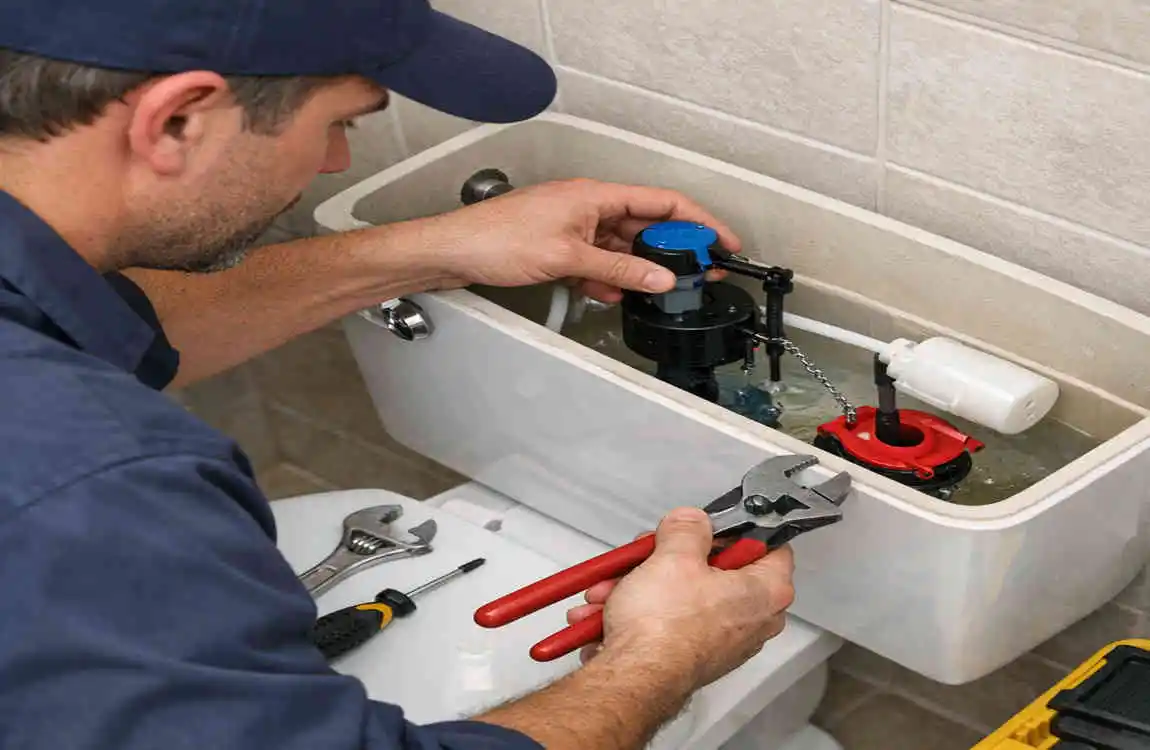
Inspecting the Toilet Tank
The plumber usually starts by checking the water level, the flapper, the float, the chain, and the fill valve. They look for cracks, rust, mineral buildup, and anything that seems out of place.
This quick inspection often reveals the cause right away.
Adjusting or Replacing the Faulty Part
Not every toilet problem needs a new part. Sometimes the plumber only needs to adjust the float or chain.
If the part is damaged or too worn, replacement is the better choice. A proper fix should stop the running and help the toilet flush normally again.
Testing the Toilet After Repair
Once the repair is done, the plumber will flush the toilet several times. They check whether the tank refills correctly and whether the water stops at the right level.
They also look for leaks around the tank and supply connection.
Can You Fix a Running Toilet Yourself?
Yes, some small toilet problems are easy to handle at home. But you should know your limits.
Simple Repairs Homeowners Can Try
You may be able to try these first:
- Adjust the float
- Check the flapper
- Untangle the chain
- Inspect the handle
These fixes are often simple and inexpensive.
When to Call a Plumber
Call a plumber if:
- The toilet still runs after basic adjustments
- Water leaks onto the floor
- The tank or bowl is cracked
- More than one plumbing issue happens at once
- You cannot find the cause
DIY vs. Professional Toilet Repair
ProblemDIY-Friendly?Plumber Recommended?
Loose chain Usually Not always
Float adjustment Usually Not always
Worn flapper Often If replacement fails
Faulty fill valve Sometimes Yes, if unsure
Cracked toilet No Yes
Hidden plumbing leak No Yes
A simple adjustment can be fine for a homeowner. But if the toilet still runs, professional help is usually the smarter choice.
How Much Does It Cost to Fix a Running Toilet?
The cost depends on the part that needs repair, the plumber’s labor, and the job’s difficulty.
Cost of Replacement Parts
Some parts are cheap and easy to replace. A flapper or chain usually costs less than larger parts, such as a fill valve or a flush valve.
Specialty toilet parts or premium models may cost more.
Plumber Labor Costs
Labor rates vary by location and job size. A small repair may be quick, while a more complex issue takes longer.
Emergency visits often cost more than regular appointments.
Repair vs. Toilet Replacement
If the toilet is old, cracked, or needing frequent repairs, replacement may make more sense than fixing it again and again.
A plumber can help you compare the cost of repair versus replacement.
What Happens If You Ignore a Running Toilet?
A running toilet should not be ignored. Even a small internal leak can waste a lot of water over time.
Increased Water Bills
A toilet that keeps running can use water constantly, even when nobody is in the bathroom. That can slowly raise your water bill.
Possible Water Damage
If the leak spreads beyond the tank or supply line, it may damage flooring or nearby materials.
More Serious Plumbing Problems
A running toilet can sometimes be a sign of a larger plumbing problem. If the issue keeps coming back, it is best to inspect it early.
How to Prevent Your Toilet From Running Constantly
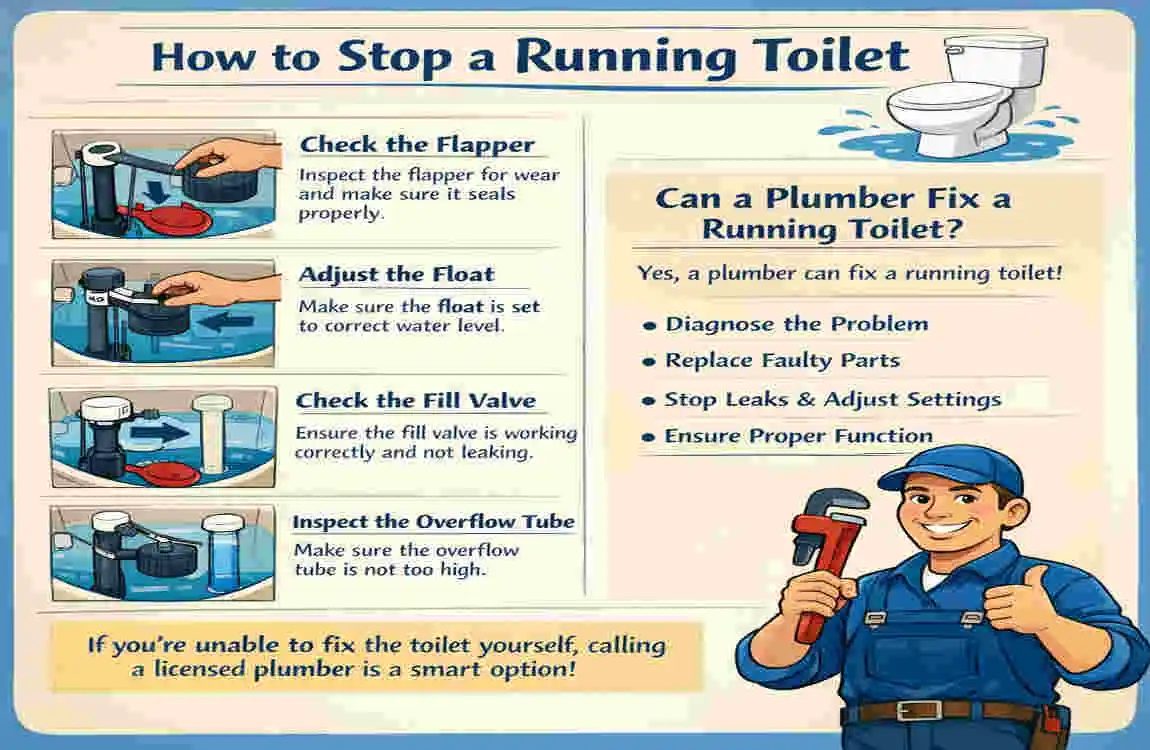
Inspect Toilet Components Regularly
Check the flapper, chain, float, and fill valve now and then. Look for wear, buildup, or corrosion.
Avoid Using Harsh Chemical Cleaners
Some strong cleaners can damage rubber parts inside the tank. That can lead to leaks and running water.
Respond to Small Problems Early
Do not ignore weak flushing, strange sounds, or intermittent running. Small issues are easier to fix before they become bigger ones.
Schedule Professional Plumbing Maintenance
If your plumbing is older, a routine inspection can help catch problems early. That can save time and money later.
Frequently Asked Questions About Running Toilets
Can a plumber fix a running toilet?
Yes. A plumber can usually find the cause and repair or replace the faulty part.
How long does it take a plumber to fix a running toilet?
Simple repairs may take a short time. More complicated problems can take longer.
Is a constantly running toilet an emergency?
Usually it is not an emergency, but it should be fixed quickly to stop water waste. If there is a leak on the floor, it becomes more urgent.
Why does my toilet keep running after I replace the flapper?
The problem may be the fill valve, float, flush valve, or water level, rather than the flapper.
Can a running toilet increase my water bill?
Yes. Continuous water flow can waste a surprising amount of water.
Should I repair or replace a running toilet?
That depends on the toilet’s age, condition, and repair cost. A plumber can help you decide.
Can I fix a running toilet without a plumber?
Sometimes yes, if the issue is simple. But if basic adjustments do not work, it is better to call a professional.
| Problem | Common Cause | Can a Plumber Fix It? | Typical Solution |
|---|---|---|---|
| Toilet keeps running | Faulty flapper | Yes | Replace the flapper |
| Water runs into the bowl | Damaged fill valve | Yes | Repair or replace fill valve |
| Handle keeps sticking | Loose or damaged handle | Yes | Adjust or replace handle |
| Water level is too high | Float problem | Yes | Adjust or replace float |
| Toilet makes a hissing sound | Worn valve or seal | Yes | Replace faulty parts |
| Toilet runs after flushing | Flush valve issue | Yes | Repair or replace flush valve |
| Hidden leak around the tank | Cracked tank or seal | Yes | Replace seal or tank |
