

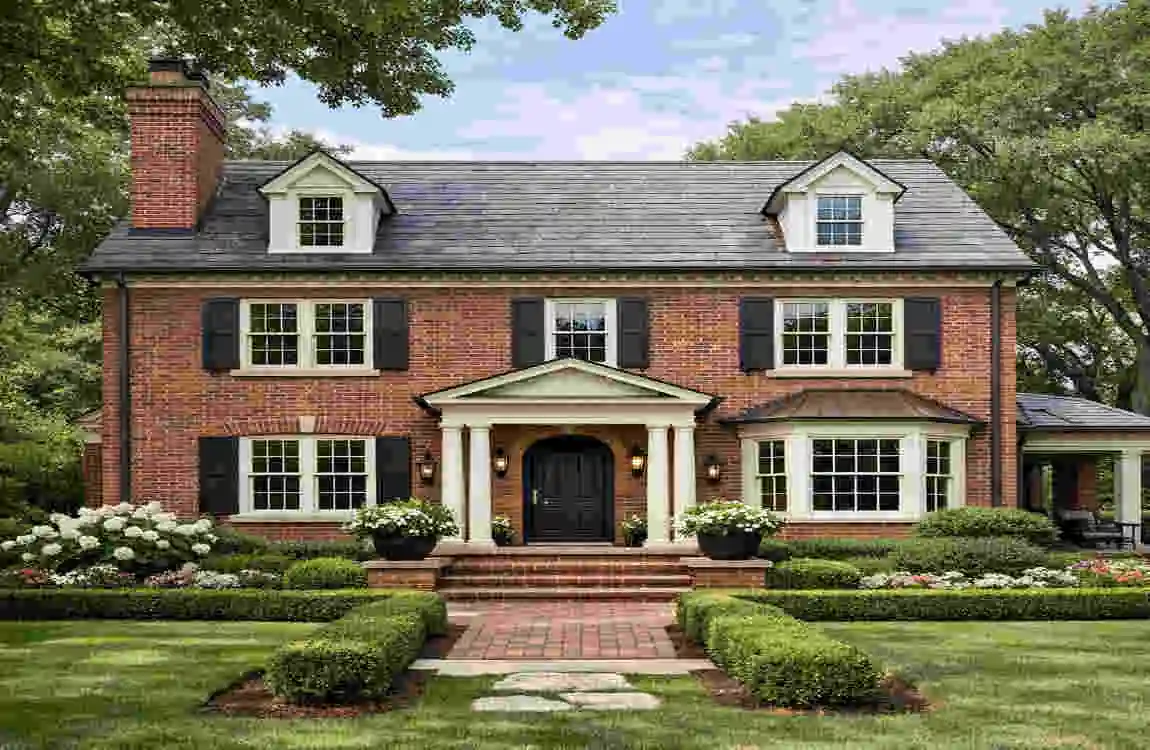
A red brick house has a special kind of charm. It looks classic, solid, and welcoming all at once. Many homeowners love it because it never feels outdated, even as design trends change.
The best thing about a red brick house is that it blends beauty with strength. It can look traditional or modern, simple or elegant. That flexibility is one reason people continue to choose it today.
What Is a Red Brick House?
Definition and Characteristics
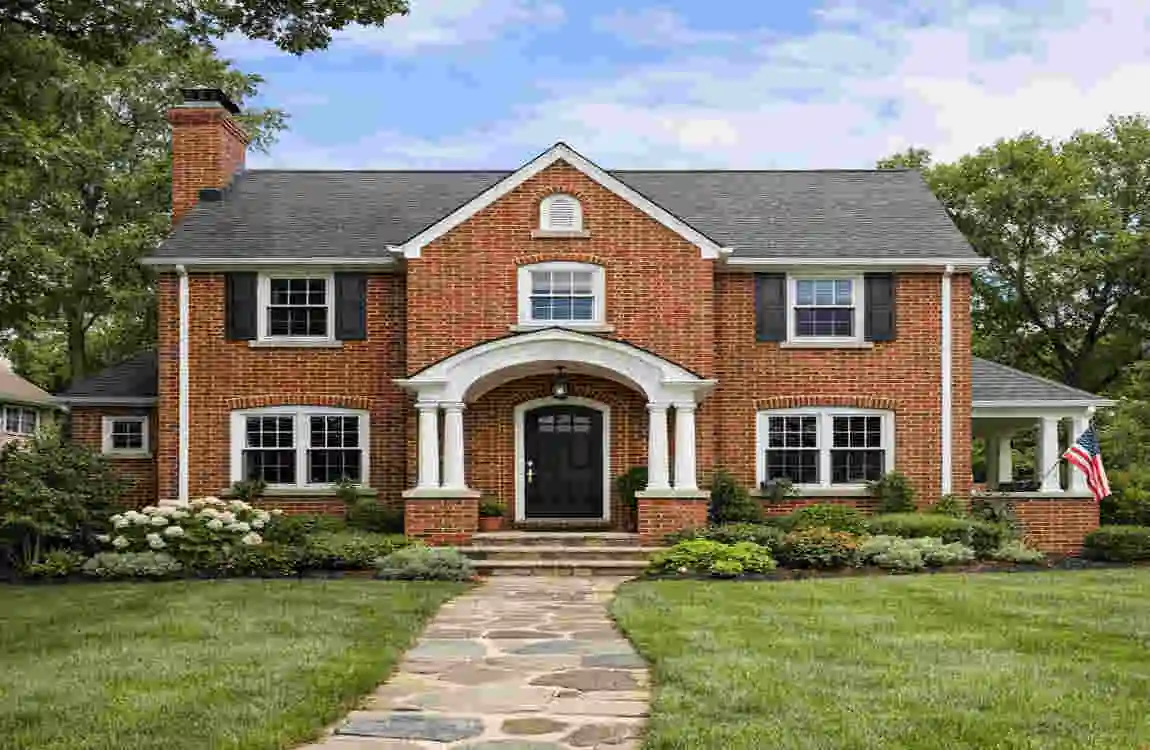
A red brick house is a home built with red clay bricks as a major part of the exterior. In many cases, the bricks form the outer walls, while in other homes they are used as a front façade or decorative feature.
The colour can range from deep red to soft orange-red or even a darker rustic shade. Brick texture also varies, which gives each house a slightly different look.
What makes a red brick home stand out is its strong, natural appearance. It feels grounded and solid. It also creates a warm look that works well in many neighbourhoods.
Why Red Brick Is Still Popular
People still choose red brick because it offers a mix of style and practicality. It looks good in almost any season. It also holds up well in different weather conditions.
Another reason is comfort. Many homeowners want a home that feels dependable and long-lasting. A red brick house gives that feeling right away.
It also fits many lifestyles. Whether you prefer a classic look or want to mix brick with modern features, it can adapt easily.
Traditional vs. Modern Red Brick Homes
Traditional red brick homes often have details like shutters, pitched roofs, and symmetrical windows. They usually feel warm, classic, and historic.
Modern red brick homes look cleaner and simpler. They may use large windows, flat lines, or mixed materials like glass, wood, and metal.
Both styles work well. The choice depends on your taste. If you love timeless charm, go traditional. If you prefer a fresh look, modern design may suit you better.
The History of Red Brick Houses
Early Use of Brick Construction
Brick has been used for thousands of years. People valued it because it was strong, easy to shape, and more durable than many other materials.
As cities grew, brick became even more useful. It helped builders create safer homes and buildings that could stand through fire, wind, and heavy use.
Evolution of Red Brick Architecture
Over time, red brick became a trusted choice for homes, schools, churches, and public buildings. In many places, brick homes became a sign of quality and stability.
Architects also began using brick in more creative ways. They mixed it with stone, wood, and decorative trim to create richer designs. That is why a red brick house can feel both historic and stylish.
Why Brick Homes Have Lasted for Centuries
Brick homes have lasted because they are dependable. They do not wear out as quickly as some other materials.
They also age well. In many cases, brick looks even better over time. That is rare in building materials, and it is one reason brick still has such strong appeal.
Benefits of Owning a Red Brick House
Timeless Appearance
One of the biggest benefits of a red brick house is its timeless look. It does not rely on trends that fade quickly.
Red brick feels familiar and elegant. It can make a home look beautiful without needing extra decoration.
Exceptional Durability
Brick is strong. It can handle bad weather, daily wear, and long-term use better than many exterior materials.
This makes it a smart choice if you want a home that stands the test of time.
Low Maintenance
A brick exterior usually needs less upkeep than wood siding. You do not have to repaint it often, and it does not rot the same way wood can.
That means less work and fewer maintenance worries.
Energy Efficiency
Brick has natural thermal mass. That means it can help slow down changes in temperature inside your home.
In simple words, it helps keep heat out in summer and helps hold warmth in during cooler months.
Fire Resistance
Brick is non-combustible, which means it does not burn like wood. That adds an extra layer of safety to the home.
Pest Resistance
Unlike some materials, brick does not attract termites or other pests in the same way. That is another reason homeowners trust it.
Increased Property Value
Homes with brick exteriors often feel more valuable to buyers. People see brick as a premium material so a red brick house may attract stronger market interest.
Quick Benefits List
- Long lifespan
- Classic curb appeal
- Weather resistant
- Eco-friendly
- Excellent insulation
- Strong resale value
Popular Architectural Styles for a Red Brick House
Colonial Homes
Colonial homes often use brick because it complements their balanced, formal look. White trim, shutters, and a central entryway work beautifully with red brick.
Victorian Homes
Victorian homes often mix brick with decorative details. The brick adds structure, while the design creates charm and character.
Georgian Style
Georgian homes are known for symmetry and elegance. Red brick is a natural fit because it supports the classic, orderly appearance.
Modern Farmhouse
A modern farmhouse with red brick feels warm and inviting. Many homeowners pair brick with white siding, black windows, and simple roof lines.
Contemporary Brick Homes
Contemporary brick homes often freshly use brick. They may combine it with glass, wood, or steel for a clean and updated look.
Exterior Design Ideas for a Red Brick House
Best Roof Colours
The roof colour should support the brick, not fight against it. Popular choices include black, charcoal grey, brown, and dark green.
A dark roof usually gives the house a grounded, finished appearance. It also helps the red brick stand out.
Matching Front Door Colours
A front door is a great place to add personality. With a red brick house, bold but simple colours often work best.
Good options include:
- Black
- White
- Navy
- Forest green
- Deep red
- Warm wood stain
Each of these can create a different feeling. Black looks sharp. White feels clean. Navy feels calm and classic.
Window Frame Ideas
Window frames in black or white usually look best with red brick. Black creates contrast, while white makes the house feel softer and brighter.
If you want a more modern look, matte black frames are often a strong choice.
Landscaping Tips
Landscaping should support the warm look of the brick. Green plants, trimmed hedges, and simple flower beds usually work well.
Stone edging, mulch, and small trees can also help the exterior feel balanced.
Outdoor Lighting Ideas
Warm outdoor lighting brings out the natural colour of brick. It makes the home feel inviting at night.
Use wall lights, path lights, or soft porch lighting to highlight the texture of the bricks.
Interior Design Ideas That Complement Red Brick
Neutral Colour Palettes
In a red-brick home, neutral colours often work best. White, beige, soft grey, and cream help keep the space calm.
These shades balance the brick’s strong look and prevent the room from feeling too busy.
Rustic Interiors
Brick pairs naturally with rustic design. Wood furniture, soft fabrics, and warm lighting create a cozy feel.
This style works especially well in living rooms and kitchens.
Modern Minimalist Design
If you want a more updated look, keep the interior simple. Use clean lines, uncluttered surfaces, and a few strong design pieces.
The brick can act as a focal point while the rest of the room stays light and open.
Industrial Style
Exposed brick is often a big part of industrial design. Pair it with metal accents, dark colours, and simple furniture for a bold look.
Cozy Living Room Ideas
A cozy living room in a red brick house often includes soft rugs, warm lamps, and comfortable seating.
The goal is to make the space feel lived-in and welcoming.
Best Paint Colours That Match Red Brick
White
White trim is one of the most popular choices. It creates fresh contrast and keeps the home looking bright.
Cream
Cream feels softer than white. It blends nicely with the warmth of the brick.
Beige
Beige is a safe and flexible choice. It keeps the exterior calm and natural.
Gray
Grey works well when you want a more modern edge. Choose a shade that does not clash with the red tone.
Sage Green
Sage green gives the house an earthy and peaceful feeling. It works especially well with landscaping.
Navy Blue
Navy blue adds depth and class. It works beautifully for doors, shutters, or front accents.
Maintenance Tips for a Red Brick House
Cleaning Brick Walls
Brick should be cleaned gently. Use soft brushes and mild cleaning solutions when needed.
Avoid harsh cleaners that can damage the surface.
Preventing Moisture Damage
Water is one of the biggest threats to brick homes. Make sure gutters work properly and that water drains away from the foundation.
Repointing Mortar
Mortar is the material between bricks. Over time, it can crack or wear away.
Repointing means repairing those joints so the wall stays strong and sealed.
Sealing Brick When Needed
Most brick homes do not need to be sealed all the time. But in some cases, sealing may help protect against moisture.
Only do this when it makes sense for your home and climate.
Annual Inspection Checklist
Check your home once a year for:
- Cracks in bricks
- Loose mortar
- Water stains
- Mould or mildew
- Drainage problems
An annual checkup can help you catch small issues before they become bigger problems.
Common Problems and How to Fix Them
Cracked Bricks
Cracks can form due to settling, moisture, or weather changes. Small cracks may not be serious, but they should still be checked.
Efflorescence
Efflorescence is a white powder that can appear on brick when salts move to the surface. It often happens because of moisture.
It is usually a sign that water needs attention.
Mould and Mildew
If brick stays damp too long, mould and mildew can grow. Cleaning the area and fixing the moisture source usually helps.
Mortar Deterioration
Old mortar can crumble over time. Repointing can restore strength and improve appearance.
Water Damage
Water damage may show up as stains, cracks, or damp spots. Fix drainage issues quickly to protect the structure.
Is a Red Brick House Energy Efficient?
Thermal Mass Explained
Thermal mass is the ability of a material to absorb, store, and slowly release heat. Brick does this very well.
That helps stabilise indoor temperatures.
Insulation Performance
Brick alone is not the same as insulation, but it works well when combined with proper wall systems and insulation materials.
Heating and Cooling Benefits
A brick home can help reduce temperature swings. This may support comfort and lower energy use.
Ways to Improve Efficiency
You can make a red brick house even more efficient by using:
- Good insulation
- Efficient windows
- Proper sealing
- Energy-saving HVAC systems
- Smart ventilation
These improvements work together to create a more comfortable home.
Cost of Building and Maintaining a Red Brick House
Initial Construction Costs
Brick often costs more upfront than vinyl siding. That is because brick is heavier, more labour-intensive, and takes longer to install.
Long-Term Maintenance Costs
The good news is that brick can save money over time. It usually needs less painting and fewer replacements than many other materials.
Repair Expenses
If brick or mortar gets damaged, repairs may cost more than simple siding fixes. But these problems often happen less often.
Is Brick Worth the Investment?
For many homeowners, yes. A red brick house offers long-term value, strong curb appeal, and a classic look that lasts.
It may cost more at the start, but the durability and appearance often make it worthwhile.
Red Brick vs Other Exterior Materials
FeatureRed BrickVinyl SidingWoodStone
Durability Excellent Good Moderate Excellent
Maintenance Low Low High Low
Lifespan 100+ Years 20–40 Years 30–50 Years 100+ Years
Fire Resistance Excellent Low Low Excellent
Energy Efficiency High Moderate Moderate High
Cost Medium-High Low Medium High
Brick stands out for its strong blend of beauty and long-term performance. It is not the cheapest option, but it often gives more value over time.
Expert Tips Before Buying or Building a Red Brick House
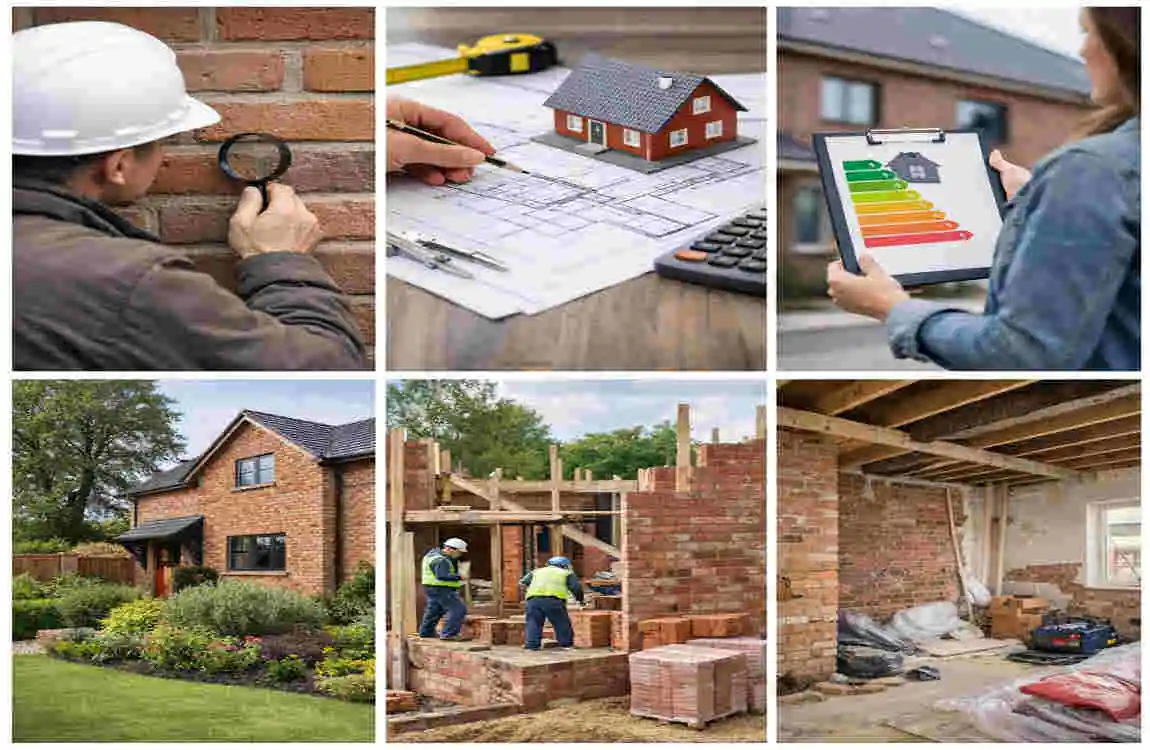
Inspect Brick Quality
Not all brick is the same. Consider the colour, finish, and strength before making a choice.
Check Mortar Condition
Good mortar matters just as much as good brick. Weak mortar can shorten the wall’s lifespan.
Consider Climate
Brick works well in many climates, but local weather should guide your design choices.
Choose Complementary Exterior Colours
The roof, trim, windows, and doors should all work together. This creates a polished look.
Plan Long-Term Maintenance
Even low-maintenance homes need care. Set up a simple plan to protect your investment.
Mistakes to Avoid
- Ignoring damaged mortar
- Pressure washing too aggressively
- Choosing mismatched paint colours
- Neglecting drainage around the foundation
- Skipping yearly inspections
A little care can prevent expensive damage later.
Frequently Asked Questions
Is a red brick house a good investment?
Yes. Brick homes are durable, require less maintenance, and often retain strong resale value.
How long does a red brick house last?
With proper care, a brick house can last well over 100 years.
Does a red brick house require sealing?
Most do not need sealing unless there is a specific moisture issue.
What colours look best with a red brick house?
White, cream, grey, black, navy blue, and sage green are popular choices.
Are red brick houses energy efficient?
Yes. Brick has thermal mass that helps regulate indoor temperatures.
How often should brick mortar be repaired?
Inspect the mortar every few years and repoint it when cracking or wear is evident.
| Topic | Details |
|---|---|
| House Style | A classic home built with natural red brick, known for its timeless appearance and lasting value. |
| Exterior Design | Features warm red brick walls that pair well with white trim, black accents, wood, or stone details. |
| Architectural Styles | Colonial, Georgian, Victorian, Ranch, Craftsman, Tudor, and Modern Farmhouse. |
| Primary Materials | Clay-fired red bricks, mortar, concrete foundation, and wood or metal roofing. |
| Durability | Extremely durable, weather-resistant, and can last over 100 years with proper maintenance. |
| Energy Efficiency | Brick provides thermal mass, helping regulate indoor temperatures and improve energy efficiency. |
| Maintenance | Requires minimal maintenance; occasional cleaning and mortar joint inspections are recommended. |
| Popular Roof Colors | Charcoal gray, black, dark brown, slate, or weathered wood tones. |
| Best Front Door Colors | Black, navy blue, forest green, white, and natural wood finishes complement red brick beautifully. |
