

If you have ever stood outside a two-story house and wondered how tall it really is, you are not alone. This question comes up all the time for homeowners, homebuyers, builders, real estate agents, and even people planning a renovation or an addition.
A two-story house may look simple from the outside, but its height can vary more than most people expect. Some homes are compact and sit low to the ground. Others feel much taller because of high ceilings, steep roofs, or raised foundations. That is why it helps to understand the average height of a two-story house before making plans or assumptions.
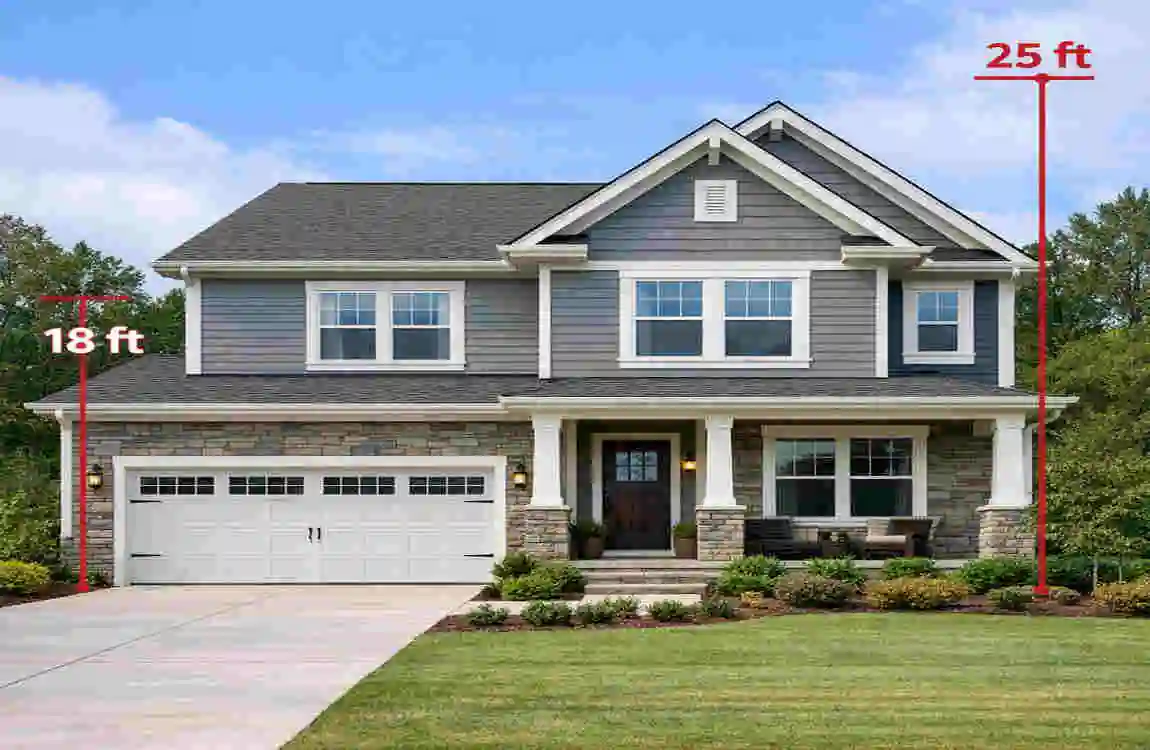
In most cases, a two-story house stands around 18 to 25 feet tall. However, that number is only a general guide. The true height depends on several things, including ceiling height, roof style, and foundation type. A basic home with standard ceilings may sit near the lower end of that range, while a modern or luxury home can easily reach the higher end.
How Tall Are Two-Story Houses?
Average Height of a Two-Story House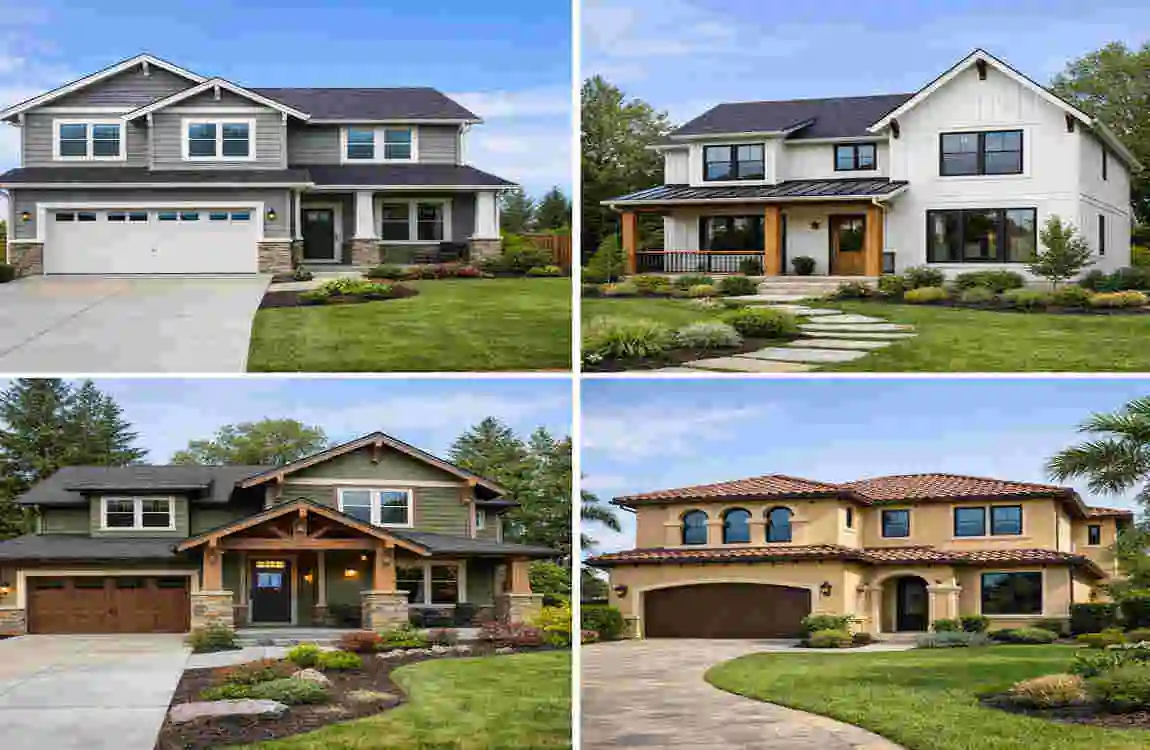
The average height of a two-story house is usually between 18 and 25 feet from ground level to the roof peak. That range covers many common residential homes in the United States and other places with similar building styles.
A standard two-story home often measures 20 to 22 feet tall with normal ceiling heights and a typical roof. Some homes sit a little shorter, especially older or simpler designs. Others rise higher because of larger rooms, decorative rooflines, or raised foundations.
It is important to remember that “two-story” does not always mean the same height from house to house. Two homes can both have two floors, yet one may be several feet taller than the other. The reason is simple: the total height includes more than just the number of floors. It also includes the roof, ceiling spacing, and the structure between levels.
Many people assume a two-story house is always about 20 feet tall, but that is only a rough estimate. In reality, the total height can vary depending on how the home is designed and built.
Height Breakdown by Floor
To better understand house height, it helps to look at the structure in parts.
A typical two-story home usually includes:
- First-floor ceiling height
- Second-floor ceiling height
- Floor framing between stories
- Roof height and attic space
A common setup might look like this:
- First-floor walls: about 8 to 9 feet
- Floor structure between levels: about 1 to 1.5 feet
- Second-floor walls: about 8 to 9 feet
- Roof space: about 4 to 10 feet, depending on design
When you add those parts together, the home can easily fall within the 18 to 25-foot25-foot range.
For example, imagine a house with 8-foot ceilings on both floors, plus structural framing and a standard gable roof. That home might be close to 20 feet tall. If the same house used 9-foot ceilings and a steeper roof, the total height would likely rise closer to 24 or 25 feet.
This is why the number of floors alone does not tell the whole story. The details matter just as much as the layout.
Factors That Affect Two-Story House Height
Ceiling Height
One of the biggest reasons two-story houses vary in height is the difference in ceiling height.
Most homes are built with one of these common ceiling heights:
- 8-foot ceilings
- 9-foot ceilings
- 10-foot or higher ceilings in custom homes
An 8-foot ceiling is very common in standard homes. It keeps construction costs lower and gives the house a practical, familiar feel. Homes with 8-foot ceilings often stay on the lower end of the typical height range.
A 9-foot ceiling adds more space and makes a room feel larger and more open. This small difference can add several inches to each floor, and those inches add up across the whole home.
Luxury homes, custom builds, and some modern designs may use even taller ceilings, especially in the living room, foyer, or main suite. When that happens, the home can become noticeably taller overall.
Ceiling height also affects how the house feels from the inside. Higher ceilings often create a more open and airy look, but they also increase the total exterior height. If you are comparing houses, this is one of the first details worth checking.
Roof Design
The roof design plays a major role in the final height of a two-story house. In many cases, the roof is what pushes the home from “average height” into the taller range.
Here are some common roof styles and how they affect height:
Flat Roofs
Flat roofs usually keep the overall height lower than other roof types. They are more common in modern architecture and some warmer climates. Because they do not rise sharply in the center, they add less height to the home.
Gable Roofs
A gable roof has two sloping sides that meet at a peak. This is one of the most common roof styles on two-story homes. It adds a moderate amount of height and gives the home a classic look.
Hip Roofs
A hip roof slopes down on all four sides. It often looks neat and balanced, but it can still add meaningful height depending on the pitch. Some hip roofs are low and gentle, while others are steeper and taller.
Steep-Pitch Roofs
A steep roof can add several feet to a home’s total height. These roofs are often seen in farmhouse, colonial, or traditional styles. They can make a two-story home appear much taller from the street.
Roof style does more than change the look of the home. It also affects drainage, attic space, ventilation, and even how the house fits into local zoning rules. That is why roof height matters both visually and practically.
Foundation Type
The foundation can also change the total height of a house. Some homes sit low to the ground, while others stand higher because of their base.
Slab Foundations
A slab foundation is poured directly on the ground. It keeps the home relatively low, so it usually adds very little to the overall height.
Crawl Spaces
A crawl space raises the home a bit above ground level. This adds some height, but not a huge amount. Still, it can make a two-story house appear taller than a similar home on a slab.
Basements
A basement can add significant height, especially if it is partially above ground. Walk-out basements or daylight basements can make the home look much taller from the outside.
Foundation type is easy to overlook, but it affects more than just height. It can influence moisture control, storage space, utility access, and the house’s placement on the lot. If you are trying to estimate height accurately, you should always take the foundation into account.
Average Heights by Home Style
Traditional Two-Story Homes
Traditional two-story homes usually fall within the 18 to 22-foot22-foot range. These homes often use standard ceiling heights and simple rooflines, which keep the overall structure balanced and practical.
They are common in suburban neighborhoods and older developments. Many people like them because they feel familiar and efficient. Their height is usually moderate, making them well-suited to smaller lots or communities with height limits.
Traditional homes often have straightforward layouts. Since they do not usually include dramatic roof peaks or oversized ceilings, they tend to stay near the average height range.
Modern Two-Story Homes
Modern two-story homes often range from 20 to 25 feet tall. These homes may feature larger windows, open floor plans, higher ceilings, or creative rooflines.
A modern house can look taller even when it has the same number of floors as a traditional home. This happens because designers often use vertical space in more dramatic ways. They may add tall entryways, vaulted ceilings, or clean roof shapes that rise above the main structure.
Modern homes also vary a lot in design. Some are sleek and low-profile, while others are bold and tall. Because of that, their height can shift widely from one house to another.
Colonial Houses
Colonial houses are often around 20 to 24 feet tall. They are known for their balanced appearance, symmetrical shape, and steep roof design.
This style tends to feel taller than a simple traditional home because the roof often rises sharply. Colonials also often feature formal layouts and evenly spaced windows, which enhance the sense of height and structure.
Many people associate colonial homes with a classic, refined look. Their height supports that feeling. They are usually not extremely large, but they often look taller and more stately than basic two-story houses.
Farmhouse Designs
Farmhouse-style homes commonly range from 22 to 25 feet tall. They often have taller rooflines, larger porches, and a more open visual style.
A farmhouse design can feel especially tall because of its roof pitch and simple vertical shape. Even when the actual footprint is not large, the roofline can create a strong upward look.
Modern farmhouse homes may also feature taller ceilings and larger front-facing windows, which can further increase the overall height. This style is popular because it combines a cozy feel with a roomy appearance.
Home Style Height Comparison
Home Style Average Height
Traditional 18–22 feet
Colonial 20–24 feet
Modern 20–25 feet
Farmhouse 22–25 feet
This table gives a quick idea of how style affects height. Still, the actual number always depends on the final design.
Why House Height Matters
Building Permits and Zoning
House height matters more than many people realize, especially when local rules are involved. Cities, towns, and neighborhoods often have height limits for homes.
These limits may exist for several reasons:
- To maintain a certain neighborhood look
- To protect views for nearby homes
- To meet safety or design requirements
- To control shadowing and spacing
If you are building a new home, adding a second story, or expanding upward, you need to know the height before starting. A design that looks fine on paper may break local zoning rules if it is too tall.
Permits often require exact measurements. That means guessing is not enough. You need a real figure to avoid costly delays and redesigns.
Roofing and Exterior Maintenance
House height also affects maintenance.
A taller home usually means:
- More difficult roof repairs
- Harder gutter cleaning
- More expensive exterior painting
- Increased ladder or equipment needs
Even small differences in height can matter when workers need to reach the roof or upper windows. A one-story home is easier to maintain, but a two-story home often requires more planning and care.
If your home has a steep roof or a tall second floor, regular maintenance may cost more. This is not something most people think about when they first buy a house, but it becomes very real over time.
Property Value and Curb Appeal
Height can also influence curb appeal and, in some cases, property value.
A well-designed two-story home often looks more impressive from the outside. Taller ceilings, balanced proportions, and attractive rooflines can make a house feel more elegant and spacious.
That said, taller does not always mean better. A home that is too tall for its lot or neighborhood may feel out of place. The best designs usually match the setting and create a strong visual balance.
Buyers often notice the exterior look first. A house that appears tall, clean, and well-shaped can create a positive first impression. That does not guarantee a higher price, but it can help the home stand out.
How to Measure a Two-Story House
Measuring from Ground to Roof Peak
If you want to estimate the height of a two-story house, the most common method is to measure from the ground at the base of the home to the highest point of the roof.
Here is the general process:
- Start at the lowest visible point of the foundation.
- Measure straight up to the roof peak.
- Include all visible structural parts, such as crawl space or basement walls if they rise above grade.
- Record the total in feet.
This method gives you the full exterior height, which is what most people mean when they ask how tall a house is.
However, be careful. The ground may slope, which means one side of the house can be taller than the other. If the lot is uneven, it is best to measure from the lowest point to get the full height.
Using Construction Plans
If you have access to the home’s building plans, you can often find the height there.
Construction plans may list:
- Wall height
- Ceiling height
- Roof pitch
- Foundation height
- Overall elevation
This is one of the easiest ways to estimate the total height without measuring in person. Plans are especially useful for new builds or renovation projects because they show the intended design before construction begins.
If you are reviewing plans, look closely at the roof details. Two homes with the same floor plan can still have different total heights if the roof design changes.
Professional Survey Methods
For the most accurate measurement, builders and surveyors may use professional tools.
They may rely on:
- Laser measuring devices
- Surveying equipment
- Site elevation data
- Architectural drawings
This is helpful when the exact height matters for legal, structural, or zoning reasons. For example, if a building permit depends on staying under a specific height limit, a professional measurement is often the safest choice.
If you are a homeowner doing a basic check, you may not need a full survey. But if you are building, adding on, or dealing with regulations, precision matters.
Common Misconceptions About Two-Story House Heights
Many people make simple assumptions about home height, but those assumptions are not always correct.
Not All Two-Story Homes Are the Same Height
This is probably the biggest misconception. Two homes can both be two stories tall, yet one may be much taller than the other.
Why? Because height is affected by more than the number of floors. Ceiling size, roof style, and foundation all play a part. A compact house with low ceilings can be much shorter than a tall custom home with high ceilings and a steep roof.
So when someone says, “It’s a two-story house, so it must be about 20 feet tall,” that may be true in many cases, but it is not a rule.
Roof Pitch Significantly Impacts Overall Height
People often focus on the floors and ignore the roof, but the roof can significantly affect the overall height.
A low roof might add only a few feet. A steep roof can add much more. In some homes, the roof is one of the most visible features from the street.
If you compare two houses with the same floor layout, the one with the steeper roof may be several feet taller. That difference can be enough to affect permits, appearance, and maintenance costs.
Ceiling Height Varies by Builder and Region
Another common mistake is assuming every builder uses the same ceiling height. That is not true.
Builders often choose ceiling heights based on:
- Budget
- Local style
- Climate
- Buyer preferences
- Design trends
In some areas, 8-foot ceilings are still common. In others, 9-foot ceilings are more standard. Luxury developments may use even taller ceilings to create a more open look.
Regional preferences matter too. Some parts of the country favor larger, taller homes, while others prefer compact designs that fit tighter lots. That means the same “two-story” label can look very different from one place to another.
Practical Examples of Two-Story House Height
To make the numbers feel more real, let’s look at a few simple examples.
A basic two-story suburban home with 8-foot ceilings, a slab foundation, and a standard gable roof may be around 19 to 21 feet tall.
A home with 9-foot ceilings on both floors and a slightly steeper roof may reach 22 to 24 feet.
A colonial house with a steep roof pitch and a raised foundation might be closer to 24 feet.
A modern farmhouse with tall windows, a broad roofline, and a decorative entry may rise to 25 feet or more.
These examples show how the final number changes with each design choice. That is why it is better to think in terms of ranges rather than a single exact number.
When Two-Story House Height Becomes Especially Important
There are times when this topic is not just interesting — it is important.
You should pay close attention to house height if you are:
- Buying a property and want to understand the exterior size
- Designing a new home and need to meet zoning rules
- Adding a second floor to an existing house
- Replacing a roof and want accurate dimensions
- Planning exterior painting or repairs
- Installing tall features like chimneys, vents, or solar equipment
In each of these cases, guessing can create problems. A few extra feet may not seem like much, but it can affect cost, design, and legal approval.
If you are a homeowner, knowing your house’s height helps you plan with more confidence. If you are a buyer, it helps you compare properties more accurately. If you are a builder, it helps you avoid mistakes.
Quick List: What Usually Makes a Two-Story House Taller?
Here is a simple way to remember the main height factors:
- Higher ceilings add more vertical space
- Steeper roofs increase total height
- Basements or crawl spaces can raise the structure above ground
- Custom designs often use more height than standard homes
- Decorative roof features may add extra feet
- Uneven ground can make one side appear taller
These details often work together. A home does not become tall because of one thing alone. It is usually a combination of design choices.
Quick List: Signs a Two-Story Home May Be Above Average Height
You can often spot a taller-than-normal two-story house if it has: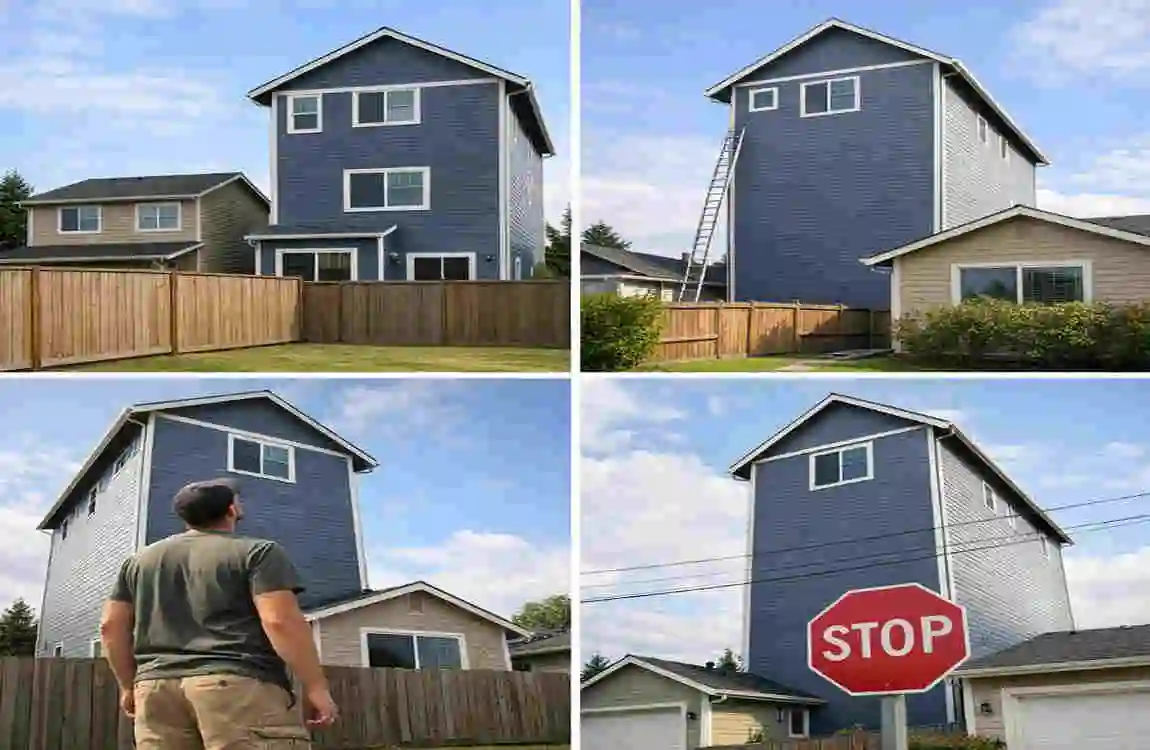
- Very tall front windows
- A steep or floor
- A raised foundation
- A grand entryway
- Tall interior spaces like vaulted ceilings
- A larger-than-usual attic shape
These visual clues do not provide an exact measurement. Still, they can help you estimate whether the home is likely near the upper end of the usual range.
Frequently Asked Questions (FAQ)
How tall are two-story houses on average?
Most two-story houses are between 18 and 25 feet tall from ground level to the roof peak.
Is it a two-story house 20 feet tall?
Yes, many standard two-story homes are approximately 20 feet tall. This is a common estimate for homes with average ceiling heights and a typical roof.
How tall is a two-story house with 9-foot ceilings?
A two-story house with 9-foot ceilings is usually around 22 to 25 feet tall, depending on the roof design and foundation.
Does roof pitch affect house height?
Yes. Steeper roofs add more height to a house and can make a two-story home look much taller.
How many feet is each story of a house?
Each story is generally 8 to 10 feet tall, including ceiling space and floor structure. The exact number depends on the builder and design.
| House Type | Average Height |
|---|---|
| Standard 2-Story House | 18–25 feet (5.5–7.6 m) |
| Two-Story House with Low Ceilings | 16–20 feet (4.9–6.1 m) |
| Two-Story House with 8-Foot Ceilings | 18–22 feet (5.5–6.7 m) |
| Two-Story House with 9-Foot Ceilings | 20–25 feet (6.1–7.6 m) |
| Luxury Two-Story House | 25–30+ feet (7.6–9.1+ m) |
