


Keeping a big house smelling fresh and inviting can feel like a daunting task. Larger spaces present unique challenges, especially in odor management. Whether it’s the lingering smell of last night’s dinner, pet odors, or just musty corners, ensuring your home smells good isn’t just about aesthetics—it’s about creating a space that feels clean, comfortable, and welcoming to everyone who steps inside.
Why Big Houses Can Smell Bad
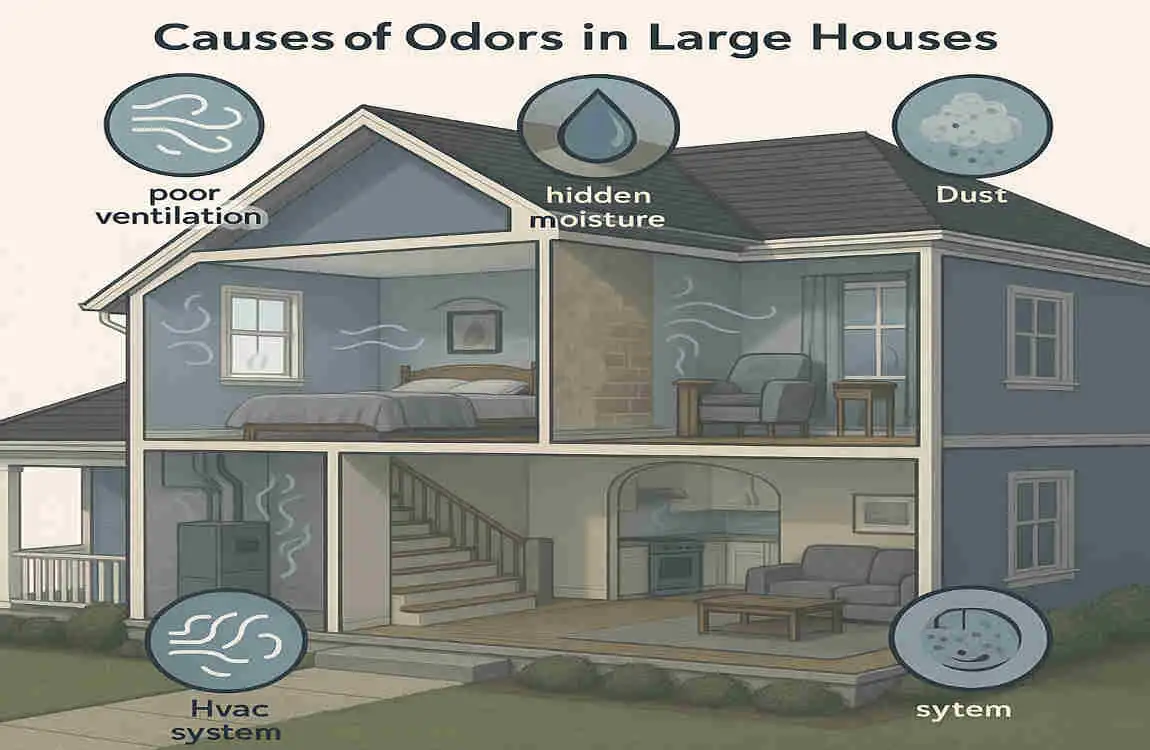
While unpleasant odors can develop in any home, large homes pose specific challenges that can make the problem more pronounced. Let’s break down the main reasons why big houses may struggle to maintain a fresh scent.
Familiar Sources of Odors in Large Homes
- Pets: If you own pets, you’re likely familiar with the smells that come with them. Pet dander, wet fur, and litter boxes can quickly spread odors, especially in larger spaces.
- Cooking: The aroma of fried foods, spices, or pungent ingredients can linger long after mealtime, traveling through open spaces and vents.
- Mold and Dampness: Big homes often have areas like basements, attics, or unused corners where moisture can collect, leading to musty smells.
- Clutter and Dust: Larger homes often accumulate more clutter, which can trap dust and odors over time.
- Smoking: Cigarette smoke tends to seep into upholstery, walls, and even carpets, making it a harsh odor to eliminate.
The Role of Ventilation in Large Homes
Ventilation plays a considerable role in maintaining a fresh-smelling home. In big houses, airflow can be inconsistent, especially in rooms or levels that aren’t used frequently. Poor ventilation can trap stale air, making odors more noticeable.
Tip: Open windows and use fans strategically to improve airflow, especially during the day.
How Smells Affect Mood and Well-being
Did you know that smells can directly influence your mood and overall well-being? A fresh-smelling house can reduce stress, increase comfort, and make guests feel more welcome. On the other hand, unpleasant odors can create negative impressions and even affect your mental state. That’s why it’s worth investing time and effort into keeping your big house smelling amazing.
Essential Preparations Before Fragrance Application
Before you add fragrances or air fresheners, it’s crucial to address the root causes of bad smells. Think of it as creating a clean canvas before introducing fresh scents.
Deep Cleaning is the Foundation
Start with a thorough cleaning of your home. Pay attention to problem areas like carpets, rugs, upholstery, curtains, and vents. These materials can trap odors over time. Here’s a quick checklist:
- Vacuum carpets and rugs frequently.
- Wash or dry-clean curtains and cushion covers.
- Use a steam cleaner on upholstery to remove trapped odors.
- Clean air vents and replace filters to improve airflow.
Decluttering to Reduce Odor Traps
Clutter isn’t just visually overwhelming—it can also trap dust, dirt, and unpleasant smells. Take time to declutter each room, especially storage areas, to eliminate hidden sources of odor.
Pro Tip: Donate or recycle unused items to free up space and improve air circulation.
Address Specific Odor Sources
Eliminate odors at their source:
- Mold or mildew: Use mold-killing sprays and dehumidifiers to keep dampness in check.
- Pet smells: Wash pet bedding regularly, and use enzyme-based cleaners to tackle pet accidents.
- Trash bins: Empty garbage frequently and clean bins with vinegar or disinfectant.
Proven Methods to Make a Big House Smell Good
Now that your home is clean and prepped, it’s time to introduce fresh, inviting scents. Below are the most effective methods to keep your big house smelling great.
Natural Air Fresheners and DIY Solutions
- Baking Soda: Sprinkle baking soda on carpets or cushions, let it sit for 15 minutes, and vacuum it up. It’s an excellent odor neutralizer.
- Vinegar: Place bowls of white vinegar in odorous areas to naturally absorb odors.
- Essential Oils: Use a diffuser to spread the calming scents of lavender, eucalyptus, or citrus throughout your home.
- Homemade Potpourri: Make your own potpourri with dried flowers, cinnamon sticks, and orange peels. It’s a cost-effective way to add fragrance!
- Houseplants: Peace lilies, snake plants, and jasmine not only purify the air but also add a subtle, natural aroma.
Commercial Products and Devices
- Air Purifiers: Invest in a HEPA and carbon-filtered air purifier to remove odors and allergens from the air.
- Scented Candles and Wax Melts: Opt for high-quality, long-lasting soy- or beeswax candles.
- Plug-In Air Fresheners: These are convenient but can be overpowering. Choose subtle scents and avoid overuse.
- Innovative Fragrance Diffusers: These devices let you control scent intensity and timing via apps, making them ideal for large homes.
Ventilation and Airflow Optimization
Good airflow is key to eliminating stale air and odors. Here’s how to improve it:
- Open windows strategically: Open windows on opposite ends of the house to create cross-ventilation.
- Ceiling and Exhaust Fans: Use fans to circulate air, especially in damp areas like bathrooms and basements.
- HVAC Maintenance: Regularly clean ducts and replace HVAC filters to prevent odor buildup.
Room-by-Room Strategies for Big Houses
Each room in your home serves a different purpose, so it’s essential to tailor your odor-fighting strategies accordingly.
Living Area
- Vacuum regularly to remove dirt from carpets and upholstery.
- Use fabric sprays to keep couches and curtains smelling fresh.
- Place reed diffusers or decorative bowls of potpourri in corners.
Kitchen
- Empty trash bins daily to prevent lingering smells.
- Simmer cinnamon sticks or citrus peels on the stove for a natural deodorizer.
- Use charcoal odor absorbers in the fridge and pantry.
Bathrooms
- Keep bathrooms well-ventilated with exhaust fans or dehumidifiers.
- Add scented soaps and candles for a spa-like ambiance.
- Clean drains regularly to prevent unpleasant smells.
Bedrooms
- Wash bed linens weekly and avoid eating in the bedroom.
- Use linen sprays with calming scents, such as lavender.
- If you have pets, consider restricting their access to bedrooms.
Basements and Attics
- Use dehumidifiers to combat dampness.
- Regularly inspect for mold or mildew.
- Organize stored items and keep them in airtight containers.
Creating a Long-Term Fragrance Plan for Large Homes
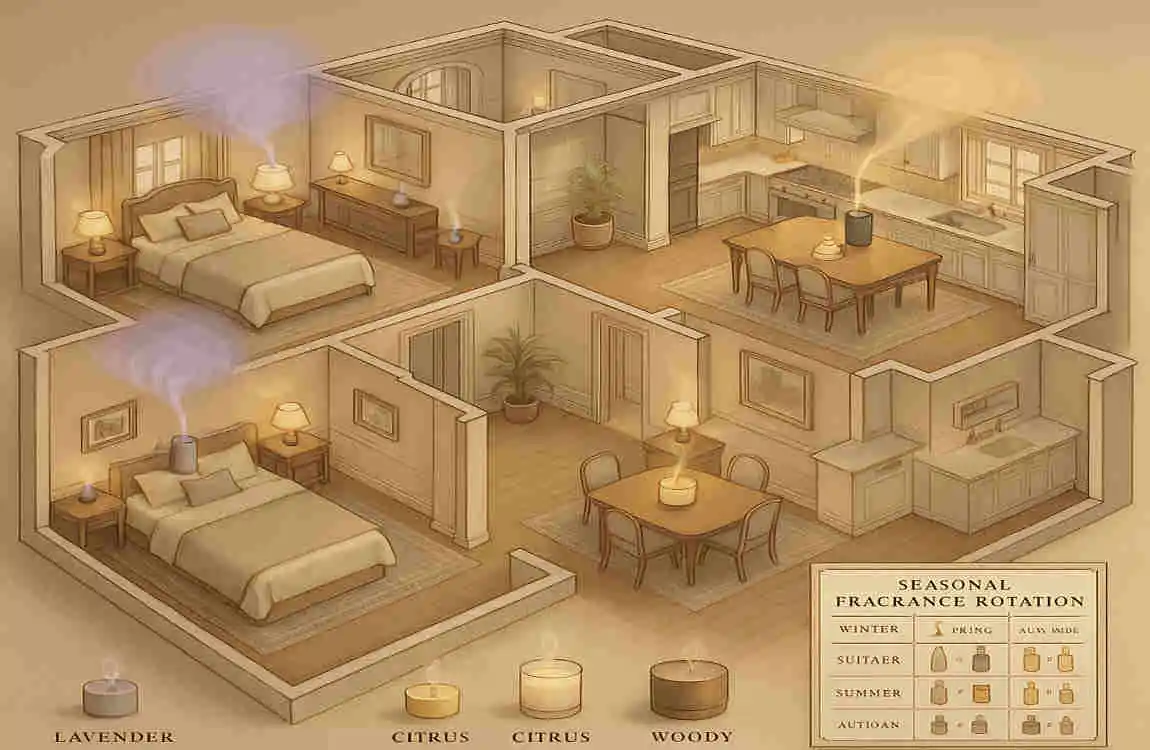
Maintaining a fresh-smelling home isn’t a one-time task—it requires consistency. Here are some tips for long-term success:
- Establish a daily and weekly cleaning routine.
- Layer different scents — such as candles, sprays, and diffusers — for a more dynamic fragrance.
- Adjust your fragrance plan seasonally—lighter scents in summer and warmer ones in winter.
Eco-Friendly and Pet-Safe Fragrance Tips
If you’re concerned about safety, opt for eco-friendly solutions:
- Use natural essential oils instead of chemical-based air fresheners.
- Choose pet-safe products, especially if you have furry friends at home.
- Clean up pet messes promptly to keep odors under control.
