

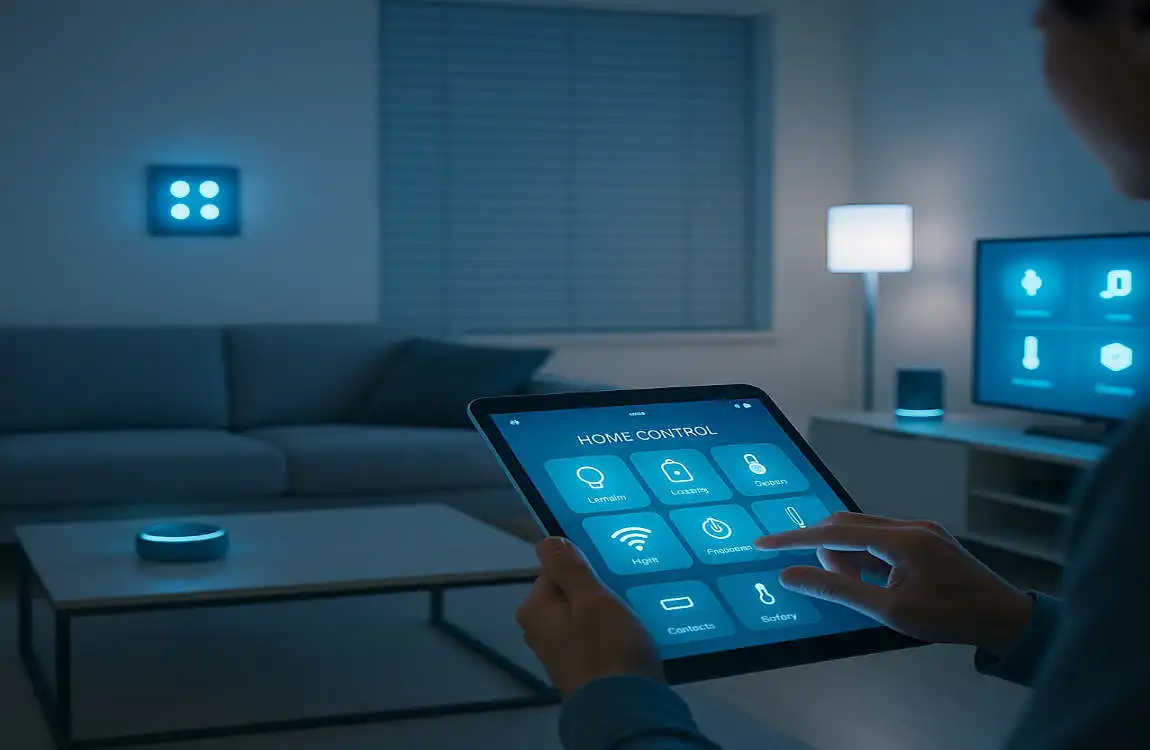
Hey there! Have you ever dreamed of living in a home that anticipates your needs and makes your life easier? Well, that dream is becoming a reality with the rise of smart homes. These innovative living spaces are gaining popularity for good reason – they offer unparalleled comfort, security, energy efficiency, and convenience.
Understanding Smart Homes
What is a Smart Home?
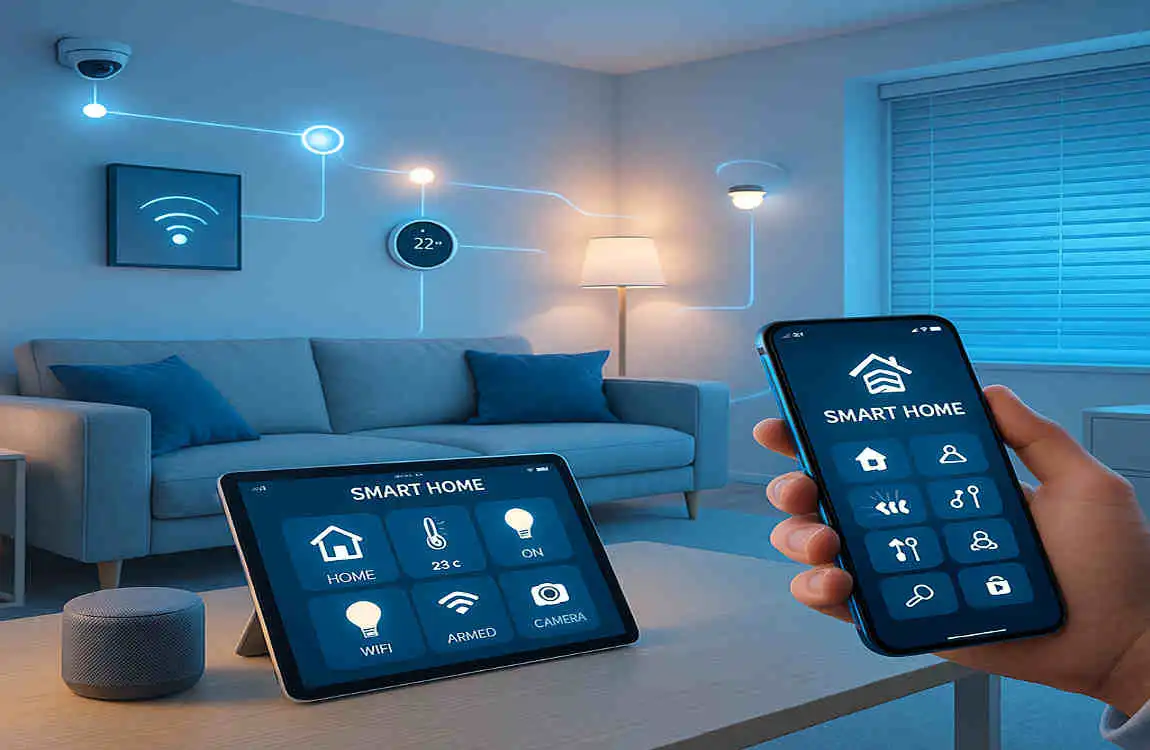
A smart home is a residence that uses advanced technology to automate and control various aspects of the living environment. These homes are equipped with interconnected devices and systems that communicate with one another and can be controlled remotely or via voice commands.
Key Components of Smart Home Technology
Smart homes rely on three main components:
- IoT Devices: These are the “smart” gadgets that make up the foundation of a smart home. They include everything from smart thermostats and lights to security cameras and appliances.
- Automation Systems: These systems let you create routines and scenes that automate multiple devices simultaneously, making your life easier and more convenient.
- Voice Assistants: Voice-controlled assistants like Amazon Alexa, Google Assistant, and Apple’s Siri enable you to control your smart home with simple voice commands.
Benefits of Smart Homes
Smart homes offer a wide range of benefits, including:
- Enhanced Security: With smart locks, cameras, and sensors, you can keep an eye on your home from anywhere and receive instant alerts if something seems amiss.
- Energy Savings: Smart thermostats and lighting systems can help you save on your energy bills by automatically adjusting to your preferences and habits.
- Convenience and Comfort: Imagine coming home to a perfectly heated or cooled house, with your favorite music playing and the lights set to your preferred ambiance. That’s the power of a smart home.
- Increased Property Value: As smart homes become more popular, they’re also becoming a desirable feature for potential buyers, which can increase the value of your property.
Planning Your Smart Home Design
Assessing Your Needs and Lifestyle
Before you start designing your smart home, take some time to assess your needs and lifestyle. What features are most important to you? Do you want a smart home that focuses on security, energy efficiency, or entertainment? By understanding your priorities, you can create a smart home that perfectly suits your needs.
Identifying Priority Areas
Next, consider which rooms or areas of your home you want to prioritize. The living room, kitchen, and security system are often good places to start, as these areas can have a significant impact on your daily life.
Setting a Budget and Timeline
Designing a smart home can be an investment, so it’s essential to set a budget and timeline for your project. Consider how much you’re willing to spend and how long you’re willing to wait for your smart home to be up and running.
Researching Compatible Devices and Platforms
There are many smart home devices and platforms available, so it’s crucial to do your research and find those that are compatible with each other and suit your needs. Popular platforms include Amazon Alexa, Google Home, and Apple HomeKit.
Designing the Infrastructure
The Importance of a Strong Home Network
A strong and reliable home network is the backbone of any smart home. Without a robust Wi-Fi or mesh network, your smart devices may struggle to communicate with each other and with you.
Planning for Wired vs. Wireless Connections
When designing your smart home infrastructure, you’ll need to decide whether to use wired or wireless connections. Wired connections can be more reliable but may require more work to install, while wireless connections are easier to set up but may be more susceptible to interference.
Integrating Smart Home Wiring
If you’re building a new home or renovating an existing one, consider integrating smart home wiring into your design. This can make it easier to connect your smart devices and ensure a more seamless experience.
Considerations for Power Supply and Backup
Finally, don’t forget to consider your power supply and backup options. Smart homes rely on electricity to function, so it’s essential to have a reliable power source and a backup plan in case of outages.
Selecting Smart Devices and Systems
Categories of Smart Devices
There are many different categories of smart devices to choose from, including:
- Bright Lighting and Switches: These devices let you control your lights and switches remotely or via voice commands.
- Smart Thermostats and HVAC Controls: These devices help you save energy and maintain a comfortable temperature in your home.
- Security Systems: Smart cameras, locks, and sensors can help you keep your home safe.
- Entertainment Systems and Smart TVs: These devices can enhance your home entertainment experience and make it easier to control your media.
- Smart Appliances: From refrigerators to ovens to washers, there are many smart appliances available that can make your life easier.
Choosing Compatible Devices
When selecting smart devices, it’s essential to choose those compatible with your central smart home platform. This will ensure that all your devices can communicate with each other and be controlled from a single app or voice assistant.
Tips for Selecting Energy-Efficient and Scalable Devices
When choosing smart devices, look for ones that are energy-efficient and scalable. Energy-efficient devices can help you save money on your utility bills, while scalable devices can grow with your needs and be easily integrated into your existing smart home system.
Automation and Integration
What is Home Automation?
Home automation is the process of using technology to automate and control various aspects of your home. This can include everything from turning on lights and adjusting the thermostat to starting your coffee maker and opening your garage door.
Setting Up Automation Routines and Scenes
One of the most powerful features of a smart home is the ability to set up automation routines and scenes. These let you automate multiple devices with a single command or trigger. For example, you could set up a “Good Morning” routine that turns on the lights, starts the coffee maker, and adjusts the thermostat to your preferred temperature.
Integrating Devices for Seamless Control
To get the most out of your smart home, it’s essential to integrate your devices for seamless control. This means choosing devices that work well together and can be controlled from a single app or voice assistant.
Using AI and Machine Learning
Many smart home platforms now use AI and machine learning to predict your needs and preferences. This can make your smart home even more intuitive and responsive, as it learns from your behavior and adjusts accordingly.
User Interface and Control Options
Voice-Controlled Assistants
Voice-controlled assistants like Amazon Alexa, Google Assistant, and Apple’s Siri are a popular way to control smart homes. These assistants allow you to use simple voice commands to control your devices, making it easy to adjust your home environment without lifting a finger.
Mobile Apps and Centralized Control Panels
In addition to voice control, many smart home devices can also be controlled through mobile apps or centralized control panels. These interfaces allow you to monitor and adjust your devices from anywhere, making it easy to keep an eye on your home even when you’re away.
Touchscreens, Remote Controls, and Gesture Controls
Some smart home devices also offer alternative control options, such as touchscreens, remote controls, and gesture controls. These can be useful for people who prefer a more hands-on approach or have difficulty using voice commands.
Accessibility Features
When designing your smart home, don’t forget to consider accessibility features. Many smart home devices offer features such as large buttons, voice control, and customizable interfaces that can make them easier to use for people with disabilities or limited mobility.
Security and Privacy Considerations

Protecting Your Smart Home Network
As with any connected device, it’s essential to take steps to protect your smart home network from hacking. This can include using strong passwords, enabling two-factor authentication, and keeping your devices up to date with the latest firmware.
Data Privacy and Managing Device Permissions
Smart home devices often collect data about your behavior and preferences, so it’s essential to understand how this data is being used and shared. Make sure to read the privacy policies of your devices and adjust their permissions as needed to protect your data.
Best Practices for Secure Passwords and Firmware Updates
To keep your smart home secure, use strong, unique passwords for each device and change them regularly. Also, be sure to keep your devices up to date with the latest firmware, as these updates often include critical security patches.
Physical Security Enhancements
In addition to protecting your network and data, smart home technology can also help enhance your physical security. This can include smart locks, security cameras, and motion sensors that alert you to potential intruders.
Testing and Optimizing Your Smart Home
The Importance of Thorough Testing
Once you’ve set up your smart home, it’s essential to thoroughly test it to ensure everything is working as expected. This can include testing connectivity, running automation routines, and checking individual devices to ensure they’re all communicating properly.
Troubleshooting Common Smart Home Issues
If you encounter any issues with your smart home, don’t panic! Many common problems can be easily resolved with a bit of troubleshooting. This may involve resetting devices, checking connections, or updating firmware.
Gathering User Feedback and Making Adjustments
As you start using your smart home, be sure to gather feedback from everyone in your household. This can help you identify any issues or areas for improvement and make adjustments as needed.
Planning for Future Upgrades and Scalability
Finally, keep in mind that your smart home needs may change over time. Plan for future upgrades and scalability by choosing devices that can grow with your needs and be easily integrated into your existing system.
Future Trends in Smart Home Design
Emerging Technologies
The world of smart home technology is constantly evolving, with new innovations and trends emerging regularly. Some of the most exciting developments include the use of AI, 5G, and edge computing to make smart homes even more intuitive and responsive.
Sustainable and Eco-Friendly Innovations
As sustainability becomes an increasingly important concern, many smart home designers are focusing on eco-friendly innovations. This can include things like solar-powered devices, energy-efficient appliances, and intelligent systems that help you reduce your carbon footprint.
Integration with Smart Cities and IoT Ecosystems
As smart homes become more common, they’re also becoming more integrated with smart cities and IoT ecosystems. This can enable even more advanced features, such as real-time traffic updates, smart grid integration, and seamless communication with other connected devices.
