

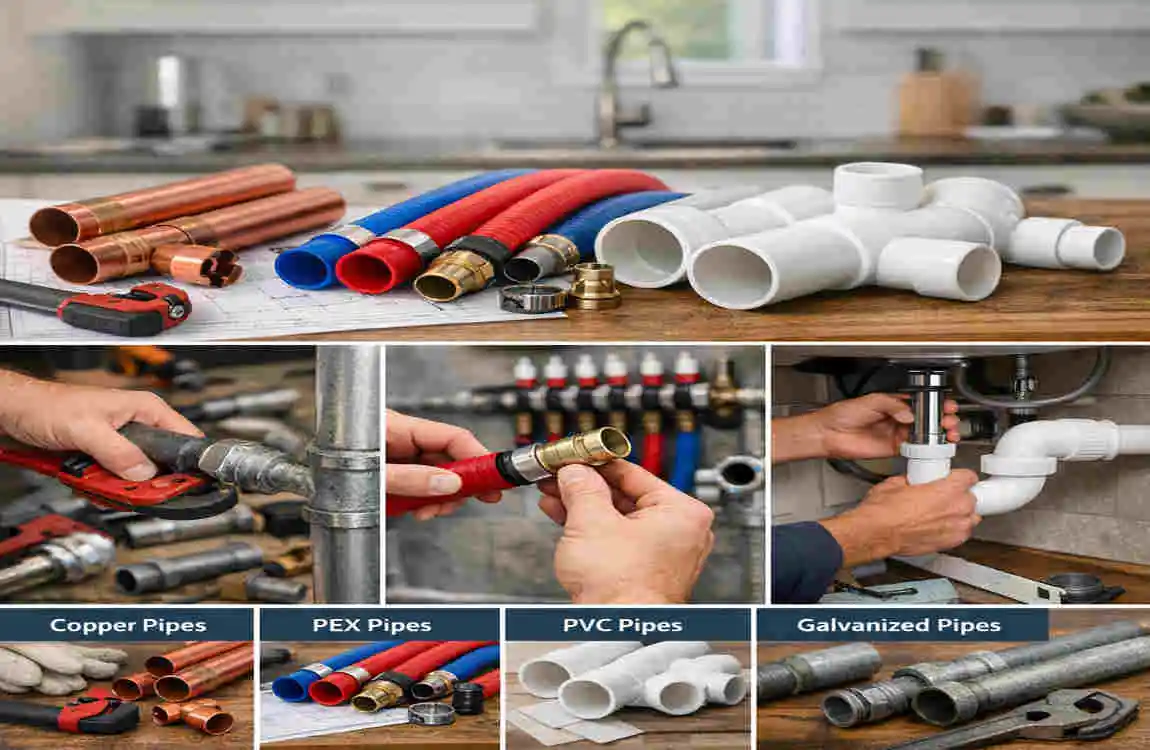
Choosing a plumbing pipe may not sound exciting, but it matters a lot. The pipes in your home control how water moves to your sinks, showers, toilets, appliances, and drains. If you choose the wrong pipe, you can end up with leaks, low water pressure, rust, poor water flow, or costly repairs.
That is why learning how to choose the right plumbing pipe is so useful. Whether you are building a new home, remodelling a bathroom, or replacing old pipes in an older house, the right material can make your plumbing system safer, longer-lasting, and easier to maintain.
The good news is that you do not need to be a plumbing expert to make a smart choice. You only need to understand the basic pipe types, where they work best, and what factors matter most for your home.
Why Choosing the Right Plumbing Pipe Matters
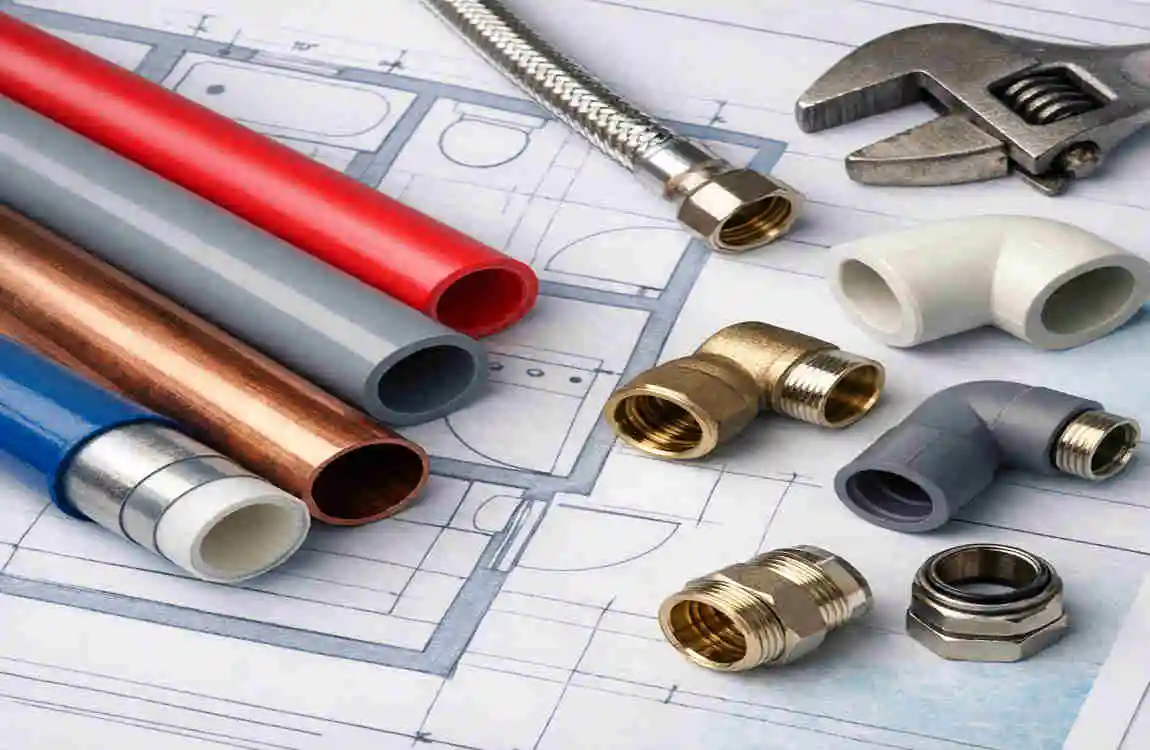
Plumbing Pipes Are the Backbone of Your Water System
Every home depends on plumbing pipes. They carry clean water in and move wastewater out. If the pipes are reliable, your water system works smoothly. If they are not, you may face repeated problems that affect daily life.
A good pipe system helps keep water flowing at the right pressure. It also helps protect the water quality in your home. That is important because poor pipe material can affect taste, safety, and performance.
The Wrong Pipe Can Lead to Big Problems
Choosing the wrong pipe may seem like a small mistake at first. But over time, it can create real trouble.
For example, a pipe not designed for hot water can fail early. A pipe that cannot handle freezing weather may crack in winter. A pipe that corrodes easily can reduce water flow and cause rust-colored water.
The result is usually the same: more repair costs and more stress.
New Homes and Older Homes Need Different Thinking
In a new home, you can often choose the pipe material from the start. That gives you more freedom to balance cost, performance, and layout.
In an older home, the decision is different. You may need to work around existing pipes, old fittings, wall access, and local code rules. Sometimes replacement is simple. Other times, the job is more complicated and needs professional help.
Main Types of Plumbing Pipes for Homes
Copper Pipes
Copper has been used in homes for many years. It is known for being strong, reliable, and long-lasting.
Benefits of Copper
Copper handles both hot and cold water well. It also resists heat damage and performs well in many homes. Many people like it because it has a trusted track record.
It can last a long time when installed correctly, making it appealing to homeowners who want a durable option.
Drawbacks of Copper
Copper usually costs more than other materials. It can also be harder to install, especially if the plumbing layout is tight or complex.
In some homes, water chemistry may also affect copper over time. That means it is a strong material, but not always the cheapest or easiest choice.
PEX Pipes
PEX is one of the most popular residential plumbing pipes today. It is flexible, simple to work with, and often easier to install than rigid pipe.
Why PEX Is Popular
PEX bends around corners, which means fewer fittings and less labour in many projects. It also performs well in freezing conditions because it can expand more than rigid pipe without breaking as easily.
That makes it a practical option for many modern homes.
Where PEX Works Best
PEX is often used for interior water supply lines. It is especially helpful in remodels, additions, and layouts that would be difficult with rigid pipe.
It is not usually the first choice for every outdoor or exposed application, but for inside water supply, it is a very strong contender.
PVC and CPVC Pipes
PVC and CPVC are both types of plastic pipe, but they are used differently.
PVC
PVC is commonly used for drainage and cold-water applications. It is affordable, lightweight, and easy to handle.
It is not usually used for hot water because high temperatures can damage it.
CPVC
CPVC is similar to PVC, but it can handle hot water better. That makes it more useful for certain household supply lines.
It is still important to check the pipe rating and ensure it is exactly right for the job.
Galvanised Steel Pipes
Galvanised steel pipes were common in older homes. They were once a standard choice for water lines.
Why They Were Used
At the time, they were valued for strength and availability. Many older houses still have some galvanised piping in place.
Why They Often Need Replacement
The problem is corrosion. Over time, galvanised pipes can rust from the inside, reducing water pressure and affecting water quality.
If you live in an older home and still have these pipes, replacement may be worth considering.
ABS and Other Plumbing Materials
ABS is often used in drain and waste systems. It is lightweight and useful in certain drainage applications.
There are also other specialised materials used in specific plumbing situations. These may include pipes for venting, drainage, or system upgrades.
The key point is simple: different jobs need different materials.
How to Choose the Right Plumbing Pipe for Your Home
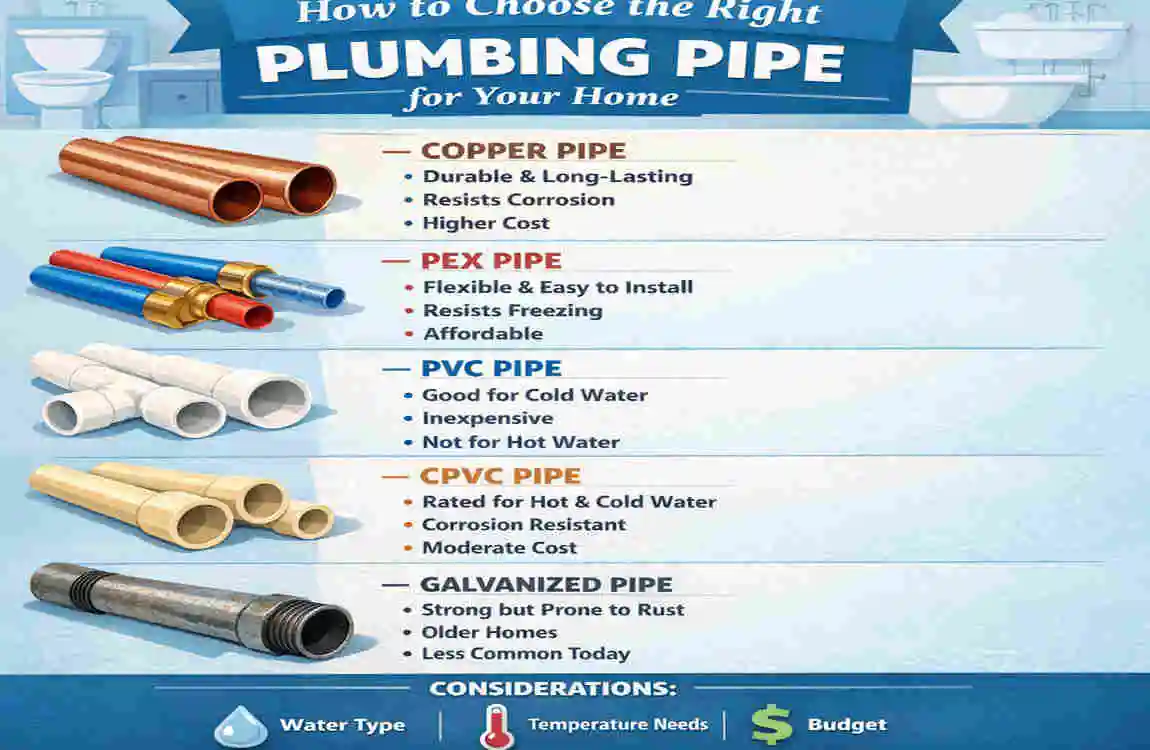
Think About Water Temperature and Pressure
One of the most important things to consider is temperature. Hot water, cold water, and drainage all place different demands on pipe materials.
If the pipe will carry hot water, it must be rated for that use. If it will carry only drainage water, the material requirements may be different.
Pressure matters too. A pipe must handle the water pressure in your home without leaking or failing.
Match the Pipe to the Job
Ask yourself what the pipe will do.
- Drinking water supply
- Hot water lines
- Cold water lines
- Drainage
- Outdoor plumbing
- Appliance connections
This is one of the simplest ways to narrow your options. A pipe that works well for drainage may not be the right choice for supply lines.
Consider Durability and Lifespan
Some pipes are built to last longer than others. But long life is not just about the material itself. It also depends on installation quality, water conditions, and maintenance.
If you want something that may last decades, copper or high-quality PEX can be good choices. If you want an affordable material for drainage, PVC or ABS may make more sense.
Think About Installation Difficulty
Some plumbing pipes are easier to install than others. Flexible pipes can save time. Rigid pipes may need more cutting, joining, and fitting.
If you are hiring a plumber, installation difficulty can affect labour cost. If you are doing a small project yourself, ease of installation matters even more.
Check Local Plumbing Codes
This step is very important. Plumbing rules can vary by location, and not every material is allowed in every situation.
Before you buy anything, make sure the pipe type meets your local code requirements. That helps you avoid expensive mistakes and inspection problems later.
Climate Can Affect Your Choice
If you live in a cold area, freezing is a real concern. Pipes that handle freezing better can reduce the risk of cracks and bursts.
In warmer climates, freezing may not be the main issue, but heat, sunlight exposure, and moisture can still matter.
Think About Space and Layout
Some homes have tight wall spaces, narrow crawl spaces, or awkward plumbing routes. In those cases, flexible pipe may save time and hassle.
A pipe that is easy to route can make the whole project go more smoothly.
Plan for Future Repairs
You should also think about what happens later. If a pipe fails, how easy will it be to repair or replace?
Some materials are easier to access and repair than others. If future maintenance matters to you, choose with that in mind.
Know When to Call a Professional
Small plumbing projects may be manageable if you have the right tools and experience. But major plumbing changes are often better handled by a licensed plumber.
If the system is complex, hidden inside walls, or connected to multiple rooms, professional installation can save time and trouble.
Why the Cheapest Pipe Is Not Always the Best
A low price is attractive, but it is not the only thing that matters. A cheap pipe that wears out early can end up costing more in repairs, water damage, or replacement work.
That is why it helps to think about total value, not just purchase price.
Installation Cost Matters Too
Some pipes cost more to buy but are easier and faster to install. Others may be cheap at the store but expensive to install because they need more labour or more fittings.
That is why the full project cost is often more important than the pipe price alone.
Lifespan and Reliability
A pipe that lasts longer can be a better deal even if it costs more upfront. If it performs well for many years, it may save you money.
The best choice is usually the one that balances cost, durability, and ease of use for your home.
Common Mistakes to Avoid When Choosing Plumbing Pipes
Choosing Based Only on Price
This is one of the most common mistakes. A low-cost pipe may seem like a bargain, but it may not be the right fit for the job.
Think about long-term value instead of just the first bill.
Using the Wrong Pipe for Hot Water
Not every pipe can handle hot water. If you use the wrong one, it may soften, weaken, or fail early.
Always check the temperature rating before you buy.
Ignoring Local Codes
Even if a pipe seems perfect, it still has to meet local plumbing rules. Skipping this step can cause inspection problems or force you to redo the work.
Mixing Materials Incorrectly
Sometimes different pipe types can be connected, but only with approved fittings. If you connect them incorrectly, you may get leaks or corrosion.
Forgetting Water Quality
Water condition matters more than many people realise. Hard water, acidic water, and mineral buildup can affect pipe performance over time.
Using the Wrong Fittings
A good pipe still needs the right connectors. If the fittings are poor quality or incompatible, the whole system can suffer.
Making Plumbing Hard to Reach Later
Try not to hide pipes in places that will be very hard to access later. If a repair is needed, easy access can save time and money.
Taking on a Complex Job Without Enough Experience
A confident homeowner can sometimes do simple fixes. But bigger plumbing projects can be risky if you do not know the system well.
When in doubt, call a licensed plumber.
How to Install and Maintain Your Plumbing Pipes
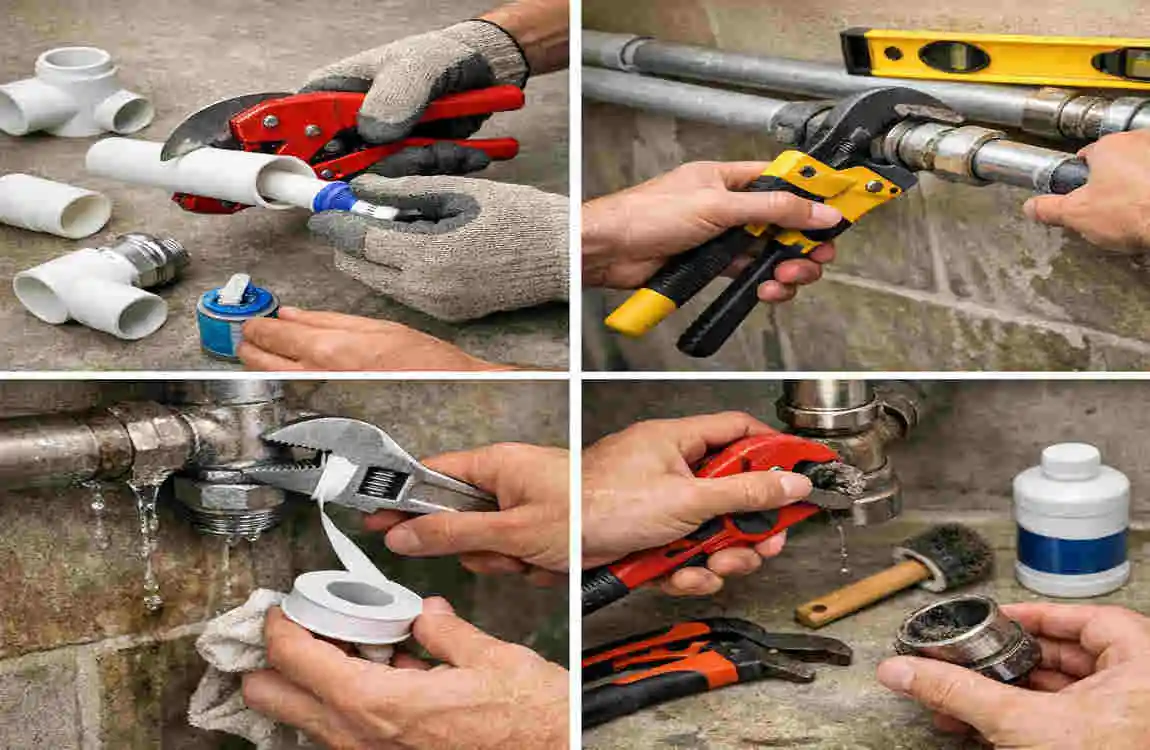
Before Installation
Before you start, measure the layout carefully. Know where each line will go and which fittings you need.
Check that the pipe ratings match the project. Make sure every piece is approved for the intended use.
During Installation
Follow the manufacturer’s instructions closely. That includes how to cut, join, support, and seal the pipe.
Also, make sure the pipes are properly supported. Poor support can cause sagging, stress, or noise.
If your home gets cold winters, protect the pipes from freezing. If they are exposed, keep them shielded from physical damage too.
Test for Leaks
After installation, test the system before closing walls or finishing the area. Catching leaks early is much easier than repairing hidden water damage later.
Ongoing Maintenance
Keep an eye out for:
- Leaks
- Corrosion
- Discoloration
- Low water pressure
- Unusual noises
- Moisture near joints or fittings
If you notice any of these signs, it may be time for inspection or repair.
When to Call a Licensed Plumber
Call a plumber if the issue is large, hidden, or risky. This is especially true for main lines, major leaks, or pipe replacements inside walls or under floors.
A professional can also help if you are unsure which material is best for your setup.
Frequently Asked Questions About Choosing Plumbing Pipes
What is the best pipe for residential plumbing?
There is no single best option for every home. PEX, copper, PVC, and CPVC are all common choices, and the right one depends on your project, budget, and local code rules.
How do I choose the right plumbing pipe?
Start by looking at application, temperature, pressure, durability, cost, climate, and local codes. Once you know those factors, the right choice becomes much easier.
Is PEX better than copper?
It depends on what you value most. PEX is flexible, easier to install, and usually more affordable. Copper is durable and well known, but it often costs more and may be harder to work with.
What type of pipe is best for hot water?
Pipes with proper heat ratings are best for hot water. Copper, PEX, and CPVC are commonly used for this purpose, but you should always verify the product specifications.
How long do plumbing pipes usually last?
Lifespan varies a lot. It depends on the pipe material, water quality, installation quality, and environment. Some pipes can last for decades, while others may wear out sooner.
Can different types of plumbing pipes be connected?
Yes, sometimes they can, but only with the right approved fittings. Improper connections can create leaks or cause long-term damage.
Should I replace old galvanised pipes?
In many cases, yes. If you see rust, low pressure, or poor water quality, replacement may be a better long-term choice than repeated repairs.
Can I install plumbing pipes myself?
Some smaller projects may be manageable for a skilled homeowner. But major plumbing work often needs professional help, especially if the system is hidden or complex.
What plumbing pipe is best for an older home?
That depends on the condition of the existing system, local requirements, water quality, and the type of repairs needed. Older homes often benefit from a careful inspection before choosing a new pipe material.
| Plumbing Pipe Type | Best For | Key Advantage | Main Consideration |
|---|---|---|---|
| PEX | Indoor water supply | Flexible and easy to install | Not ideal for direct sunlight |
| PVC | Cold-water and drainage lines | Affordable and corrosion-resistant | Not suitable for hot water |
| CPVC | Hot and cold water | Handles higher temperatures | Can become brittle over time |
| Copper | Water supply systems | Durable and long-lasting | Higher material cost |
| ABS | Drain and waste pipes | Strong and lightweight | Mainly used for drainage |
| Galvanized Steel | Older plumbing systems | Very strong | Can corrode internally |
| PEX-AL-PEX | Hot/cold water systems | Flexible with good heat resistance | More expensive than standard PEX |
