
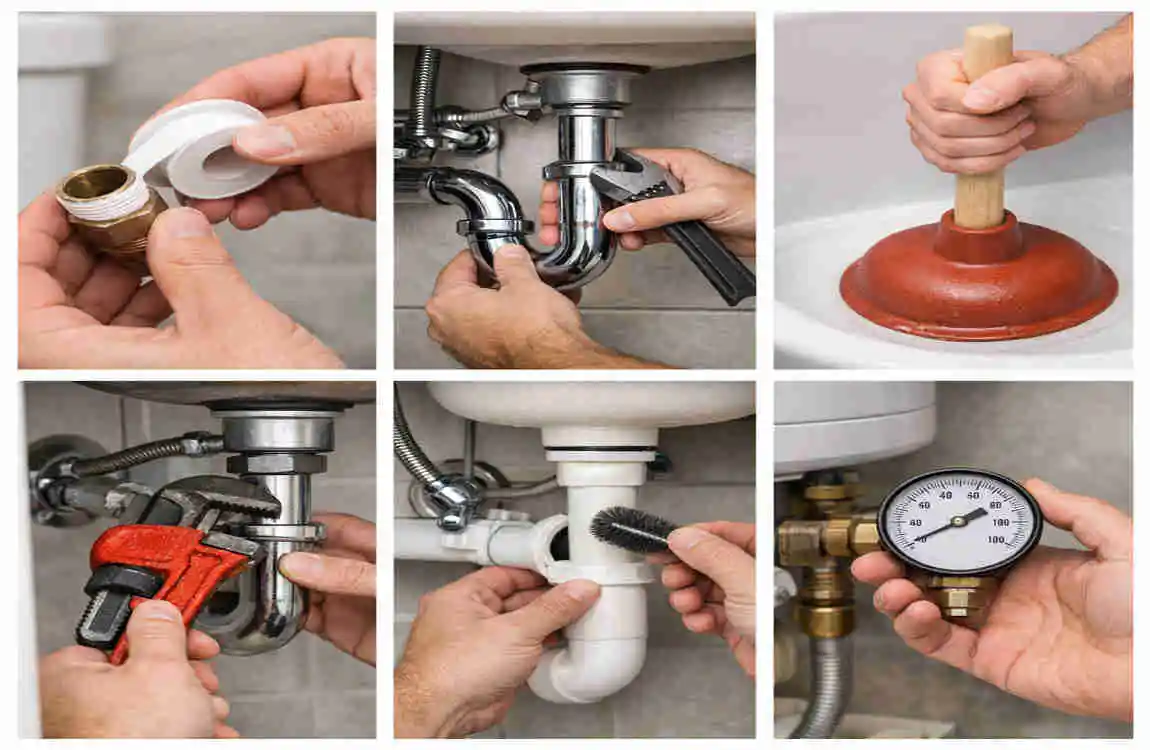
Good plumbing is one of those things you do not think about much until something goes wrong. When pipes leak, drains clog, or toilets keep running, daily life gets stressful fast. That is why it matters to do right plumbing in your house with care and simple good habits.
Proper plumbing helps with comfort, hygiene, water savings, and damage prevention. It also protects your walls, floors, and foundation from costly water problems.
The good news is that homeowners can handle some basic plumbing tasks on their own. Simple repairs and routine maintenance are often manageable if you take your time and use the right parts. But larger jobs, gas-related work, or hidden leaks should always be handled by a licensed plumber.
Understand Your Home Plumbing System
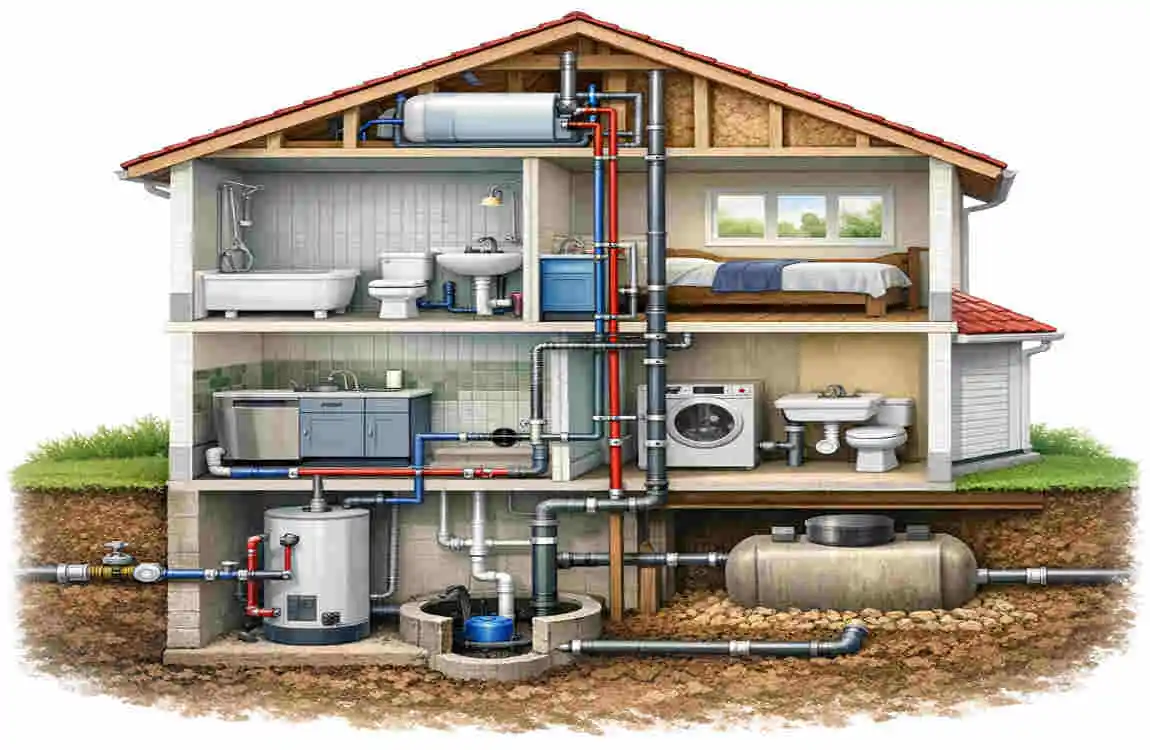
Before you fix anything, it helps to understand the system itself. Plumbing is easier to manage when you know what each part does.
Know the Main Plumbing Components
A home plumbing system usually includes these main parts:
- Water supply lines
- Drain and waste pipes
- Shut-off valves
- Faucets and fixtures
- Water heater
- Sewer or septic connection
Each one has a job. Supply lines bring clean water in. Drain lines carry wastewater out. Fixtures let you use water where you need it. Shut-off valves help you stop water quickly in an emergency.
Learn How Water Moves Through Your House
Think of plumbing as two separate paths.
One path brings clean water into the house under pressure. The other path moves used water away by gravity. These two systems should stay separate.
That is why pipe slope matters in drains. Wastewater needs a clear path to flow out. Connections also need to stay tight so water does not escape into walls or floors.
Find Your Main Water Shut-Off Valve
Every household should know where the main shut-off valve is. If a pipe bursts or a major leak occurs, this valve can prevent significant damage.
You will often find it:
- Near the water meter
- In a basement
- In a utility room
- Near an exterior wall
- In a crawl space
Make sure everyone in the home knows how to turn it off. In a real emergency, quick action matters.
How to Do Right Plumbing at House
If you want to do plumbing right in a house, the first rule is simple: use the correct parts and install them carefully. Small errors can lead to leaks later.
Choose the Correct Pipes and Fittings
Different plumbing jobs call for different materials. Some common ones include:
- PEX: flexible and easy to work with
- Copper: durable and long-lasting
- PVC: often used for drain lines
- CPVC: used in some water supply systems
The key is to use materials that match the job. A fitting that works for one pipe type may not work for another. Always follow local plumbing codes and product instructions.
Make Secure, Watertight Connections
A good connection stays sealed under pressure. Depending on the material, that may mean threading, compression fittings, soldering, or another approved method.
Do not over-tighten fittings. Too much force can crack parts or damage seals. After installation, always test for leaks and check every connection carefully.
Install Pipes With Proper Support
Pipes should not hang loose or rub against rough surfaces. They need support so they do not sag, shift, or wear out early.
Use clamps or supports at proper spacing. Also protect pipes from sharp edges and hot surfaces. A secure pipe today is less likely to fail tomorrow.
Maintain Proper Drainage and Venting
Drain pipes need the right slope so that water can flow smoothly. If the slope is wrong, waste may sit in the line and cause clogs.
Vents are also important. They allow air to move through the system so that drains can flow properly. Poor venting can lead to slow drains, gurgling sounds, and bad odors.
Common Home Plumbing Repairs You Can Handle
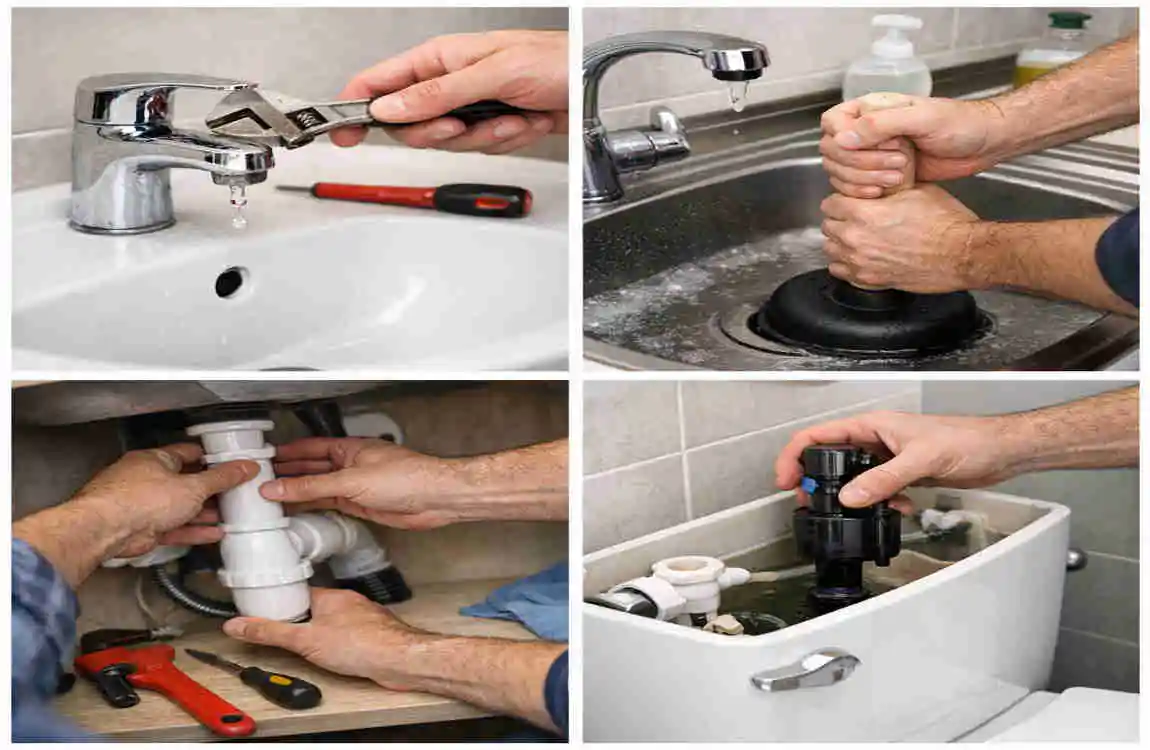
Some plumbing jobs are simple enough for many homeowners. If the issue is small and easy to reach, you may be able to fix it yourself.
Fixing a Leaky Faucet
A dripping faucet is one of the most common plumbing problems. It can waste water and become annoying very quickly.
The cause is often a worn washer, cartridge, or O-ring. Before you start, turn off the water supply to that fixture. Then replace the worn part and test the faucet again.
Unclogging a Sink Drain
Start with the simplest method first. A plunger may be enough for a basic clog. If that does not work, a drain snake can help remove buildup deeper in the line.
Try to avoid using harsh chemical drain cleaners too often. They can damage some pipes and are not always the safest option.
Repairing a Running Toilet
A toilet that keeps running can waste a lot of water. The problem is often a flapper, fill valve, or float that is not working correctly.
Sometimes a small adjustment is enough. Other times, replacing a part is the better choice. This is usually a fairly easy fix for a careful homeowner.
Replacing a Showerhead or Faucet
This is often one of the easiest plumbing upgrades. Remove the old fixture, clean the threads, and install the new one with the right sealing method.
If thread tape is appropriate for the connection, use it carefully. Then turn the water back on and check for leaks.
Plumbing Mistakes to Avoid
A lot of plumbing trouble starts with small mistakes. Avoiding them can save you time, money, and stress.
Ignoring Small Leaks
A tiny leak may not seem serious at first, but it can lead to mold, water damage, and higher bills. Small leaks often grow into bigger problems.
Check and repair them early.
Using the Wrong Materials
Not every pipe and fitting works with every system. Incompatible materials can fail, leak, or wear out too fast.
Always check manufacturer instructions and local code requirements.
Over-Tightening Connections
More force is not always better. Over-tightening can crack fittings, strip threads, or damage seals.
Use the right tool, but do not force the part beyond what it can handle.
Pouring Grease and Harmful Materials Into Drains
Grease hardens inside pipes, creating buildup. Over time, that can lead to serious clogs.
Safer habits include:
- Wiping grease into the trash
- Using drain strainers
- Throwing food scraps away instead of rinsing them down
- Avoiding harsh chemicals when simple methods work
Skipping Local Plumbing Codes
Plumbing codes exist for safety and performance. They help make sure work is done properly.
Before major changes, check your local rules. This is especially important for new installations or remodels.
Plumbing Maintenance Tips for a Healthy Home
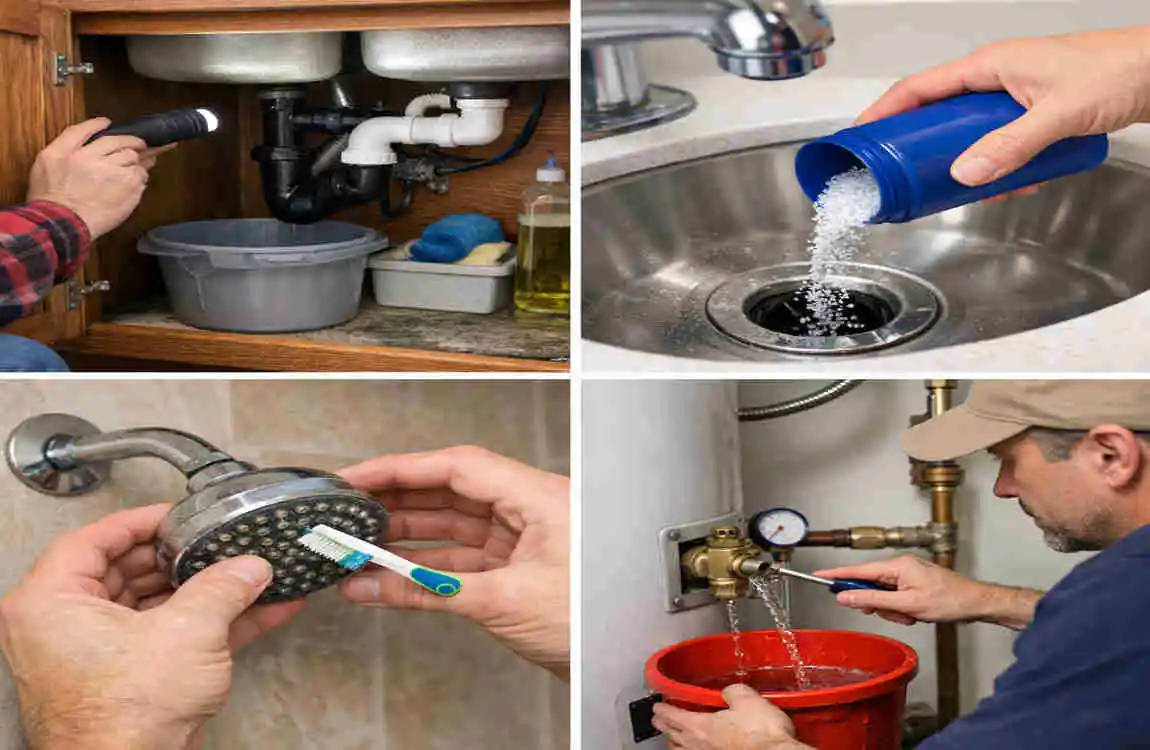
A little care goes a long way. Regular maintenance can help your plumbing system last longer and work better.
Check Pipes and Fixtures Regularly
Look under sinks for moisture. Inspect exposed pipes for corrosion, rust, or damage. Check faucets and toilets for leaks.
Catching problems early is one of the simplest ways to avoid bigger repairs.
Protect Pipes From Temperature Changes
In cold weather, pipes can freeze and burst. That can create major damage very quickly.
Insulate vulnerable pipes in cold areas like basements, garages, and exterior walls. This is a smart step if you live in a colder climate.
Keep Drains Clean
Use drain strainers to catch hair, food, and other debris. Clean them often so they keep working well.
A clean drain is much less likely to clog.
Monitor Water Pressure
Water pressure that is too high can stress pipes, fittings, and fixtures. Over time, that can shorten the life of your plumbing system.
If you suspect pressure is too strong, consider having it tested by a professional.
Know When to Call a Professional
Some plumbing problems should not be DIY projects. Call a licensed plumber for:
- Major pipe leaks
- Sewer backups
- Hidden water leaks
- Gas-related plumbing work
- Main sewer line problems
- New plumbing installations
- Work that requires permits or code compliance
FAQ About Doing Plumbing Right at Home
What does “do right plumbing at house” mean?
It means installing, repairing, and maintaining home plumbing correctly so that pipes, fixtures, drains, and connections work safely and efficiently.
Can I do basic plumbing work myself?
Yes, many simple jobs are manageable. Things like replacing a faucet washer, unclogging a drain, or changing a showerhead are often DIY-friendly.
How do I prevent plumbing leaks at home?
Use the right materials, make secure connections, properly support pipes, and inspect your plumbing regularly.
What is the most common home plumbing problem?
Leaking faucets, clogged drains, running toilets, and small pipe leaks are among the most common issues.
Should I use chemical drain cleaners?
Not usually as a first choice. They can damage some pipes and may create safety risks. A plunger or drain snake is often a better option for simple clogs.
When should I call a plumber?
Call a plumber for large leaks, sewer problems, gas-related work, hidden leaks, or any repair you are not sure how to handle safely.
| Section | Key Information |
|---|---|
| Topic | How to Do Plumbing Right at Home |
| Start Safely | Turn off the water supply and gather the right tools before starting. |
| Know Your Pipes | Learn the basics of PEX, PVC, copper, drains, and shut-off valves. |
| Fix Small Leaks | Tighten loose connections and replace worn washers, seals, or fittings. |
| Prevent Clogs | Avoid putting grease, hair, and solid waste down drains. |
| Check Water Pressure | Keep household water pressure at a safe level to protect pipes and fixtures. |
