


Are you dreaming of building your own home but worried about the costs? You’re not alone! Understanding the average cost to build a house in 2025 is crucial for anyone considering this exciting journey. Whether you’re a prospective homeowner or an investor, accurate cost estimation can make all the difference in turning your dream into reality.
Understanding the Average Cost to Build a House in 2025
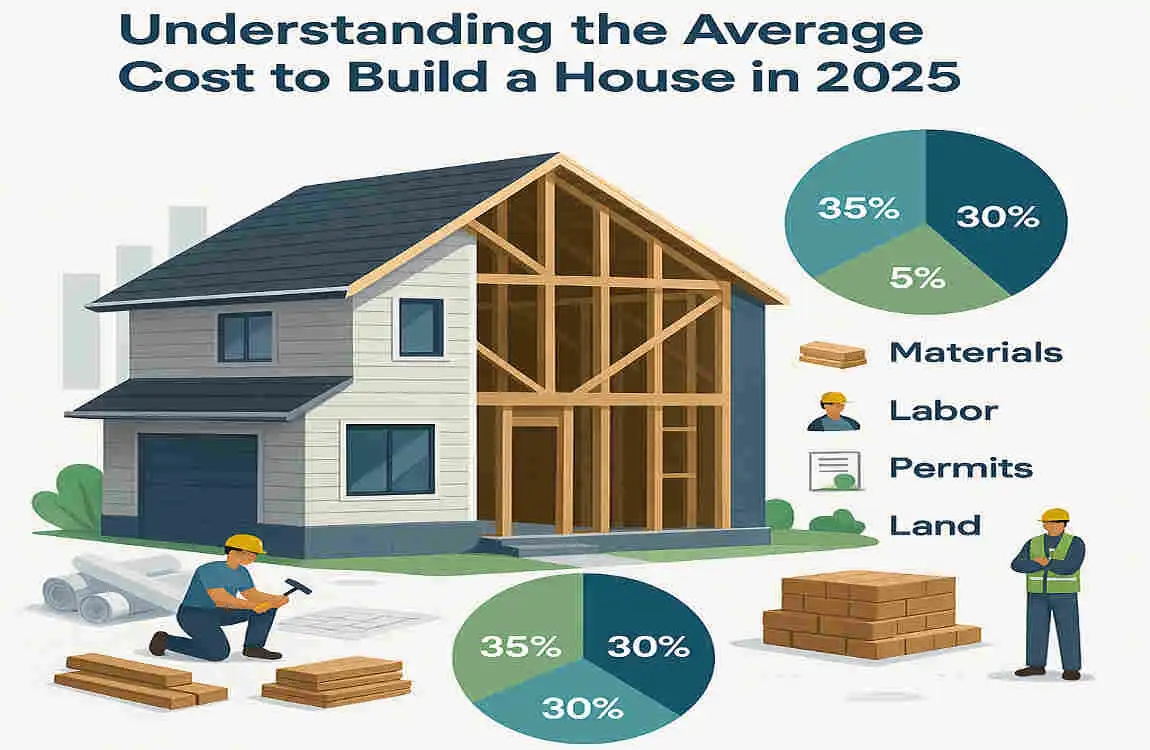
What is the “Average Cost to Build a House” and How is it Calculated?
When we talk about the average cost to build a house, we’re referring to the total expenses involved in constructing a new home from the ground up. This includes everything from purchasing the land to installing the final fixtures. To calculate this average, experts consider data from various regions, home sizes, and construction types.
Current National Average Cost Estimates for Building a New Home in 2025
As of 2025, the national average cost to build a house in the United States is estimated to be around $350,000 to $450,000. Keep in mind that this is a broad range and can vary significantly based on factors we’ll discuss later in this article.
Comparison with Previous Years and Inflation Impact
If you compare these figures to previous years, you’ll notice a steady increase in construction costs. Inflation plays a significant role in this rise, as the prices of materials, labor, and other expenses continue to climb. For example, in 2020, the average cost to build a house was around $300,000 to $400,000, which is roughly 10-15% lower than today’s estimates.
Regional Price Variations Across the Country
It’s important to remember that the average cost to build a house can vary greatly depending on where you’re building. For instance, constructing a home in a high-cost area like San Francisco or New York City will likely be more expensive than building in a more affordable region like the Midwest or the South.
Here’s a quick look at some regional price variations:
- Northeast: $400,000 – $550,000
- West: $375,000 – $525,000
- South: $325,000 – $425,000
- Midwest: $300,000 – $400,000
These are just rough estimates, and your actual costs may differ based on your specific location and other factors.
Key Components That Determine the Cost
Land Acquisition and Site Preparation Costs
One of the first expenses you’ll encounter when building a house is the cost of acquiring the land. Depending on the lot’s location and size, this can range from tens of thousands to hundreds of thousands of dollars. Additionally, you may need to invest in site preparation, such as clearing the land, grading, and installing utilities.
Construction Materials: Trending Prices and Fluctuations in 2025
The cost of construction materials can significantly impact your overall budget. In 2025, we’re seeing a mix of stable and fluctuating prices across various materials. For example, lumber prices have been volatile in recent years, while concrete and steel have remained relatively steady. Staying informed about these trends can help you make cost-effective decisions.
Labor Costs: Wages, Availability, and Their Impact on Overall Expenses
Labor costs are another crucial factor in determining the average cost to build a house. The wages of skilled tradespeople, such as carpenters, electricians, and plumbers, can vary by location and demand. Additionally, labor availability in your area can affect both the cost and timeline of your project.
Permits, Fees, and Legal Costs Associated with New Home Construction
Before you can start building, you’ll need to obtain the necessary permits and pay the associated fees. These costs can add up quickly, especially if you’re building in an area with strict regulations. It’s also a good idea to budget for legal fees, as you may need to hire an attorney to review contracts and ensure everything is in order.
Design and Architectural Fees: Custom vs. Pre-Designed Homes
The design of your home can significantly impact overall cost. If you opt for a custom design, you’ll need to factor in the fees of an architect or designer. These professionals can help you create a home that meets your specific needs and preferences, but their services come at a price. On the other hand, choosing a pre-designed home can help you save on these costs.
Utility Connections and Infrastructure Installation Costs
Connecting your new home to utilities like water, electricity, and gas is another expense to consider. The cost of these connections can vary based on the distance from existing infrastructure and the specific requirements of your location. Additionally, you may need to invest in on-site infrastructure, such as septic systems or wells.
Interior Finishes and Fixtures: Budget-Friendly vs. High-End Options
The interior finishes and fixtures you choose can significantly impact your overall budget. From flooring and countertops to lighting and appliances, there are countless options available at various price points. Deciding between budget-friendly and high-end choices will depend on your personal preferences and financial situation.
Breaking Down the Average Cost to Build a House by Type and Size
Small Starter Homes vs. Mid-Sized Family Homes vs. Luxury Homes
The size and type of home you choose to build will significantly influence the overall cost. Let’s take a look at some rough estimates for different home types in 2025:
- Small starter home (1,000-1,500 sq ft): $250,000 – $350,000
- Mid-sized family home (1,500-2,500 sq ft): $350,000 – $450,000
- Luxury home (2,500+ sq ft): $500,000 – $1,000,000+
Keep in mind that these are just rough estimates, and your actual costs may vary based on location, materials, and other factors.
Cost per Square Foot: Understanding Examples and Benchmarks
Another way to estimate the cost of building a home is by looking at the price per square foot. This can help you get a better idea of what to expect based on the size of your desired home. In 2025, the national average cost per square foot to build a house is estimated at $150-$200.
Here are some examples of what you might expect to pay per square foot in different regions:
- Northeast: $175 – $225 per sq ft
- West: $160 – $210 per sq ft
- South: $140 – $180 per sq ft
- Midwest: $130 – $170 per sq ft
Influence of Home Style on Total Costs
The style of your home can also impact the overall cost. For example, a simple ranch-style home may be less expensive to build than a multi-story modern design with complex architectural features. Some popular home styles and their potential cost implications include:
- Ranch: Generally more affordable due to a simpler design and smaller footprint
- Two-story: May be more cost-effective than a ranch of the duplicate square footage, but can have higher framing and roofing costs
- Modern: Often involves unique architectural features and high-end finishes, which can increase costs
- Craftsman: May require more detailed craftsmanship and higher-quality materials, leading to higher expenses
Effect of Energy-Efficient and Smart Home Features on Build Cost
Incorporating energy-efficient and smart home features into your new build can have both short-term and long-term cost implications. While these features may increase your initial construction costs, they can help you save money on utilities and maintenance in the long run. Some popular options to consider include:
- Solar panels: Can add $15,000 – $25,000 to your build cost, but may qualify for tax credits and save on electricity bills
- Energy-efficient windows and insulation: May increase costs by $5,000 – $10,000, but can significantly reduce heating and cooling expenses
- Smart home automation: Can range from $2,000 – $10,000, depending on the level of integration, but can provide convenience and potential energy savings
Regional and Local Factors Affecting Costs
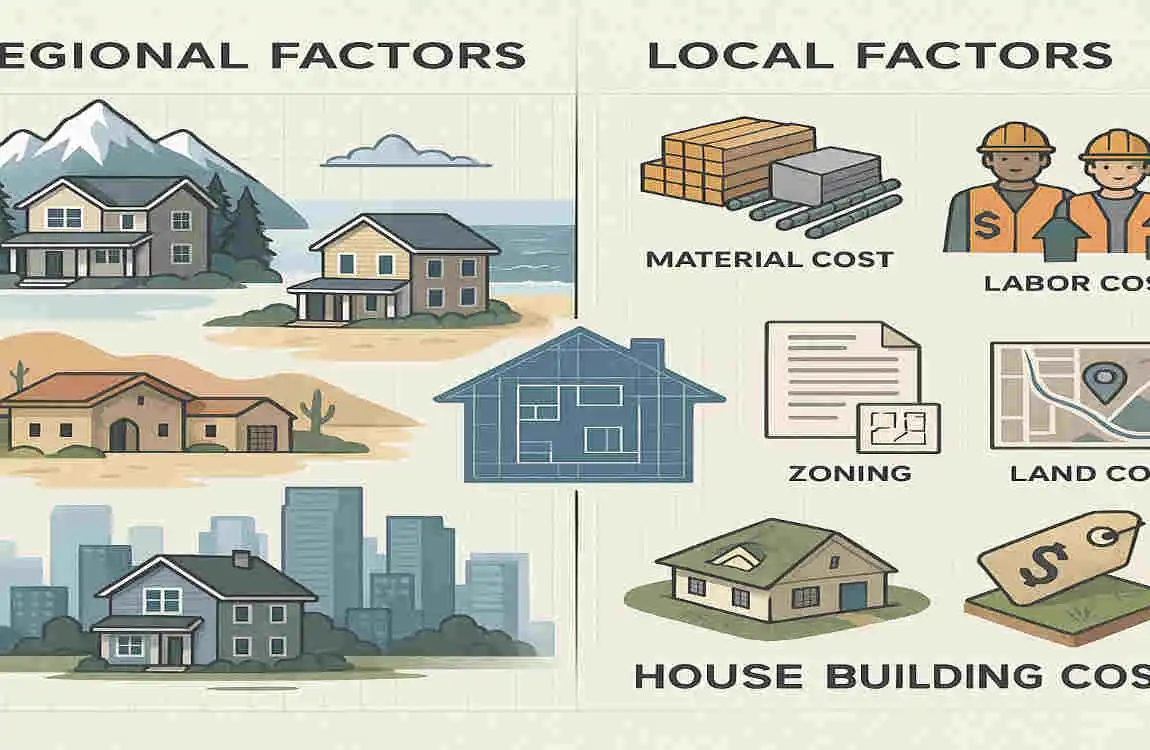
How Geographic Location Impacts Material and Labor Expenses
As we mentioned earlier, your geographic location can significantly affect the average cost to build a house. This is because material and labor prices can vary considerably from one region to another. For example, building in a coastal area with limited access to materials may be more expensive than building in a region with abundant resources.
Urban vs. Suburban vs. Rural Cost Differences
The type of area you’re building in can also affect your costs. In general, building in an urban area will be more expensive than building in a suburban or rural location. This is due to higher land prices, stricter regulations, and increased demand for labor and materials. However, keep in mind that building in a more remote area may come with its own set of challenges and expenses, such as longer travel times for workers and materials.
Climate Considerations and Their Effect on Construction Methods and Materials
The climate at your building site can also affect your construction costs. In areas with harsh weather, you may need to invest in more durable materials and specialized construction techniques to ensure your home’s longevity. For example, building in a hurricane-prone region may require reinforced roofing and impact-resistant windows, which can increase your expenses.
Local Building Codes and Regulations Influencing Costs
Finally, local building codes and regulations can significantly impact your construction costs. These rules vary from one jurisdiction to another and may require specific materials, construction methods, or safety features. Complying with these regulations can increase your expenses, but it’s essential to ensure your new home is safe and legal.
Hidden and Additional Costs to Consider
Unexpected Expenses During the Building Process
When planning your budget, it’s essential to account for potential unexpected expenses that may arise during the building process. These can include:
- Soil testing and environmental assessments: May be required by local regulations and can cost $1,000 – $3,000
- Unforeseen site conditions: Such as rock removal or drainage issues, which can add thousands to your budget
- Design changes: If you decide to make changes to your plans mid-construction, it can lead to additional costs for materials and labor
Contingency Budgets and Why They Are Essential
To protect yourself from these unexpected expenses, it’s crucial to include a contingency budget in your overall plan. Experts recommend setting aside 5-10% of your total budget for contingencies. This way, you’ll have a cushion to cover any surprises that may arise during the building process.
Post-Construction Costs: Landscaping, Furnishing, and Maintenance
Once your home is built, you’ll need to factor in additional costs for landscaping, furnishings, and ongoing maintenance. These expenses can add up quickly, so it’s important to factor them into your overall budget. Some common post-construction costs include:
- Landscaping: Can range from $5,000 – $20,000 depending on the size and complexity of your yard
- Furnishing: The cost of furniture and decor can vary widely, but you may need to budget $10,000 – $30,000 to fully furnish your new home
- Maintenance: Ongoing expenses like lawn care, repairs, and utilities can add up to several thousand dollars per year
Financing Costs: Interest, Loans, and Budgets
Finally, don’t forget to factor in the financing costs for your new home. If you’re taking out a construction loan, you’ll need to factor in interest rates and fees. Additionally, if you’re planning to use a mortgage to finance your build, you’ll need to consider the long-term costs of loan repayment. Working with a financial advisor can help you navigate these expenses and create a budget that works for your situation.
Tips for Managing and Reducing Your Building Costs
Choosing Cost-Effective Materials Without Sacrificing Quality
One of the best ways to manage your building costs is by choosing cost-effective materials without sacrificing quality. This may involve researching different options and comparing prices from various suppliers. Some tips for finding affordable materials include:
- Shopping around: Don’t settle for the first quote you receive; compare prices from multiple suppliers to find the best deal
- Considering alternatives: Look for cost-effective alternatives to high-end materials, such as laminate countertops instead of granite
- Buying in bulk: Purchasing materials in bulk can often lead to discounts and savings
Strategies to Reduce Labor Costs and Time Frame
Labor costs can make up a significant portion of your overall budget, so finding ways to reduce these expenses can have a significant impact. Some strategies for minimizing labor costs include:
- Hiring a project manager: A skilled project manager can help keep your build on track and within budget
- Streamlining the construction process: Look for ways to simplify the construction process and reduce the time frame, such as using prefabricated components
- Negotiating with contractors: Don’t be afraid to negotiate with contractors to find the best possible price for their services
Importance of Planning and Budgeting Accurately
Accurate planning and budgeting are essential for keeping your building costs under control. This involves creating a detailed plan for your project, including a timeline and a breakdown of all expected expenses. Some tips for effective planning and budgeting include:
- Working with professionals: Hire an architect, designer, and contractor who can help you create a realistic plan and budget
- Building in contingencies: As we mentioned earlier, setting aside a contingency budget can help you cover unexpected expenses
- Regularly reviewing your budget: Keep a close eye on your costs throughout the building process and adjust your budget as needed
Working with Experienced Contractors vs. General Contractors
When it comes to managing your building costs, your contractor’s experience and expertise can make a big difference. Some key considerations when choosing a contractor include:
- Experience: Look for a contractor with a proven track record of completing projects on time and within budget
- Specialization: Consider hiring a contractor who specializes in the type of home you’re building, as they may have more expertise and better connections with suppliers
- Communication: Choose a contractor who communicates clearly and regularly, as this can help prevent misunderstandings and cost overruns
Leveraging Technology and Modular Building Options
Finally, leveraging technology and considering modular building options can help you save time and money on your new home. Some ways to use technology to your advantage include:
- Using 3D modeling software: This can help you visualize your design and make changes before construction begins, saving time and money
- Implementing project management software: This can help you keep track of your budget, timeline, and progress throughout the building process
- Considering modular construction: Building your home in a factory and then assembling it on-site can save time and reduce waste, potentially lowering your overall costs
Case Studies and Real-Life Examples
To give you a better idea of what to expect when building a home in 2025, let’s take a look at some real-life examples and case studies.
Detailed Cost Breakdown of Sample Home Builds in 2025 with Variable Budgets
Here’s a breakdown of the costs associated with three different home builds in 2025:
Home Type Size (sq ft) Location Total Cost Cost per sq ft
Small starter home 1,200 Midwest $280,000 $233
Mid-sized family home 2,000 South $420,000 $210
Luxury home 3,500 West $850,000 $243
As you can see, the costs can vary significantly based on the size, location, and type of home you’re building.
Comparison of Costs in Different States or Regions
To give you a better idea of regional price differences, here’s a comparison of the costs to build a 2,000 sq ft home in different states:
- California: $450,000 – $550,000
- Texas: $350,000 – $450,000
- Florida: $375,000 – $475,000
- New York: $475,000 – $575,000
These estimates can give you a rough idea of what to expect in different regions, but keep in mind that your actual costs may vary based on your specific location and other factors.
Lessons Learned from Recent Home Builders
Finally, let’s take a look at some lessons learned from recent home builders:
- Plan for the unexpected: Many builders recommend setting aside a larger contingency budget than you think you’ll need, as unexpected expenses can quickly add up
- Communicate regularly with your contractor: Keeping an open line of communication with your contractor can help prevent misunderstandings and cost overruns
- Please don’t skimp on quality: While it may be tempting to cut corners to save money, investing in quality materials and craftsmanship can save you money in the long run by reducing maintenance and repair costs
