

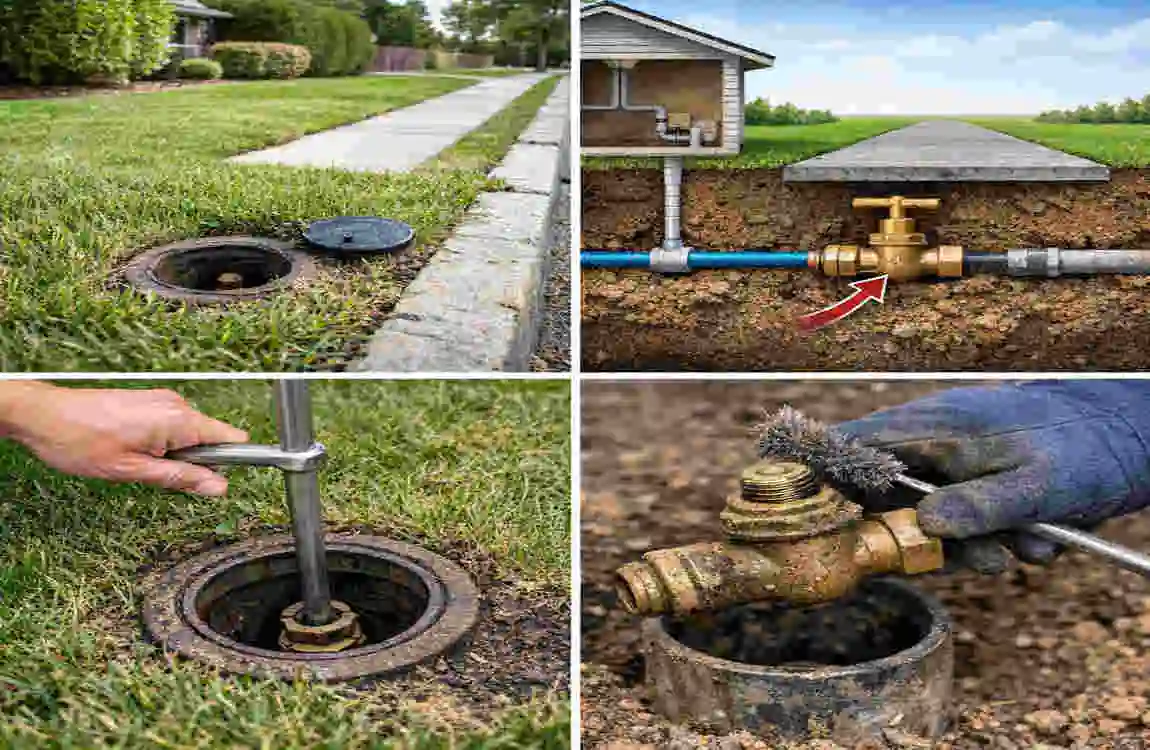
A curb stop is one of those plumbing parts most homeowners don’t think about until a water problem arises. Still, it plays a very important role in your home’s water supply.
If you have ever wondered what a curb stop is in house plumbing, the answer is simple: it is a shutoff valve that controls water flow to a property from the public water line. You usually find it near the property boundary, and utility workers or plumbers use it to stop water from entering the home when needed.
What Is a Curb Stop in House Plumbing?
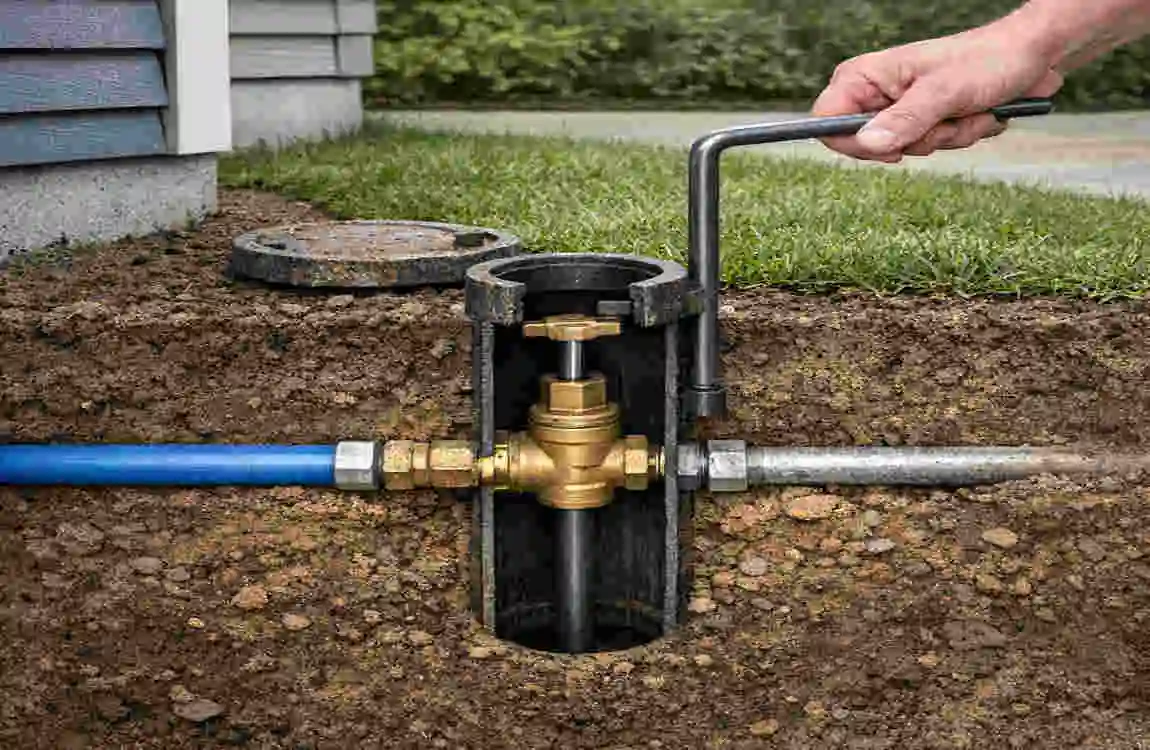
A curb stop is a small shutoff valve installed on the water service line, often close to the property line. It helps control the water supply between the main water line and the house.
It is not the same as the indoor shutoff valve you may find inside your home. The curb stop is usually outside, below ground, and protected by a cover or box.
How it works
Water enters the service line from the public main, travels through the curb stop, and then moves toward your home. When the valve is closed, water flow stops.
That makes it useful for:
- Emergency shutoffs
- Plumbing repairs
- Water line work
- Utility maintenance
Curb stop vs. other valves
Here is a quick comparison:
Item | Where it is located | Main purpose
Curb stop Near the property line, usually underground Controls water entering the property.
Main shutoff valve Usually inside the house Stops water to the entire home
Corporation stop At the water main connection Connects the service line to the public main
The curb stop is often the valve that utility workers use outside the home, while the indoor shutoff is what homeowners usually use inside.
Where Is a Curb Stop Located?
Most curb stops are installed near the front property line, often somewhere between the street and the house. The exact spot depends on the neighbourhood, local utility setup, and property layout.
Common places to look
You may find a curb stop:
- In a lawn strip
- Near a sidewalk
- Close to a driveway
- Under a small utility cover
- Inside a curb box
A curb box is a narrow access tube that reaches down to the valve. It allows workers to reach the curb stop without digging.
Why the location can vary
Not every property is built the same way. Some homes have older water lines. Others were installed with newer utility systems. That is why one curb stop may be close to the street, while another is farther away.
Finding a hidden curb stop
If you cannot see it, look for:
- A small metal or plastic cover
- A narrow pipe sticking up from the ground
- Utility marks near the front yard
- Property records or plumbing plans
If you are not sure, a plumber or water utility can often help you locate it safely.
How Does a Curb Stop Work?
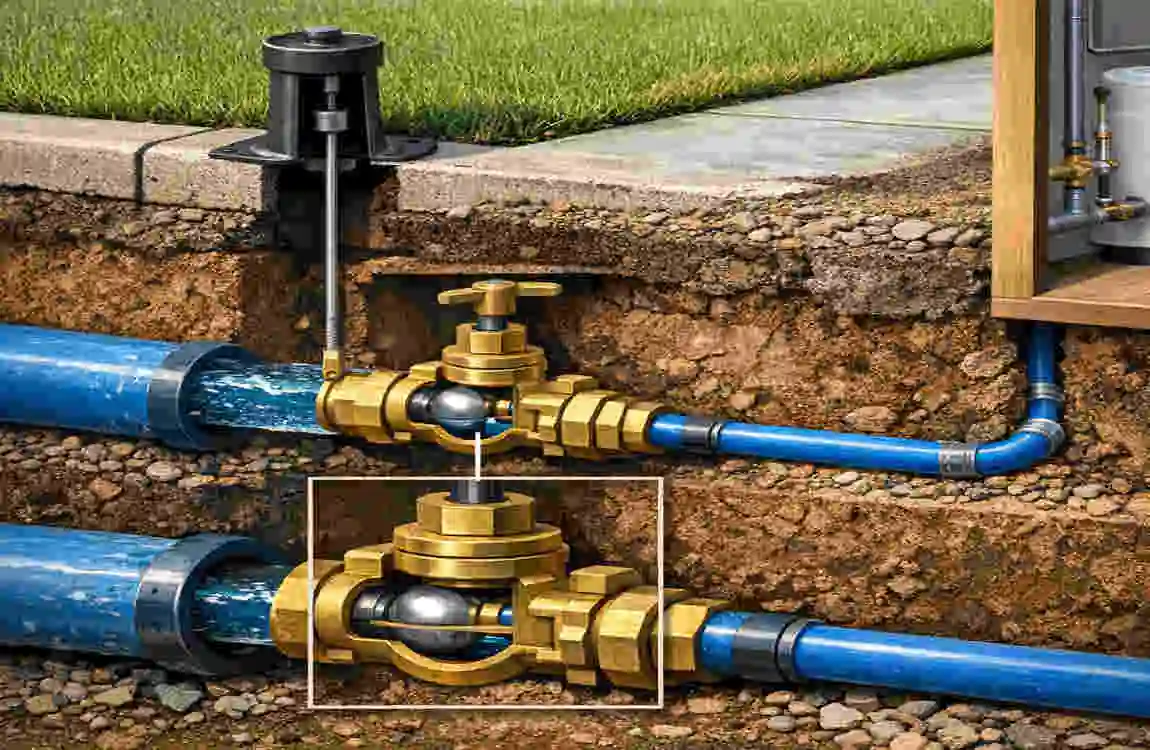
A curb stop opens or closes the water service line. When it is open, water flows normally into the home. When it is closed, water stops.
Who uses it?
Usually, only trained people should operate it. That may include:
- Licensed plumbers
- Utility workers
- Water department staff
What happens if it is partially closed?
If a curb stop is not fully open, water pressure can drop. You may notice weak water flow, slow fixtures, or uneven pressure around the home.
Signs something may be wrong
A curb stop may not be working correctly if:
- It is hard to turn
- It leaks around the box
- Water pressure changes suddenly
- The valve feels stuck
- The cover is broken or missing
These are signs that a professional should check it.
Curb Stop Plumbing Problems and Maintenance
Like any plumbing part, curb stops can wear out over time. Dirt, age, corrosion, freezing weather, and ground movement can all cause problems.
Common curb stop problems
Some of the most common issues include:
- Stuck or stiff valves
- Leaks
- Broken curb boxes
- Corrosion
- Mineral buildup
- Freeze damage
Why you should not force it
If a curb stop is stuck, do not force it. Turning it too hard can break the valve or damage the line. That can turn a simple issue into a much bigger repair.
Basic maintenance tips
You do not need to service a curb stop often, but you should:
- Keep the area clear
- Make sure the cover is not buried
- Watch for signs of leaks
- Check for unusual water pressure changes
- Call for help if the valve is hard to move
Seasonal care matters
Cold weather can cause freezing problems. Heavy rain can shift soil and affect access. A quick inspection now and then can help prevent surprises later.
Curb Stop Replacement, Repair and Costs
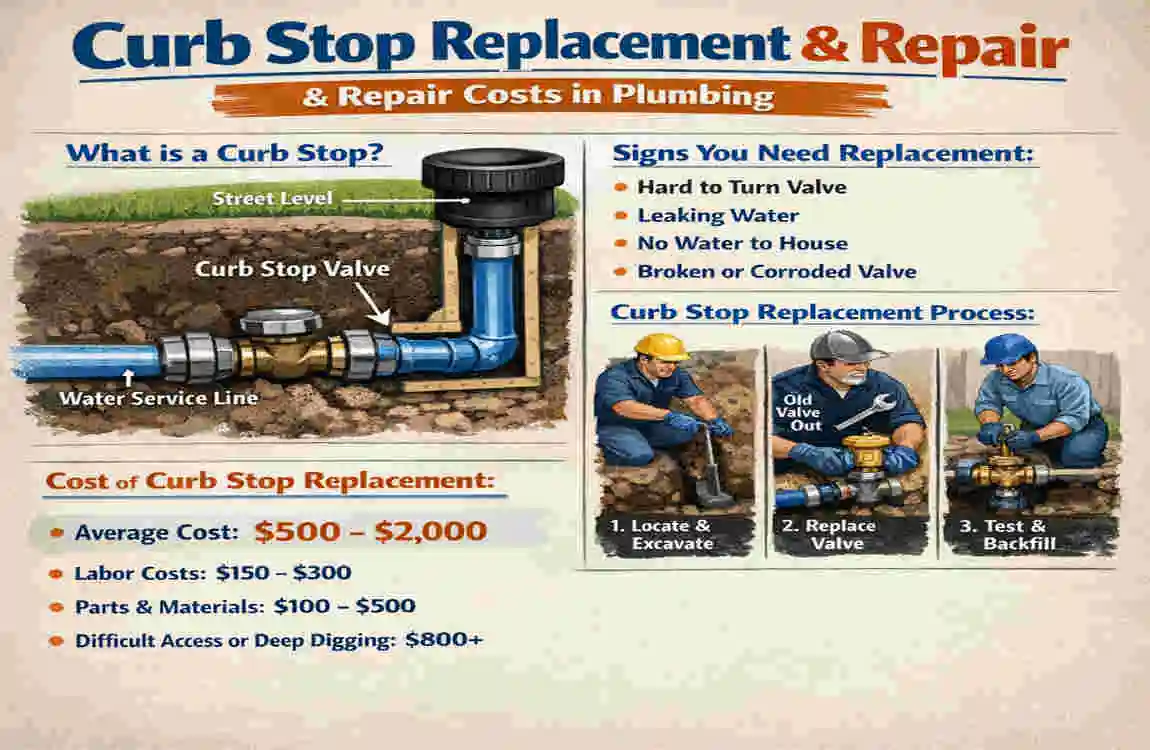
A curb stop may need repair or replacement if it leaks, breaks, or no longer shuts off water properly.
Who is responsible?
Responsibility can vary. In many cases:
- The utility may be responsible for parts up to a certain point
- The homeowner may be responsible for the service line on private property
Local rules matter here, so it is best to check with your water utility or plumber.
What affects the cost?
Repair costs depend on:
- Valve type
- Depth of the line
- How easy it is to reach
- Whether digging is needed
- Local labour rates
- Whether permits are required
What a plumber may check
A professional may inspect:
- The valve itself
- The curb box
- Nearby pipes
- Water pressure
- Signs of corrosion or leaks
Why professional help is important
Curb stop work often involves digging, utility lines, and controlling water service. That makes it a job for trained hands, not a DIY project.
Frequently Asked Questions About Curb Stops
What is a curb stop in house plumbing?
A curb stop is a shutoff valve that controls water entering a home from the public water line.
Where is the curb stop usually located?
It is usually near the property line, often in the front yard, sidewalk area, or utility strip.
Can I turn my curb stop off myself?
Only do that if local rules allow it and you know the valve is safe to operate. In many cases, a plumber or utility worker should handle it.
What is the difference between a curb stop and a main shutoff valve?
A curb stop is usually outside near the property line. A main shutoff valve is often inside the house.
Who is responsible for a curb stop?
That depends on your local utility rules and where the valve sits in the service line.
How do I find my curb stop?
Look near the front property line, check for a curb box, or ask a plumber or utility company for help.
| Feature | Short Information |
|---|---|
| What Is a Curb Stop? | A shut-off valve that controls the main water supply to a property. |
| Typical Location | Usually installed underground near the property line, often between the street and house. |
| Main Purpose | Allows the water supply to be turned off during repairs, emergencies, or maintenance. |
| Who Uses It? | Homeowners, plumbers, and sometimes the local water utility. |
| Access | Often reached through a small curb-stop box or covered opening at ground level. |
| Maintenance | Keep the access area clear and have the valve checked if it becomes difficult to operate. |
| Common Problems | Rust, corrosion, leaks, damaged valve parts, or a stuck handle. |
