

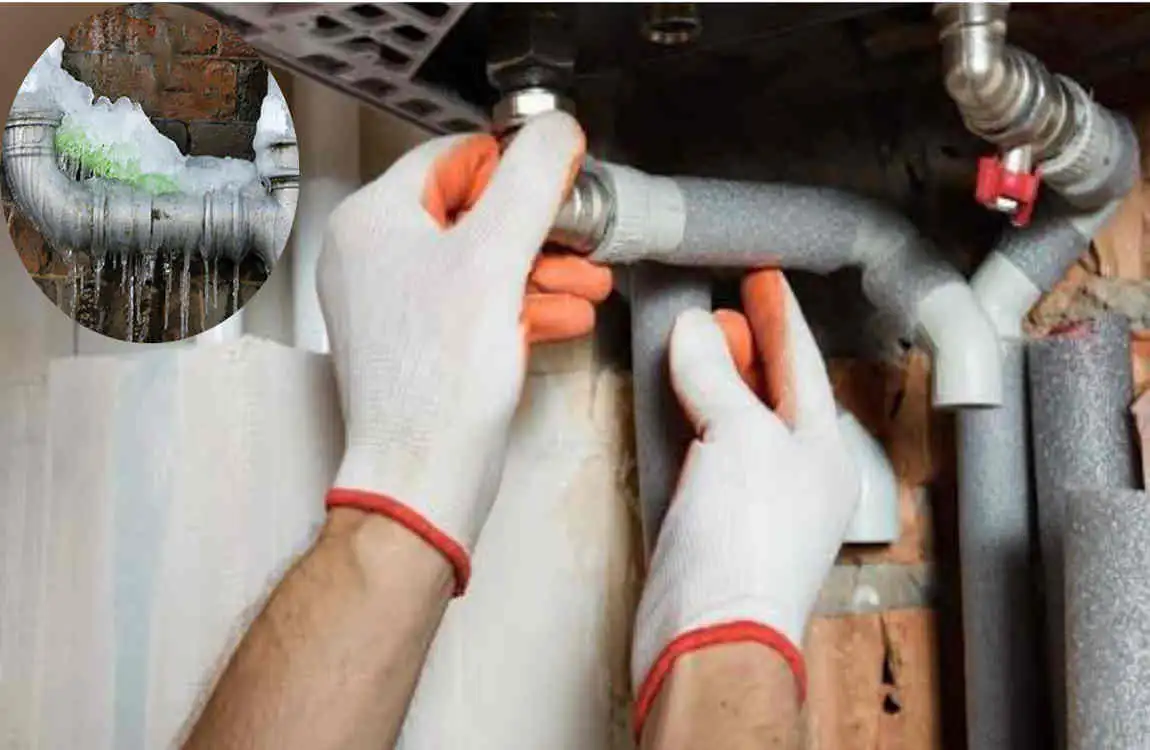
Winter can be tough on your home’s plumbing system. When temperatures drop, water inside pipes can freeze, expand, and create enough pressure to crack or burst the pipe. A small plumbing problem can quickly turn into water damage, expensive repairs, and major inconvenience.
Learning how to winterize a house plumbing system can help you prepare before freezing weather arrives. The process is usually simple and includes insulating exposed pipes, protecting outdoor faucets, maintaining indoor heat, and knowing where your main water shut-off valve is located.
What Does It Mean to Winterize a House Plumbing System?
Understanding Plumbing Winterization
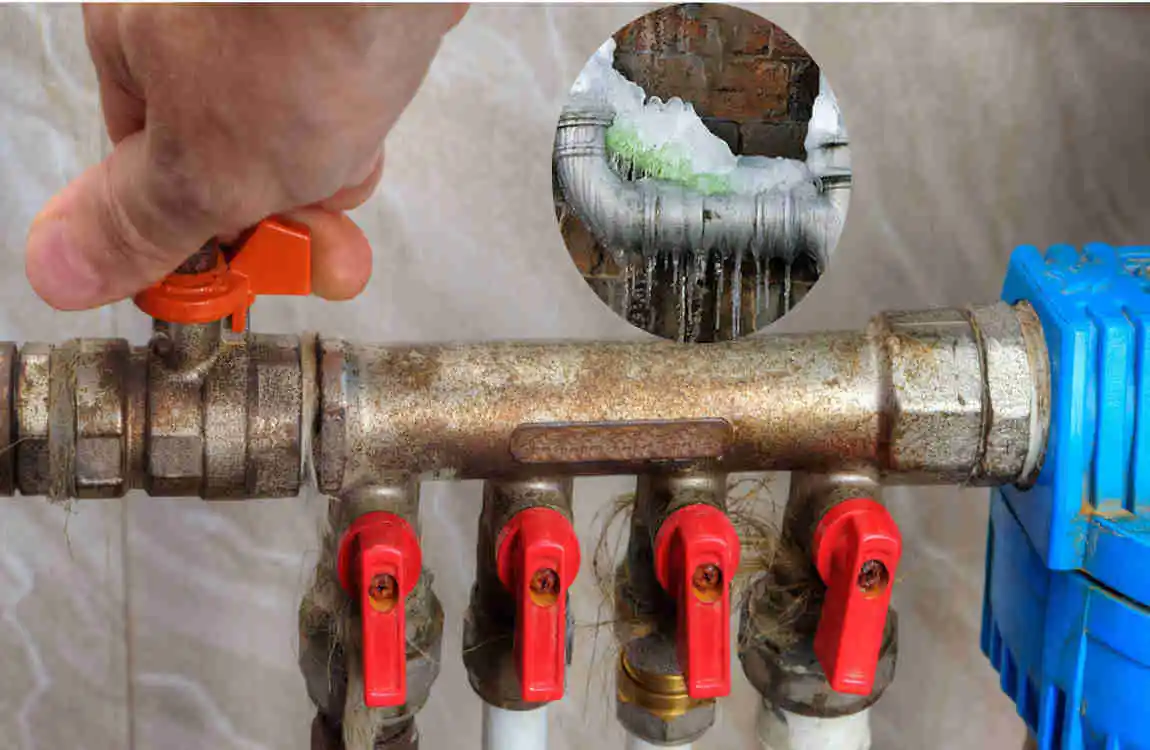
Plumbing winterization means preparing your home’s water system for cold temperatures. The goal is to prevent water from freezing inside pipes and fixtures.
Water expands when it freezes. This expansion can place pressure on pipes, fittings, and connections. Even if a pipe does not immediately burst, it can develop a crack that causes serious leakage when the ice melts.
Winterization is especially important for plumbing located in unheated or exposed areas, such as garages, crawl spaces, basements, attics, and exterior walls.
An occupied home usually needs continuous heating and pipe protection. A vacant property may require additional steps, such as shutting off the main water supply and draining the plumbing.
Why Is Plumbing Winterization Important?
Proper winterization can:
- Reduce the risk of frozen and burst pipes.
- Protect plumbing fixtures and appliances.
- Reduce the possibility of water damage.
- Prevent expensive emergency repairs.
- Protect vacant properties during prolonged cold weather.
The easiest plumbing problem to fix is often the one you prevent before winter begins.
When Should You Winterize Your House Plumbing?
Watch for Freezing Temperatures
You should start preparing before the first serious freeze rather than waiting until temperatures fall below freezing.
The risk becomes greater when temperatures remain around 32°F (0°C) or lower, particularly when pipes are poorly insulated or exposed to cold air.
Check your local weather forecast and inspect vulnerable plumbing before severe cold arrives.
Homes That Need Extra Winter Protection
Some properties require more attention than others. Take extra precautions if you have:
- A vacant or vacation home
- An older plumbing system
- Exposed pipes
- Plumbing in an unheated garage or crawl space
- A home in an area with harsh winters
How to Winterize Plumbing in a Vacant House
A vacant home requires more preparation because no one may be present to notice a frozen pipe or a leak.
Turn Off the Main Water Supply
For a property that will remain vacant, shutting off the main water supply can reduce the amount of water available if a pipe fails.
However, simply turning off the water does not completely winterize the plumbing. Water can remain inside pipes, fixtures, appliances, and traps.
Drain the Plumbing System
Open faucets after shutting off the water supply and allow the system to drain as much as practical.
Flush toilets and operate plumbing appliances according to the manufacturer’smanufacturer’s instructions.
For a property in a severe winter climate, complete draining may require professional assistance, particularly when the plumbing system is complicated.
Protect the Water Heater
Water heaters require special attention when winterizing a vacant home.
Whether the water heater should be drained depends on the type of system, property conditions, and how long the home will remain vacant. Always follow the manufacturer’s instructions.
If you are unsure how to shut down or drain the water heater safely, professional help is a safer option.
Add Protection to Vulnerable Fixtures
Even after draining pipes, some water can remain inside toilets, sink traps, and other fixtures.
Vacant properties therefore need careful attention to every part of the plumbing system rather than only the main pipes.
How to Protect Pipes From Freezing
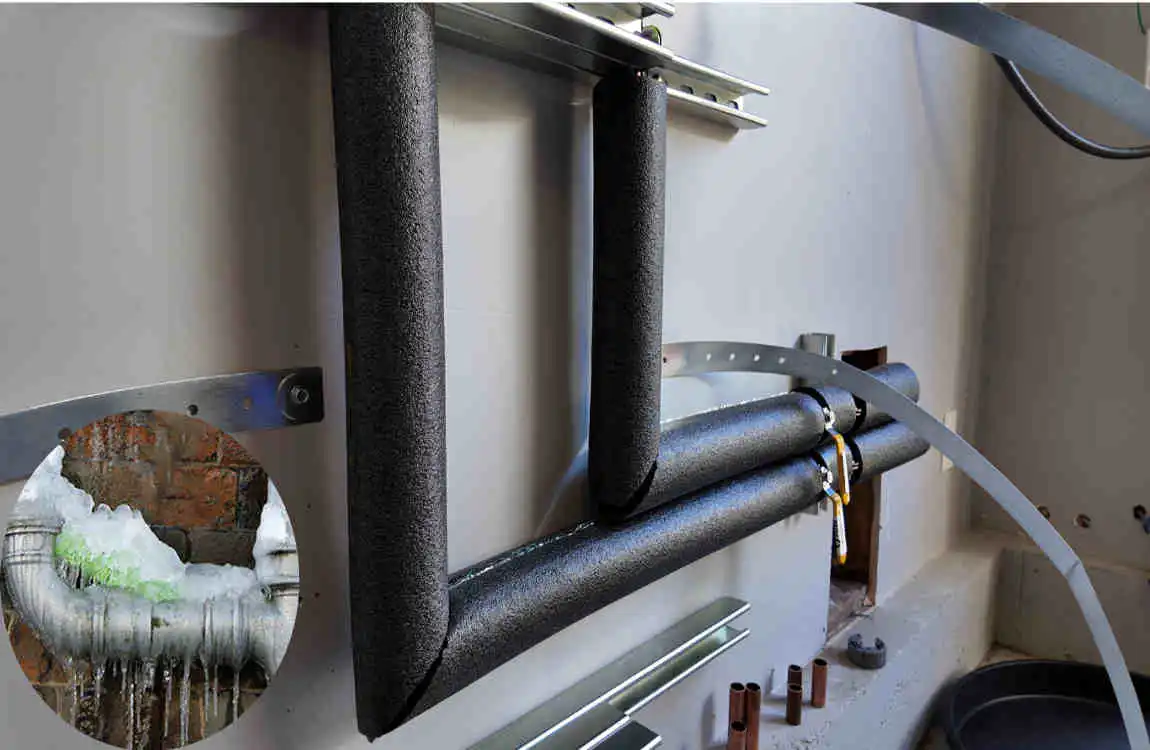
Insulate Pipes in Cold Areas
Pay special attention to pipes located in:
- Basements
- Crawl spaces
- Garages
- Attics
- Exterior walls
Adding insulation can slow heat loss and provide additional protection during freezing temperatures.
Seal Cold Air Leaks
Cold drafts can make vulnerable plumbing even colder.
Inspect gaps around doors, windows, and plumbing openings. Seal appropriate openings to reduce cold air entering the home.
This can also improve the home’s overall energy efficiency.
Maintain Proper Home Heating
Your heating system plays an important role in protecting plumbing.
Before winter arrives, make sure the heating system operates properly. Keep indoor temperatures reasonably consistent and avoid allowing the house to become extremely cold.
For vacant properties, temperature monitoring can provide an additional layer of protection by alerting you if indoor temperatures fall unexpectedly.
What to Do If Your Pipes Freeze
Signs of a Frozen Pipe
Common warning signs include:
- Little or no water coming from a faucet
- Frost or ice on an exposed pipe
- Strange sounds when turning on a faucet
- Bulging or visibly damaged pipes
A frozen pipe should be taken seriously because it may already be under pressure.
Safely Thaw a Frozen Pipe
If you suspect a pipe has frozen, keep the affected faucet open. This gives expanding water somewhere to move as the ice melts.
Use gentle, gradual heat to warm the pipe. Start near the faucet and gradually work toward the frozen section.
Never use an open flame or another dangerous heating method to thaw plumbing. Excessive heat can damage pipes or create a fire hazard.
When to Call a Plumber
Contact a professional if the pipe has burst, water is leaking, you cannot locate the frozen section, or you are unsure how to thaw it safely.
If water is entering the home, shut off the main water supply as quickly as possible and address the source of the leak.
Common Mistakes to Avoid When Winterizing Plumbing
Some winter plumbing problems happen because homeowners overlook simple details.
Avoid these common mistakes:
- Ignoring exposed pipes in garages, crawl spaces, and exterior walls.
- Leaving garden hoses connected to outdoor faucets.
- Turning the home’s heat off completely during freezing weather.
- Forgetting outdoor faucets after preparing the rest of the plumbing.
- Not locating the main shut-off valve before an emergency happens.
- Using open flames to thaw frozen pipes.
- Leaving a vacant property unprepared for extended cold weather.
Winter Plumbing Maintenance Checklist
Winterization Task Why It Matters
Inspect pipes Finds leaks and weak areas
Insulate exposed pipes Reduces freezing risk
Disconnect hoses Removes trapped outdoor water
Drain outdoor faucets Helps protect exterior plumbing
Maintain indoor heat Keeps pipes warmer
Open sink cabinets Improves warm-air circulation
Locate shut-off valve Helps limit emergency water damage
Check vacant properties Reduces the risk of unnoticed problems
How Much Does It Cost to Winterize House Plumbing?
DIY Winterization Costs
Basic winterization can be relatively affordable when you handle simple tasks yourself.
Common supplies include pipe insulation, weatherstripping, caulk, faucet covers, and basic plumbing materials.
The total cost depends on the size of your home and how much exposed plumbing needs protection.
Professional Winterization Costs
Professional winterization costs vary depending on the property’s size, plumbing design, condition, and location.
A vacant home with extensive plumbing may require more work than a small occupied house. Older plumbing systems may also need additional inspection or repairs.
Although professional service costs money, prevention can be much cheaper than dealing with a burst pipe, flooding, damaged flooring, or major water cleanup.
Benefits of Winterizing Your Plumbing
Taking time to prepare your plumbing before winter offers several benefits.
It can reduce the risk of frozen pipes, protect fixtures, and help prevent costly water damage. It can also reduce the chance of an emergency occurring when you are away from home.
Most importantly, winterization gives you confidence that your plumbing is prepared for cold weather.
Frequently Asked Questions About Winterizing House Plumbing
How do you winterize a house plumbing system?
To winterize a house plumbing system, inspect the plumbing, insulate exposed pipes, disconnect garden hoses, drain outdoor faucets, maintain safe indoor temperatures, and locate the main water shut-off valve.
For a vacant house, you may also need to shut off the main water supply, drain the plumbing, and protect the water heater and fixtures.
What temperature will cause house pipes to freeze?
Freezing risk increases when temperatures reach around 32°F (0°C) or below, especially when pipes are exposed or poorly insulated.
The actual risk depends on how long temperatures remain low, where the pipes are located, and how well the home is heated and insulated.
Should I turn off my water when I leave my house for winter?
For a vacant property, shutting off the main water supply can help limit potential water damage. However, you should also properly drain vulnerable plumbing rather than simply turning off the water.
For an occupied home, keeping the water supply on is generally normal as long as the plumbing is properly protected.
Should I leave faucets dripping in freezing weather?
A small amount of running water can help reduce the risk of freezing in some vulnerable plumbing. However, dripping faucets should not be used as a substitute for proper heating and pipe insulation.
What pipes are most likely to freeze?
Pipes most at risk include those located in exterior walls, garages, crawl spaces, attics, basements, and other poorly heated areas.
Exposed plumbing is especially vulnerable during prolonged freezing weather.
How do I winterize a vacant house?
Start by shutting off the main water supply and draining as much of the plumbing system as practical. Protect toilets, traps, fixtures, and appliances in accordance with their requirements.
| Step | What to Do | Why It Matters |
|---|---|---|
| Insulate Pipes | Wrap exposed pipes with pipe insulation. | Helps prevent freezing and bursting. |
| Disconnect Hoses | Remove and drain outdoor garden hoses. | Prevents water from freezing in connected pipes. |
| Protect Outdoor Faucets | Shut off and drain exterior faucets. | Reduces the risk of freeze damage. |
| Seal Drafts | Close gaps around pipes near exterior walls. | Keeps cold air away from plumbing. |
| Keep Heat On | Maintain a steady indoor temperature. | Helps protect interior pipes during cold weather. |
