

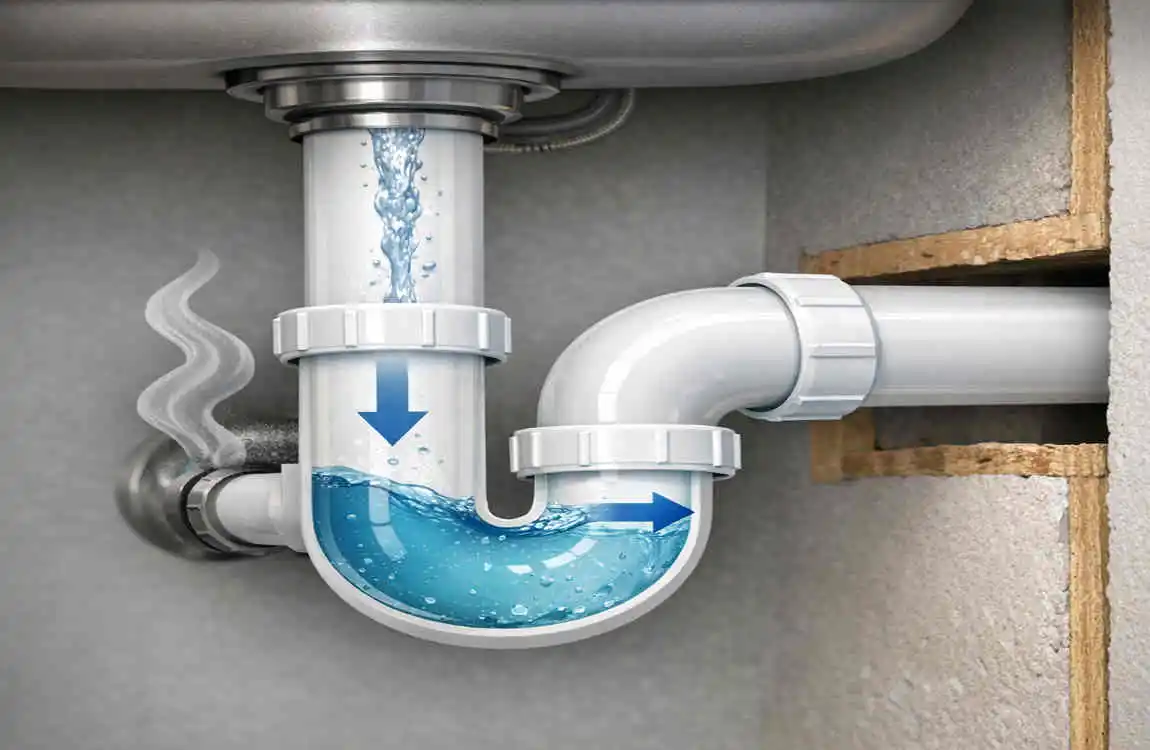
A P-trap is one of those small plumbing parts you usually do not notice until something goes wrong. It sits under a sink, tub, or shower and quietly does an important job every day.
If you have ever wondered what a P-trap is in plumbing, the simple answer is this: it is the curved pipe that holds a small amount of water to block sewer gases from coming back into your home. That water seal helps keep your space cleaner, safer, and easier to live in.
What’s a P-Trap in Plumbing?
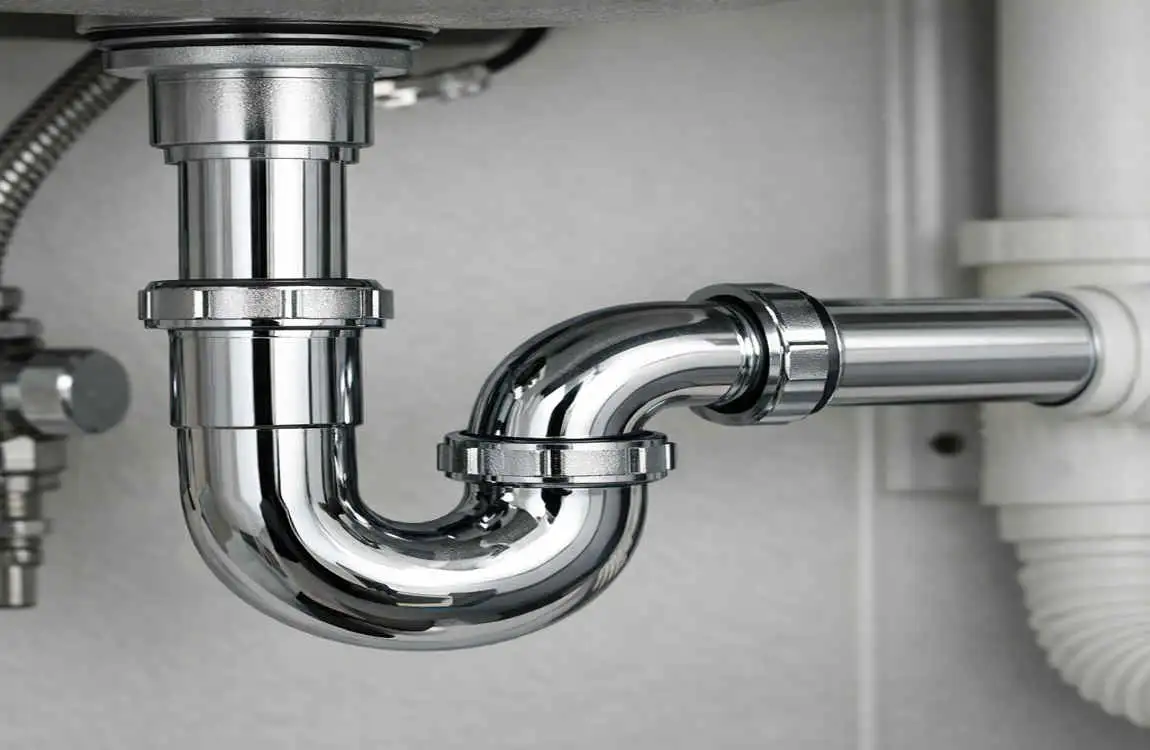
A P-trap is a curved section of pipe found in many household drains. It is designed to allow wastewater to pass through while retaining a small amount of water within the bend.
Simple Definition of a P-Trap
In plain language, a P-trap is the curved pipe under a fixture that stops bad smells from entering your home. You will most often find it under bathroom sinks, kitchen sinks, tubs, showers, and some utility sinks.
Its job is simple, but very important. Without it, sewer gas could travel up the drain and into the room.
Why Is It Called a P-Trap?
It is called a P-trap because, in side view, its shape resembles the letter P. The curved section drops down and then turns toward the drain line.
Older plumbing systems used different trap shapes, but the P-trap became common because it is practical and works well in modern homes.
What Does a P-Trap Look Like?
A P-trap usually has three main parts:
- A curved bend
- A short connecting section
- A trap arm leading to the drain
Most people recognize it as the pipe that sits directly under the sink drain.
How Does a P-Trap Work?
The P-trap works because it always maintains a small amount of water in the curve. That water acts like a barrier.
The Role of Water in the Trap
When water flows through the sink or fixture, some of it remains in the trap’s bend. That small amount of trapped water seals off the pipe and blocks sewer gases.
This is the key idea behind how a P-trap works. It is not a mechanical valve. It is a simple water barrier.
How Wastewater Passes Through the P-Trap
When you run the sink, wastewater flows down the drain, curves through the trap, and then continues into the main drain system.
The trap does not stop water from flowing out. It only keeps enough water behind to protect the room from odors.
How P-Traps Help Prevent Sewer Gas
Sewer gas is not something you want in your home. It can smell bad and make the space uncomfortable.
The P-trap helps stop that gas from coming back through the drain opening. That is why it is such a basic but essential part of plumbing.
Where Are P-Traps Used?
P-traps are found in many parts of a home. Some are easy to see, while others may be hidden behind walls or under fixtures.
P-Traps Under Bathroom Sinks
This is one of the most common places to see a P-trap. It sits right under the vanity and is usually easy to reach.
Because bathroom sinks often collect hair, soap, and toothpaste residue, the trap may need cleaning from time to time.
P-Traps Under Kitchen Sinks
Kitchen P-traps do the same job, but they often handle more food debris and grease.
That means kitchen traps can clog more quickly if food scraps or oil are washed down the drain.
P-Traps for Bathtubs and Showers
Tubs and showers also use traps, although they may not always be as visible. These traps help block odors while allowing water to drain properly.
Other Plumbing Fixtures
You may also find traps in laundry areas, utility sinks, and other fixture setups. The exact design can depend on local plumbing rules and the fixture type.
Main Parts of a P-Trap
Knowing the parts makes it easier to understand how the whole thing works.
Trap Bend
This is the curved section that holds the water. It is the most important part because it creates the seal.
Trap Arm
This is the section that connects the trap to the drain system. It carries wastewater away after it passes through the bend.
Slip Nuts and Washers
These are the fittings that hold the trap together. They allow the trap to be removed for cleaning or replacement.
If these parts are loose or worn out, leaks can happen.
Why Is a P-Trap Important?
A P-trap may seem like a small detail, but it serves several important purposes.
Blocks Unpleasant Sewer Odors
The most well-known function of a P-trap is to block sewer odors. The water inside the bend keeps odors from coming back into the room.
Helps Protect Indoor Air Quality
By stopping sewer gas from entering the home, the trap helps keep indoor air cleaner and more comfortable.
Can Catch Small Objects
Sometimes small items slip down the drain by accident, like jewelry or a ring. A P-trap may catch them before they go deeper into the plumbing.
That can be helpful, though it may also cause a clog if the object gets trapped.
Common P-Trap Problems
Like any plumbing part, a P-trap can develop problems over time.
Clogged P-Trap
Clogs are very common. Hair, soap, grease, food particles, and debris can build up inside the curve.
Signs of a clog may include:
- Slow draining
- Gurgling sounds
- Water backing up
- Bad smells
Leaking P-Trap
Leaks often happen at the joints or washers. A loose-fitting or old washer can cause water to drip under the sink.
Even a small leak should be fixed quickly, since it can damage cabinets or flooring.
Dry P-Trap
If a sink is rarely used, the water in the trap can evaporate. When that happens, the seal disappears, and odors may come through.
This is common in guest bathrooms, utility sinks, or vacation homes.
Smelly Drain
A bad smell can mean the trap is dry, dirty, or partly clogged. Sometimes the problem is the trap itself, but other times the drain line may need attention.
Cracked or Damaged P-Trap
Plastic traps can crack, and metal traps can corrode or wear out. If damage keeps happening, replacement is usually the better choice.
How to Maintain a P-Trap
A little care goes a long way.
Clean the Trap Regularly
If the drain starts slowing down, clean the trap before the issue gets worse. Removing debris early can prevent a full clog.
Check for Leaks
Look under sinks every so often. If you see drips, moisture, or rust stains, the trap may need to be tightened or repaired.
Run Water in Rarely Used Fixtures
If a bathroom or sink is not used often, run water every few weeks. This helps keep the water seal in place.
Avoid Pouring Grease and Debris Down the Drain
Grease, food scraps, and heavy buildup can cause serious problems over time. It is better to dispose of them properly.
How to Clean a P-Trap
Cleaning a P-trap is often a simple DIY job if the trap is easy to reach.
What You May Need
- A bucket
- Adjustable wrench
- Gloves
- Cleaning brush
- Replacement washer if needed
Basic Cleaning Process
- Put a bucket under the trap.
- Loosen the slip nuts.
- Remove the trap carefully.
- Let the trapped water drain into the bucket.
- Clean out debris.
- Check the washers and fittings.
- Reassemble the trap.
- Run water and check for leaks.
When to Call a Plumber
Call a plumber if the clog keeps returning, the trap is hard to reach, or the leak does not stop. You should also get help if the drain problem may be deeper in the system.
P-Trap vs. S-Trap: What’s the Difference?
This is a common question, especially in older homes.
What Is an S-Trap?
An S-trap has a shape that drops down and then curves again, resembling the letter S. In some setups, this design can make the water seal less reliable.
Why P-Traps Are Commonly Preferred
P-traps usually provide a better, more stable water seal. That is one reason they are widely used in modern plumbing.
Are S-Traps Allowed?
That depends on local plumbing rules. Some places restrict S-traps, while others may allow certain older setups. If you are changing plumbing, it is smart to check code requirements first.
P-Trap Materials
P-traps come in different materials, and each one has its place.
PVC P-Traps
PVC traps are lightweight, affordable, and common in residential plumbing. They are easy to install and replace.
ABS P-Traps
ABS is another plastic option. It is durable and used in many homes, though availability can vary by location.
Metal P-Traps
Chrome-plated brass and other metal traps are often used where the plumbing is visible, such as under a stylish bathroom sink.
They can look nice, but they may cost more than plastic versions.
How to Choose the Right P-Trap
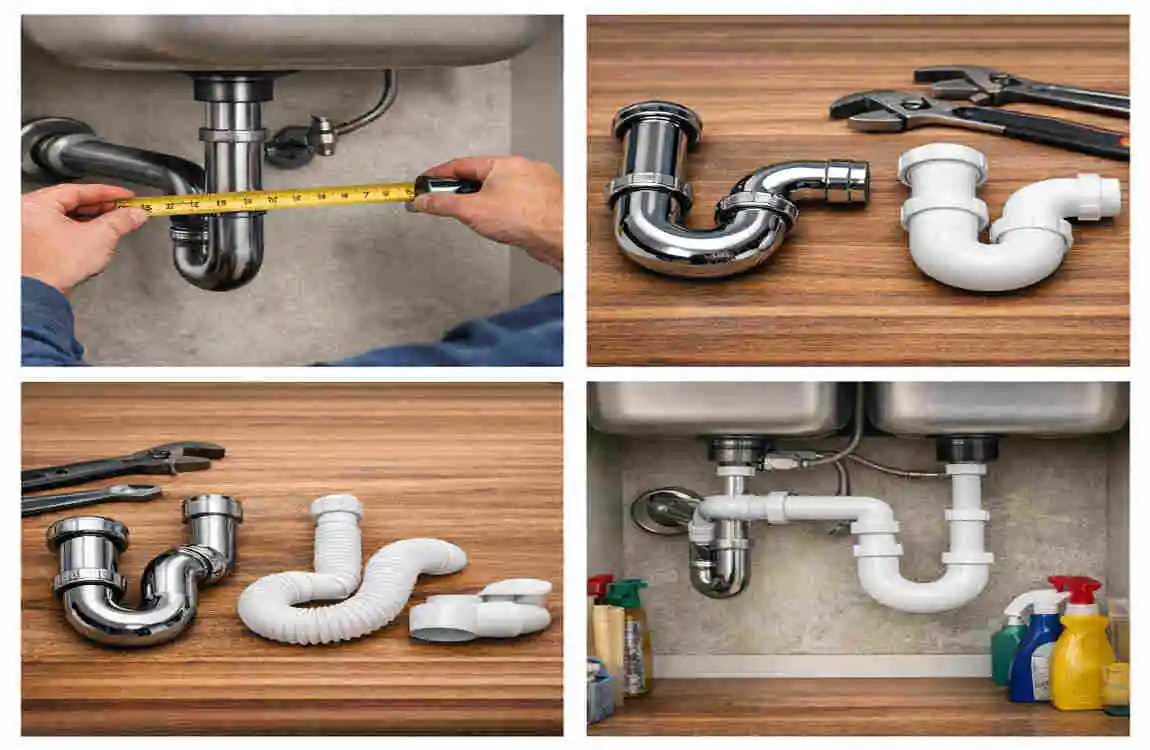
The right trap depends on your fixture and plumbing setup.
Check Pipe Size
The trap must match the drain size. If the size is wrong, the connection may not fit properly.
Consider the Fixture
A kitchen sink, a shower, and a laundry sink may all require different trap setups.
Choose the Right Material
Plastic traps are usually practical and budget-friendly. Metal traps are often chosen for appearance or durability in visible areas.
Follow Local Plumbing Requirements
Plumbing codes matter. If you are installing or replacing a trap, make sure the setup follows local rules.
P-Trap Installation: What Homeowners Should Know
A P-trap should sit between the fixture drain and the drain line. It must be aligned correctly so water flows smoothly.
Common Installation Mistakes
Some common problems include:
- Wrong trap size
- Loose fittings
- Incorrect slope
- Extra bends in the line
- Poor alignment
These mistakes can cause leaks, slow drainage, or odors.
DIY or Professional Installation?
A simple sink trap may be manageable for a homeowner with basic tools. But if the plumbing is hidden, complex, or part of a larger issue, a plumber is the safer choice.
Signs Your P-Trap Needs Replacement
Sometimes repair is no longer enough.
You may need a new trap if you notice:
- Persistent leaks
- Cracks or splits
- Corrosion
- Repeated clogs
- Bad odors that keep returning
- Damaged fittings
- Frequent repairs
If the trap keeps failing, replacement is usually the smarter long-term fix.
P-Trap Maintenance Tips for Homeowners
Maintenance Task How Often
Check for leaks Monthly
Inspect visible connections Every few months
Clean when drainage slows As needed
Run water in unused fixtures Regularly
Check for damage During routine inspections
Frequently Asked Questions About P-Traps
What’s a P-trap in plumbing?
It is the curved pipe under a sink or fixture that holds water and blocks sewer gases.
What is the main purpose of a P-trap?
Its main job is to maintain a water seal so odors cannot return to the room.
Where is a P-trap located?
It is usually found beneath or near a plumbing fixture, such as a sink or tub.
Can a P-trap get clogged?
Yes. Hair, grease, soap, food particles, and debris can build up inside it.
Why does my P-trap smell?
It may be dry, dirty, or partly clogged. In some cases, a deeper drain issue may be the cause.
How often should a P-trap be cleaned?
That depends on use. If drainage slows or odors appear, it is time to clean it.
| Aspect | Quick Explanation |
|---|---|
| What Is a P-Trap? | A curved plumbing pipe installed beneath sinks, showers, and other fixtures. |
| Main Purpose | Holds a small amount of water to block sewer gases from entering your home. |
| How It Works | Water flows through the trap while the curved section keeps a water seal in place. |
| Where It’s Used | Commonly found under kitchen sinks, bathroom sinks, showers, and tubs. |
| Odor Protection | The water seal helps prevent unpleasant sewer odors from coming into the room. |
| Debris Collection | Its curved design can catch small items and debris before they enter the drainpipe. |
| Cleaning | Many P-traps can be removed and cleaned when a drain becomes clogged. |
