

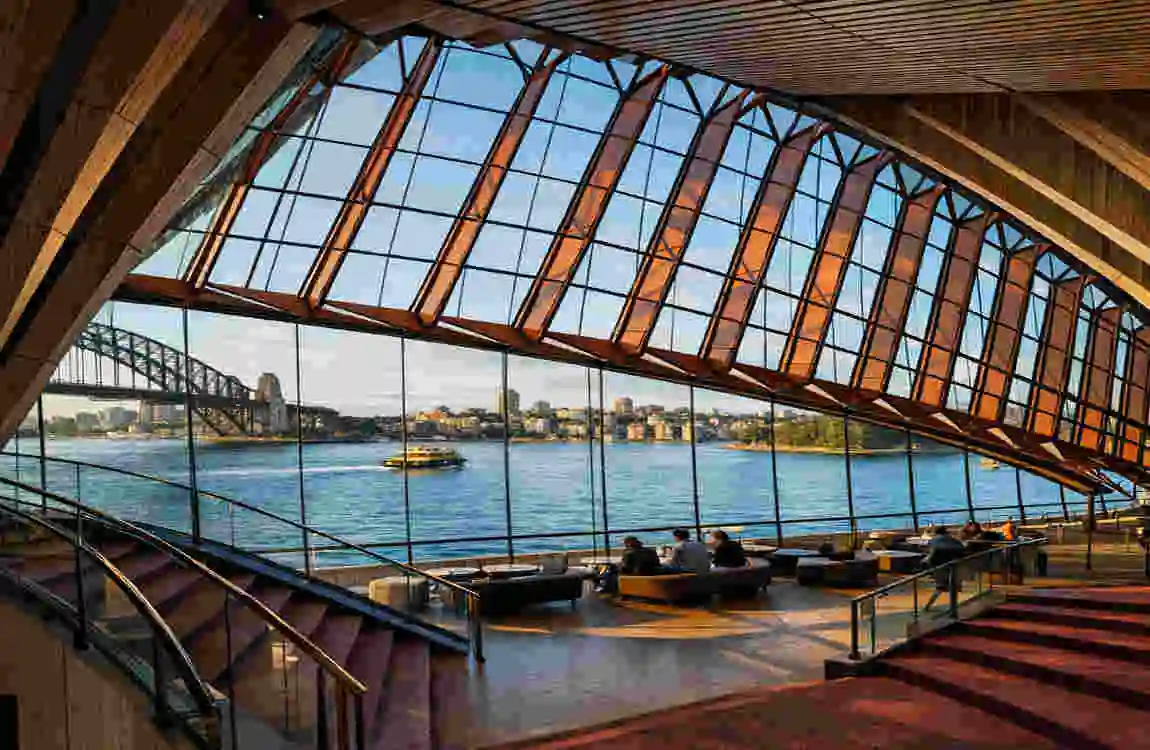
The Sydney Opera House is one of the most famous buildings in the world. People know it for its bold shape, white roof shells, and stunning harbor setting. But many visitors and architecture lovers still ask a very simple question: does the Sydney Opera House have glass?
The answer is yes, and glass plays an important role in the building’s design. It is not just a small detail. It brings in natural light, opens the interior to harbor views, and gives the building a bright, welcoming feel.
A Brief History of the Sydney Opera House
Who Designed the Sydney Opera House?
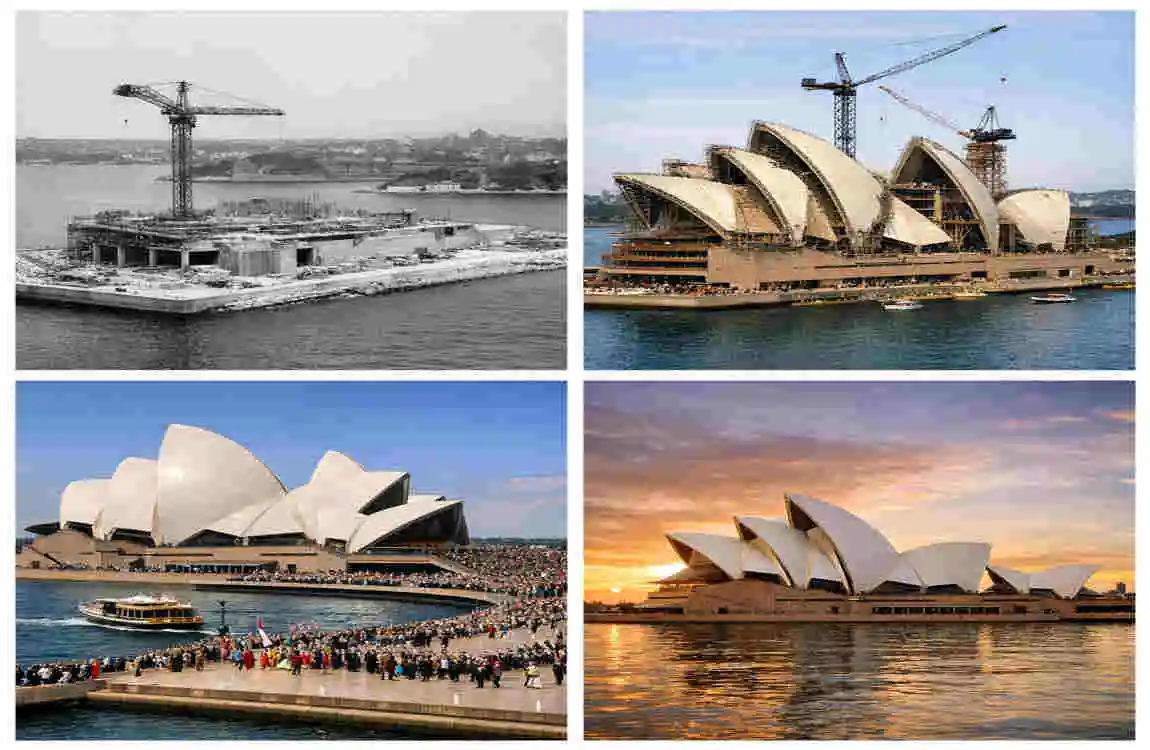
Jørn Utzon, a Danish architect, designed the Sydney Opera House. His idea was bold and very different from the buildings people were used to seeing at the time.
His design helped turn the building into a global symbol of modern architecture. It is admired not only for its appearance but also for the way it combines art, structure, and engineering.
When Was It Built?
Construction began in 1959, and the building opened in 1973. It took many years to complete because the design was complex and full of technical challenges.
The structure advanced building methods and became a landmark of modern design worldwide.
Why Is It a UNESCO World Heritage Site?
The Sydney Opera House is a UNESCO World Heritage Site because of its outstanding cultural and architectural value. It is recognized as a masterpiece of human creativity.
Its design changed the way many people think about public buildings. The mix of structure, form, and materials makes it truly special.
Does the Sydney Opera House Have Glass?
The Simple Answer
Yes, the Sydney Opera House does have glass. In fact, glass is one of the main materials used in its public-facing areas.
The building is not made entirely of glass, but large glass walls and windows are a major part of its architecture.
Where Is the Glass Located?
The glass is mostly found in the facades, entrances, and foyer spaces. These areas face the harbor and help create open views.
You will see large glass curtain walls and tall windows in parts of the building where people gather, walk, and look out over the water.
Why Glass Was Included in the Design
Glass was included for both practical and visual reasons. It allows light into the interior and helps connect the building to the outside world.
This makes the Opera House feel open, bright, and closely linked to Sydney Harbor. So, when people ask, “Does the Sydney Opera House have glass?” the answer matters because glass is part of what gives the building its atmosphere.
Types of Glass Used in the Sydney Opera House
Large Glass Curtain Walls
One of the most important features of glass is the curtain wall. This is a large wall made mostly of glass and supported by a strong frame.
It gives the building a clean, open look. It also helps the Opera House feel lighter and more transparent from the outside.
Floor-to-Ceiling Glass Panels
Some areas use tall glass panels that stretch from the floor almost to the ceiling. These panels provide wide views of the harbor and let in plenty of sunlight.
This kind of glass helps make the building feel spacious and connected to its surroundings.
Custom-Manufactured Glass
The glass used in the Sydney Opera House was specially made to fit the building’s unique shape and design. Standard glass would not have worked well for such an unusual structure.
Custom glass helped the architects meet both the design and engineering needs of the project.
Structural Support System
The glass does not stand alone. It is held in place by a strong support system that works with the building’s frame.
This support is important because the Opera House must withstand wind, weather, and the demands of a large public building.
Why Glass Was Essential to the Building
Maximizing Natural Light
One of the biggest reasons for using glass was to bring in natural light. Bright interiors feel more inviting and comfortable for visitors.
Natural light also reduces the need for artificial lighting during the day. That makes the spaces feel warmer and more pleasant.
Connecting Interior Spaces with Sydney Harbor
The Opera House sits in one of the most beautiful harbor settings in the world. Glass helps visitors enjoy those views from inside the building.
This connection between inside and outside is a key part of the building’s charm. It makes the experience more memorable.
Enhancing Visitor Experience
When people walk through the Opera House, they do not just want to see a performance. They also want to enjoy the building itself.
Glass helps create that experience. It gives visitors wide, open views and a sense of space.
Creating an Open Architectural Feel
Without glass, the building would feel much heavier and more closed off. The transparent areas balance the strong roof shells and create a lighter visual effect.
That contrast is one reason the building feels so elegant and modern.
Engineering Challenges of Installing the Glass
Curved Roof Structure
The roof shells are curved and highly unusual. This made the design of the glass sections more difficult because everything had to fit the unusual form.
The glass areas had to be carefully planned to match the rest of the building.
Wind Resistance
The Opera House sits near water, so strong winds are part of the environment. The glass had to be strong enough to handle this pressure.
Engineers needed to ensure the windows and walls remained secure in all weather conditions.
Weather Protection
Glass can let in light, but it must also protect the interior from rain, salt air, and other weather challenges. That is especially important in a coastal city like Sydney.
The materials had to be durable and carefully sealed.
Precision Installation Techniques
Installing the glass required very exact work. Every panel had to fit properly so the building could stay safe and look clean.
Even a small mistake could affect the structure’s appearance or performance.
Interesting Facts About the Sydney Opera House Glass
The glass features of the Sydney Opera House are impressive in both size and design.
Here are a few quick facts:
- The building includes over 6,000 square meters of glass
- The glass areas use unique geometric framing
- Many glass sections face the harbor for wide panoramic views
- The glass works together with the famous shell roofs to create a balanced design
These details show that glass is not just an extra feature. It is a central part of the experience.
Glass vs. Roof Tiles: Understanding the Exterior
Feature Glass Roof Shells
Material Structural Glass Ceramic Tiles
Purpose Views & Light Weather Protection
Appearance Transparent White Curved Shells
Location Facades Roof Structure
A common misunderstanding is that the whole building is made of glass. That is not true.
The glass is mainly used in the walls and viewing areas. The roof shells are covered in ceramic tiles, not glass. This combination is part of what makes the Opera House so striking.
Can Visitors See the Glass Up Close?
Public Entrances
Yes, visitors can see many glass features near the entrances. These areas show how the building uses transparency and light.
Main Foyers
The foyers are among the best places to see the glass. They feel open and airy, giving visitors a clear view of the harbor.
Guided Tours
Guided tours often explain the building’s design in more detail. If you are interested in architecture, this is a great way to better understand glass features.
Best Photography Locations
If you want to see the glass clearly, look for harbor-facing spots and public viewing areas. These give you a chance to photograph the reflections, structure, and surrounding water.
Why the Sydney Opera House Is an Architectural Masterpiece
Innovative Design
The Opera House broke away from ordinary building design. Its shape, materials, and layout were all bold and original.
Use of Modern Materials
The building combines glass, ceramic tiles, and reinforced structural systems in a way that feels modern even today.
Engineering Excellence
The project was technically difficult, and the finished result shows a high level of engineering skill. Everything had to work together.
Lasting Global Influence
The Sydney Opera House still inspires architects, students, and travelers around the world. It continues to shape how people think about landmark buildings.
Common Myths About the Sydney Opera House Glass
Is the Entire Building Made of Glass?
No. The building is not made entirely of glass. Only certain sections, mainly the facades and foyers, use glass extensively.
Are the Roof Shells Glass?
No. The famous roof shells are not glass. They are covered with over one million white and cream ceramic tiles.
Has the Glass Been Replaced?
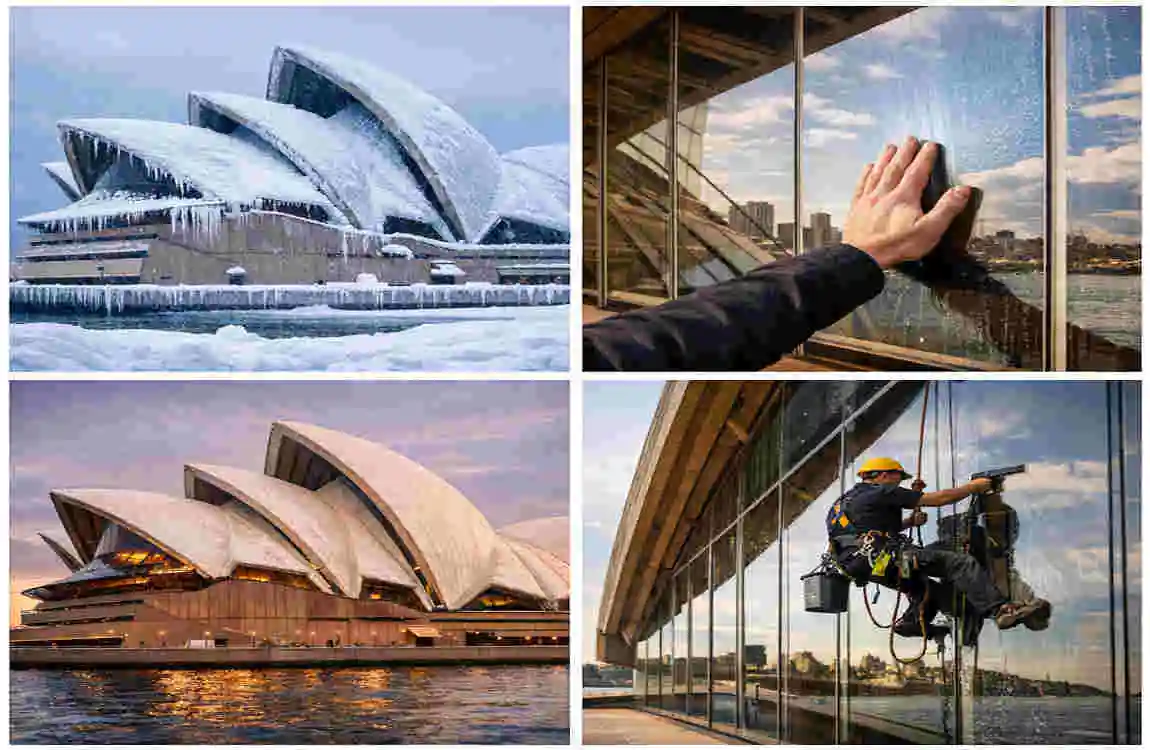
Some original glazing has been upgraded over time. These updates help improve safety, comfort, and energy performance while keeping the original design feel.
Frequently Asked Questions
Does the Sydney Opera House have glass?
Yes. Large glass curtain walls and floor-to-ceiling windows are a major part of the building’s design.
How much glass is used in the Sydney Opera House?
The building contains more than 6,000 square meters of specially manufactured glass.
Are the famous roof shells made of glass?
No. The roof shells are covered with over one million ceramic tiles.
Why was glass used in the Sydney Opera House?
Glass allows natural light into the interior and provides stunning views of Sydney Harbor.
Can visitors see the glass structure during tours?
Yes. Guided tours and public areas offer excellent views of the glass walls and facades.
Is the glass original?
Much of the original glazing has been updated over time to improve safety, efficiency, and performance.
| Feature | Details |
|---|---|
| Building Name | Sydney Opera House |
| Location | Bennelong Point, Sydney, New South Wales, Australia |
| Architect | Jørn Utzon (design), with completion by Peter Hall and team |
| Glass Type | High-performance laminated and tempered glass |
| Glass Walls | Massive floor-to-ceiling glass curtain walls provide panoramic harbor views |
| Main Purpose | Maximizes natural daylight while connecting interior spaces to Sydney Harbour |
| Glass Panels | Thousands of custom-made glass panels fitted into steel framing systems |
| Energy Efficiency | Modern upgrades improve insulation, reduce glare, and enhance thermal performance |
