

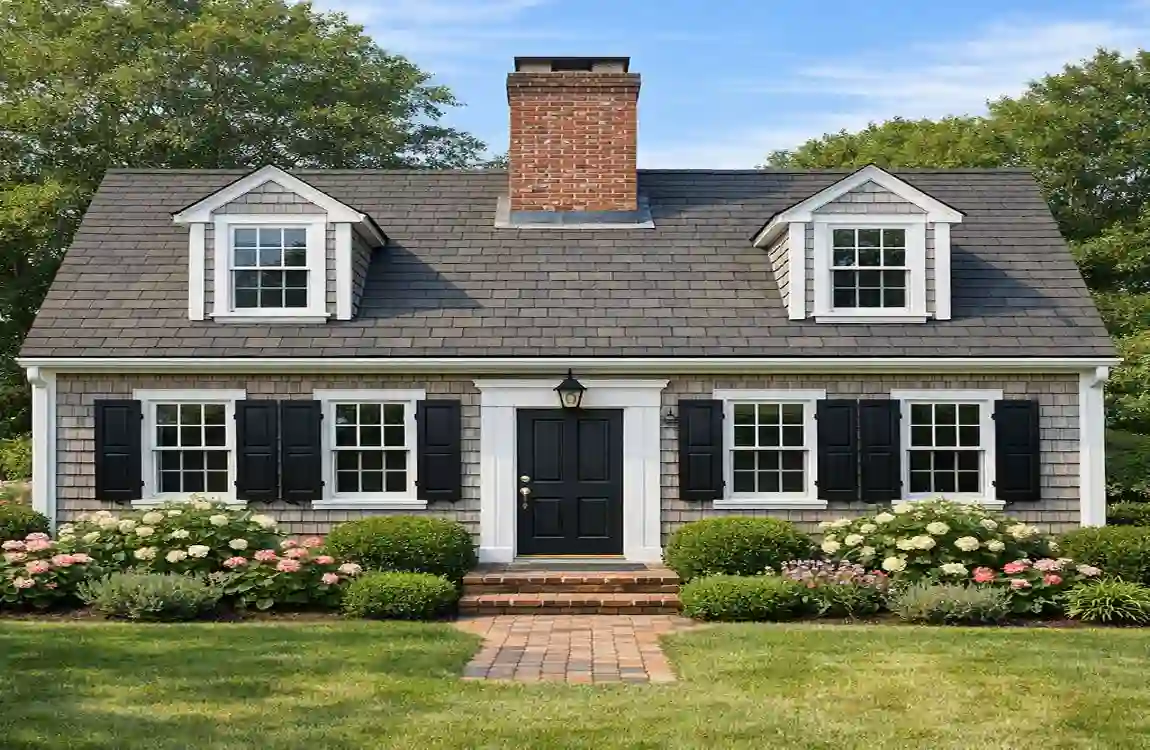
Cape Cod houses have a special place in American home design. Even today, they remain one of the most recognizable and beloved house styles in the country. You may see one in a quiet suburban neighborhood, near the coast, or in a historic town with tree-lined streets. No matter where it appears, a Cape Cod home usually stands out for the same reason: it feels simple, charming, and timeless.
If you have ever wondered what a Cape Cod house is, the answer is both easy and interesting. It is a home style that began with practical needs but, over time, became a symbol of comfort and classic beauty. These homes were designed to handle tough weather, use space wisely, and stay easy to maintain. That practical nature is a big part of why people still love them today.
They are not flashy, but they have a quiet confidence that many people appreciate. They also work well for families, first-time buyers, and anyone who wants a home with a strong sense of character.
What Is a Cape Cod House?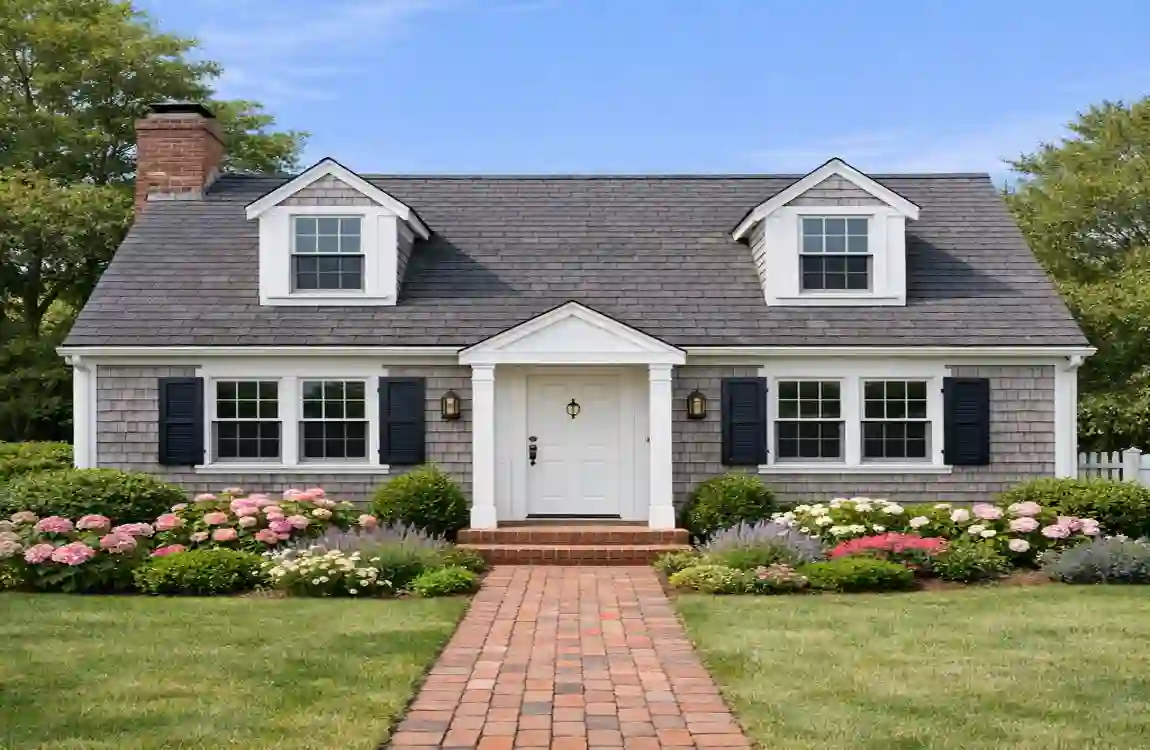
Definition of a Cape Cod house
A Cape Cod house is a simple, symmetrical home style that began in colonial America. It is usually small to medium in size, with a practical layout and a clean, balanced look. The style is known for being functional first and decorative second.
Traditional Cape Cod homes often have one or one-and-a-half stories. They were built to be sturdy and efficient, not overly fancy. That is part of their charm. They are easy to recognize because they usually have a steep roof, a central front door, evenly spaced windows, and a compact shape.
When people ask what a Cape Cod house is, they are usually asking about more than just the shape. They want to know why this style has stayed popular for so long. The answer is simple: it works. It provides a comfortable living space while keeping the design clean and attractive.
Why is it called a Cape Cod house?
The style gets its name from Cape Cod, Massachusetts, a coastal area where early settlers built homes that could handle harsh winds, cold winters, and wet weather. The design was practical for life near the sea.
These homes were made to be strong, warm, and simple to build. Their steep roofs helped snow and rain run off more easily, and their compact shape made them easier to heat. That made perfect sense in a difficult climate.
Over time, the term “Cape Cod house” came to be associated with the style itself, even though homes of that type were later built in many other parts of the country. Today, the name evokes a classic American home that feels both historic and familiar.
Key characteristics at a glance
A Cape Cod house usually has several features that make it easy to identify:
- Steep roof
- Central front door
- Symmetrical windows
- Dormer windows
- Wood siding
- Central chimney
These features are not just decorative. Each one has a purpose. The steep roof helps with the weather. The central door creates balance. The windows bring in light. The chimney supports warmth. Together, they create a home that looks simple but is carefully designed.
That practical design is one of the main reasons Cape Cod houses have lasted for centuries.
The History of Cape Cod Houses
Colonial origins in the 17th century
The story of the Cape Cod house begins with early colonial settlers. These homeowners needed buildings that could survive in a new and often unforgiving environment. They could not afford to build large, complicated homes. Instead, they needed something easy to construct, weather-resistant, and warm during long winters.
The early Cape Cod home drew inspiration from English cottage-style architecture. Still, it was adapted to meet the needs of colonial life in New England. Settlers used local materials and simple building methods. The result was a house that was both affordable and practical.
These early homes often had a central fireplace or chimney. That helped heat the house from the middle and keep the living areas warmer in a cold climate, which mattered a lot.
Evolution through the centuries
As time passed, the Cape Cod house changed along with American life. Builders began adding more windows, changing room layouts, and using new materials. Some homes became larger. Others gained extra details while keeping the same basic shape.
The style remained popular because it was so flexible. It could be small and modest, or expanded into a larger family home. The simple structure gave homeowners room to adapt it to their needs.
By the 19th and early 20th centuries, the Cape Cod look was no longer just a colonial Survival design. It had become a true architectural style with a strong identity.
Cape Cod revival in the 20th century
The Cape Cod house had a major comeback in the 20th century, especially after World War II. During that time, there was a huge need for affordable housing. Families wanted homes that were attractive, efficient, and easy to build.
The Cape Cod-style fit met the needs perfectly.
It offered:
- A modest footprint
- A familiar and welcoming look
- Lower building costs
- Easy upkeep
- Room for modern updates
Developers used the style in suburban neighborhoods across the United States. Many of these homes became starter homes for young families. The style was especially appealing because it felt safe, classic, and dependable.
Even today, many modern Cape Cod homes keep the same spirit, even if they include bigger kitchens, open floor plans, and updated materials.
What Makes a Cape Cod House Unique?
Symmetrical exterior design
One of the biggest reasons a Cape Cod house looks so distinct is its symmetry. The front of the home often features a balanced layout, with the front door centered and windows evenly spaced on both sides.
This symmetry creates a calm, orderly appearance. It is easy on the eyes. It also gives the home a sense of tradition and stability.
You may not always notice symmetry right away, but you feel it. A balanced house tends to look more settled and complete. That is one reason Cape Cod homes are so visually appealing.
Steeply pitched roof
The steep roof is another defining feature. It is not only beautiful but also highly practical. In areas with snow or heavy rain, a steeper roof helps water and snow slide off more easily. That helps protect the structure and reduces buildup.
A steep roof also gives the home more vertical presence. Even if the house is not very large, the roof can make it look more elegant and distinctive.
This roof shape also leaves room for attic space or upper-level rooms, which adds value without making the home feel too bulky.
Dormer windows
Dormer windows are small windows that project out from the roof. They are common in many Cape Cod homes, especially in one-and-a-half-story versions.
Dormers do more than improve the look of the house. They bring in natural light and fresh air to upper rooms. They also make the upstairs space more usable by increasing headroom and reducing the feeling of tightness.
Without dormers, upper-floor rooms in a Cape Cod house might feel low or dark. With them, the home becomes much more livable.
Central chimney
Traditional Cape Cod houses often include a central chimney. In early homes, this was a very important feature because it allowed the house to be heated from the middle.
That central heat source helped warm different parts of the home more evenly. It was a clever design choice for cold weather and limited building resources.
Even in modern versions, the chimney remains one of the features that gives the style its classic identity. It connects the home to its colonial roots and adds a strong visual anchor.
Simple and functional floor plans
Cape Cod homes are known for simple floor plans. The layout is usually efficient, compact, and easy to move through. Rooms are often arranged to make the best use of available space.
This makes the home easy to live in. You do not waste much area on unnecessary hallways or oversized decorative spaces. Everything has a purpose.
That is part of the beauty of the design. It does not try to impress with size alone. It focuses on making daily life comfortable and practical.
Natural building materials
Traditional Cape Cod houses often use natural materials such as:
- Wood shingles
- Clapboard siding
- Brick
- Stone accents
These materials help the house blend into its surroundings. They also give it a warm, authentic look. Wood siding and shingles are especially common because they match the coastal and colonial feeling of the style.
Natural materials also age in ways that add character. A Cape Cod home often looks even better as it gets older, especially when it is well cared for.
Why these features matter together
What makes a Cape Cod house unique is not any single detail. It is the way all of these details work together. The roof, windows, door, chimney, and siding all support the same idea: a home should be simple, functional, and welcoming.
That is why the style has lasted so long. It was not built to be trendy. It was built to be useful. And that usefulness is exactly what makes it timeless.
Interior Features of a Traditional Cape Cod House
Cozy and compact living spaces
Inside a traditional Cape Cod house, the rooms often feel cozy rather than oversized. The spaces are designed to be efficient and comfortable, not excessive.
This can be a big advantage for people who like homes that feel warm and personal. A smaller living space can be easier to furnish, clean, and maintain. It also creates a sense of closeness that many families enjoy.
The compact layout means you are not walking through large unused areas. Instead, the rooms feel connected and purposeful.
Low ceilings and simple design
Many traditional Cape Cod homes have lower ceilings than newer house styles. That gives the interior a more intimate and classic feel.
The design is usually simple, with little ornamentation. You will not often see heavy decoration or overly fancy trim in the original version of the style. Instead, the home focuses on clean lines and practical details.
This simplicity makes the house feel calm. It also gives homeowners a lot of flexibility when decorating. You can keep the look traditional or update it with more modern touches.
Open and inviting rooms
Even though Cape Cod houses are often compact, they can still feel open and inviting. Good window placement helps bring in natural light. The room arrangement also supports easy movement through the home.
Many modern Cape Cod houses have been updated to create more open connections between the kitchen, dining area, and living room. This makes the home feel brighter and more family-friendly.
A well-designed Cape Cod interior does not feel crowded. It feels efficient, lived-in, and welcoming.
Built-in storage solutions
Because space is often limited, storage is very important in Cape Cod homes. Many traditional homes use under-eave storage, built-in cabinets, and smart corner solutions to save space.
This is one of the quiet strengths of the style. Every square foot has a purpose. Even areas under sloped ceilings can be useful when they are planned well.
If you live in a Cape Cod home, you will likely appreciate storage solutions that help reduce clutter and keep the space feeling neat.
How the interior supports daily life
The inside of a Cape Cod house reflects the same values as the outside. It is practical, comfortable, and focused on everyday living. It does not try to waste space or create unnecessary complexity.
That is one reason many homeowners fall in love with the style. It feels realistic. It works for real life, not just for pictures.
Different Types of Cape Cod Houses
Full Cape
A Full Cape is the most balanced and symmetrical version of the style. It usually has a central door with two windows on each side.
This version is often seen as the classic Cape Cod layout because it clearly shows its symmetry. It feels orderly and complete.
Half Cape
A Half Cape is smaller and simpler. It often has a side entrance and a three-bay design.
This type was common in earlier homes because it was easier to build and more affordable. It is less symmetrical than a Full Cape, but it still carries the same basic style.
Three-quarter Cape
A Three-quarter Cape is larger than a Half Cape and usually has four bays. It gives the homeowner more space while keeping the traditional appearance.
This version is a nice middle ground for people who want the Cape Cod look but need a little more room.
Modern Cape Cod homes
Modern Cape Cod homes retain the classic exterior shape while often featuring updated interiors. They may have:
- Open floor plans
- Larger kitchens
- Energy-efficient windows
- Modern flooring
- Updated bathrooms
- Contemporary finishes
These homes are popular because they preserve the original charm while making life more comfortable for today’s families.
Modern Cape Cod homes are often larger, brighter, and more flexible than the older versions. Still, they usually hold on to the steep-roofed, centered design and cozy feel that define the style.
Pros and Cons of Cape Cod Houses
Advantages
Cape Cod homes have many strengths. Here are some of the biggest ones:
- Timeless architectural appeal
- Energy efficiency
- Easy maintenance
- Good fit for small families
- Strong resale value
- Cozy and welcoming interior
- Classic curb appeal
Their compact shape can help with heating and cooling, especially when the home is well insulated. Their simple layout also makes them easier to maintain than many larger or more complex home styles.
They are especially attractive to buyers who want a home with personality but without too much upkeep.
Disadvantages
No style is perfect, and Cape Cod homes do have some drawbacks.
- Limited upper-floor space
- Smaller room sizes
- Fewer windows in some older designs
- Expansion can be difficult
- Low ceilings in certain areas
- Storage may be tight without updates
If you need a lot of space, a traditional Cape Cod may feel too small. The upper floor can also be tricky because of sloped ceilings and dormers. That may make furniture placement more challenging.
Still, many of these issues can be improved with thoughtful renovations.
What to think about before choosing one
A Cape Cod home is a great choice if you value charm, efficiency, and simplicity. But if you need a large, open layout or expect frequent expansion, you may want to consider whether the style aligns with your long-term plans.
Cape Cod House vs. Other Popular Home Styles
Cape Cod homes are often compared with Colonial and Ranch homes because they share some similarities, but the differences are important.
FeatureCape CodColonialRanch
Roof Type Steep Moderate Low-pitched
Layout Compact Formal Open
Stories 1–1.5 2+ Single-story
Style Simple Decorative Modern
Maintenance Moderate Moderate Easy
Cape Cod vs. Colonial
Colonial homes are usually larger and more formal. They often have two full stories and a more structured floor plan. Cape Cod homes are usually smaller and simpler, with a softer, more compact look.
Both styles value symmetry, but the Cape Cod house feels cozier and more humble.
Cape Cod vs. Ranch
Ranch homes are usually single-story with a low roofline and open layout. They feel more modern and spread out horizontally. Cape Cod homes feel more vertical because of the roof shape and upper space.
If you prefer a house that feels tucked-in and classic, a Cape Cod may be the better fit. If you prefer one-level living and open floor plans, a Ranch might suit you more.
Why the comparison helps
When you compare styles, you start to understand what kind of home matches your lifestyle. The Cape Cod house stands out because it offers a balance of charm and practicality that many other styles do not have in quite the same way.
Decorating Ideas for a Cape Cod House
Exterior design tips
The outside of a Cape Cod house looks best when the design stays clean and simple. You do not need heavy decoration. In fact, too much can take away from the style’s charm.
A few good exterior ideas include:
- Neutral paint colors
- White or black shutters
- Coastal landscaping
- Simple front steps
- Classic door hardware
Soft blue, gray, beige, and white all work well because they match the home’s calm, coastal feel.
Interior design ideas
Inside, the goal is to keep the home bright, comfortable, and uncluttered.
Good choices include:
- Light color palettes
- Natural wood accents
- Soft fabrics
- Comfortable furniture
- Minimalist décor
- Simple artwork
Cape Cod interiors look especially good when they feel relaxed rather than overdone. A few well-chosen pieces often work better than lots of busy decoration.
A simple style rule to follow
If you are decorating a Cape Cod home, think clean, cozy, and timeless. That approach will usually fit the house better than bold or overly trendy choices.
The style already has a strong personality. Your décor should support it, not fight it.
Is a Cape Cod House Right for You?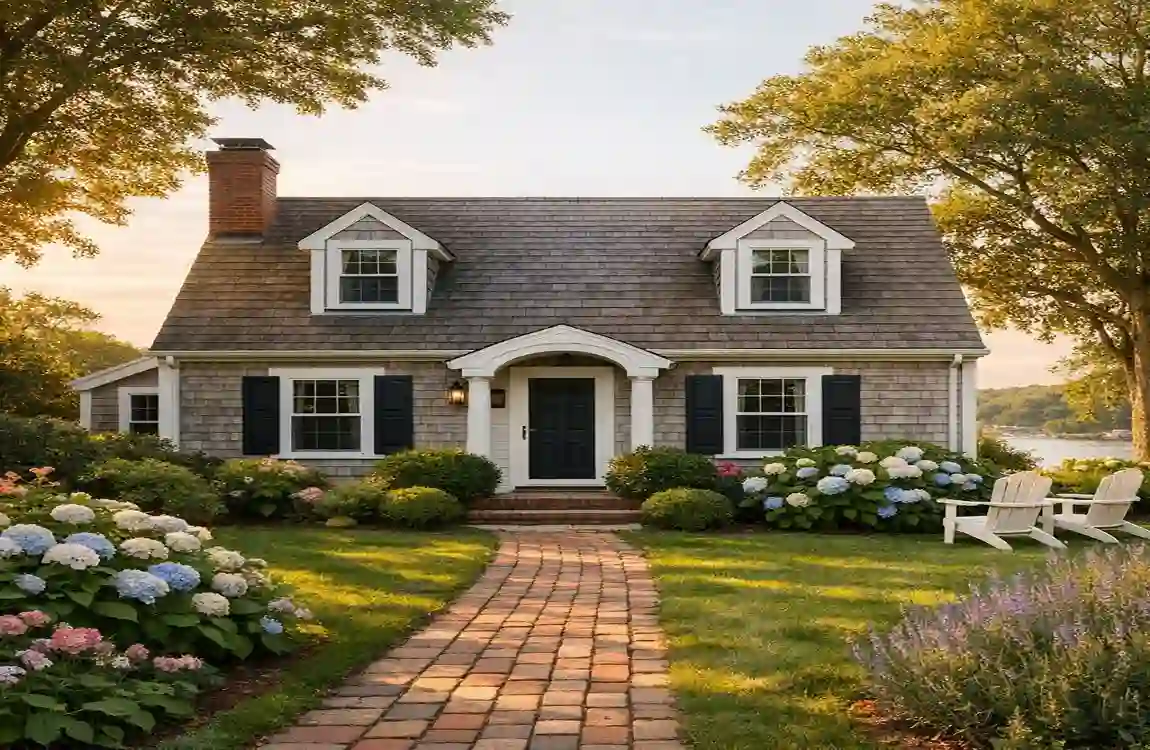
Ideal homeowners
A Cape Cod house may be a great match if you are:
- A first-time buyer
- Part of a small family
- An empty nester
- Someone who likes classic architecture
- A homeowner who wants manageable upkeep
- A buyer who values cozy interiors
These homes are especially appealing if you want a house that feels warm and welcoming without being too large or complicated.
Things to consider before buying
Before you decide, think about these points:
- Budget: Can you afford updates if the house is older?
- Space needs: Do you need a large layout or extra bedrooms?
- Climate: Will the roof style work well where you live?
- Expansion plans: Might you need more space later?
If the home is small but charming, ask whether it can grow with you. Some Cape Cod homes can be expanded, but others may be harder to modify.
A practical choice with character
A Cape Cod house is not just pretty. It is practical. It gives you a home that feels personal, stable, and familiar. That is why it continues to attract so many different kinds of buyers.
Frequently Asked Questions
What is a Cape Cod house?
A Cape Cod house is a simple, symmetrical home style with a steep roof, central front door, dormer windows, and practical interior layouts. It first appeared in colonial America and remains popular today.
Why are Cape Cod houses so popular?
They are popular because they have timeless curb appeal, a cozy atmosphere, and a practical layout. Many homeowners also like that they are relatively easy to maintain.
Are Cape Cod houses expensive to maintain?
They usually have moderate maintenance costs. As with any house, cost depends on age, condition, and updates, but a simple structure can make upkeep easier.
Can a Cape Cod house have two stories?
Traditional Cape Cod homes usually have one or one-and-a-half stories. However, modern versions may include larger additions or full two-story expansions.
What colors look best on a Cape Cod house?
Popular colors include white, gray, beige, soft blue, and muted coastal tones. These colors match the style’s classic and relaxed character.
Are Cape Cod houses good for families?
Yes, many families like them because they are cozy, efficient, and easy to live in. The layout works well for smaller households and people who like a warm, manageable home.
Can Cape Cod homes be renovated easily?
Some can be renovated quite well, especially if the structure is in good condition. However, upper-floor space and roof design may make some changes more difficult than in other home styles.
| Feature | Description |
|---|---|
| Simple Design | Cape Cod houses have a clean, symmetrical design with a rectangular shape. |
| Steep Roof | A steeply pitched roof helps shed rain and snow efficiently. |
| Central Front Door | The front door is usually centered and flanked by evenly spaced windows. |
| Dormer Windows | Many Cape Cod homes feature dormer windows that add light and usable attic space. |
| Wood Siding | Traditional Cape Cod houses often have wood shingles or clapboard siding. |
| One to One-and-a-Half Stories | These homes are typically compact, with living spaces spread over one or one-and-a-half stories. |
| Central Chimney | Original Cape Cod homes commonly include a large central chimney for heating. |
| Efficient Layout | The floor plan is practical and space-efficient, making the home cozy and functional. |
| Timeless Appeal | Their classic architecture and charming appearance remain popular across generations. |
| Easy Maintenance | The simple structure and modest size generally make Cape Cod homes easier and more affordable to maintain. |
