

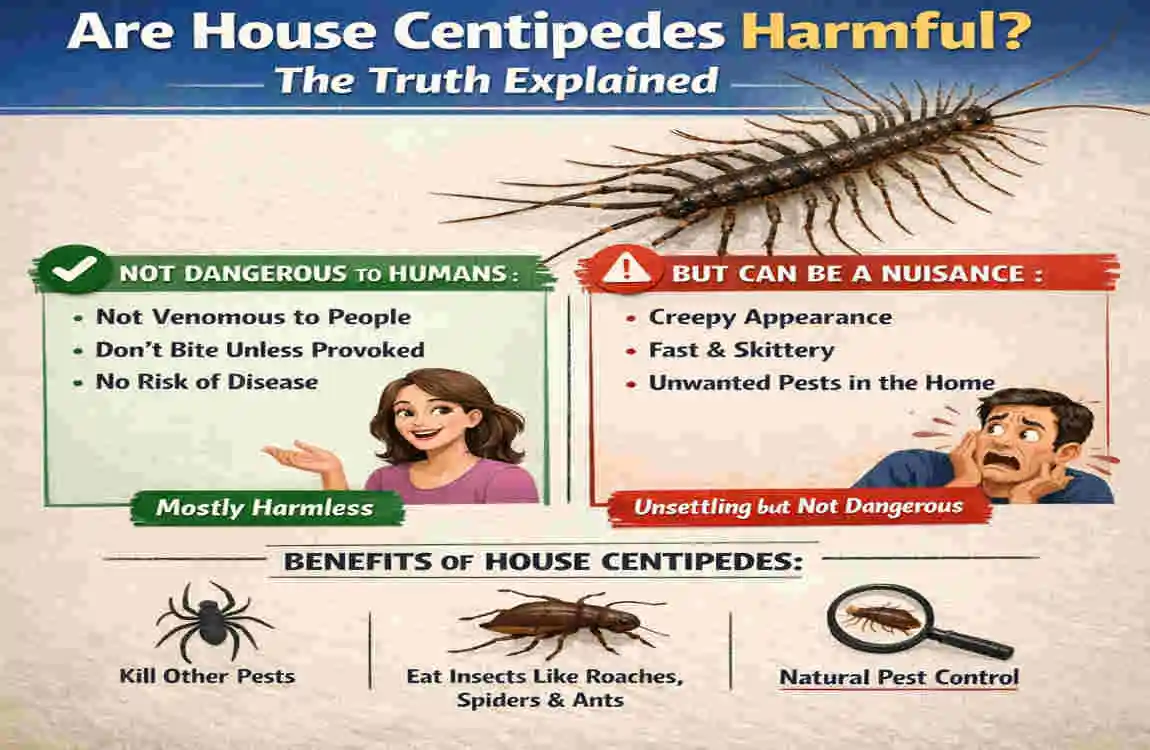
If you have ever seen a house centipede in your home, you probably reacted fast. They move quickly, have many legs, and look a little scary. That is why many homeowners immediately wonder, are house centipedes harmful?
The short answer is usually no. House centipedes may look intimidating, but they are generally not considered dangerous to people or pets. In fact, they often help by eating other unwanted insects around the house.
What Are House Centipedes?
Understanding House Centipede Appearance
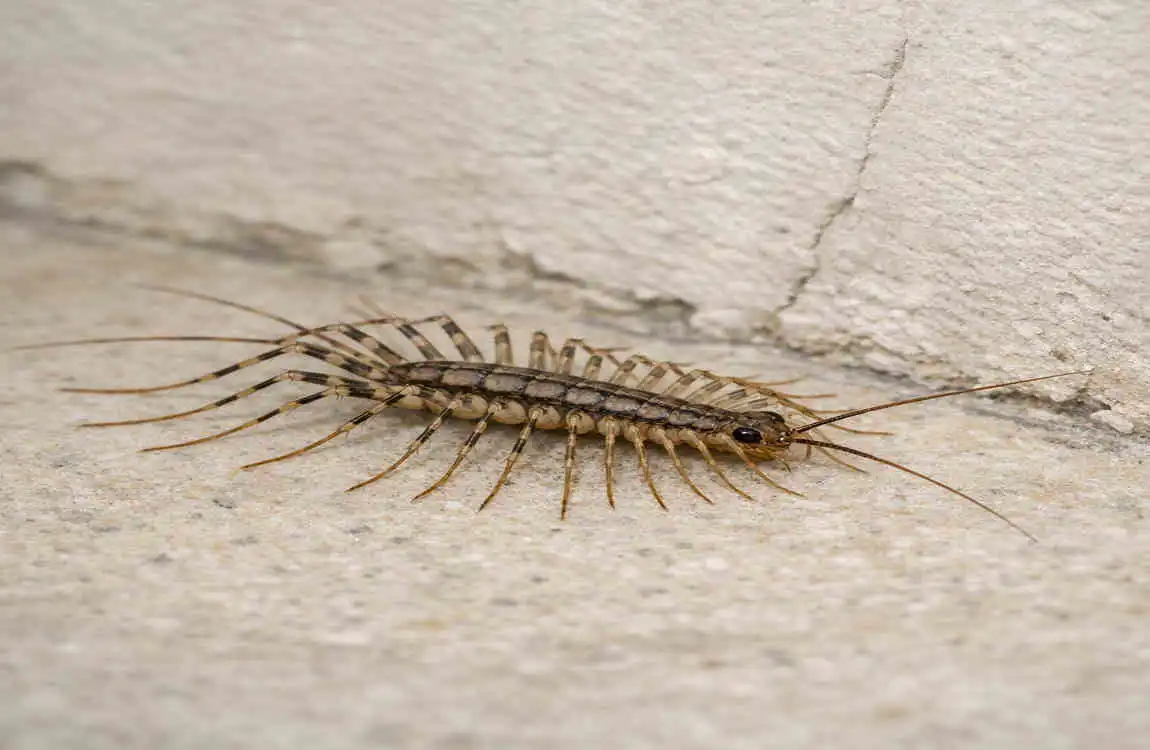
House clean centipedes have a very unusual look. They have a long, thin body, many legs, long antennae, and a fast, sudden way of moving.
That strange appearance is often what makes people nervous. But their looks are more frightening than their behavior. Most of the time, they want to hide, not bother you.
Where Do House Centipedes Live?
House centipedes like dark and damp places. You are most likely to find them in:
- Basements
- Bathrooms
- Kitchens
- Garages
- Dark corners
- Moist areas
These spots give them shelter and easy access to food.
Why Do House Centipedes Enter Homes?
They usually come inside for three main reasons: food, moisture, and shelter. Seasonal changes can also push them indoors.
If your home has moisture problems or small insects nearby, a house centipede may see it as a good place to stay.
Are House Centipedes Harmful to Humans?
The Truth About House Centipede Danger
House centipedes are not considered dangerous household pests. They do not damage furniture, walls, or household items.
They also usually avoid people. If they sense movement, they often run away quickly.
Can House Centipedes Bite Humans?
Yes, they can bite, but it is rare. Their jaws are small, and they usually do not bite unless they feel trapped or are handled.
For most people, the risk is very low.
What Happens If a House Centipede Bites?
If a bite happens, symptoms are usually mild. You may notice:
- Small redness
- Mild pain
- Light swelling
- Temporary irritation
Serious reactions are uncommon. If someone has a strong allergy or unusual reaction, medical help may be needed.
Are House Centipedes Poisonous?
Understanding House Centipede Venom
House clean centipedes do have venom, but they use it to catch small insects, not humans. Their venom is designed for prey such as roaches, ants, and other tiny pests.
That means the venom is not usually a real threat to people.
Who May Need Extra Caution?
Some people should be more careful, especially:
- People with insect bite allergies
- Young children
- Individuals with sensitive skin
Even then, serious problems are still uncommon.
Are House Centipedes Actually Helpful?
House Centipedes as Natural Pest Controllers
This is the part many people do not expect. House centipedes can actually help your home by eating other pests.
They often feed on:
- Cockroaches
- Spiders
- Ants
- Silverfish
- Moths
- Other small insects
So while they may look unpleasant, they can reduce other pest problems.
Why Some Homeowners Keep Them Around
Some people leave house centipedes alone because they act like natural pest control. That means fewer insects without using sprays or chemicals.
If you only see one occasionally, it may actually be helping more than hurting.
Signs You Have House Centipedes in Your Home
Common Signs of an Infestation
You may have a bigger problem if you notice:
- Seeing multiple centipedes regularly
- Finding them in damp areas
- Increased insect activity
- Discovering shed skins
One centipede now and then is normal. Many centipedes usually mean something in the home is attracting them.
Why Too Many House Centipedes Appear
If you keep seeing them, your clean home may have:
- Excess moisture
- Other pest problems
- Cracks and entry points
- Poor ventilation
In other words, the centipedes are often a sign of a bigger issue.
House Centipedes vs Other Dangerous Centipedes
Difference Between House Centipedes and Other Centipedes
Not all centipedes are the same. Some outdoor species can be more aggressive or cause stronger bites.
FeatureHouse CentipedeOther Centipedes
Size Small to medium Can be larger
Behavior Avoids humans May defend itself
Habitat Indoors Outdoor areas
Risk Very low Depends on species
Are House Centipedes More Dangerous Than Spiders?
Usually, no. House centipedes are often less concerning than people think. They even help by eating spiders and other insects.
That makes them more useful than harmful in many cases.
How to Prevent House Centipedes in Your Home
Reduce Moisture Problems
Moisture is one of the biggest reasons centipedes enter homes. If you reduce dampness, you make your home less attractive to them.
Try these steps:
- Fix leaking pipes
- Use dehumidifiers
- Improve bathroom ventilation
- Keep basements dry
Seal Entry Points
House centipedes can enter through tiny gaps. Sealing those openings helps a lot.
Check for:
- Cracks in walls
- Gaps around doors
- Broken window screens
- Open spaces near pipes
Remove Their Food Sources
If there are fewer insects in your clean home, centipedes are less likely to stay.
You can help by:
- Controlling cockroaches and ants
- Storing food properly
- Cleaning hidden areas regularly
How to Safely Remove House Centipedes
Simple Removal Methods
If you find one inside, there are a few safe ways to handle it:
- Use a vacuum cleaner
- Catch and release outdoors
- Use sticky traps
These methods are simple and do not require harsh chemicals.
Should You Kill House Centipedes?
That is a personal choice. Since they are usually harmless and can help control pests, some homeowners prefer to leave them alone.
If they make you uncomfortable, removing them is fine too.
When Should You Call Pest Control?
Signs Professional Help May Be Needed
It may be time to call a pest expert if you see:
- Large numbers of centipedes
- Persistent moisture problems
- Other insect infestations
- Difficulty controlling pests
Benefits of Professional Pest Management
A professional can help find the real cause. They can also treat hidden problem areas and suggest better long-term fixes.
That can be helpful if centipedes keep coming back.
Common Myths About House Centipedes
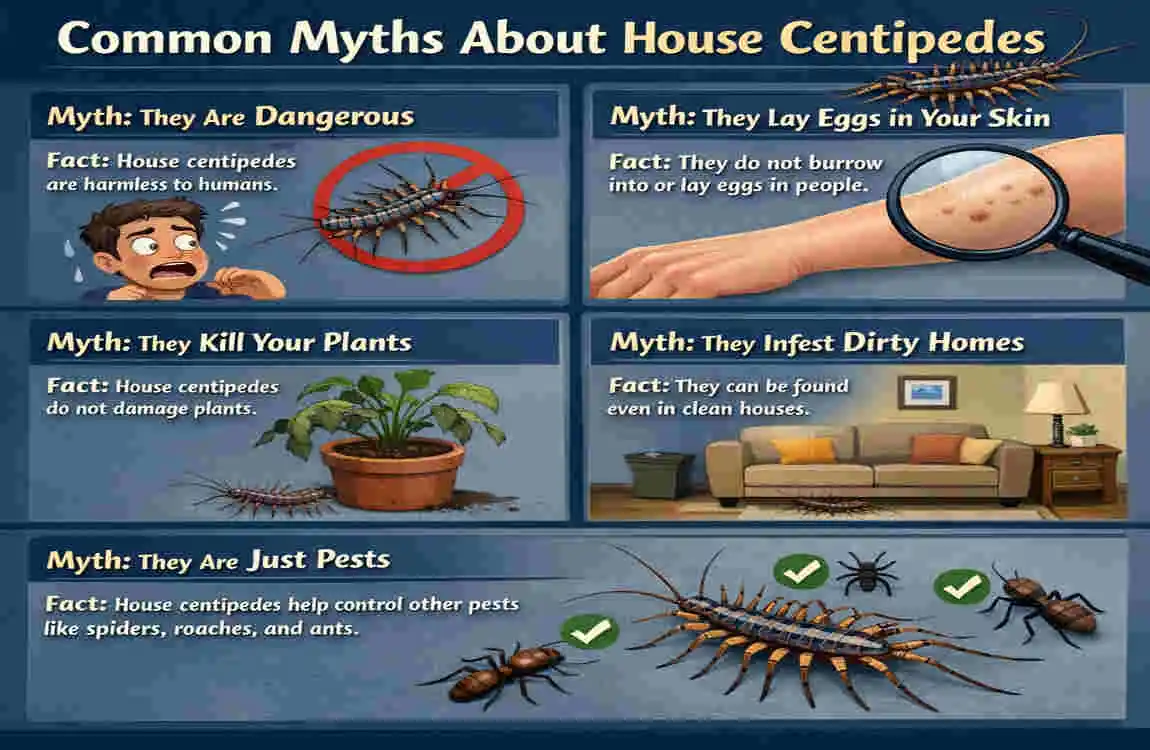
House Centipedes Are Extremely Dangerous
Fact: They rarely harm humans and usually avoid people.
House Centipedes Crawl Into Human Ears
Fact: This is a common myth with no real scientific support.
Every Centipede Is Poisonous
Fact: Most house centipede encounters are harmless.
How to Keep Your Home Pest-Free Naturally
A clean and dry home is the best defense. Focus on basic maintenance to reduce many pest problems, including those caused by house centipedes.
Helpful habits include:
- Keep rooms dry
- Clean storage areas
- Reduce clutter
- Maintain proper sealing
- Inspect dark spaces often
These small steps make a big difference over time.
Frequently Asked Questions
Are house centipedes harmful to humans?
No, they are generally harmless and rarely bite people.
Can house centipedes hurt you?
They can bite in rare cases, but the bite usually causes only mild irritation.
Should I kill house centipedes?
Not always. They help control other household pests naturally.
Why do I keep finding house centipedes?
They are usually attracted by moisture, darkness, and insects.
Are house centipedes poisonous?
They have venom for catching insects, but it is rarely harmful to humans.
How can I get rid of house centipedes permanently?
Reduce moisture, seal cracks, remove insects, and keep your home clean.
Do house centipedes mean my house is dirty?
No. They can appear in clean homes if there is moisture and food for them.
| Topic | Information |
|---|---|
| Are House Centipedes Harmful? | Generally, no. House centipedes are not considered harmful to humans. |
| Scientific Name | Scutigera coleoptrata |
| Appearance | Long, flattened body with 15 pairs of long legs and a yellowish-gray color with dark stripes. |
| Typical Size | About 1–1.5 inches (2.5–4 cm) long. |
| Where They Live | Damp, dark areas such as basements, bathrooms, garages, and crawl spaces. |
| What They Eat | Spiders, cockroaches, ants, silverfish, termites, bed bugs, and other household pests. |
| Can They Bite? | Rarely. They may bite only if handled, and the bite is usually mild, similar to a bee sting. |
| Are They Poisonous? | No. Their venom is meant for catching small insects, not harming people. |
