

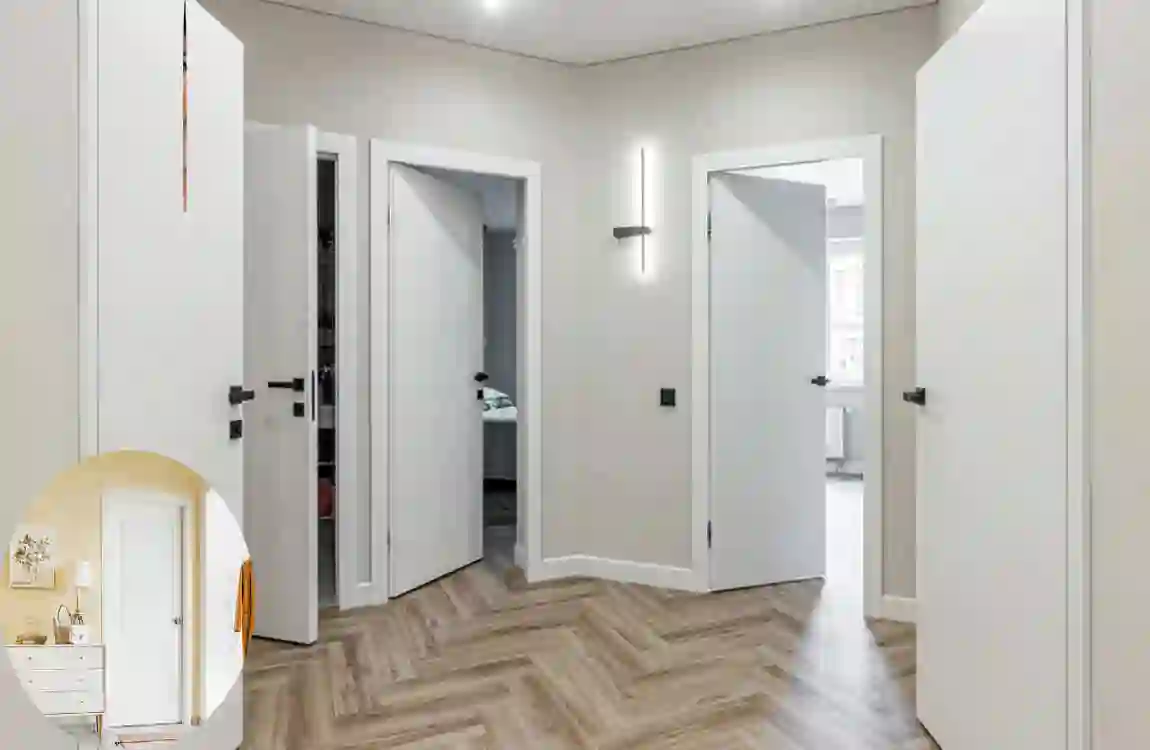
If you’re planning to replace an interior door in your manufactured home, one of the first questions you’ll likely ask is What size are mobile home interior doors? While many homeowners assume all interior doors follow the same standards, mobile homes often use different dimensions than traditional site-built houses.
Mobile homes are built using factory-based construction methods, which often result in unique door sizes and framing systems. Because of these differences, knowing the exact measurements of your existing door can save time, money, and frustration.
Understanding Mobile Home Interior Doors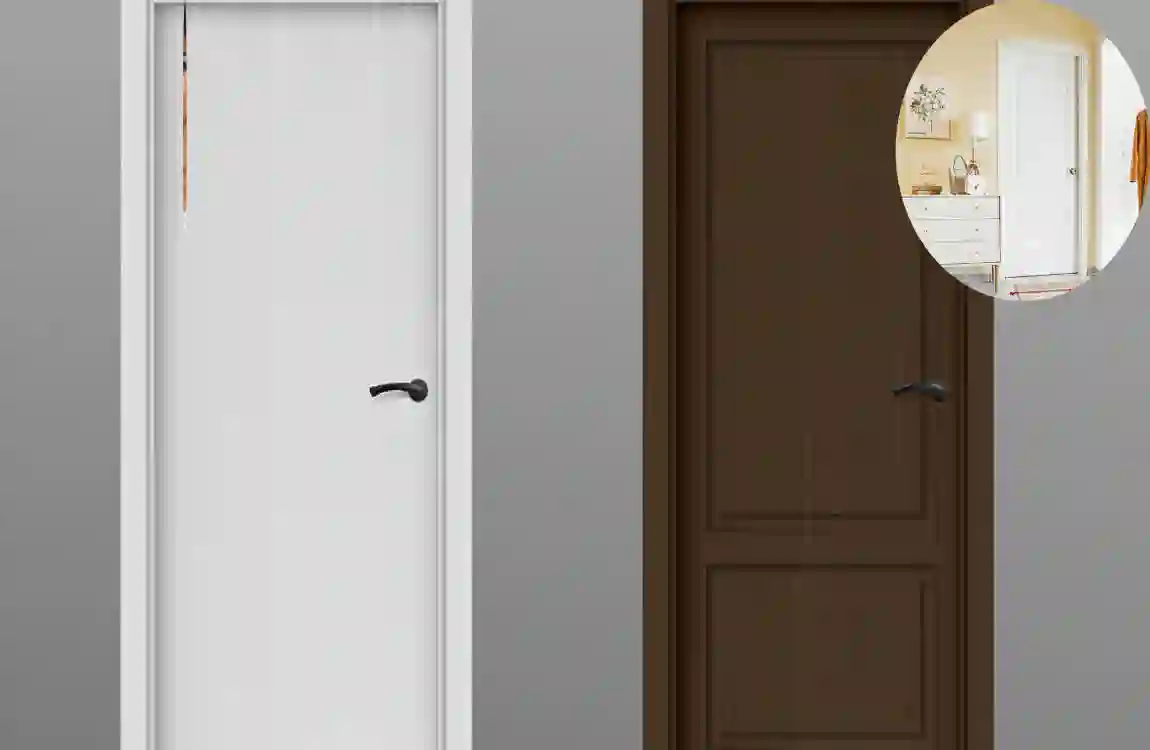
What Makes Mobile Home Doors Different?
Mobile home doors differ from traditional residential doors in several important ways.
Manufactured homes are built in factories and transported to their final locations. To reduce weight, improve efficiency, and lower production costs, manufacturers often use specialised building materials and dimensions.
Unlike site-built homes that generally follow standard residential measurements, manufactured home interior doors may have unique heights, widths, and frame designs. These doors are often lighter and may include thinner frames or hollow-core construction.
Another difference is the installation method. Mobile home door frames are typically designed to fit factory-built wall systems, which can differ significantly from conventional home construction.
Because of these variations, homeowners should never assume that a replacement door from a traditional home improvement store will fit without modifications.
Key Characteristics of Mobile Home Doors
- Often shorter than standard residential doors
- Designed for lightweight construction
- Frequently use specialised frames
- Available in unique dimensions
- Easier to transport and install
Why Door Sizes Matter
Choosing the correct door size affects much more than appearance.
A properly fitted door opens and closes smoothly, provides privacy, and helps maintain energy efficiency. Incorrect sizing can result in sticking, gaps, drafts, and difficulty latching.
Accurate measurements also simplify the replacement process. Instead of modifying frames or trimming doors, you can purchase a product that fits the first time correctly.
Benefits of accurate sizing include:
- Better functionality
- Reduced installation time
- Improved appearance
- Lower replacement costs
- Enhanced energy efficiency
Common Areas Where Interior Doors Are Used
Interior doors serve multiple purposes throughout a mobile home.
Common locations include:
- Bedrooms
- Bathrooms
- Closets
- Utility rooms
- Laundry areas
- Home offices
- Storage spaces
Each area may require a different door width depending on accessibility and room layout.
What Size Are Mobile Home Interior Doors? Standard Dimensions Explained
Most Common Mobile Home Interior Door Sizes
The most common answer to what size mobile home interior doors are is that they typically range from 24 to 36 inches wide and are 78 inches tall.
Door WidthDoor HeightCommon Use
24 inches 78 inches Bathrooms, closets
28 inches 78 inches Bedrooms
30 inches 78 inches Bedrooms, offices
32 inches 78 inches Main interior rooms
34 inches 78 inches Larger openings
36 inches 78 inches Accessibility needs
These dimensions represent the most commonly used mobile home interior door sizes, though custom sizes may also be available.
Standard Mobile Home Door Height
One of the biggest differences between manufactured homes and traditional homes is door height.
Most mobile home interior doors are:
- 78 inches tall
- Sometimes called 6-foot-6 doors
By comparison, standard residential interior doors are typically:
- 80 inches tall
- Also known as 6-foot-8 doors
Manufacturers often use shorter doors to reduce costs, decrease weight, and accommodate lower ceiling heights found in many mobile homes.
Standard Door Thickness
Door thickness is another important measurement.
Common thicknesses include:
- 1⅜ inches (most common)
- 1¾ inches (less common)
Door thickness affects:
- Hardware compatibility
- Frame fit
- Sound insulation
- Durability
Hollow-Core vs Solid-Core Thickness
Both hollow-core and solid-core doors can have similar. Still, solid-core doors are significantly heavier and offer better noise reduction.
Mobile Home Interior Door Sizes vs Traditional Home Door Sizes
Key Differences in Dimensions
When comparing mobile home doors to traditional home doors, several differences become apparent.
The most noticeable difference is height. Standard residential doors are usually 80 inches tall, while many mobile home doors measure 78 inches.
Other differences may include:
- Frame depth
- Door thickness
- Opening dimensions
- Hardware placement
These distinctions make it essential to verify measurements before purchasing replacements.
Why Mobile Homes Often Use Non-Standard Sizes
Several factors contribute to non-standard door dimensions.
Factory Manufacturing Requirements
Manufactured homes are mass-produced in controlled factory environments. Using specific dimensions simplifies production.
Cost Efficiency
Smaller doors require fewer materials, helping manufacturers keep costs down.
Weight Reduction
Lighter doors facilitate easier transportation and installation in the home.
Can Regular Interior Doors Be Used in Mobile Homes?
Sometimes.
A standard residential door may fit if the opening dimensions match. However, modifications are often necessary.
Possible adjustments include:
- Trimming the door
- Modifying the frame
- Adjusting hinges
- Installing new hardware
Before purchasing a traditional door, always compare measurements carefully.
How to Measure a Mobile Home Interior Door Correctly
Tools You Will Need
Gather these tools before measuring:
- Measuring tape
- Pencil
- Notepad
- Level
Accurate measurements begin with proper tools.
Measuring Door Width
Follow these steps:
- Open the door completely.
- Measure across the door slab.
- Measure from one edge to the other.
- Do not include trim or frame components.
- Record the measurement.
Measure in multiple locations for maximum accuracy.
Measuring Door Height
To measure height:
- Close the door.
- Measure from the bottom edge to the top edge.
- Exclude trim and frame material.
- Record the measurement.
Most mobile home doors will measure approximately 78 inches tall.
Measuring Door Thickness
Door thickness is often overlooked but extremely important.
Measure the edge of the door from front to back.
Even small differences can affect:
- Hinges
- Locks
- Door frames
- Installation hardware
Measuring the Rough Opening
The rough opening is the framed space where the door unit fits.
Measure:
- Width between studs
- Height from floor to header
Knowing rough opening dimensions helps determine whether a replacement frame is needed.
Common Measurement Mistakes to Avoid
Avoid these common errors:
- Measuring only one side
- Ignoring frame dimensions
- Guessing measurements
- Forgetting thickness
- Rounding numbers excessively
Accurate measurements are essential when purchasing mobile home replacement doors.
Popular Types of Mobile Home Interior Doors
Hollow-Core Doors
Hollow-core doors are among the most common choices.
Advantages
- Lightweight
- Affordable
- Easy to install
Disadvantages
- Less durable
- Poor sound insulation
- More susceptible to damage
Solid-Core Doors
Solid-core doors provide enhanced performance.
Benefits
- Better sound reduction
- Increased durability
- Premium appearance
Drawbacks
- Higher cost
- Heavier weight
Panel Doors
Panel doors feature decorative recessed sections.
They remain popular because they:
- Offer traditional style
- Increase visual appeal
- Complement many interior designs
Flush Doors
Flush doors have a smooth, flat surface.
Advantages include:
- Modern appearance
- Easy cleaning
- Minimal maintenance
These doors work especially well in contemporary interiors.
Louvered Doors
Louvred doors include angled slats that improve airflow.
Common uses include:
- Laundry rooms
- Utility rooms
- Closets
They help reduce moisture buildup and improve ventilation.
Sliding and Pocket Doors
Space-saving doors are ideal in smaller homes.
Benefits include:
- Reduced swing clearance
- Improved traffic flow
- Efficient use of limited space
Pocket doors slide into wall cavities, while sliding doors move along tracks.
Choosing the Right Replacement Mobile Home Interior Door
Consider Room Function
Different rooms have different requirements.
Bedrooms often benefit from doors that provide privacy and sound control.
Bathrooms should resist moisture and humidity.
Storage areas may prioritise affordability over appearance.
Match Existing Measurements
Always verify:
- Width
- Height
- Thickness
- Swing direction
Matching exact measurements helps avoid installation problems.
Consider Material Options
Wood
Provides natural beauty and durability.
Composite
Offers affordability and stability.
MDF
Smooth surface and easy painting.
Vinyl
Resists moisture and requires little maintenance.
Evaluate Energy Efficiency
Although interior doors don’t impact energy efficiency as much as exterior doors, proper fit still matters.
Well-fitted doors help:
- Maintain room temperatures
- Reduce drafts
- Improve comfort
Think About Style and Appearance
Choose a design that complements your home’s interior.
Popular styles include:
- Traditional panel doors
- Modern flush doors
- Farmhouse-inspired designs
- Contemporary minimalist options
Common Problems When Replacing Mobile Home Interior Doors
Difficulty Finding Exact Sizes
Many homeowners struggle to locate exact replacements.
Since some sizes are unique to manufactured homes, local stores may have limited inventory.
Special ordering may be required.
Frame Compatibility Issues
Existing frames can create challenges.
Problems may include:
- Uneven openings
- Damaged jambs
- Non-standard dimensions
Sometimes replacing the frame is the best solution.
Door Swing Problems
Door-handling matters.
Determine whether your door is:
- Left-hand
- Right-hand
- Left-hand reverse
- Right-hand reverse
Choosing the wrong swing can affect usability.
Alignment and Installation Challenges
Older mobile homes sometimes settle over time.
This can cause:
- Doors sticking
- Uneven gaps
- Latch problems
Adjustments may be necessary during installation.
Where to Buy Mobile Home Interior Doors
Mobile Home Supply Stores
These stores specialise in manufactured housing products.
Advantages include:
- Better size selection
- Expert knowledge
- Specialized inventory
Home Improvement Retailers
Large retailers offer convenience and competitive pricing.
However, they may have fewer non-standard sizes available.
Online Door Suppliers
Online shopping provides:
- Wider selection
- Easy comparison
- Convenient ordering
Always verify dimensions before purchasing.
Custom Door Manufacturers
For unusual openings, custom manufacturers may be the best option.
Benefits include:
- Exact sizing
- Customized designs
- Specialty materials
The tradeoff is usually a higher cost.
Cost of Mobile Home Interior Doors
Average Door Prices by Type
Door Type Average Cost Range
Hollow-Core $30–$100
Flush Door $40–$120
Panel Door $60–$200
Solid-Core $100–$400
Custom Door $200–$800+
Prices vary based on material, size, and manufacturer.
Installation Costs
DIY installation can significantly reduce expenses.
Professional installation generally costs:
- $75 to $300 per door
- Higher for frame modifications
Labour costs depend on complexity and local rates.
Factors That Affect Pricing
Several variables influence cost:
- Material type
- Door size
- Brand reputation
- Hardware quality
- Customization requirements
- Installation complexity
Tips for Maintaining Mobile Home Interior Doors
Regular Cleaning
Clean doors regularly using:
- Mild soap
- Soft cloth
- Non-abrasive cleaners
Avoid excessive moisture.
Checking Hinges and Hardware
Inspect hardware periodically.
Tighten loose screws and lubricate hinges to ensure smooth operation.
Addressing Moisture Issues
Bathrooms and laundry rooms often experience humidity.
Use ventilation fans and wipe away moisture to prevent damage.
Repainting and Refinishing
Refreshing a door’s finish can extend its lifespan.
Benefits include:
- Improved appearance
- Enhanced protection
- Increased durability
Regular refinishing keeps doors looking new for years.
Mobile Home Interior Door Replacement Checklist
Before You Buy
Complete the following checklist:
- Measure width
- Measure height
- Measure thickness
- Verify swing direction
- Check frame condition
Before Installation
Prepare by:
- Gathering tools
- Inspecting the new door
- Cleaning the opening
- Reviewing instructions
After Installation
Verify:
- Proper alignment
- Smooth operation
- Secure hardware
- Accurate latch engagement
A final inspection helps ensure long-term performance.
Frequently Asked Questions
What size are mobile home interior doors?
Most mobile home interior doors range from 24 to 36 inches wide and are commonly 78 inches tall.
Are mobile home interior doors shorter than regular doors?
Yes. Many mobile home interior doors are 78 inches tall, while standard residential doors are typically 80 inches tall.
Can I replace a mobile home door with a standard door?
In some situations, yes. However, modifications to the frame or opening may be required to achieve a proper fit.
How do I measure a mobile home interior door?
Measure the width, height, thickness, and rough opening carefully. Accurate measurements help ensure a successful replacement.
What is the most common size for a mobile home bedroom door?
A 30-inch-by-78-inch door is one of the most common sizes used for mobile home bedrooms.
Where can I buy replacement mobile home interior doors?
You can purchase replacement doors from mobile home supply stores, home improvement retailers, online suppliers, and custom door manufacturers.
| Door Type | Common Widths | Common Height | Typical Thickness | Common Use |
|---|---|---|---|---|
| Bedroom Door | 24″, 28″, 30″, 32″ | 78″–80″ | 1⅜” | Bedrooms and living areas |
| Bathroom Door | 24″, 28″, 30″ | 78″–80″ | 1⅜” | Bathrooms and powder rooms |
| Closet Door | 18″, 24″, 30″ | 78″–80″ | 1⅜” | Closets and storage spaces |
| Pocket Door | 24″, 28″, 30″ | 78″–80″ | 1⅜” | Space-saving room dividers |
| Bi-Fold Door | 24″, 30″, 36″ | 78″–80″ | 1⅜” | Closets and utility areas |
