

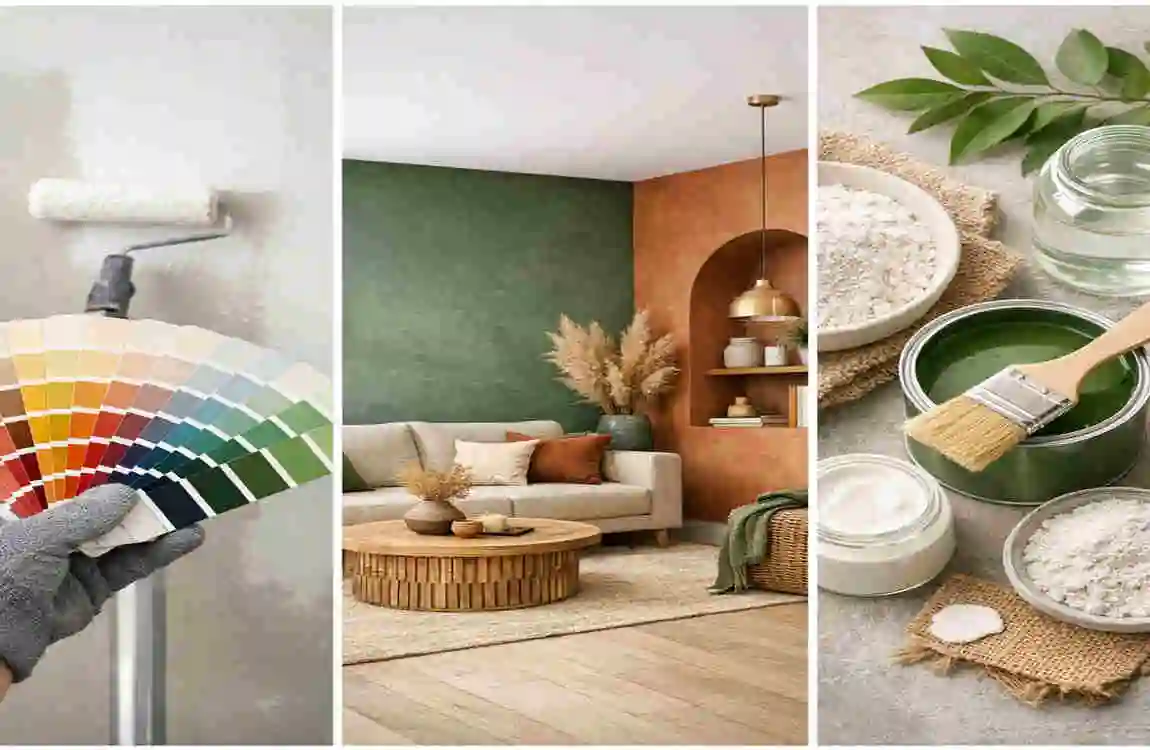
Have you ever stood in the middle of a room, staring at faded, peeling, or just plain boring walls, and felt completely overwhelmed? You are certainly not alone. In fact, recent studies suggest that nearly 80% of homeowners regret their paint choice within the first year of application. Whether it’s a colour that looks different under your LED lights or a finish that shows every kid’s fingerprint, picking the wrong product is a common—and expensive—headache.
Choosing the right house wall paint isn’t just about picking a pretty colour from a tiny swatch. It is a decision that impacts your home’s resale value, your daily mood, and how much time you’ll spend scrubbing walls in the future. According to 2025 home improvement reports, a fresh, high-quality paint job offers one of the highest returns on investment among minor home renovations.
Understanding Your House Walls: Key Factors Before Buying Paint
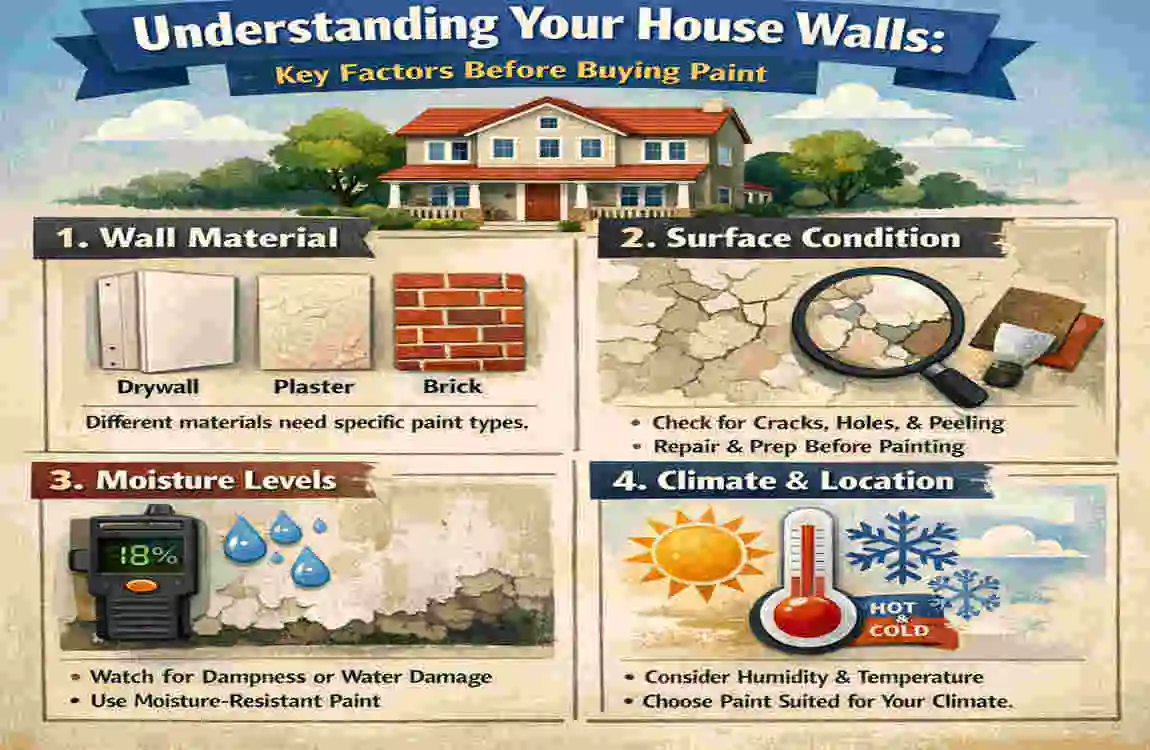
Before you even step foot in a paint store, you need to play detective. Not all walls are created equal, and the material hiding under that old coat of paint dictates what you should buy next. If you ignore the “bones” of your home, even the most expensive premium paint will fail.
Identifying Your Wall Material
Are your walls made of plaster, drywall, brick, or wood? This is the first question you must answer. Drywall is the most common in modern homes and is relatively easy to paint. However, if you live in an older home with plaster walls, you need a paint that can “breathe” a bit more.
If you are dealing with exposed brick or masonry, you can’t just slap on a standard latex paint and expect it to last. These porous surfaces require specific sealants and breathable coatings to prevent moisture from becoming trapped, which can lead to bubbling and peeling.
Room-Specific Needs and Traffic
Think about how you use each room. Your kitchen and hallways are high-traffic zones. They are the “highways” of your home where bags bump against walls, and greasy steam settles on surfaces. For these areas, you need a paint that is tough and scrubbable.
On the flip side, your main bedroom or a home office doesn’t see much action. Here, you can prioritise aesthetics and a velvety “matte” look over pure durability. Matching the paint’s strength to the room’s lifestyle is the secret to a long-lasting finish.
Climate Considerations: The Lahore and Punjab Factor
If you are living in regions like Lahore or across the Punjab, you know the climate is no joke. The intense humidity of the monsoon season, followed by the dry, dusty winters, creates a harsh environment for house wall paint.
High humidity can prevent paint from drying correctly, leading to a “tacky” feel that attracts dust. In these areas, you should look for paints with anti-fungal properties and high moisture resistance. This prevents that dreaded black mould from creeping up your beautiful walls during the rainy season.
Budgeting for Success
It is tempting to grab the cheapest bucket on the shelf, but in the world of paint, you truly get what you pay for. Premium paints have more “solids” (the stuff that stays on the wall) and less liquid. This means you only need two coats of a premium brand, rather than four coats of a budget brand.
Paint Tier Average Cost (per sqm)Best Use Case Expected Lifespan
Entry-Level Low Rental properties, ceilings 2–3 Years
Mid-Range Moderate Guest rooms, low-traffic areas, 5–7 Years
Premium High Kitchens, kids’ rooms, exteriors, 10+ Years
Eco-Friendly Premium Nurseries, bedrooms, eco-homes 8–10 Years
Step-by-Step Guide: How to Choose Paint for House Walls Like a Pro
Now that you understand your environment, let’s get into the nitty-gritty of the selection process. Follow these steps to ensure you don’t end up in that 80% of people who regret their choice.
Assess Sheen and Finish
The “sheen” refers to how much light the paint surface reflects. It’s a sliding scale from no shine to high shine.
- Matte/Flat: This finish hides imperfections like a dream. If your walls have bumps or old patches, matte will mask them. However, it’s the hardest to clean.
- Eggshell: This is the “Goldilocks” of finishes. It has a subtle sheen, is more durable than matte, and works perfectly for living rooms.
- Satin: With a velvety glow, satin is excellent for high-traffic areas like kids’ rooms because you can actually wipe it down.
- Semi-Gloss and Gloss: These are the toughest finishes. Use them for trim, baseboards, and bathrooms where moisture is a constant factor.
Pick the Perfect Base and Quality
Most modern house wall paint falls into two categories: water-based (latex) or oil-based.
For 90% of indoor projects, water-based latex paint is the winner. It dries fast, doesn’t smell like a chemical factory, and is easy to clean up with just soap and water. Oil-based paints are usually reserved for high-moisture areas or professional-grade wood finishing because they take a long time to dry but create a rock-hard surface.
Test Samples on Your Actual Walls
Never, ever choose a colour based on a 2-inch paper swatch in a store. The lighting in a retail shop is very different from that in your home.
Factor in Primer and Prep Work
You might think you can skip the primer to save money, but that is a mistake. Primer acts as the glue between your wall and the new paint.
If you are painting a light colour over a dark one, or painting a brand-new wall, a primer is mandatory. It ensures the colour stays true and prevents the wall from “drinking” your expensive paint, which would require more coats anyway.
Top Durability Tips for Long-Lasting House Wall Paint
When we talk about the best paint for walls, we are really talking about durability. You want your walls to look as good in year five as they did on day one.
Look for Scrubbable Formulas
In 2026, paint technology has advanced significantly. Many top-tier brands now offer “scrubbable” technology. This doesn’t just mean you can wipe it; it means the paint film is tough enough to withstand a soft scrub brush and mild detergent without losing its colour or sheen. This is a lifesaver if you have pets or young artists who like to draw on walls.
Mildew and Mould Resistance
Especially in humid climates, your paint needs to be a shield. Look for labels that mention antimicrobial or mildew-resistant properties. These paints contain additives that prevent spores from adhering to the surface. It’s an essential feature for bathrooms, kitchens, and any exterior-facing wall.
Real-World “Drop” Tests
Before committing to a brand, look for reviews that perform “stain tests.” How does the paint react to a coffee splash or a muddy paw print? High-quality house wall paint creates a non-porous barrier that prevents stains from soaking into the wall fibres.
Maintenance Hacks to Extend Paint Life
- Dust your walls: Use a microfiber cloth every few months. Dust can actually “stain” paint over time if it settles into the texture.
- Touch up early: Keep a small mason jar of your wall paint on hand. If you see a tiny chip, fix it immediately to prevent moisture from seeping under the paint.
- Ventilation is key: Always run your exhaust fans in the bathroom or kitchen. Reducing air moisture is the best way to prevent paint from peeling.
Colour Trends: Transform Your House Walls with Style
Colour is where the magic happens! For 2026, the trend is moving away from the “all-white everything” look and heading toward warmth, personality, and nature-inspired palettes.
The Rise of Earthy Neutrals
Forget the cold, clinical greys of the last decade. The 2026 colour trends are all about “Greige” (grey-beige), warm oaks, and soft mushroom tones. These colours make a room feel cosy and grounded. They work beautifully with natural wood furniture and indoor plants.
Bold Terracottas and Deep Greens
We are seeing a massive surge in bold, saturated colours used as accent walls or even as full-room colours. Deep forest greens and burnt terracottas bring the outdoors inside. These colours are scientifically proven to lower stress levels and create a “sanctuary” vibe in bedrooms and reading nooks.
The Psychology of Colour
When you are deciding how to choose paint for house wall colours, think about how you want to feel:
- Blue: Calm, focus, and productivity (Great for offices).
- Yellow: Energy, happiness, and appetite (Great for kitchens).
- Soft Pink/Lavender: Relaxation and sleep (Great for nurseries).
- Deep Red: Conversation and excitement (Great for dining rooms).
Eco-Friendly Finishes: Sustainable Paint Choices for Modern Homes
In 2026, being “green” isn’t just a trend; it’s a responsibility. Traditional paints often emit Volatile Organic Compounds (VOCs), the chemicals responsible for that “new paint smell.” These gases can cause headaches and are not great for the environment.
Zero-VOC and Low-VOC Paints
The best modern paints are now Zero-VOC. These are virtually odourless so that you can sleep in a freshly painted room the very same night. This is a game-changer for families with infants, elderly members, or anyone with respiratory conditions such as asthma.
Bio-Paints and Recycled Materials
We are now seeing the rise of plant-based paints. These are made from things like linseed oil, soy, and even recycled minerals. While they can be slightly more expensive, the health benefits and the reduced carbon footprint make them a fantastic investment for the conscious homeowner.
Look for the Certifications
When shopping for eco-friendly house wall paint, look for the GreenGuard Gold or EcoLogo certifications. These labels prove that the product has been rigorously tested for chemical emissions. It’s the easiest way to ensure your home remains a healthy environment for your loved ones.
Common Mistakes to Avoid When Choosing House Wall Paint
Even with the best intentions, it is easy to slip up. Here are the most common pitfalls we see homeowners fall into:
- Ignoring the Undertones: A white paint isn’t just white. It can have blue, yellow, or pink undertones. If you put a “warm white” next to “cool blue” furniture, the wall might look dirty or yellowed.
- Skimping on the Quantity: There is nothing worse than running out of paint when you are 90% finished. Always buy 10% more than your calculated square footage to account for spills and touch-ups.
- Using the Wrong Tools: You can buy the most expensive paint in the world, but if you use a cheap, 1-dollar brush, your walls will have streaks. Invest in high-quality rollers and brushes for a smooth, professional finish.
- Painting in the Dark: Never paint at night or under poor lighting. You will miss spots and won’t see the true colour until the next morning, usually leading to an unhappy surprise.
Recommended Products and Where to Buy
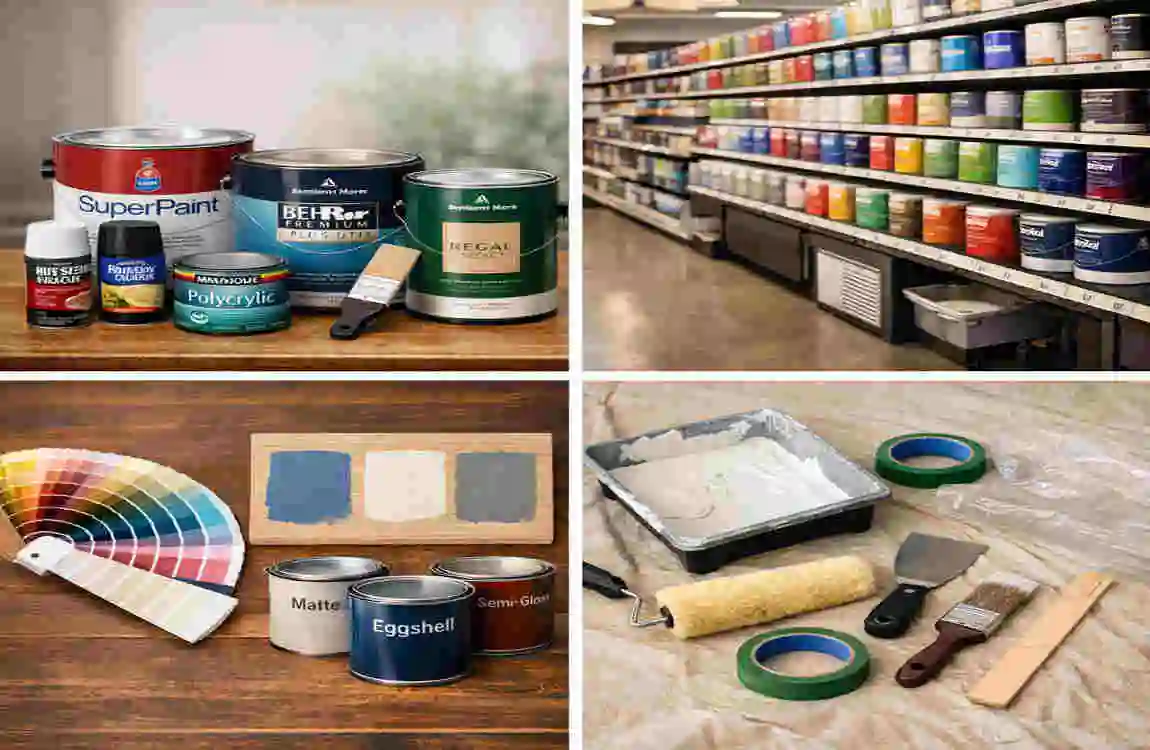
If you are looking for the best performance in 2026, certain brands consistently lead the pack.
- For Durability: Look at Dulux Diamond or Nippon Paint’s Spot-less range. These are specifically engineered to repel stains and withstand heavy cleaning.
- For Colour Variety: Jotun offers some of the most beautiful palettes in the market, especially their “Fenomastic” line, which provides incredible colour depth.
- For Eco-Conscious Buyers: Seek out local retailers that stock Zero-VOC lines. Many premium brands now have a dedicated “Green” version of their flagship products.
In Lahore and across Punjab, you can find these at major hardware hubs or through official brand outlets. Many of these retailers now offer digital colour matching—you can bring in a piece of fabric or a photo, and they can mix a custom batch of house wall paint just for you!
This comprehensive FAQ guide is designed to complement your expertise as a real estate agent and home decor enthusiast. Whether you are advising a client on staging a property for sale or looking for content for homeimprovementcast.co.uk, these detailed answers cover everything a homeowner needs to know about how to choose paint for house wall surfaces.
The Ultimate FAQ Guide: How to Choose the Best Paint for Your House Walls
Choosing the right paint is often the most stressful part of a home renovation. As a real estate professional, I’ve seen how a single coat of the wrong color can make a room feel cramped, while the right choice can add thousands to a property’s market value.
In this guide, we break down the most common questions homeowners ask when trying to navigate the endless aisles of the paint store. We’ll look at everything from durability and sheen to the eco-friendly innovations of 2026.
The Basics of Choosing Paint
What is the most important factor when choosing house wall paint?
The most important factor is the function of the room. Before you pick a color, you must decide how the room will be used. A kitchen needs a paint that can handle grease and frequent scrubbing, while a master bedroom can prioritize a soft, velvet-like appearance.
If you choose a beautiful color but the wrong “type” of paint, it won’t last. For high-traffic areas, always look for “washable” or “scrubbable” labels. This ensures that your investment stays looking fresh for years rather than months.
How do I know if I need water-based or oil-based paint?
In 2026, water-based (latex) paint is the standard for almost all interior house walls. It is much easier to work with, dries quickly, and has a lower chemical odor.
Oil-based paints are generally reserved for high-moisture areas or surfaces that take a lot of physical abuse, like wooden floorboards or metal trim. However, for your standard drywall or plaster walls, water-based is the way to go because it allows the walls to “breathe” slightly, reducing the risk of bubbles.
Does the brand of paint really matter?
Yes, quality matters significantly. Premium paint brands contain more “volume solids” (the pigments and resins that stay on the wall).
While a budget paint might be 70% water, a premium paint is packed with high-quality ingredients. This means you get better coverage in fewer coats, saving you time and labor costs. From a real estate perspective, premium paint also provides a more “expensive” finish that buyers can immediately notice.Understanding Sheens and Finishes
What is the difference between Matte, Satin, and Gloss?
The “sheen” of a paint refers to how much light it reflects. This choice affects both the look of the room and how easy it is to clean.
Which finish is best for hiding wall imperfections?
If your walls are older or have been patched multiple times, you should choose a Matte or Flat finish. Because these paints do not reflect light, the shadows created by bumps and dips in the wall become invisible.
As a real estate tip, using a matte finish in older homes is a great way to “cheat” a flawless look without the high cost of re-plastering the entire room.
How do I choose a color that won’t go out of style?
For a timeless look that appeals to everyone, stick to earthy neutrals. In 2026, we are seeing a shift toward “warm” neutrals like mushroom, sand, and terracotta-tinted beiges.
If you are painting to sell a house, neutral colors are essential because they allow potential buyers to imagine their own furniture in the space. You can always add “pops” of color through decor, which is much easier to change than a wall.
Why does my paint look different on the wall than it did in the store?
This is due to metamerism, which is how light affects our perception of color. Retail stores use bright fluorescent lights that are much “cooler” than the warm LED or halogen bulbs used in homes.
Additionally, natural sunlight changes throughout the day. A gray paint might look blue in the morning light and green in the evening. This is why you must always test a sample on your actual wall before buying a full gallon.
Do I really need to use a primer?
In most cases, yes. Think of primer as the “glue” for your paint. You absolutely need a primer if:
- You are painting over a darker color with a lighter one.
- The wall is brand new (fresh drywall or plaster).
- The surface is glossy or has stains (like water spots or smoke damage).
Skipping the primer often leads to the paint peeling off in sheets later, or the old color “bleeding” through, requiring you to buy even more paint.
How much paint do I need to buy?
A general rule of thumb is that one gallon of paint covers about 350 to 400 square feet.
What tools are essential for a professional finish?
Don’t settle for the cheapest brushes. A high-quality paint job requires the right gear.
Are eco-friendly paints more expensive?
While they used to carry a heavy price tag, the gap has closed significantly. In 2026, many eco-friendly finishes are competitively priced with premium standard paints. When you factor in the health benefits and the lack of toxic fumes, the “cost” is actually much lower in the long run.
