

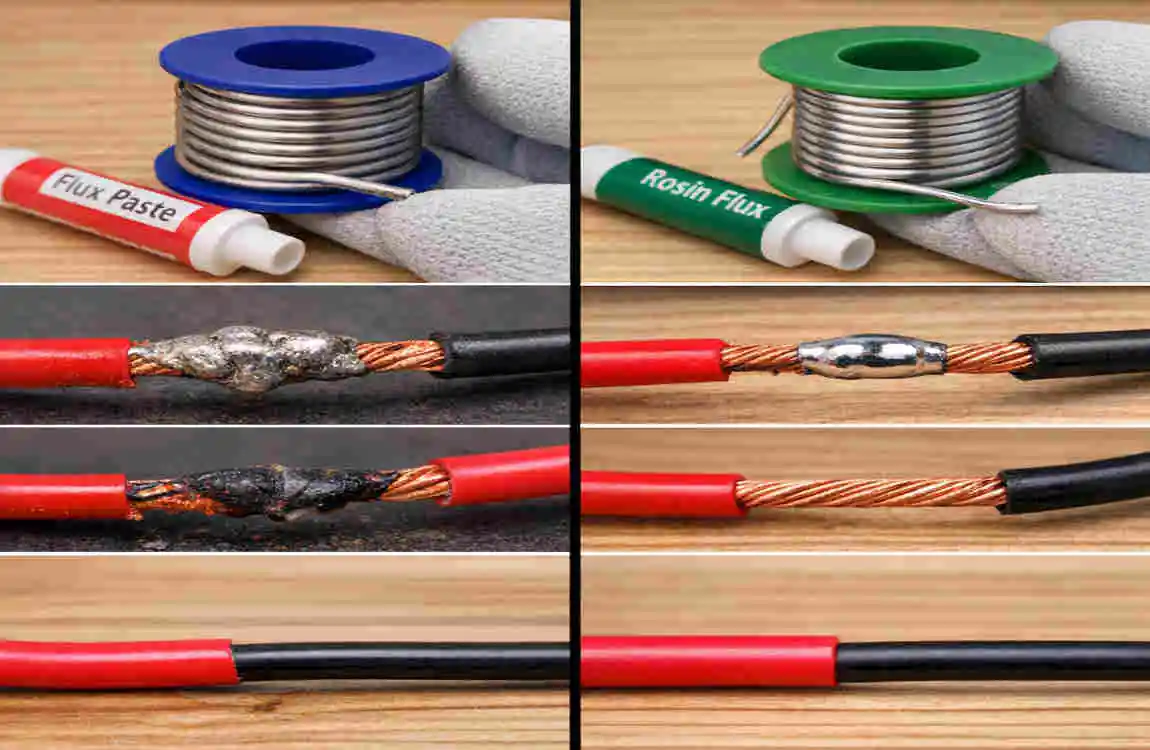
That difference matters because electrical connections need clean conductivity, reliable bonding, and low corrosion risk. Plumbing solder is designed for pipes, water flow, and plumbing joints, not wires, terminals, or circuit boards.
If you are doing electrical repairs, it is always better to use solder made for electrical applications. It gives you a safer, cleaner, and more dependable result.
What Is Plumbing Solder?
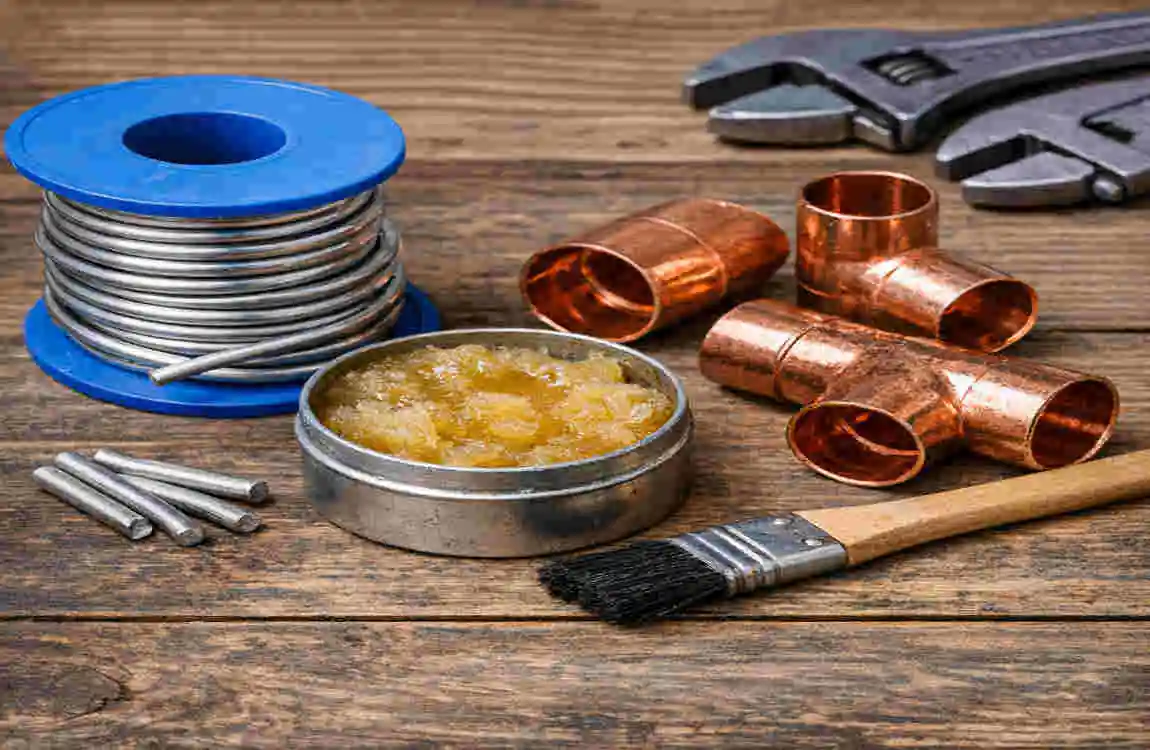
A solder made for pipes and joints
Plumbing solder is mainly used to join copper pipes and other plumbing parts. It helps create a watertight seal, so water does not leak from the joint.
This type of solder is built for heat, pipe fittings, and mechanical strength. It is not designed for electrical performance.
Common plumbing solder materials
Plumbing solder may come in different compositions, often including tin and other metals. Some older types may contain lead, while newer ones are often lead-free.
The exact mix matters because it affects how the solder melts, flows, and bonds. But none of that changes the fact that it is meant for plumbing, not electrical wiring.
Why flux matters in plumbing solder
Plumbing solder usually uses plumbing flux, which cleans pipe surfaces and lets the solder flow properly. That flux is fine for pipes, but it may leave residue that is not ideal for electrical parts.
Best use case
Plumbing solder is best for:
- Copper pipe joints
- Water line repairs
- Plumbing fittings
It is not the right choice for wire splices, terminals, or sensitive electronics.
What Is Electrical Solder?
Made for wires and electronics
Electrical solder is designed for wires, terminals, circuit boards, and small electrical parts. It forms a strong, conductive joint that supports current flow.
This matters because electrical connections must stay stable over time. A weak joint can cause heat, resistance, or failure.
Common types of electrical solder
Electrical solder may be:
- Lead-free solder
- Traditional lead-based solder
- Flux-core solder
Each type has its own uses, but all are designed for electrical work.
Why clean joints matter
Electrical work depends on good contact and low resistance. If the solder joint is poor, current may not flow properly. That can create performance problems or safety risks.
Flux in electrical solder
Electrical solder often uses electronics-safe flux. This matters because it helps the solder bond without leaving harmful residue.
For delicate work, the wrong flux can cause long-term damage, especially on circuit boards or other sensitive parts.
Plumbing Solder vs. Electrical Solder: Key Differences
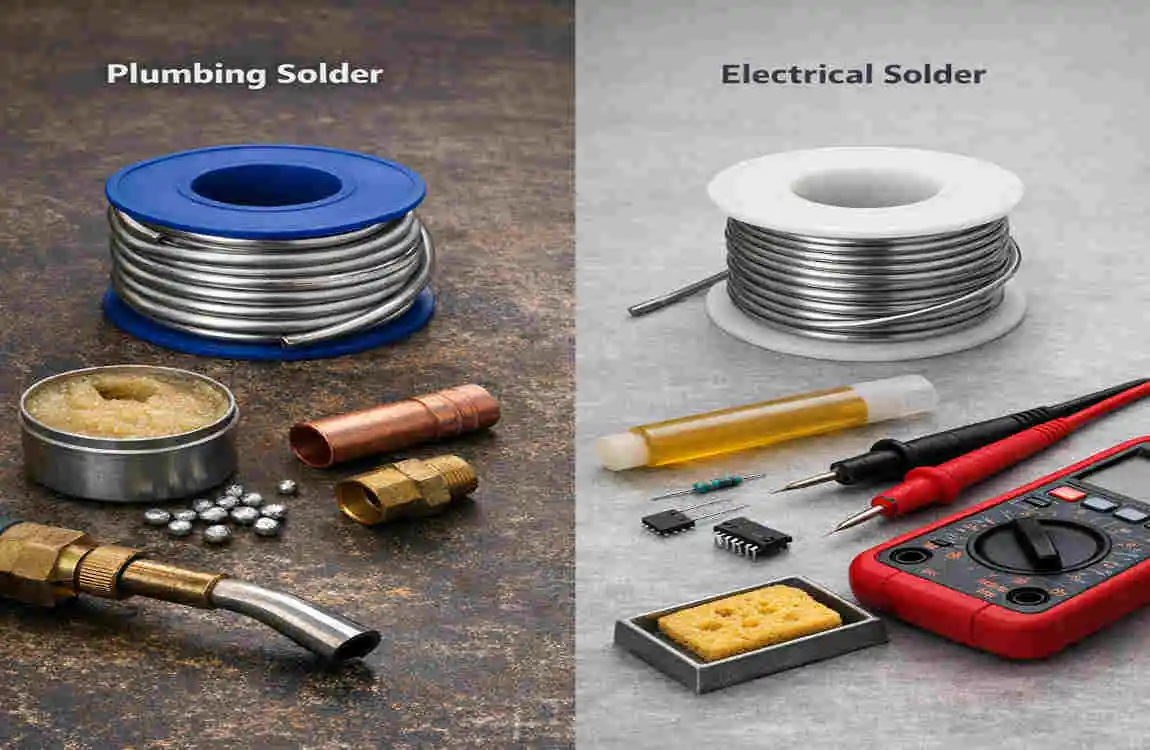
The main differences
The biggest differences are purpose, flux, residue, and reliability. Plumbing solder is made for pipe joints. Electrical solder is made for connections that carry current.
Here is a simple comparison:
FeaturePlumbing SolderElectrical Solder
Main use Pipes and plumbing Wires and electronics
Typical application Copper pipe joints Electrical connections
Flux considerations Plumbing-specific Electrical/electronics-specific
Electronics use Generally unsuitable Designed for electrical work
Best choice Plumbing repairs Electrical repairs
Composition and melting behavior
Plumbing solder and electrical solder may melt at similar temperatures, but that does not mean they work the same way. The real issue is how they behave in the joint and what residue they leave behind.
Flux and residue
Plumbing flux is not ideal for electrical work because it can leave behind residue that may cause corrosion or poor performance over time. Electrical solder is made to avoid those problems as much as possible.
Safety and reliability
A plumbing joint can tolerate different conditions than an electrical joint. Electrical joints must stay clean, stable, and conductive. That is why the correct solder matters so much.
What Happens If You Use Plumbing Solder on Electrical?
Possible conductivity problems
If you use the wrong solder, the connection may not conduct electricity as well as it should. That can lead to weak signals, overheating, or unreliable performance.
Corrosion risk
Some plumbing fluxes are too harsh for electrical use. They can leave residue that attracts moisture or causes corrosion over time. That may damage wires or terminals later.
Weak or unstable joints
A solder joint that looks fine at first can still fail later if it was not made with the right material. Electrical work needs long-term reliability, not just a good-looking finish.
Why sensitive electronics are at higher risk
Small electronics are especially vulnerable. A poor solder choice can damage circuits, create false contacts, or reduce the device’s lifespan.
Safety reminder
Always follow proper safety steps for electrical repairs. Turn off power first, check the circuit carefully, and use the correct tools for the job.
What Solder Should You Use for Electrical Repairs?
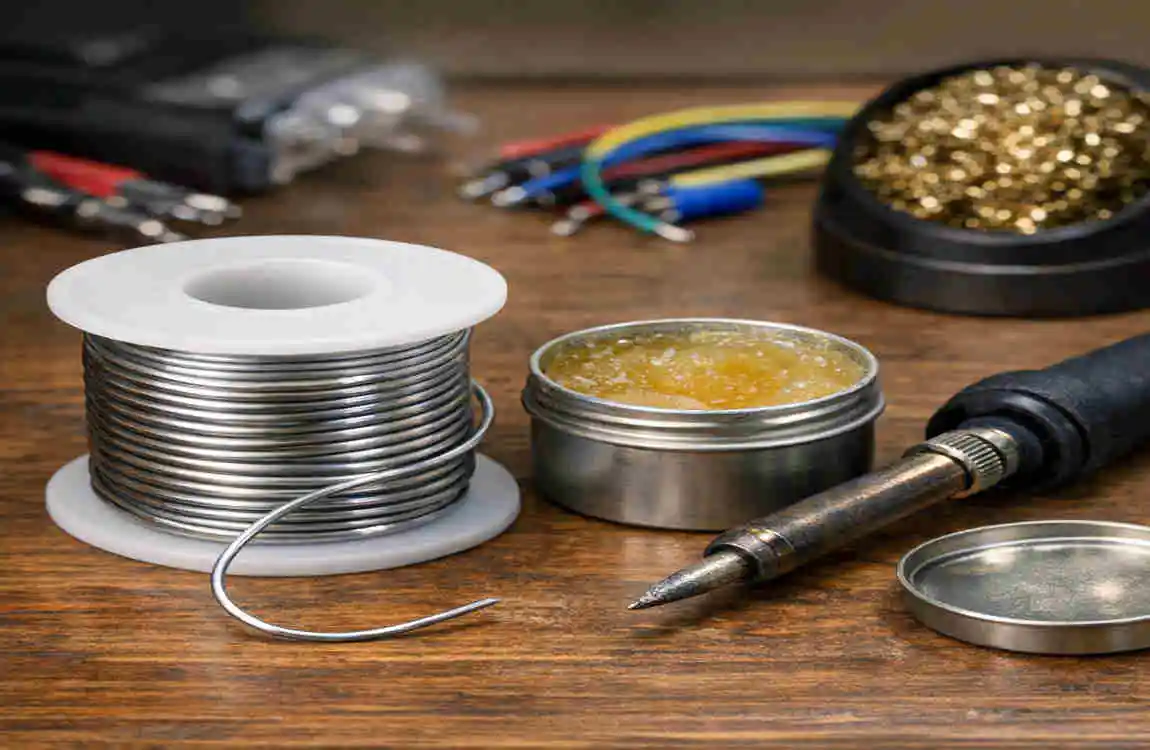
Choose solder made for electrical work.
For wires, terminals, and small electrical repairs, use electrical-grade solder. That is the safest and most reliable choice.
Lead-free vs. lead-based solder
Both types are used in electrical work, but each has trade-offs:
- Lead-free solder is often preferred for modern safety and environmental reasons.
- Lead-based solder can be easier to work with in some cases, but it should be handled carefully.
The right choice depends on the project, the device, and local rules.
Solder size matters too.
Solder diameter affects how easy it is to control. Thin solder works well for small electrical jobs. Thicker solder may be better for heavier wiring.
Flux-core solder can help.
Flux-core solder is useful because it already includes the right flux for the job. That makes the process easier and helps create a cleaner joint.
Basic tools you may need
A simple electrical soldering setup may include:
- Soldering iron
- Wire cutters
- Heat-shrink tubing
- Electrical-grade solder
- Helping hands or clamps
A simple safe process
A proper electrical solder joint should be made by:
- Cleaning the wire or terminal
- Heating the connection properly
- Applying the correct solder
- Letting the joint cool without movement
- Insulating the connection afterward
If the repair feels beyond your skill level, call a professional electrician.
FAQ: Can You Use Plumbing Solder on Electrical?
Can you use plumbing solder on electrical wires?
It is not recommended. Plumbing solder and flux aren’t designed for electrical reliability.
What is the difference between plumbing solder and electrical solder?
Plumbing solder is made for pipes and water joints. Electrical solder is made for wires, terminals, and circuits.
Can plumbing flux damage electrical connections?
Yes, it can leave residue that may lead to corrosion or poor performance over time.
Is lead-free solder better for electrical repairs?
It can be a good choice, especially for modern projects. The best option depends on the job and the equipment.
What solder is best for copper electrical wires?
Use electrical-grade solder designed for wire connections and electronic work.
Can you use electrical solder for plumbing?
Usually, no. Plumbing jobs should use solder and flux made for pipe fittings and water systems.
| Question | Short Answer |
|---|---|
| Can plumbing solder be used for electrical repairs? | Generally, no. Use solder specifically designed for electrical/electronic work. |
| Why not? | Plumbing solder may contain acid-based flux, which can corrode electrical connections. |
| What should you use? | Electrical rosin-core solder for many wiring and electronics applications. |
| Can plumbing solder conduct electricity? | The metal itself can conduct electricity, but the flux residue can damage connections. |
| Best practice | Choose solder and flux recommended for the specific electrical application. |
| Safety tip | Turn off power before repairing wiring and follow local electrical codes. |
