

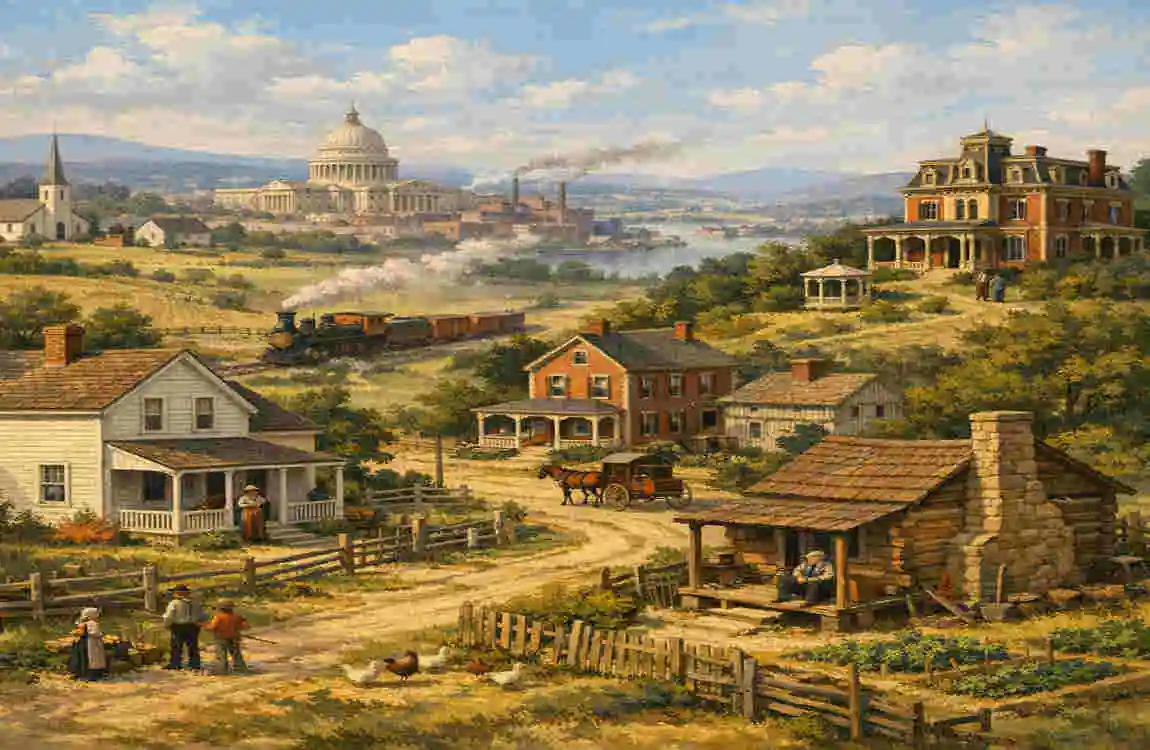
If you have ever wondered how much a house cost in 1880, the answer depends on where the home was, how big it was, and what it was made of. In the late 19th century, houses were much cheaper in dollar terms than they are today, but wages were also far lower.
That makes historical housing a little tricky to understand. A home that looked affordable on paper could still take years to buy. At the same time, land was often cheaper, and many families built homes with local materials and labour.
How Much Did a House Cost in 1880?
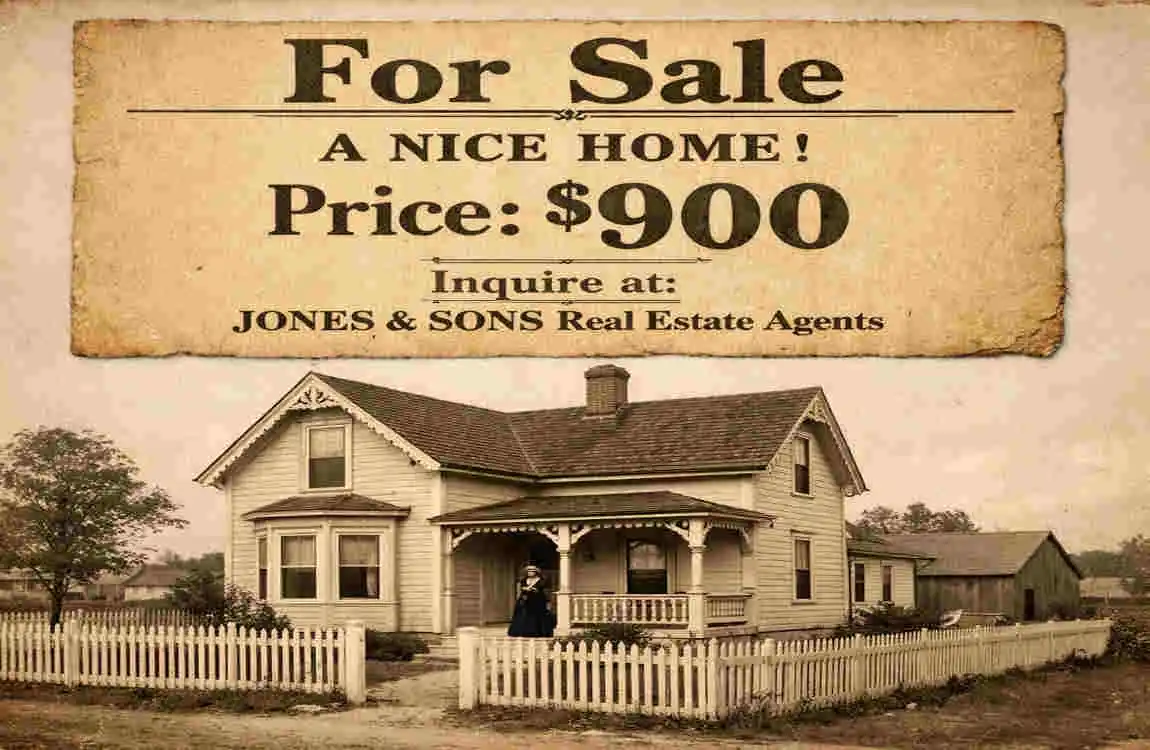
Average Home Price in 1880
The average house cost in 1880 was often somewhere between $500 and $3,000 for many standard homes, though prices could go much higher for larger or more stylish properties.
A small rural house could be quite inexpensive. A home in a growing city, on the other hand, usually cost more because land and labour were more expensive there.
So when people ask how much a house cost in 1880, the real answer is that there was no single price. It depended on the property type and location.
What Could You Buy?
With the prices of that era, buyers could find several kinds of homes.
- Small cottages for modest families
- Farmhouses for rural living
- Townhouses in growing cities
- Luxury Victorian houses for wealthy buyers
A cottage might be simple and functional. A Victorian house, by contrast, could be large, decorative, and far more expensive.
Factors That Influenced House Prices in 1880
Location
Location mattered then just as it does now. Homes in cities usually cost more because people wanted to live near jobs, shops, and transportation.
In small towns, prices were often lower. On farmland, housing could be even more affordable, especially if the family already owned the land.
Size and Construction
A house with more rooms naturally cost more. Bigger homes needed more lumber, more labour, and more time to build.
Construction style also mattered. A simple wooden house cost less than a detailed Victorian home with carved trim, fancy porches, and complex rooflines.
Availability of Land
Land prices varied a lot in the 1880s. In areas of western expansion, land was often more available and sometimes cheaper than in older eastern cities.
That meant a family might buy a house and land together for a price that seems very low by today’s standards. But land ownership also depended on location, settlement patterns, and local opportunity.
Average Income in 1880
Typical Annual Wages
To understand how much a house cost in 1880, you also need to know what people earned.
Many workers made only $300 to $600 a year. Some farm workers earned less in cash but received food or housing. Skilled labourers and artisans could earn more, but income remained modest by modern standards.
That means even a home priced at $800 or $1,200 could represent several years of income.
Home Affordability
Homes were not “cheap” in the way people sometimes imagine. A house could cost only a few hundred dollars, but that was still a major purchase.
Families often saved for a long time, bought land slowly, or built houses in stages. Affordability was tied to patience, community help, and local resources.
Home Buying Process in 1880
Cash Purchases
Cash purchases were common in some areas. Many families saved money and bought land or a house without modern-style financing.
This made the process slower, but it also reduced dependence on banks.
Mortgages and Financing
Mortgages did exist in 1880, but they were not as common or as flexible as they are today. Loans often came with shorter terms, larger down payments, and stricter conditions.
That meant not everyone could borrow easily. Many buyers still relied on personal savings or family help.
Property Deeds
Property ownership was usually recorded through deeds. These documents showed who owned the land and home.
The legal process was simpler than modern real estate transactions, but it still mattered a lot. A deed gave the buyer proof of ownership and helped settle disputes.
Popular House Styles in 1880
Victorian Homes
Victorian homes were among the most admired houses of the time. They often had decorative trim, tall windows, and detailed woodwork.
These houses were usually more expensive because they required more craftsmanship and materials.
Farmhouses
Farmhouses were practical, simple, and built for daily life. They were common in rural areas and usually had open space around them.
Many farmhouses were designed to be useful rather than fancy.
Italianate Homes
Italianate homes were stylish and popular in some regions. They often featured wide eaves, tall narrow windows, and a graceful look.
These homes were usually found in towns or better-off neighbourhoods.
Cottage Designs
Cottages were smaller homes that worked well for modest families. They were one of the more affordable options in 1880.
Simple cottages are a good example of how much a house cost in 1880 could vary widely depending on size and style.
Building a House in 1880
Construction Costs
Building a home in 1880 was often cheaper than buying a highly finished house, especially if the family already owned land.
Still, the cost depended on materials, labour, and design. A plain wooden home cost far less than a detailed brick or ornate Victorian house.
Labor Expenses
Labour was a major part of the price. Local artisans, carpenters, and masons were hired to build homes.
Because the work was manual, construction took longer and depended heavily on skill.
Common Building Materials
Builders in 1880 often used materials such as:
- Wood
- Brick
- Stone
- Handmade nails
- Lime plaster
Local materials were often used when possible. That helped keep some costs down.
Home Prices by Region
Northeast
In the Northeast, especially in older cities, homes often cost more. Population density and established neighbourhoods pushed prices upward.
Midwest
The Midwest usually had more affordable land and housing. Many families moved there because of farming opportunities and expanding towns.
Southern States
In the South, prices varied widely depending on the local economy, recovery after the Civil War, and rural land availability.
Western Frontier
The West offered land opportunities, but settlement was still developing in many areas. Housing could be cheap in some places and difficult to obtain in others.
How 1880 Home Prices Compare to Today
Inflation Comparison
A house that cost a few thousand dollars in 1880 would be worth much more in today’s dollars after inflation. But raw price alone does not tell the full story.
You must also think about wages, land access, and modern construction standards.
Buying Power
Today, homes cost much more in dollar terms, but people also earn much more. The real challenge now is not just the sticker price. It is the gap between home prices and income.
Changes in Affordability
In 1880, modern homes were often smaller, simpler, and built with local materials. Today’s homes are larger, more regulated, and equipped with modern utilities.
That means modern housing is more expensive to build and maintain.
Interesting Facts About Housing in 1880
Some facts help paint a clearer picture of home life in that era.
- Indoor plumbing was uncommon
- Electricity was rare
- Coal and wood heating were normal
- Larger families shared fewer bedrooms
- Local craftsmen built many homes
These details remind us that homes in 1880 were very different from the ones we live in now.
Pros and Cons of Buying a Home in 1880
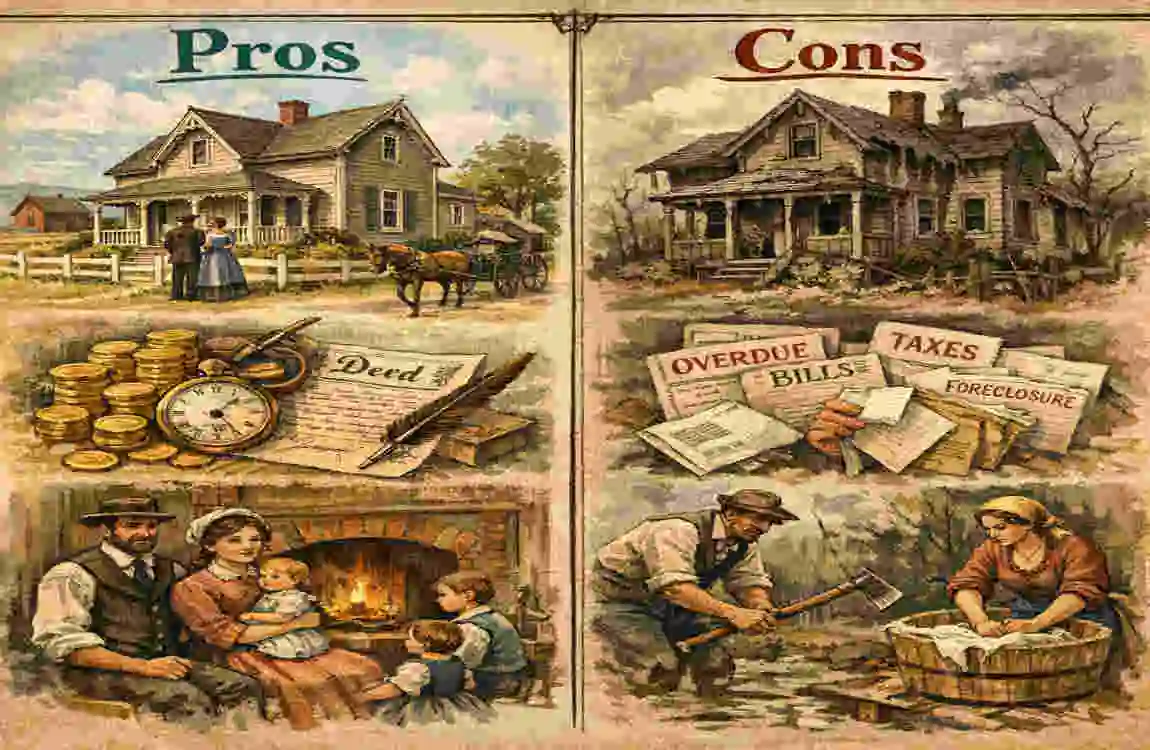
Pros
- Lower purchase prices
- Affordable land in many areas
- Large property sizes
- Simple ownership in rural places
Cons
- Limited utilities
- Manual construction
- Few financing options
- More time and labour needed to build
So while the numbers may look attractive, living in 1880 came with many practical limits.
Estimated 1880 Home Prices
Home Type Average Price (1880)Typical Size Common Location
Small Cottage $400–$800 2–4 rooms Rural towns
Farmhouse $800–$1,500 Medium Farming areas
Townhouse $1,500–$3,000 Large Cities
Victorian Home $3,000–$10,000+ Luxury Wealthy neighbourhoods
This table gives a simple picture of how much a house cost in 1880 across different home types.
Frequently Asked Questions (FAQ)
How much did a house cost in 1880?
Most homes typically cost between $500 and $3,000, depending on location, size, and construction quality.
What was the average salary in 1880?
Many workers earned roughly $300–$600 per year, though income varied by job and region.
Were mortgages available in 1880?
Yes, but they were less common and often came with larger down payments and shorter terms.
What was the most common house style in 1880?
Victorian, farmhouse, Cottage, and Italianate homes were among the most popular styles.
Why were houses cheaper in 1880?
Lower land costs, cheaper labour, and simpler construction methods helped keep prices lower.
How do 1880 home prices compare with today?
Prices were much lower in dollars, but affordability must be measured against wages and inflation too.
| Category | Information |
|---|---|
| Average Home Price (1880) | Approximately $2,000–$5,000 for a typical U.S. home, depending on location and size. |
| Average Annual Income | Around $350–$500 per year for many workers, making homeownership a long-term investment. |
| Home Size | Most homes ranged from 800–2,000 square feet and were built with wood or brick. |
| Popular Home Styles | Victorian, Italianate, Second Empire, Gothic Revival, and Queen Anne. |
| Construction Materials | Primarily wood, brick, stone, and slate roofing. |
| Modern Value Equivalent | A $3,000 home in 1880 would equal roughly $90,000–$100,000+ in today’s purchasing power (approximate inflation adjustment). |
| Utilities | Indoor plumbing and electricity were uncommon; many homes relied on wells, outhouses, fireplaces, and oil lamps. |
| Location Impact | Homes in growing cities like New York, Boston, and Chicago were significantly more expensive than rural properties. |
| Mortgage Availability | Mortgages existed but usually required large down payments and had shorter repayment terms than modern loans. |
| Historical Significance | The 1880s marked rapid urban growth and the expansion of railroads, increasing housing demand across the United States. |
