

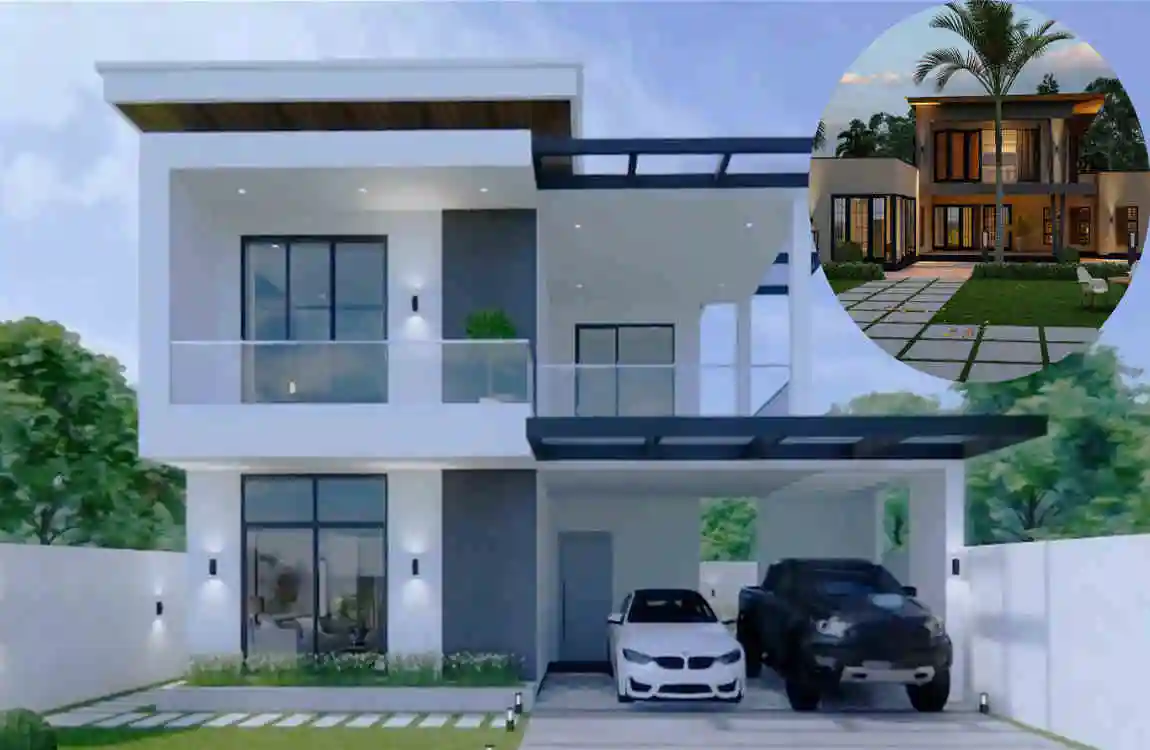
Ever wondered how tall is a 2 storey house when planning your dream home? Whether you’re sketching floor plans, browsing listings, or considering renovations, understanding the typical height of a 2 storey house is essential. On average, a 2 storey house stands around 20 to 25 feet (6 to 7.6 meters) tall. This seemingly simple measurement impacts everything from curb appeal to local regulations and your home’s overall functionality.
Knowing the answer to “how tall is a 2 storey house” helps homeowners, builders, and designers make informed decisions. For instance, height influences everything from room proportions and roof design, to how your home fits into a neighborhood and complies with local building codes. If you’re planning renovations or building anew, accurate height knowledge can also affect your budget, construction timeline, and even your long-term energy efficiency.
Understanding 2-Storey House Basics
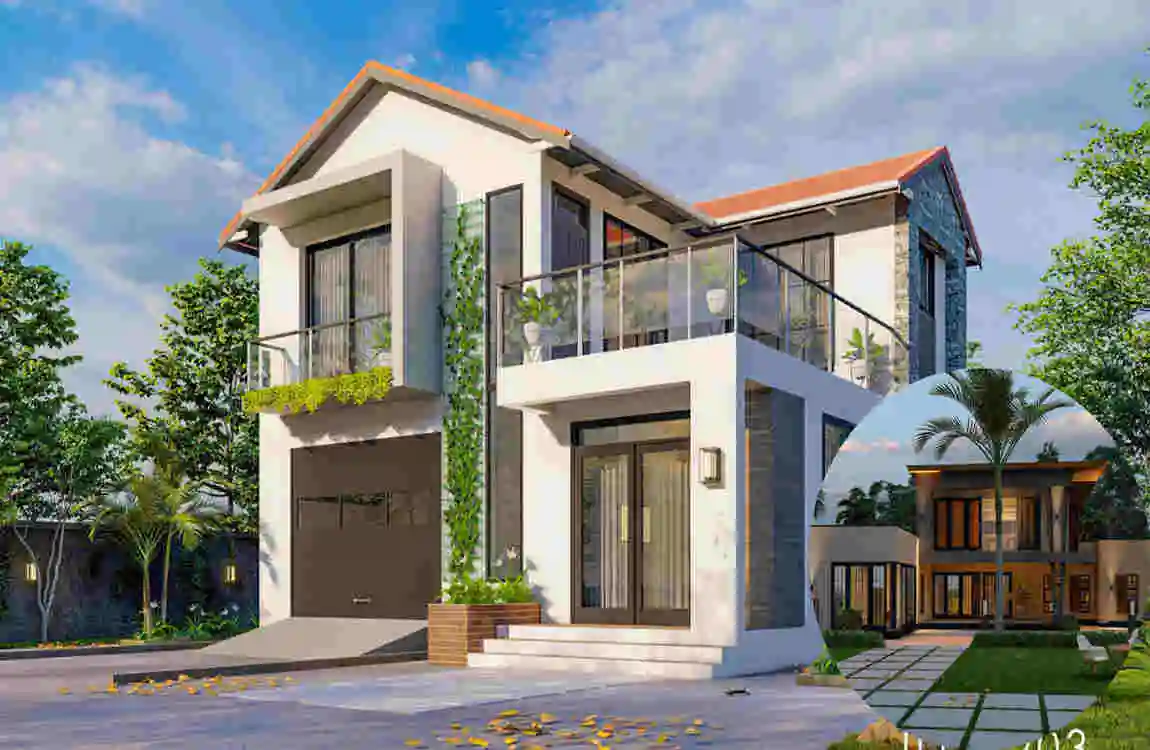
When someone talks about a 2 storey house, they’re referring to a building with two above-ground floors. This definition excludes basements or attics that aren’t considered full stories. Let’s break down what actually contributes to the height of a 2 storey house:
Key Components of Height
Each part of the house adds to the total measurement. Here’s a quick look at the main components:
- Foundation: The base of your home, which could be a slab, crawlspace, or basement.
- Ground Floor: The first living level, usually with its own ceiling.
- 1st Floor Structure: The support (joists and beams) between levels.
- Second Floor: The upper living space.
- Roof: The structure covering the house, which can add significant height depending on its design.:
| Component | Typical Height | Notes |
|---|---|---|
| Ground to 1st Floor Ceiling | 8-10 ft | Standard is 8 ft |
| 1st Floor Structure | 1 ft | Joists and beams |
| 2nd Floor Ceiling | 8-9 ft | Vaulted ceilings add height |
| Roof Peak | 4-8 ft | Depends on roof pitch/design |
| Total Average | 20-25 ft | Varies by region and style |
Why Heights Vary
Not all 2 storey houses are created equal. Variations in ceiling height, roof pitch, and even foundation type mean one house could be several feet taller than another—even if both are called “2 storey house.” Regional building codes, personal preferences, and architectural trends play huge roles here.
For example, a home with vaulted ceilings or a steep roof pitch easily exceeds the average. Meanwhile, homes in areas with strict height restrictions may be designed to stay just under the legal maximum.
Understanding these components gives you a better foundation (pun intended!) for your home project or renovation.
Average Height of a 2 Storey House
So, let’s answer the big question—how tall is a 2 storey house? While the average falls between 20 and 25 feet, there’s a bit of nuance behind these numbers.
Standard Heights: Quick Facts
- Basic 2 Storey House: ~22 feet
(8 ft ceilings x 2 + 1 ft floor structure + 5 ft roof) - Upscale or Custom: Up to 25–30 feet
(9 ft ceilings, luxury features, or steeply pitched roof)
United States
- Typical Range: 18–25 feet
Most suburban 2 storey homes fit within this range. - Luxury Builds: Up to 30 feet
Especially in neighborhoods with fewer zoning restrictions.
United Kingdom
- Standard Range: 5.5–7.6 meters (~18–25 feet)
The UK’s Building Regulations (Part L) recommend 2.5–3m per storey, plus roof.
Other Regions
- Europe: 6–7.5 meters (20–24.5 feet)
Eurocode standards apply, but local practices can differ. - Asia & Australia: Similar ranges, often with unique roof styles influencing peak height.
Real-World Examples
- Standard Suburban Home (US):
8 ft (1st floor) + 1 ft (floor structure) + 8 ft (2nd floor) + 5 ft (roof) = 22 feet - Modern Luxury Home:
9 ft (1st floor) + 1 ft (structure) + 9 ft (2nd floor) + 6 ft (steep roof) = 25 feet - UK Semi-Detached:
2.6 m (1st) + 0.3 m (structure) + 2.6 m (2nd) + 1.5 m (roof) ≈ 7 meters (~23 feet)
Why the Range Matters
- Estimate renovation budgets
- Check local compliance
- Visualize your home’s fit with neighbors
If you’re planning a build, knowing the average height of a 2 storey house helps streamline your process and avoid surprises!
Building Standards & Regulations
When building or renovating, it’s crucial to adhere to local building codes and zoning laws. These rules ensure safety, consistency, and neighborhood compatibility.
United States
- International Residential Code (IRC):
Minimum ceiling height is 7.5 ft per floor. - Local Zoning Laws:
Many municipalities limit total home height to 30–35 feet.
United Kingdom
- Part L Building Regulations:
Recommend 2.5–3m per storey (about 8–10 feet). - Height Limits:
Many local councils impose maximums, especially in conservation areas.
Europe & Australia
- Eurocode:
Standard floor-to-ceiling height is 2.5 meters (about 8.2 feet). - Regional Variations:
Coastal or flood-prone regions may require higher foundations.
Typical Regulatory Requirements
- Minimum ceiling height: 7.5–8 feet (2.3–2.5 meters)
- Maximum building height: 30–35 feet (9–10.5 meters) in many suburbs
- Foundation height: Flood zones or sloped lots may add 1–8 feet
- Roof design restrictions: Some neighborhoods limit roof pitch or materials
Table: Building Code Comparison
| Region | Ceiling Height | Max Height Limit | Notable Notes |
|---|---|---|---|
| US (IRC) | 7.5–8 ft | 30–35 ft | Varies by city/state |
| UK (Part L) | 2.5–3m | 8–10m | Conservation area rules may apply |
| EU (Eurocode) | 2.5m | 9–11m | Local regs can override Eurocode |
Key Factors Affecting Height
The height of a 2 storey house isn’t set in stone. Several key factors can add—or subtract—feet from your total measurement. Let’s explore the most influential variables:
Ceiling Height
- Standard: 8 feet
- Impact: Higher ceilings make rooms feel larger and add curb appeal, but they also increase heating/cooling costs and build time.
Floor Thickness
- Typical Range: 10–12 inches
- Impact: Thicker floors provide better soundproofing but can push the total height higher.
Roof Pitch & Type
- Gable Roof: Steeper pitch adds 2–4 feet at the peak.
- Hip Roof: Sits lower but is more complex to build.
- Flat Roof: Only 1–2 feet added; more common in modern or urban homes.
- Impact: Roof style can dramatically change your home’s silhouette and height.
Foundation Type
- Slab: 0 feet (sits at ground level)
- Crawlspace: Adds 1–2 feet
- Basement: Adds 7–9 feet (but not counted as a storey)
- Impact: Regional climate and soil conditions often dictate foundation type.
Architectural Style
- Colonial/Victorian: Often taller, with steep roofs and decorative elements.
- Ranch/Modern: Tend toward shorter profiles and flatter roofs.
Location & Climate
- Snowy Regions: Require steeper roofs to prevent snow buildup, adding height.
- Seismic Zones: May require reinforced floors, increasing thickness.
- Flood-Prone Areas: Elevated foundations are a must.
Comparison Table: How Each Factor Affects Height
| Factor | Low-End Impact | High-End Impact | Height Change |
|---|---|---|---|
| Ceilings | 8 ft | 12 ft | +4 ft |
| Roof Pitch | Flat | Steep (12/12) | +4 ft |
| Foundation | Slab | Raised/Basement | +3 ft (or more) |
Additional Considerations
- Attic Space: May or may not count toward total height, depending on roof design.
- Mechanical Systems: Ductwork, plumbing, and electrical runs can require extra space between floors.
- Aesthetics vs. Function: Sometimes, a slightly taller home simply looks better on a certain lot.
Practical Tips for Measuring & Planning
Planning a new build or renovation? Measuring your 2 storey house’s height accurately is vital. Here’s how to do it—and why it matters.
Step-by-Step Measurement Guide
Measure Each Component Separately
-
- Measure ceiling height for each floor.
- Start with the foundation.Add floor structure thickness.
- Determine roof peak height.Use the Right ToolsLaser distance measurers offer precise readings.
- Smartphone apps can estimate heights with AR technology.
- Old-school? A sturdy tape measure works in a pinch.Account for Hidden Spaces
- Don’t forget attic space or mechanical chases.
- Include any architectural overhangs or parapets.
Planning Tips for Homeowners and Builders
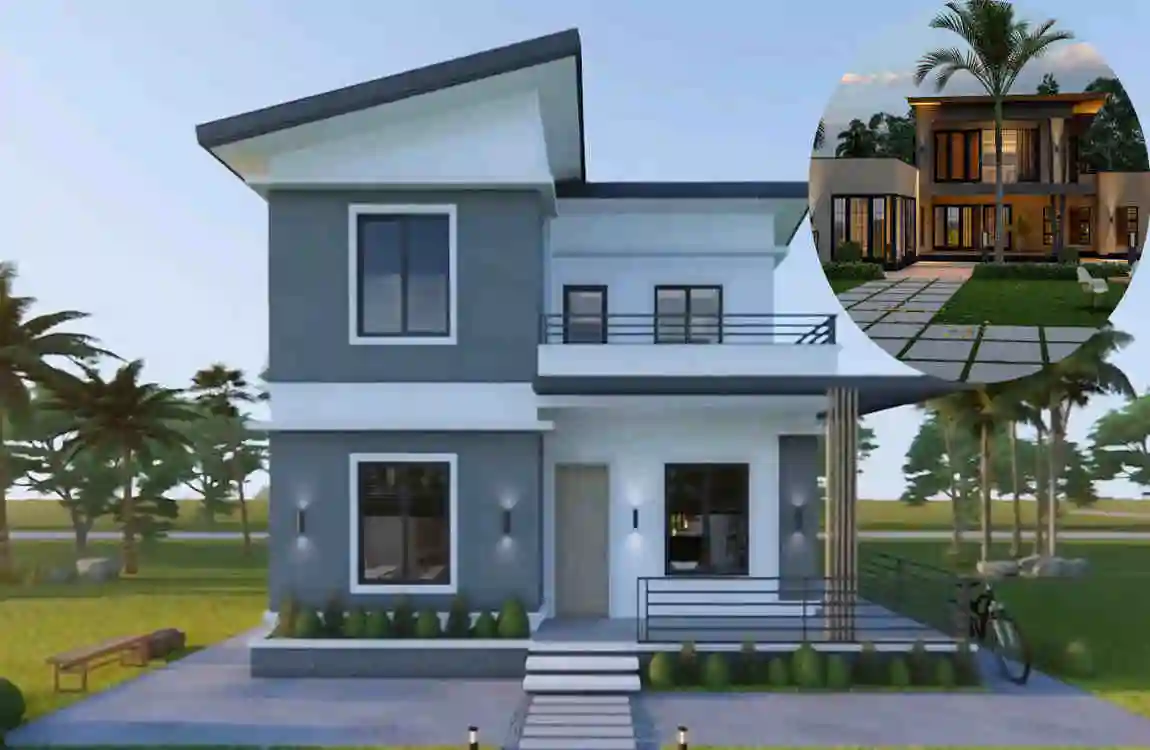
- Budget Wisely
Taller homes typically cost 10–20% more due to extra materials and labor. - Factor in Energy Efficiency
Higher ceilings increase heating and cooling loads. Consider better insulation or energy-efficient systems. - Review Local Codes Before Starting
Saves time and costly redesigns down the road. - Visualize With Models
Use 3D modeling software to get a sense of scale and fit.
Quick List: Common Pitfalls
- Ignoring attic/roof space in measurements
- Overlooking zoning restrictions
- Underestimating costs for taller builds
