

Have you ever wondered just how tall a two-story house is? Whether you’re a homeowner, a builder, or someone in the market for a new home, understanding the dimensions of a two-story house is crucial.
What Defines a Two-Story House?
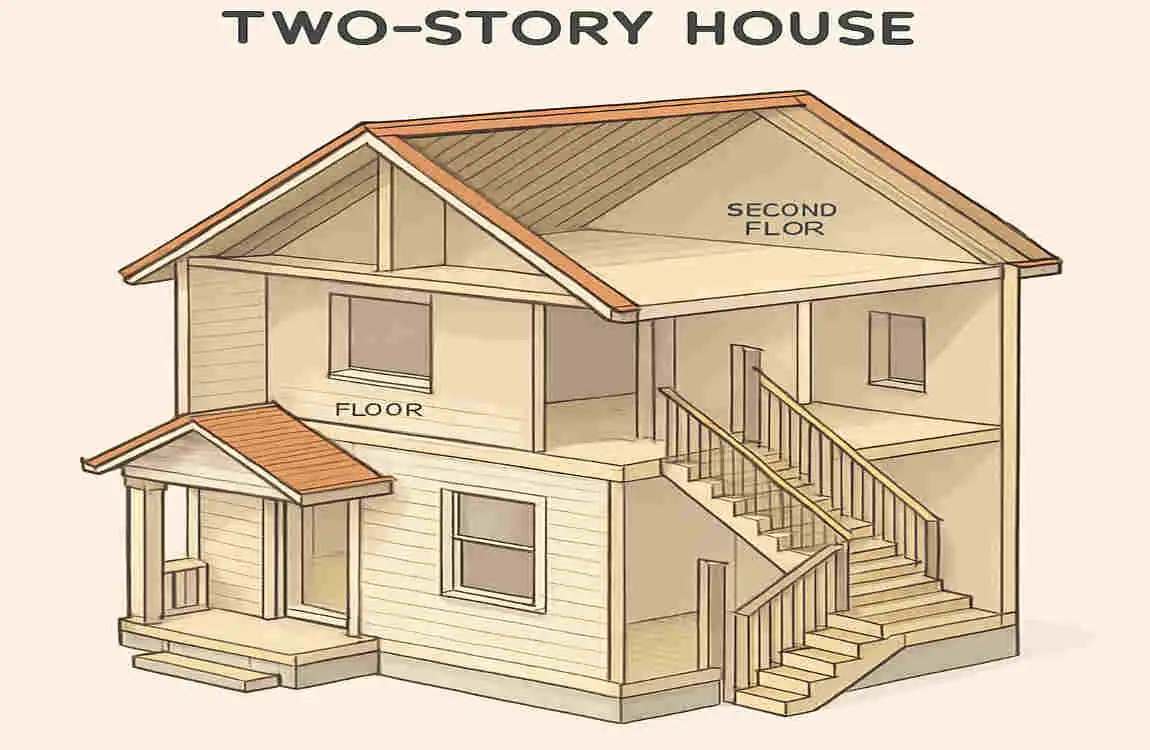
Before we delve into the specifics of height, let’s first understand what exactly constitutes a two-story home.
Stories, Floors, and Levels: What’s the Difference?
When it comes to houses, the terms “story,” “floor,” and “level” are often used interchangeably, but they do have slight differences. A story refers to a complete, habitable level of a building, typically with a ceiling height of at least 7 feet. A floor, on the other hand, is a specific surface within a building, such as the ground floor or the second floor. Lastly, a level can refer to any horizontal plane within a structure, including basements or attics that may not be considered full stories.
Typical Features of Two-Story Designs
Two-story homes come in various shapes and sizes, but they share some common features. These homes typically feature a main entrance on the ground floor, with living spaces such as the kitchen, living room, and dining room located on this level. The second story usually houses the bedrooms and bathrooms, providing a separation between public and private spaces. Many two-story homes also feature a staircase connecting the two levels, which can be a central design element or tucked away in a corner.
Standard Height of a Two-Story House
Now, let’s get to the heart of the matter: how tall is a typical two-story house?
Average Height Range
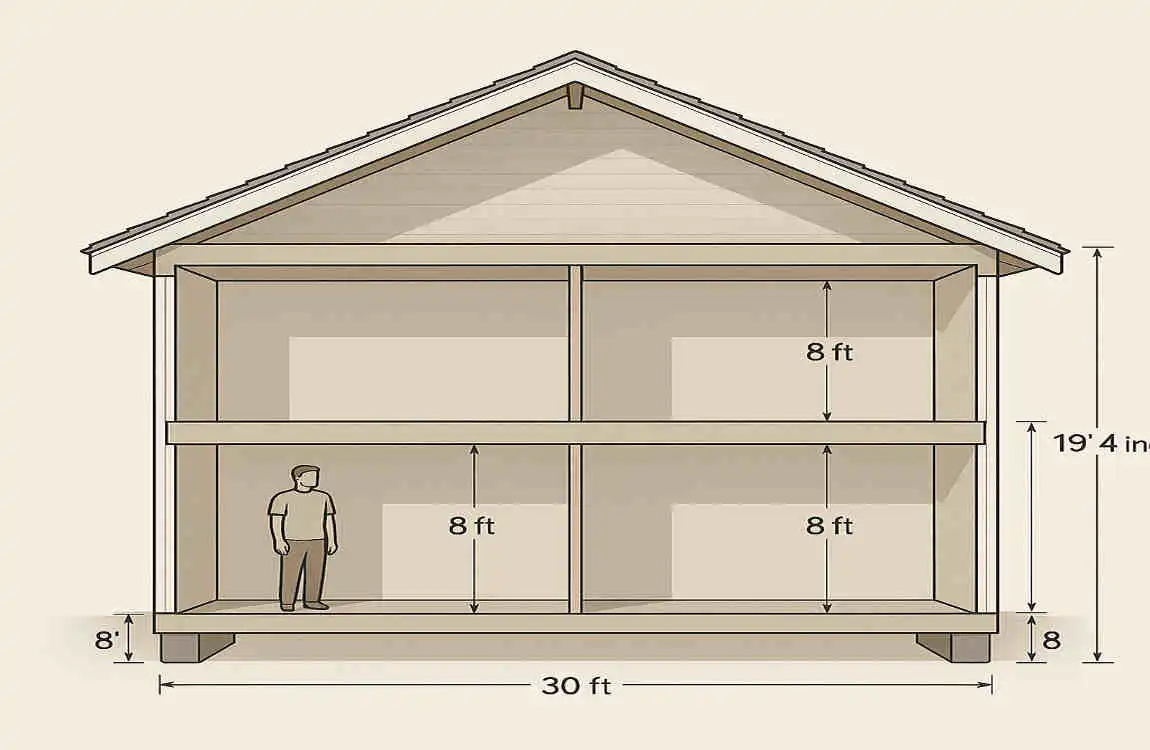
The average height of a two-story home falls between 18 and 25 feet. This range can vary depending on several factors, which we’ll explore in the next section. Keep in mind that this height is measured from the ground level to the peak of the roof.
Breaking Down the Height per Story
To determine the overall height of a two-story house, we must consider the height of each individual story. The floor-to-ceiling height of a single story typically ranges from 8 to 9 feet, although some homes may have higher ceilings in certain rooms. Additionally, the thickness of the floor itself, which includes the structural elements and any insulation, can add another 1 to 2 feet to the overall height.
Ceiling Heights and Room Variations
While the standard ceiling height in most homes is 8 feet, some rooms may have higher ceilings for various reasons. For example, living rooms and dining rooms often feature 9-foot or even 10-foot ceilings to create a more spacious and grand feel. Bedrooms, on the other hand, typically stick to the standard 8-foot height. Keep in mind that these variations can affect the overall height of a two-story home.
The Impact of Roof and Attic Space
The final component that contributes to the overall height of a two-story house is the roof and any attic space. The style of the roof, such as a gable, hip, or flat roof, can add varying amounts of height to the home. Additionally, if the house has a full or partial attic, this space can further increase the overall height of the home.
Factors Affecting the Height of a Two-Story House
Now that we’ve established the standard height range for a two-story home, let’s explore the various factors that can influence this dimension.
Ceiling Height Preferences and Variations
As mentioned earlier, ceiling heights can vary from room to room and even from home to home. Some homeowners prefer higher ceilings for a more open and airy feel, while others opt for standard heights to save on construction costs. These preferences can significantly impact the overall height of a two-story house.
Floor Thickness: Materials, Insulation, and Structural Considerations
The thickness of the floor itself is another factor that affects the height of a two-story home. The materials used for the floor, such as wood or concrete, can vary in thickness. Additionally, the amount of insulation and any structural elements, such as beams or joists, can contribute to the overall floor thickness and, consequently, the height of the house.
Roof Style and Its Impact on Overall Height
The style of the roof is a crucial factor in determining the height of a two-story home. Gable roofs, with their triangular shape, tend to add more height to a house compared to hip roofs, which have a more gradual slope. Flat roofs, on the other hand, can result in a lower overall height, although they may require additional structural support to ensure stability.
Foundation and Basement Considerations
The type of foundation and the presence of a basement can also influence the height of a two-story home. Homes built on a slab foundation will have a lower overall height compared to those with a crawl space or full basement. If a home has a basement, the ceiling height of this space can add to the total height of the house.
Local Building Codes and Zoning Restrictions
Local building codes and zoning regulations can significantly impact the maximum height of a two-story home. These regulations vary from one area to another and may limit the overall height of a house or impose specific requirements for ceiling heights and roof styles. Homeowners and builders need to be aware of these regulations when planning a two-story home.
Architectural Style Influences on Height
Finally, the architectural style of a home can also impact its height. Modern homes often feature flat roofs and higher ceilings, resulting in a taller overall structure. Traditional houses, on the other hand, may have more modest heights and gable or hip roofs. When choosing an architectural style, consider how it will affect the height of your two-story home.
Measuring the Height of a Two-Story House
Now that we’ve covered the factors that influence the height of a two-story home, let’s discuss how to measure this dimension accurately.
Measuring from Ground Level to Roof Peak
The most common way to measure the height of a two-story house is to take a measurement from the ground level to the peak of the roof. This can be done using a tape measure or a laser distance meter for more precise results. Ensure that you measure from a point directly below the highest part of the roof to obtain an accurate reading.
Measuring Wall Heights vs. Overall Height
When measuring the height of a two-story home, it’s essential to distinguish between the height of the walls and the overall height of the structure. The wall height refers to the distance from the floor to the ceiling of each story, whereas the overall height encompasses the roof and any additional elements. Please note that the wall height may vary from room to room, as previously discussed.
Common Mistakes and Misconceptions
When estimating the height of a two-story house, it’s easy to fall into some common pitfalls. One mistake is assuming that all two-story homes are the same height, without considering the factors we’ve discussed. Another misconception is that the height of a house is solely determined by the number of stories, without considering factors such as ceiling heights, roof style, and other elements. To avoid these errors, always measure the height of a home carefully and consider all the relevant factors.
Comparison: Two-Story vs. One-Story and Three-Story Homes
To put the height of a two-story home into perspective, let’s compare it to one-story and three-story houses. The table below summarizes some key differences between these three types of homes:
Feature: One-Story House, Two-Story House, Three-Story House
Average Height 9-12 ft 18-25 ft 27-35 ft+
Floor Space Single level Double living space Triple living space
Construction Cost Lower Moderate Higher
Visual Impact: Low profile , Medium, Tall, and imposing
Accessibility Easier Requires stairs More stairs
As you can see, two-story homes fall in the middle of the spectrum in terms of height, floor space, and construction costs. They offer more living space than a one-story house while being more accessible than a three-story home. However, keep in mind that these are general comparisons, and the specific dimensions and features of a home can vary widely.
Why Does Knowing the Height Matter?
Now that we’ve explored the various aspects of a two-story home’s height, let’s discuss why this dimension is so important.
Influences Construction Costs and Materials Needed
The height of a two-story home directly impacts the construction costs and the materials required. Taller homes require more materials, such as lumber, siding, and roofing, which can increase the overall project cost. Additionally, taller structures may require more robust foundations and structural elements to support the added height, which further increases the expenses.
Important for Compliance with Local Building Codes and Zoning Laws
As we mentioned earlier, local building codes and zoning restrictions can limit the maximum height of a two-story home. Knowing the height of your home is crucial for ensuring compliance with these regulations. Failure to adhere to these codes can result in fines, delays, or even necessitate modifications to the structure to meet the requirements.
Affects the Home’s Curb Appeal and Neighborhood Fit
The height of a two-story home plays a significant role in its curb appeal and how well it fits into the neighborhood. A house that is significantly taller than its neighbors may stand out in a way that some homeowners find desirable, while others may prefer a more harmonious look. When designing or purchasing a two-story home, consider how its height will impact the overall aesthetic of the property.
Impacts Energy Efficiency and Heating/Cooling Considerations
The height of a two-story home can also affect its energy efficiency and heating and cooling requirements. Taller homes have a greater surface area exposed to the elements, which can result in increased heat loss in winter and heat gain in summer. This may necessitate additional insulation, better windows, or more powerful HVAC systems to maintain a comfortable indoor environment.
Plays a Role in Future Expansions or Additions
Finally, knowing the height of a two-story home is essential when planning for future expansions or additions. If you’re considering adding a third story or a rooftop deck, you’ll need to factor in the existing height of the structure and how it will impact the overall dimensions of the home. Understanding the current height can help you make informed decisions about potential future projects.
Typical Room Dimensions in a Two-Story House
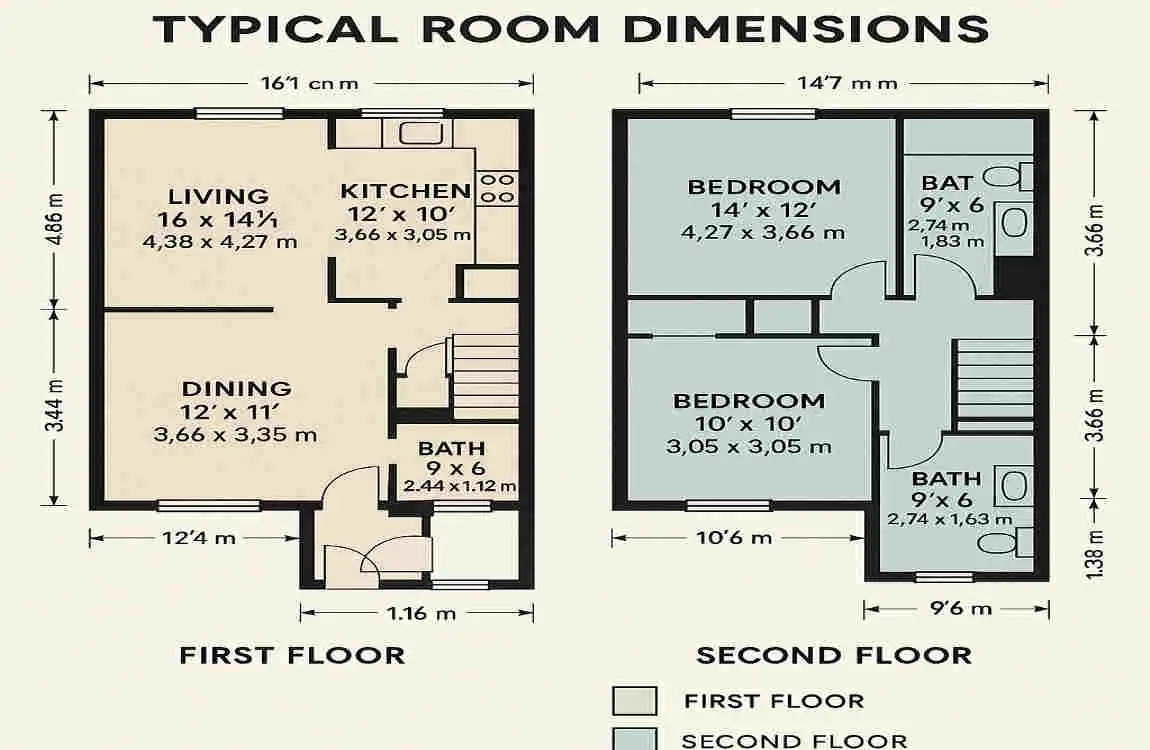
Now that we’ve covered the overall height of a two-story home, let’s take a closer look at the typical dimensions of the rooms within these structures.
Standard Floor-to-Ceiling Heights for Bedrooms, Kitchens, and Living Rooms
As we mentioned earlier, the standard floor-to-ceiling height in most homes is 8 feet. This applies to bedrooms, kitchens, and living rooms in a two-story house. However, some homes may have higher ceilings in certain rooms for aesthetic or functional reasons.
How Room Purpose Influences Ceiling Height
The purpose of a room can influence its ceiling height in a two-story home. For example, living rooms and dining rooms often have higher ceilings to create a more open and inviting space for entertaining. Kitchens, on the other hand, may have standard 8-foot ceilings to maintain a cozy and functional atmosphere. Bedrooms typically stick to the standard height, although some master suites may feature higher ceilings for a more luxurious feel.
Examples of Luxury Homes with Higher Ceilings in Key Rooms
In luxury homes, you may find even higher ceilings in key rooms. For instance, a grand entryway might boast a 12-foot ceiling to create a dramatic first impression. A gourmet kitchen could feature a 10-foot ceiling to accommodate large appliances and provide a more spacious working environment. In the main suite, a 9-foot or 10-foot ceiling can add to the sense of luxury and relaxation. Keep in mind that these higher ceilings will contribute to the overall height of the two-story home.
Practical Examples
To help illustrate the concepts we’ve discussed, let’s examine some practical examples of two-story homes and their corresponding heights.
A Typical Two-Story Suburban Home
Imagine a typical two-story suburban home with 9-foot ceilings and a gable roof. The ground floor features a living room, kitchen, and dining room, while the second floor houses three bedrooms and two bathrooms. The floor thickness is about 1 foot, and the gable roof adds an additional 5 feet to the overall height. In this case, the total height of the home would be approximately 24 feet (9 feet + 9 feet + 1 foot + 5 feet).
A Modern Two-Story Home with Flat Roof and Rooftop Deck
Now, let’s consider a modern two-story home with a flat roof and a rooftop deck. The ground floor has 10-foot ceilings and includes an open-concept living area, while the second floor features a main suite with a 9-foot ceiling. The floor thickness is around 1.5 feet, and the flat roof adds about 3 feet to the overall height. The rooftop deck adds an additional 2 feet, bringing the total height of the home to approximately 25.5 feet (10 feet + 9 feet + 1.5 feet + 3 feet + 2 feet).
Two-Story Home with Basement and Attic Space
Lastly, let’s examine a two-story home with a basement and attic space. The basement features an 8-foot ceiling and serves as both a family room and a home office. The ground floor features 9-foot ceilings and includes a kitchen, dining room, and living room. The second floor has three bedrooms with 8-foot ceilings. The floor thickness between the basement and ground floor is 1 foot, while the floor thickness between the ground and second floors is another foot. The attic space adds an additional 4 feet to the overall height, resulting in a total height of approximately 31 feet (8 feet + 1 foot + 9 feet + 1 foot + 8 feet + 4 feet).
These examples illustrate how various factors, such as ceiling heights, floor thickness, roof style, and additional spaces like basements and attics, can impact the overall height of a two-story home.
Tips for Homebuyers and Builders
If you’re in the market for a two-story home or planning to build one, here are some tips to keep in mind:
- Ask the right questions about home height when buying: When touring a two-story home, don’t hesitate to ask about the ceiling heights, floor thickness, and roof style. These details can help you better understand the overall dimensions of the house and how it might fit your needs.
- Consider your preferences when planning a custom two-story home: If you’re building a custom two-story home, think about your preferences for ceiling heights, room layouts, and overall design. These choices will impact the final height of your home, so make sure they align with your vision and budget.
- Work with an architect or builder to determine the ideal house height: Collaborating with a professional architect or builder can help you determine the best height for your two-story home. They can guide you through the various factors that influence height and help you make informed decisions that meet your needs and comply with local regulations.
Common Myths About Two-Story House Heights
Before we wrap up, let’s dispel some common myths about the height of two-story homes:
- Myth: All two-story homes are at least 25 feet tall. As we’ve seen, the height of a two-story home can vary significantly based on factors like ceiling heights, floor thickness, and roof style. While some homes may reach 25 feet or more, others may be shorter, falling within the 18 to 25-foot range.
- Myth: Taller homes always require more maintenance. While it’s true that taller homes may have more surface area to maintain, the actual maintenance requirements depend on various factors, such as the materials used, the local climate, and the homeowner’s diligence. A well-maintained two-story home, regardless of its height, can be just as easy to care for as a shorter one.
- Myth: Ceiling height is standard across all two-story homes. As we’ve discussed, ceiling heights can vary from room to room and from home to home. While 8 feet is the standard ceiling height in many homes, some rooms may have higher ceilings for aesthetic or functional reasons. Always verify the ceiling heights in a two-story home before making any assumptions.
