

Have you ever found yourself gazing at the skyline or walking past a construction site and wondering, what is the construction house in London all about? You’re not alone. Amid the buzz of cranes and the march of progress, London’s house construction scene is a world unto itself—packed with strict rules, high prices, and some of the most creative, eco-friendly designs in Europe.
Let’s break it down. The term “construction house in London” refers to the entire journey of building a residential home within the city’s unique urban setting. It’s more than bricks and mortar. It’s about careful planning, navigating tough regulations, choosing the right materials, and managing skilled labor—all while fitting new homes into tight spaces and keeping costs in check.
- What’s involved in planning and permissions
- The true costs and timelines
- The latest construction trends shaping the city’s homes
- How to choose the right builder for your dream project
Ready to unlock the secrets of house construction in London? Let’s dive into every step, spotlighting the tips, trends, and must-know facts for 2026 and beyond.
Defining House Construction in London
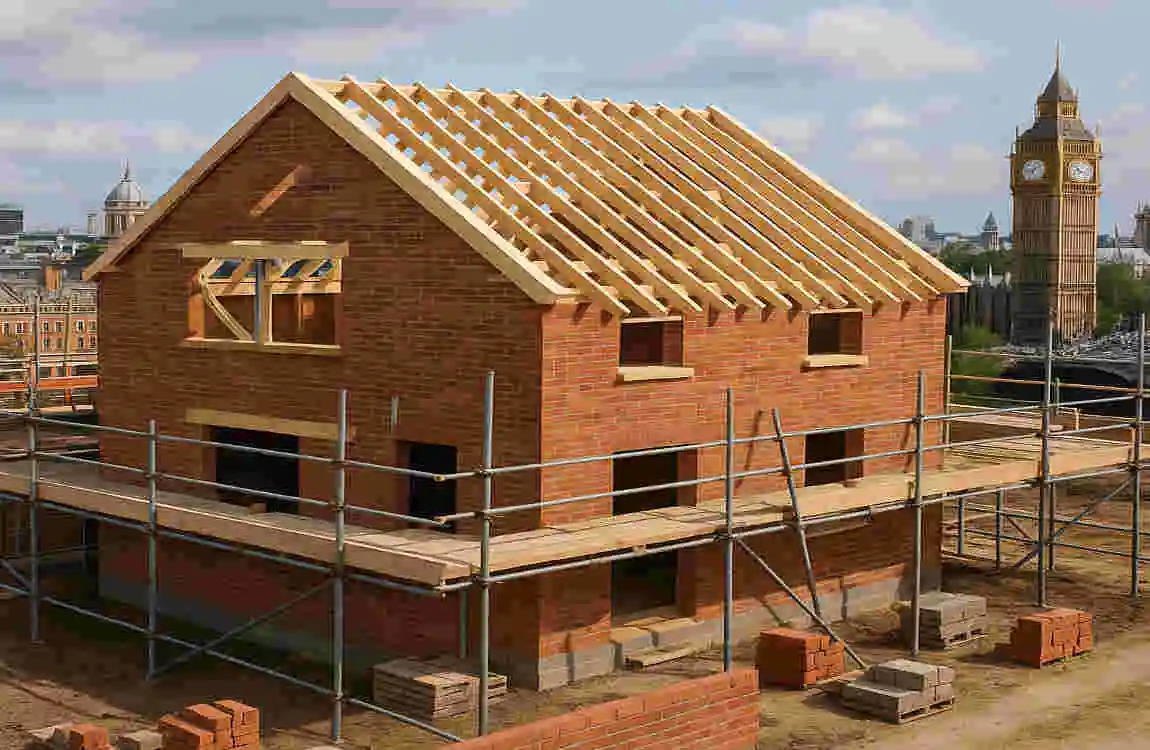
Core Process Overview
So, what is the construction house in London when you get down to brass tacks? It’s a multi-stage journey, each step tailored to the city’s unique challenges.
Here’s a step-by-step look:
- Feasibility Study
Before anyone picks up a shovel, a feasibility study is crucial. This includes soil tests (think: is your plot made of tricky London clay?), topographical surveys, and a look at local infrastructure.
Why it matters: London’s patchwork of old and new infrastructure means you need to know what’s below ground—pipelines, cables, or maybe even archaeological finds! - Planning Permission
Next up, the infamous London planning process. Every new build, extension, or major renovation requires approval from your local borough council.- Submit detailed plans (site layout, elevations, eco credentials)
- Engage with neighbors (especially in conservation areas)
- Groundworks & Foundations
London’s soil is a builder’s puzzle. Many sites require piling—driving deep foundations into clay or sand to support the home above.
Fun fact: Some central boroughs have strict rules to protect old tree roots or underground lines. - Structural Work
With the ground secure, the main structure goes up. London homes typically use brickwork with insulated cavity walls for energy efficiency, often with steel supports for larger, open-plan spaces. - Roofing & Weatherproofing
Flat roofs and traditional pitched styles are both common, but all must meet Part L regulations for thermal efficiency. Think triple glazing, top-notch insulation, and solar-ready tiles. - Interiors & Finishing Touches
As the “shell” is completed, focus shifts to plumbing, wiring, bathrooms, kitchens, and finishes. Many modern London builds now include smart tech wiring as standard.
London-Specific Regulations
Building in London is not just about construction—it’s about compliance.
Here are some of the most important regulatory hurdles every project faces:
- Building Regulations 2025: New rules focus on fire safety (a response to Grenfell), accessibility, and energy use.
- Flood-Risk Zoning: Many parts of London are now flood zones, requiring special foundations and drainage.
- Party Wall Act: If you share a wall with neighbors (which is likely!), you need their formal agreement for most works.
Key Approvals Table
| Approval | Authority | Timeline | Cost Estimate |
|---|---|---|---|
| Planning Permission | Local Council | 8-13 weeks | £500-£2,000 |
| Building Control | LB Approvals | Ongoing | 1-2% of build cost |
| Party Wall Act | Adjoining Owners | 2 months | £1,000+ (surveyor) |
Current Costs and Timelines
Breakdown of Expenses
Let’s talk numbers.
If you’ve ever wondered “what is the construction house in London going to cost me?”, you’re not alone. Prices here are among the highest in Europe, driven by land scarcity, labor shortages, and material inflation.
Typical Costs for a New Build
- Land: In central London, a single plot can cost £1 million or more. Outer boroughs are cheaper, but still premium.
- Construction:
- For a standard 3-bedroom semi-detached home, expect £300,000 – £500,000 in build costs alone.
- Materials: Take up around 40% of your budget, and sustainable choices (like FSC-certified timber) are increasingly required.
- Labor: Skilled trades earn around £200 per day, and labor shortages have pushed wages up.
Other Factors Affecting Cost
- Design Complexity: Open-plan layouts, basements, or eco-features (like heat pumps) can add 10-20%.
- Professional Fees: Architects, engineers, and surveyors typically add 10-15% to your total spend.
- Permits and Surveys: Budget for planning, building control, and party wall agreements.
The Impact of Inflation
Material costs have soared—timber alone rose 15% in 2025. Brexit, supply chain issues, and eco-regulation all play a part.
Timeline Realities
How long will it take?
If you’re planning a new build in London, expect a timeline of 6-18 months on average:
- Planning & approvals: 3-9 months (can be longer in conservation areas)
- Construction: 6-12 months for a typical home
- Delays: Not uncommon—weather, supply shortages, or council backlogs can add months
Bullet Tips to Accelerate Your Build:
- Choose an experienced builder with local council contacts
- Get planning advice early—pre-application meetings save time
- Use modular or prefab solutions for faster build times
- Secure materials ahead of schedule to avoid shortages
Building Trends
London’s skyline is always changing, but the next wave of home construction is set to be smarter, greener, and more flexible than ever before. Here’s what’s trending now and what’s coming soon:
Sustainable and Energy-Efficient Designs
Net-Zero Homes
The biggest shift is toward homes that produce as much energy as they use. This is being driven by upcoming regulations that will soon make solar panels and heat pumps mandatory for new builds.
- Passive House Standards: These homes are designed to use minimal energy for heating and cooling, thanks to super-insulation and airtight construction.
- Low-Carbon Materials: Builders are swapping traditional concrete for low-carbon concrete and sustainable timber, cutting the carbon footprint of new homes.
Retrofitting for Efficiency
Older homes are being upgraded, too. Loft conversions, wall insulation, and triple-glazed windows are helping Londoners achieve EPC A ratings.
Key Sustainability Features
- Solar panels and green roofs
- Smart heating (zoned underfloor, air-source heat pumps)
- Rainwater harvesting
Smart and Flexible Homes

Hybrid Work Drives New Layouts
With more people working from home, modern London houses are designed for flexibility:
- Office nooks or garden studios
- Foldable walls for adaptable open-plan living
- Soundproofing for work-life balance
IoT and Home Automation
Smart homes are no longer a luxury—they’re fast becoming the norm:
- Voice-controlled lighting and heating
- Automated security systems (CCTV, smart locks)
- Home automation networks for everything from blinds to home energy monitoring
Trend Table
| Trend | Benefit | London Example |
|---|---|---|
| Flexible Spaces | Adapt to WFH | Loft conversions |
| Smart Tech | 20% energy savings | Automated security, lighting |
| Sustainability | EPC compliance | Solar + insulation upgrades |
Modular and Prefab Builds
Faster, smarter, and often greener—modular construction is gaining ground in London’s boroughs.
- What is it? Homes are built in sections (modules) off-site, then assembled on location.
- Speed: Cuts build times by up to 20%.
- Eco Benefits: Less waste, lower carbon emissions, and easier to install energy-saving features.
The Takeaway
What is the construction house in London in 2026? It’s a blend of tradition and innovation—classic materials, energy-smart tech, and flexible layouts to fit our changing lives.
Choosing a Builder in London
Your choice of builder can make or break your project. Here’s how to ensure you find the right team for your London dream home:
Top Qualities to Look For
- Certification:
- MCS (Microgeneration Certification Scheme) for renewables
- NHBC (National House Building Council) warranty for peace of mind
- Local Experience:
- Portfolio of completed projects in London
- Familiarity with borough-specific regulations and challenges
- References and Insurance:
- Always ask for recent references
- Confirm public liability and contract insurance
- Transparent Quotes:
- Get itemized breakdowns (no hidden extras)
Builder Comparison Table
| Builder Type | Pros | Cons |
|---|---|---|
| Local Firm | Knows local regs | Often higher rates |
| National | Scale discounts | Less personalized service |
Checklist for Finding the Best Builder:
- Review their portfolio (ask to see similar London projects)
- Check for up-to-date insurance and trade memberships
- Speak with previous clients
- Compare at least three detailed quotes
