

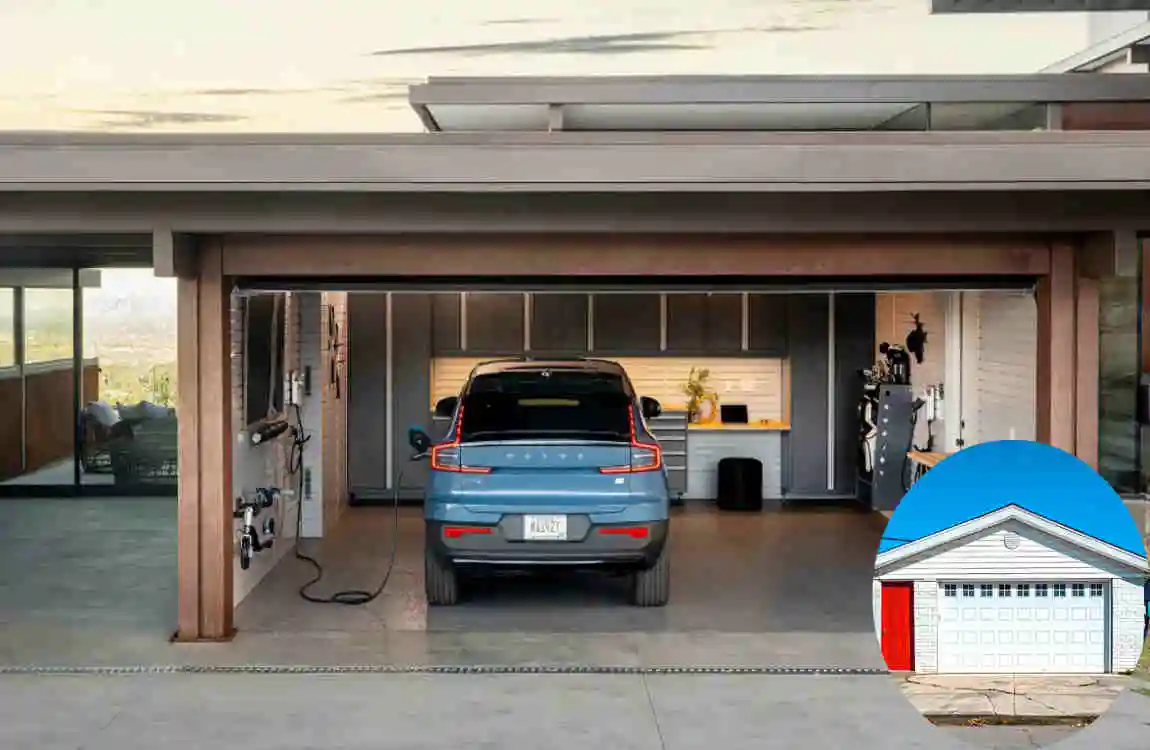
Have you ever wondered, does garage count in square footage? If so, you’re not alone. This question pops up for homebuyers, sellers, and even real estate appraisers. The answer can have a big impact—sometimes changing your home’s sale price by 10-20%, affecting your property taxes, and even your home insurance rates.
What Counts as Square Footage in Real Estate?

When you look at a home listing, you’ll see a square footage number. But what does it really include? Understanding the different types of square footage is key for both buyers and sellers.
Gross Living Area (GLA)
Gross Living Area (GLA) is the most common measure in real estate. It refers to the heated, finished, above-grade spaces in your home. That means any space where you can live comfortably—think living rooms, bedrooms, kitchens, and finished attics.
GLA does not include garages, unfinished basements, or porches. If you’re using a real estate agent or looking at listings on the MLS, this is usually the number you see.
Total Square Footage
Total square footage sometimes includes all the floor space under your roof—even if it’s not finished or heated. That includes garages, unfinished basements, and sometimes porches. This number is more common in tax assessments and county property records.
But here’s the catch: just because your county includes the garage in total square footage for taxes, that doesn’t mean it counts for your home’s “living area” when you go to sell or appraise it.
Square Footage Types Comparison Table
| Type | Includes Garage? | Used For | Standards Body |
|---|---|---|---|
| GLA (Above-Grade) | Rarely | Appraisals, MLS | ANSI/Fannie Mae |
| Finished Basement | Sometimes | Listings | Local rules |
| Total Building Sq Ft | Yes | Taxes | County Assessor |
Does the Garage Count Toward House Square Footage?
Let’s answer the big question: Does garage count in square footage? For most real estate transactions, the answer is no. Here’s why.
Garage Inclusion Rules
According to the ANSI Z765 standard (the gold standard for measuring homes), garages are not included in the home’s livable square footage. This is true whether the garage is attached or detached.
- Attached garages: Not included in GLA because they’re not considered “livable” (they don’t have heat/AC, are used for storage or parking, and aren’t finished to the same standard as the rest of the house).
- Detached garages: Never included.
- Converted or heated garages: Can be included, but only if they meet strict requirements (finished, heated to at least 68°F, permanent access, ceiling height at least 7 feet, and built to local codes).
If you’re asking “does garage count in square footage,” here’s why it usually doesn’t:
Garages are considered “non-livable” spaces by real estate standards and do not meet the criteria for being part of your home’s GLA.
Case Study Example
Let’s say you own a 2,000 square foot home with a 400 square foot attached garage. Your house will be listed as 2,000 square feet of living area—not 2,400. The garage’s size is usually mentioned elsewhere on the listing, but it’s not rolled into the main number.
Appraisal Rules: How Garages Impact Valuation
You might be thinking, “If my garage doesn’t count toward my home’s living square footage, does it still add value?” Absolutely! But it works a little differently.
Garages add value indirectly. Home appraisers know that buyers love having a place to park, store tools, or keep bikes and sports gear. While they don’t include the garage in the livable square footage, they do factor it into your home’s overall value—often boosting it by 5-10%.
How Appraisers Handle Garages:
Exclude non-livable spaces like garages, unfinished basements, and open decks.
Use laser distance meters and diagrams to ensure accuracy.
Tax Assessments and Garage Square Footage
Now, here’s where things get tricky. When it comes to property taxes, many counties do include the garage in your home’s total taxable square footage.
Why?
Because the tax assessor is interested in the entire footprint of your property—not just the livable areas. This means your garage could bump up your assessed value, and, by extension, your tax bill.
Variations by County:
- Some assessors count the garage at full value.
- Others, like in King County, WA, might apply a 50% weight to your garage’s square footage.
Tax vs Appraisal Table
| Context | Garage Included? | Impact |
|---|---|---|
| Property Tax | Usually yes | Higher assessment |
| Home Sale | No (GLA only) | Listing square footage |
State-by-State Variations on Garage Inclusion
There’s no single national rule for how garages are counted in square footage. Each state—and even each local MLS—can have its own guidelines. Let’s look at some common variations:
- Texas: Garages are excluded from GLA in listings, per the Houston Association of Realtors (HAR) rules.
- Florida: Condo garages may be listed as “additional features” but not included in the main square footage.
- California: Garages are included in total taxable square footage but not in appraisal GLA.
- New York: Heated garages are sometimes counted as part of semi-finished space, but rarely as full GLA.
Converting Garage to Living Space: Does It Count Then?
Thinking about turning your garage into a home office or extra bedroom? Good news: When you convert a garage to livable space—and do it by the book—it can be included in your home’s square footage.
How to Make It Count:
- Get the right permits: You’ll need approval from your city or county.
- Add permanent heating and cooling: Space heaters don’t count.
- Finish walls, ceilings, and floors: Must meet the same standards as the rest of your home.
- Ensure code compliance: Meet all local building codes for safety.
Cost-Benefit Example:
A $50,000 garage conversion could add $80,000 or more in value to your home, depending on your location.
But beware:
- You may lose valuable parking or storage.
- Some neighborhoods have zoning rules that require a garage.
Tips to Measure and Maximize Your Home’s Square Footage
- Tools: Use a laser measurer or metal tape measure for accuracy.
- Method: Measure each room from wall to wall, multiplying length by width.
- Exclude: Garages, unfinished basements, crawl spaces, and porches.
Checklist to Maximize Square Footage
- Verify ANSI compliance: Make sure your measurements follow the standards.
- Finish unused spaces: Attics and basements are often easier (and cheaper) to finish than garages for a GLA boost.
- Hire a professional appraiser: For $300-500, you’ll get a foolproof number.
- List accurately: Overstating your square footage can lead to legal headaches or lost deals.
Common Myths About Garage Square Footage
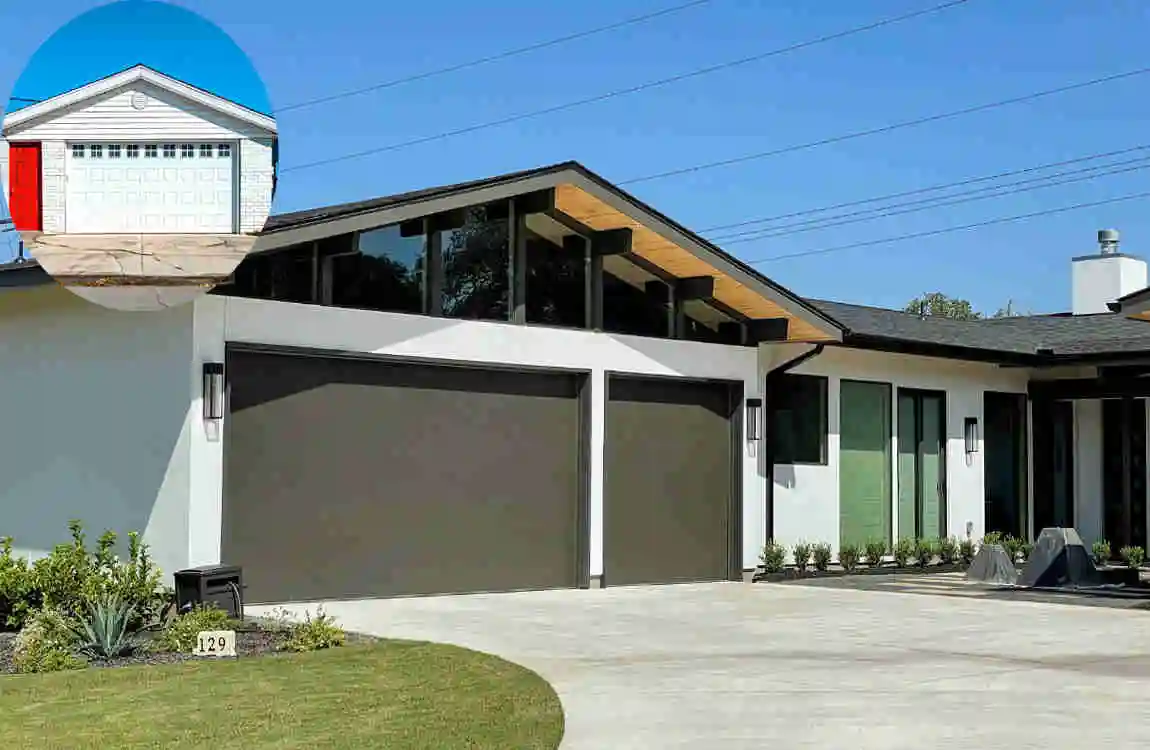
Let’s bust some common myths about garage included in house square footage:
- Myth 1: All garages count in square footage.
Fact: They almost never do—unless fully converted and permitted. - Myth 2: Detached garages are a bonus in listings.
Fact: They add value for parking and storage, but not to GLA. - Myth 3: Zillow and online listings always get it right.
Fact: Automated sites often pull tax records, so mistakes are common. Always double-check!
