

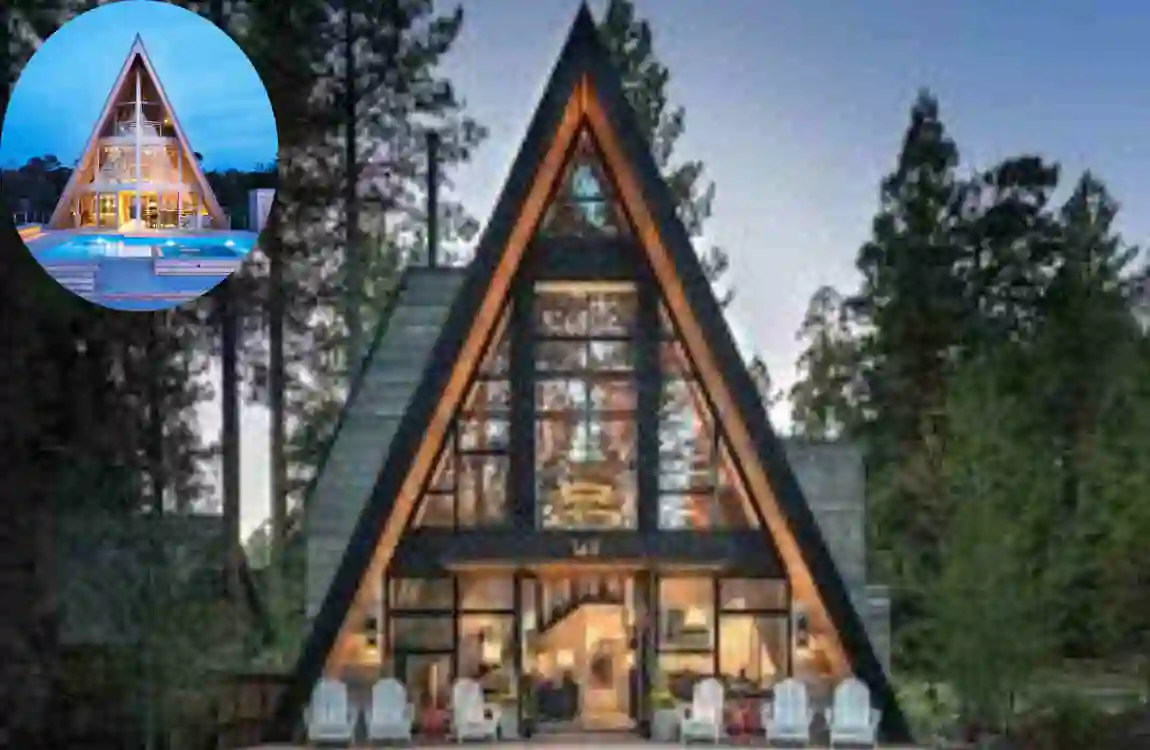
Picture yourself settling into a snug corner of your living room, golden sunlight pouring through tall windows, the scent of pine wafting in from the surrounding woods. Outside, your A-frame house stands proud and picturesque, its sharply angled roof forming a perfect triangle against the sky. Evenings here are a special kind of cozy, with the crackle of a fireplace echoing beneath soaring ceilings.
A-frame houses—with their timeless triangular design—have captivated homeowners since the 1950s. Their unique look isn’t just eye-catching; it’s practical, affordable, and sustainable. But what makes an A-frame house so appealing today? Is it the promise of cost savings, the allure of eco-friendly living, or simply the magical, cabin-like atmosphere they create?
What Is an A-Frame House?
An A-frame house is instantly recognizable by its dramatic, triangular silhouette. The sharply sloped roof—often pitched between 45 and 60 degrees—forms the “A” shape, running nearly to the ground and doubling as both roof and wall. This design isn’t just for show; it’s rooted in practicality and history.
A Brief History: From Postwar Popularity to Modern Revival
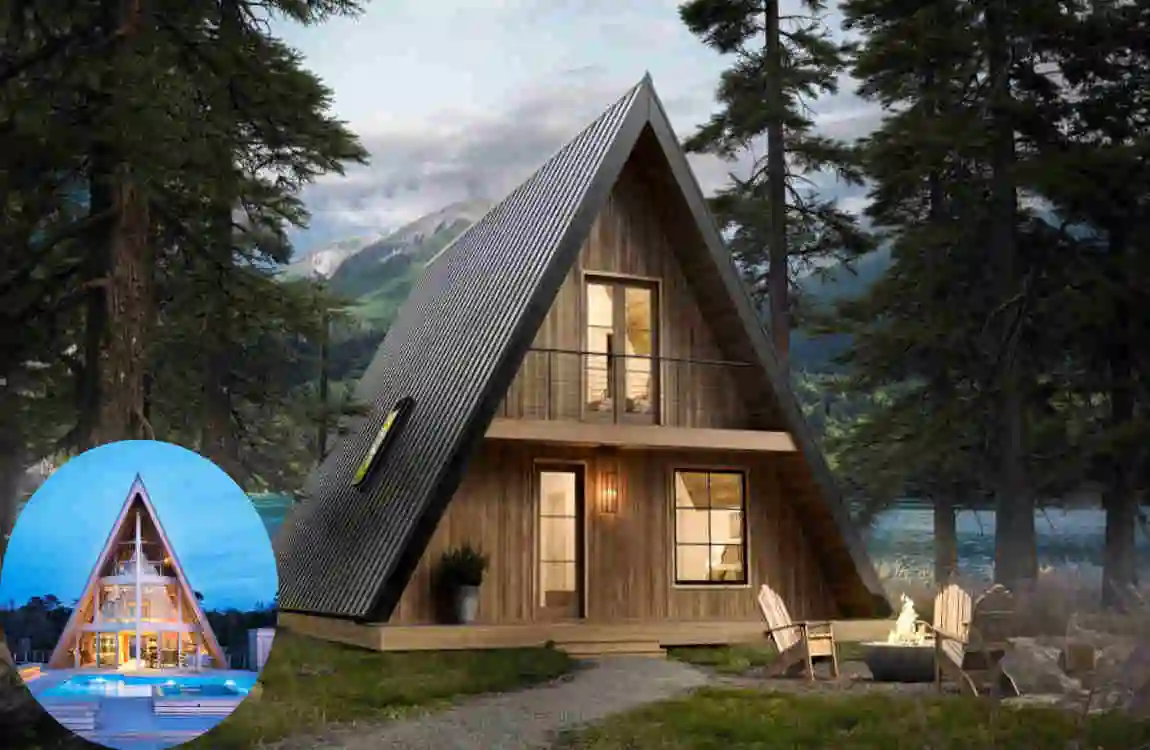
The A-frame design surged in popularity after World War II. As families craved affordable, quick-to-build homes, architects and builders embraced this efficient style. The 1950s and ‘60s saw A-frame cabins popping up as vacation getaways across the United States and Europe. Their simple construction and playful look matched the era’s spirit of innovation and adventure.
Today, the A-frame house is experiencing a renaissance. Modern homeowners love the blend of classic charm and sustainable features. Whether you’re a minimalist or a nature lover, the A-frame’s flexibility and style appeal to a new generation.
Core Features of A-Frame Houses
| Feature | Description |
|---|---|
| Roof Pitch | 45-60 degrees for optimal snow shedding and weather defense |
| Footprint | Compact, often maximizing interior space and views |
| Layout | Open ground floor plan, with a lofted bedroom or workspace |
Why the A-Frame Structure Works
- Structural Strength: The triangular design distributes weight evenly, much like a bridge truss. This makes A-frame houses remarkably strong and durable, especially in snow-prone regions.
- Simplicity: Minimal exterior walls and straightforward construction mean fewer materials and faster builds.
- Versatility: From tiny off-grid cabins to sprawling luxury homes, the A-frame style adapts to your vision.
Key Benefits of A-Frame Houses
Let’s dive into the standout advantages of A-frame houses—from cost savings to eco-friendliness and beyond.
Cost-Effective Builds
- Fewer Materials: Thanks to the sloping roof serving as both wall and roof, you’ll need less construction material compared to traditional homes.
- Quick Construction: Simpler designs mean shorter build times—often 20-30% faster than standard homes.
- Lower Labor Costs: Fewer specialized tasks keep your budget in check.
- Affordable Kits: Pre-fab A-frame house kits are widely available, making DIY or contractor builds accessible.
Durability in All Climates
- Excellent Snow Shedding: The steep roof pitch allows snow and rain to slide off easily, reducing the risk of leaks or damage.
- Wind Resistance: The aerodynamic profile withstands strong winds better than boxy designs.
- Natural Insulation: Despite thinner walls, modern A-frame houses use advanced insulation and double-glazed windows to stay warm in winter and cool in summer.
Sustainability at Heart
- Green Materials: Most A-frames use renewable timber, recycled steel, and other eco-friendly components.
- Solar Ready: The large, angled roof is ideal for mounting solar panels.
- Passive Heating: Big windows and roof angles maximize natural sunlight, reducing heating costs.
- Minimal Footprint: The compact design means less land disturbance and reduced utility needs.
Stat: A well-designed sustainable A-frame can cut heating costs by up to 30% compared to conventional homes, thanks to passive solar gain and efficient use of space.
4. Cozy, Magical Aesthetics
- Open Lofts: The open-plan layout and lofted sleeping areas create a spacious, airy feeling—perfect for relaxation or entertaining.
- Panoramic Views: Floor-to-ceiling windows frame the outdoors, bringing nature right into your living room.
- Inviting Atmosphere: The woodsy, cabin-like vibe makes every evening feel like a getaway.
Let’s summarize these benefits:
- Save money on materials and labor
- Stay comfortable in any climate
- Live sustainably with eco-friendly features
- Enjoy a cozy, picturesque home every day
Ready to design your own A-frame house? Our team specializes in custom builds and sustainable upgrades—contact us for a free consultation!
Design and Layout Ideas for A-Frame Houses
The magic of an A-frame house lies in its flexible interior. Whether you crave minimalist modernism or rustic charm, there’s a layout for you.
Ground-Level Living and Loft Bedrooms
Most A-frame houses feature:
- Main Floor: Open living area, kitchen, and bathroom
- Loft: Cozy bedroom or workspace, accessed by ladder or staircase
Creative A-Frame Design Ideas
- Modern Minimalist: Clean lines, skylights, and a monochrome palette for a fresh look.
- Rustic Cabin: Exposed beams, reclaimed wood, and a stone fireplace for that classic A-frame cabin vibe.
- Sustainable Upgrades: Green roofs, rainwater catchment, and energy-efficient appliances for a true sustainable A-frame lifestyle.
- Indoor-Outdoor Flow: Sliding glass doors and wraparound decks to blur the line between inside and out.
- Smart Storage: Built-in shelving, under-stair drawers, and modular furniture to maximize every inch.
Layout Comparison Table
| Layout Type | Word Count Suggestion | Features |
|---|---|---|
| Tiny A-Frame | 150 words | 400 sq ft, off-grid ready, solar and composting toilet, ideal for minimalist or vacation living. |
| Family A-Frame | 200 words | 1,200 sq ft, multiple lofts or bedrooms, open kitchen/living area, mudroom, perfect for year-round family life. |
| Luxury A-Frame | 150 words | 1,800+ sq ft, glass walls, smart home systems, spa bathrooms, chef’s kitchen, seamless indoor-outdoor living. |
Image Prompts for Inspiration
- A-frame house interior with loft bedroom and panoramic window
- Modern A-frame kitchen with minimalist finishes
- Rustic A-frame cabin with wood stove and cozy nooks
- Luxury A-frame with glass walls and mountain views
Building Your A-Frame House: Costs and Tips
Building an A-frame house is more affordable than you might think. Here’s what you need to know about budgeting and construction:
Typical Costs
- Materials and Labor: $100–$200 per square foot is a common range for materials and professional labor.
- DIY Kits: Pre-cut A-frame house kits start around $20,000–$40,000 for a basic structure, not including land or utilities.
- Custom Builds: Expect to pay more for high-end finishes or larger footprints.
Cost Factors:
- Site preparation (clearing, leveling, access)
- Foundation type (slab, pier, crawlspace)
- Interior finishes (flooring, appliances, lighting)
- Sustainable features (solar, rainwater, green roofs)
Step-by-Step Guide to Building an A-Frame House
- Explore pre-designed A-frame cabin plans or custom designs.
- Kits can simplify construction and cut costs.
Prepare the Site
- Clear the land, lay a foundation, and ensure proper drainage.
- Position the house to maximize views and sunlight.
Select Eco-Friendly Materials
- Opt for recycled timber, steel, or insulated panels.
- Consider energy-efficient windows and doors.
Get Permits and Consider DIY
- Check local zoning and building codes.
- DIY is feasible for experienced builders; otherwise, hire a contractor.
Pros and Cons Table
| Pros | Cons |
|---|---|
| Quick assembly | Limited upper-wall space |
| Low maintenance | Echoey acoustics |
| Affordable kits available | Steep stairs/lofts may not suit all ages |
Sustainability Tips for A-Frame Living
- Ventilation: Use operable skylights or ridge vents to keep air fresh.
- Energy Efficiency: Insulate roof and floor; use LED lighting and high-efficiency appliances.
- Water Conservation: Add low-flow fixtures and consider a rainwater system.
Real-Life A-Frame House Examples
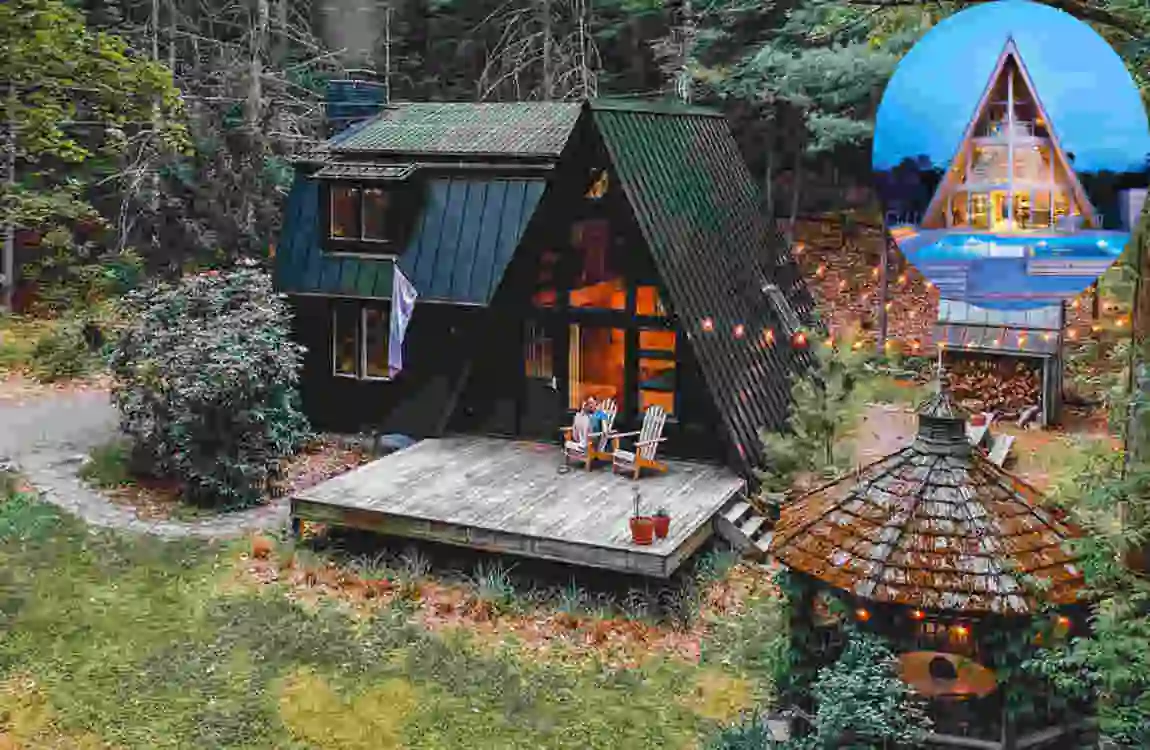
There’s no better way to envision your own A-frame house than by seeing how others have brought this design to life. Here are some standout examples:
- Iconic 1950s A-Frames Turned Airbnbs
- Vintage A-frames restored as charming vacation rentals.
- Features: Original wood paneling, retro kitchens, cozy lofts.
- Perfect for: Weekend getaways or income property.
- Modern Sustainable A-Frame in the Mountains
- Solar panels, green roof, triple-pane windows.
- Open-concept living, sleek finishes, panoramic mountain views.
- Perfect for: Off-grid living or eco-conscious families.
- Budget DIY A-Frame Cabins
- Built with reclaimed materials and basic tools.
- Off-grid ready: Solar, composting toilet, wood stove.
- Perfect for: Minimalist living or affordable retreats.
Reader Poll
Which A-frame house style inspires you most?
- Classic cabin
- Modern minimalist
- Off-grid tiny home
- Family-sized luxury
Challenges and Solutions
While A-frame houses are full of charm, they do come with unique challenges. But don’t worry—clever design can solve most issues!
Common Challenges
- Limited Upper-Wall Space: The sloping roof means less headroom and wall space for art or shelves.
- Storage Shortages: Fewer closets and cabinets compared to standard homes.
- Humidity and Noise: Condensation can form on cold surfaces, and open layouts can be echoey.
Smart Solutions
- Built-In Storage: Use under-stair drawers, loft cubbies, and custom cabinets.
- Modular Expansions: Add a side wing or mudroom for extra space.
- Ventilated Cladding: Helps control moisture and prevents mold.
- Acoustic Panels: Minimize echo in open areas.
