


If you have driven through a new suburb in the last few years, you have probably noticed the same thing over and over again: giant white houses with tall roofs, black windows, big front porches, and wide driveways. They seem to appear everywhere. From luxury neighborhoods to family-friendly developments, this look has become one of the most recognizable styles in modern America.
So, how giant white houses took over America becomes a very real question. This trend did not happen by accident. It grew from a mix of design preferences, social media influence, real estate strategy, and changing ideas about what a dream home should look like. People want homes that feel bright, clean, expensive, and modern. Builders want homes that sell fast and photograph well. Social media rewards styles that look polished and bold. White exteriors fit all of those goals.
What Are Giant White Houses?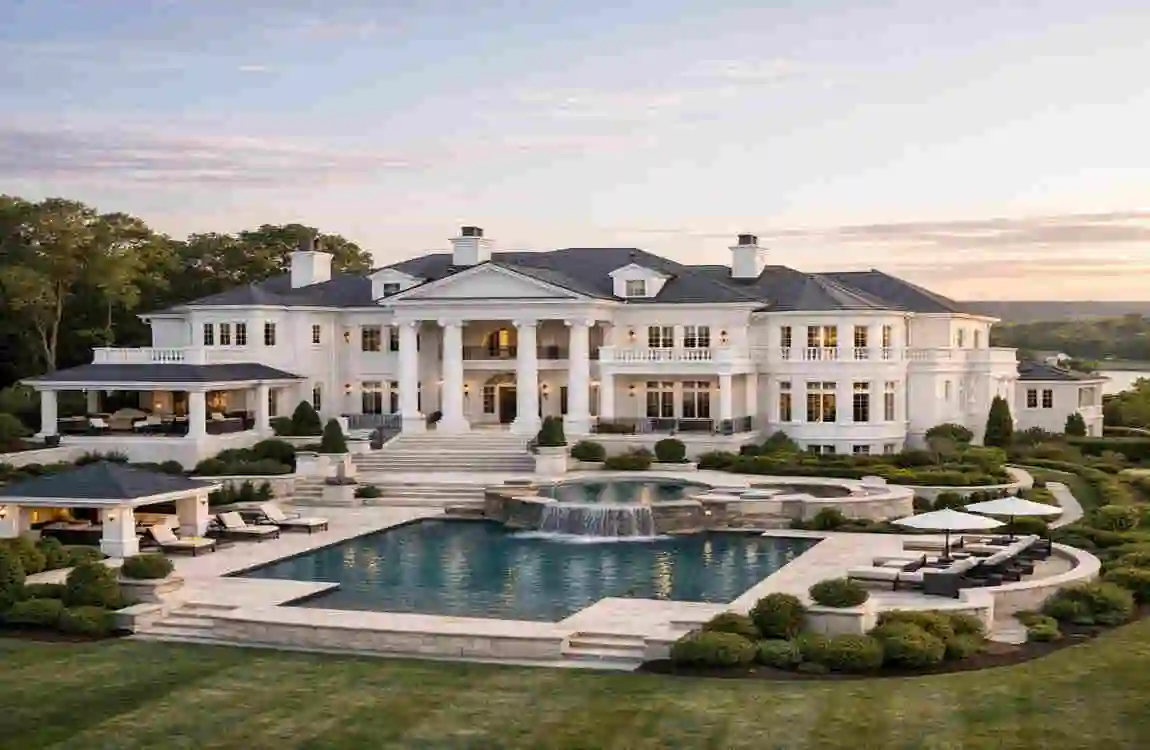
Defining the Trend
When people talk about giant white houses, they usually mean large residential homes with bright white exteriors and a modern, upscale look. These homes are often found in suburban developments, planned communities, and luxury neighborhoods. They are designed to stand out while still feeling clean and simple.
The style usually blends size with a minimal color palette. Instead of brick-heavy exteriors or dark, traditional finishes, these homes rely on white paint, pale stucco, or light siding. The result is a house that feels open, bright, and visually strong.
The term is not an official architectural label. It is more of a cultural description. People use it to talk about the wave of oversized, white-painted homes that now dominate so many American streets.
Common Features
Giant white houses usually share a few familiar traits. You may notice them right away when you see one.
- White stucco, brick, or siding
- Black-framed windows
- Tall ceilings and grand entrances
- Large garages
- Expansive yards
- Open floor plans
- Oversized kitchens and living areas
- Simple, modern landscaping
These homes often mix traditional shapes with contemporary home design. They may borrow from farmhouse, coastal, or transitional styles, but they usually simplify the details. The overall effect is polished, airy, and expensive.
What makes them so noticeable is not just their color. It is the combination of size, shape, and visual contrast. A bright white exterior with dark accents creates a strong look that is easy to recognize from the street and easy to share online.
The Historical Evolution of Large American Homes
Early American Mansions
Large homes have always held a special place in American culture. Long before modern suburbs, wealthy families built mansions to show power, influence, and taste. During the colonial era, estates often featured grand symmetry, formal gardens, and expensive materials. White or pale exteriors were common in some regions because they looked elegant and reflected status.
Later, the Gilded Age pushed this idea even further. Wealthy industrial families built massive homes filled with stone, marble, and decorative detail. These mansions were not just places to live. They were symbols of success and social rank.
This history matters because the American obsession with large homes did not start with the current trend. It has deep roots. The giant white houses we see today are simply a newer version of an older desire: to use a house as a public sign of personal achievement.
The Rise of Suburban Expansion
After World War II, the United States entered a huge housing boom. Families wanted homes, space, and a sense of stability. Builders responded with suburban developments that offered more room than dense city living. These neighborhoods made the idea of homeownership feel achievable for many middle-class Americans.
At first, these homes were modest in size. They focused on function rather than luxury. But the suburbs created an important shift. They made it normal for families to expect more space, a private yard, and a detached house.
Over time, this expectation grew. Larger lots, bigger kitchens, and multiple bathrooms became more common. The suburban model set the stage for the giant home culture that came later.
McMansions of the 1980s and 1990s
By the 1980s and 1990s, bigger homes had become status symbols. This era gave rise to what many people now call McMansion architecture. These homes were often large, flashy, and loaded with features meant to impress buyers. They included high ceilings, formal dining rooms, dramatic foyers, and many separate spaces.
Architects did not always praise the McMansion, but it was popular with consumers. Buyers wanted homes that looked luxurious and offered plenty of room for growing families. Builders responded by making homes larger and more ornate.
That era paved the way for today’s giant white houses. The style changed, but the idea stayed the same: bigger homes mean success, comfort, and upward mobility. The difference is that the newer version looks cleaner, simpler, and more social-media friendly.
A Quick Look at the Evolution
EraHome StyleMain GoalVisual Character
Colonial and Gilded Age Estates and mansions Display wealth and class Formal, detailed, grand
Post-WWII Suburbs Practical family homes Affordable ownership Simple, functional, modest
1980s–1990s McMansions Luxury and status Large, decorative, bold
Today , Giant white houses , Style, prestige, and market appeal , Bright, modern, minimalist
This timeline shows that the modern trend did not appear out of nowhere. It grew from a long American habit of connecting home size with identity, success, and aspiration.
Why White Became the Dominant Exterior Color
The Psychology of White Homes
White has a powerful effect on people. It often feels clean, fresh, open, and calm. In home design, those qualities matter a lot. A white exterior suggests order and simplicity. It gives a home a polished look without too much visual noise.
Many buyers also connect white with luxury. Think about upscale hotels, elegant interiors, and high-end brand spaces. White often plays a major role in those settings because it feels timeless and refined.
There is also a practical side. White can make a large home look even bigger and brighter. It reflects light well and creates a crisp outline against the sky, landscaping, or surrounding buildings. That visual effect makes the house feel strong and intentional.
Influence of Modern Architecture
Modern architecture has helped white exteriors become more popular. Designers often favor clean lines, open spaces, and a simple color palette. Scandinavian design, in particular, has influenced the American taste for white walls, pale finishes, and natural textures.
Minimalism also played a role. As people moved away from heavy ornamentation, they began to prefer homes that looked streamlined. White fits this mindset perfectly. It reduces visual clutter and lets the house’s shape stand out.
That is one reason white modern homes became so common. They borrow from contemporary style while still feeling easy to understand. They look current, but not too experimental.
Real Estate Marketing Benefits
White houses also work well in real estate listings. They photograph beautifully. They look bright in daytime shots and clean in edited photos. When buyers scroll through listings online, white exteriors stand out in a good way.
For developers, this matters a lot. A home that looks larger, more elegant, and more modern in photos can attract more attention. White exteriors help create that effect.
There is also a psychological trick at work. White can make a house seem more expensive, even if the materials are not especially luxurious. That makes it a smart choice for builders who want to create strong curb appeal without relying on complicated design tricks.
In short, white became dominant because it works on several levels at once. It feels good, looks good, and sells well.
How Social Media Accelerated the Trend
Instagram-Worthy Home Design
Social media changed the way people think about homes. A house is no longer just a private space. It is also a visual identity. People post photos of their kitchens, living rooms, porches, and exteriors. They want those spaces to look beautiful in a feed.
White homes do this very well. They offer a bright background, strong contrast, and a clean style that looks great in photos. Black window frames, dark roofs, and simple landscaping pop against the white exterior. The result is a house that seems made for the camera.
Home influencers helped push this trend forward. They shared renovation, decorating, and exterior updates that made white homes feel aspirational. The more people saw them online, the more they wanted the same look for themselves.
Pinterest and Dream Home Culture
Pinterest played a huge role in shaping American housing trends. It encouraged people to save images of dream homes, kitchens, and outdoor spaces. White houses appeared again and again in those collections.
That repetition mattered. When people keep seeing a certain style as the “ideal,” it starts to feel normal. It becomes part of the shared image of what a beautiful home should look like.
Pinterest also encouraged planning by mood rather than by strict architecture. People were not just choosing a house. They were choosing a feeling. White exteriors suggested peace, elegance, and freshness. That emotional appeal helped drive demand.
HGTV and Home Renovation Shows
HGTV has had a massive influence on home style in the United States. Renovation shows made modern farmhouse homes, white kitchens, and open layouts feel mainstream. Millions of viewers watched ordinary houses transformed into bright, airy, stylish spaces.
These shows often followed a similar formula. They replaced dark wood, heavy colors, and closed-off rooms with white paint, open space, and simple finishes. That message was powerful. It told viewers that a home could feel more luxurious and more modern with just a few visual changes.
The result was a nationwide shift in taste. Even people who were not actively following design trends absorbed the same visual language through television, social media, and online home content.
The Modern Farmhouse Movement
Origins of the Style
The modern farmhouse movement is one of the biggest reasons giant white houses became so popular. Traditional farmhouses were practical, simple homes built for rural life. They were often modest in shape and focused on function rather than decoration.
The modern version retains some of that charm while updating it for today’s buyer. It adds larger rooms, better finishes, and a more polished exterior. It also blends comfort and sophistication, making it appealing to a wide range of homeowners.
This style became especially popular because it feels familiar. It reminds people of home, family, and simpler times, even when the actual house is very large and expensive.
Key Design Elements
Modern farmhouse homes usually include a few common features:
- White siding or painted brick
- Black window frames
- Large front porches
- Metal roof accents
- Simple trim
- Natural wood details
- Open interiors
- Neutral color palettes
These details help the house feel warm and welcoming while still looking current. The contrast between white and black gives the home visual strength. The wood details soften the look so it does not feel too cold.
This balance is one reason the style spread so quickly. It feels stylish without becoming too trendy, and it feels traditional without looking old-fashioned.
Why Americans Embraced It
Americans embraced modern farmhouse homes because they combine two things people want at once: comfort and luxury. The style looks family-friendly but also expensive. That makes it especially effective in suburban neighborhoods where buyers want a home that feels both practical and impressive.
The style also works well for marketing. Builders can promote these homes as warm, welcoming, and timeless, even when the square footage is large and the price point is high. That mix of emotional appeal and visual polish helped the trend spread rapidly.
Economic Factors Behind the Popularity
Affordable Construction Materials
One reason giant white houses became so common is that their exteriors can be relatively cost-effective to produce. White paint, siding, and stucco are not unusual materials. They are widely available and easy to use in large developments.
Builders like repeatable, efficient designs. A simple exterior color scheme helps reduce complexity while still looking attractive. When a style is easy to build at scale, it often becomes more common.
This does not mean these homes are cheap. Many are very expensive. But the materials themselves can be chosen to support efficient construction and an attractive presentation.
Growing Demand for Larger Homes
There has also been a real demand for bigger spaces. Families need room for home offices, workout spaces, guest rooms, playrooms, and flexible living areas. Some households also support multi-generational living, where several adults or family members share one home.
The pandemic era made this even more visible. People spent more time at home and wanted spaces that could handle work, school, exercise, and relaxation all at once. Large American homes suddenly felt more useful, not just more impressive.
That shift gave giant white houses another boost. Their open layouts and extra rooms better suit modern life than smaller, more compartmentalized homes.
Real Estate Investment Appeal
Many buyers also see these homes as smart investments. A large, attractive house in a desirable neighborhood can hold strong resale value. White exteriors help because they look broad-appeal and market-friendly.
Developers understand this. They often design homes that will appeal to the widest possible audience. White is a safe choice because it feels current without being too risky. It can attract first-time luxury buyers, growing families, and people who want a move-in-ready appearance.
That resale logic matters a lot in competitive markets. When people buy a house, they often consider both their present needs and the property’s future value.
Regional Differences Across America
Southern States
In the South, large white homes often connect to historic architectural traditions. Some designs echo plantation-style homes or classic Southern estates, though modern versions usually simplify those older looks. Large lots, deep porches, and tall facades are common in this region.
The climate also plays a role. Bright exteriors pair well with wide-open properties and sunny weather. The style feels at home in many Southern suburbs and outer-ring luxury developments.
But the newer versions are not always traditional. Many are modern farmhouse homes with clean lines and bold black accents rather than ornate classical details.
Texas and the Sun Belt
Texas and other Sun Belt states have been especially important in spreading the trend. These regions have room to grow, strong suburban development, and a market that often favors larger homes.
Luxury suburban homes in these areas are often designed to impress from the street. White exteriors, tall entryways, and oversized garages are common. The homes are built to look spacious and upscale, which fits local preferences in many fast-growing communities.
The Sun Belt also has a strong culture of new construction. That means trends spread quickly, and white exteriors can become a default choice for entire neighborhoods.
Coastal Communities
Coastal communities often use white exteriors to create a beach-inspired or resort-like feel. White works well with blue water, sandy tones, and bright sunlight. It gives homes a relaxed but polished appearance.
In these areas, the look can lean more toward coastal architecture than farmhouse style. But the core idea is the same. White helps create a fresh, vacation-like atmosphere.
Because coastal buyers often want a home that feels elegant and airy, the style fits very naturally. It suggests openness, light, and easy living.
Criticism of Giant White Houses
The “McMansion” Debate
Not everyone loves giant white houses. One of the biggest criticisms is that they can feel too similar to one another. People often compare them to the old McMansion trend, in which homes grew larger and flashier but not always more thoughtful.
Critics argue that some giant white houses prioritize appearance over character. They may look impressive at first glance, but they can lack depth, craftsmanship, or real architectural identity.
This debate is not just about taste. It is also about what kind of neighborhoods Americans want to build. Do they want bold, high-end uniformity, or more variety and local personality?
Environmental Considerations
There are also environmental concerns. Larger homes use more materials to build and often require more energy to heat and cool. They may also take up more land, which can affect density and natural space.
White exteriors themselves are not the issue. The broader problem is the size and resource use that often come with them. As people think more about sustainability, these questions become harder to ignore.
If a home is much bigger than what a family truly needs, it can feel wasteful. That is one reason the conversation around large American homes often includes both design and environmental concerns.
Architectural Homogenization
Another criticism is that many neighborhoods now look too repetitive. When the same style spreads across a region, local character can fade. Homes that once reflected climate, culture, or history can start to look interchangeable.
This does not mean the style is bad. It simply means that mass popularity can flatten diversity. A white home in one place may look stunning. A whole development of nearly identical white homes may feel less special.
That tension is part of the modern housing conversation. People want beautiful homes, but they also want homes that feel unique.
Why Buyers Continue to Choose Giant White Houses
Strong Curb Appeal
One of the biggest reasons buyers still choose this style is simple: it looks good. Giant white houses have strong curb appeal. They stand out on the street, they photograph well, and they create a sense of arrival.
Curb appeal matters because it shapes first impressions. Buyers often make emotional decisions before they make practical ones. If a home looks welcoming and polished from the outside, it already has an advantage.
White also helps keep the look timeless. While some color trends come and go quickly, white tends to stay relevant longer.
Luxury Lifestyle Expectations
Modern buyers often expect more from their homes than past generations did. They want space for entertaining, working, relaxing, and staying organized. Large homes make that easier.
A giant white house can support these needs with home offices, bonus rooms, media rooms, gyms, and large kitchens. That flexibility is especially attractive to people who spend more time at home or often host guests.
The house becomes part of the lifestyle. It is no longer just shelter. It is a stage for daily life, family routines, and social moments.
Status and Prestige
For many buyers, a giant white house still represents success. It feels like a physical sign that they have arrived. That may sound shallow, but it is a very real part of housing culture in America.
People often want their homes to reflect their goals, tastes, and achievements. White modern homes do that effectively because they look polished, current, and expensive.
That is why the trend remains powerful. It speaks to both emotion and status. It gives people a home that feels beautiful and a message that feels aspirational.
Future Trends in Large Residential Architecture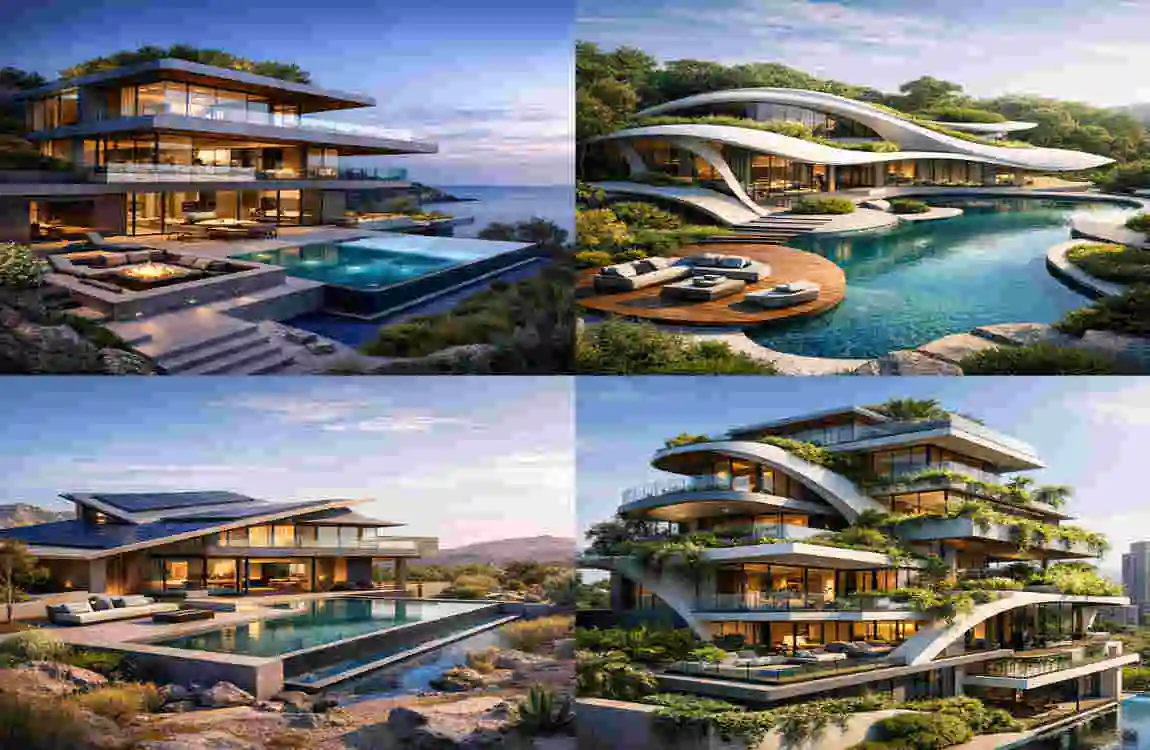
Sustainable Luxury Homes
The future of big homes will likely focus more on efficiency. Buyers still want luxury, but they also want lower energy bills, smarter systems, and better materials. That means the next generation of giant white houses may use more energy-efficient windows, improved insulation, solar options, and smarter climate control.
Sustainability does not have to remove style. In fact, it may shape a new version of luxury that feels more responsible and more modern.
This shift could change the way developers think about contemporary home design. Instead of building bigger to impress, they may build smarter spaces that do more with less.
Evolving Color Preferences
White will probably remain popular, but the tone may change. Many designers now prefer warmer whites, soft creams, and natural shades that feel less stark. These colors keep the clean look while adding warmth and softness.
Some homeowners are also moving toward earthier palettes. They want homes that blend more naturally with stone, wood, and landscaping. That may reduce the all-white look in some markets.
Still, white is unlikely to disappear. It has too much momentum in white-house exterior trends and too much appeal in real estate.
Smaller Yet Smarter Homes
Another possible future trend is a move toward smaller but smarter houses. Some buyers are starting to value efficiency over sheer size. They want good layouts, flexible rooms, and well-designed storage instead of extra square footage.
This does not mean giant homes are going away. But it does suggest that the market may split. Some buyers will continue to chase luxury suburban homes on a grand scale. Others will prefer homes that feel more practical and less overwhelming.
The real shift may be toward purpose. A home will need to justify its size by how well it supports daily life.
Lessons Homeowners Can Learn from the Trend
Choose Timeless Design Elements
If you are building or renovating, focus on features that will still look good years from now. White exteriors, simple lines, and quality materials can age better than overly trendy details.
Balance Size with Practicality
Bigger is not always better. Think about how your family actually uses the space. A well-planned home that fits your lifestyle will usually feel better than a larger one that is awkward or underused.
Prioritize Long-Term Value
A beautiful house is great, but a smart house is better. Consider maintenance, energy use, resale potential, and how the design will hold up over time. The best homes combine style with usefulness.
These lessons matter because the giant white-house trend is more than a color choice. It is a reminder that design should support real life, not just online appeal.
Frequently Asked Questions
Why are so many new houses painted white?
White is popular because it looks clean, modern, and timeless. It also photographs well and makes homes appear larger and brighter.
What is considered a giant white house?
A giant white house is typically a large home with a white exterior, an open interior layout, and a modern or farmhouse-inspired design. These homes often have black windows, tall ceilings, and strong curb appeal.
Did social media help make white houses popular?
Yes. Platforms like Instagram and Pinterest made white homes highly visible and highly desirable. They became a common image in dream-home content.
Are giant white houses losing popularity?
In some markets, buyers are increasingly preferring warmer tones and more natural materials. But white homes are still very popular and remain a strong design choice.
Why do real estate developers favor white exteriors?
Developers like white because it appeals to many buyers, looks great in marketing photos, and gives homes a polished, upscale appearance.
What architectural style inspired the giant white house trend?
The trend draws from several styles, especially modern farmhouse homes, minimalism, Scandinavian design, and some traditional American house forms.
Are giant white houses more expensive to maintain?
They can be, depending on the materials used. White exteriors may show dirt more easily, and larger homes often cost more to heat, cool, and repair.
Will giant white houses remain popular in the future?
They will likely stay popular in some form, but the style may evolve. Future versions may use warmer whites, better materials, and more sustainable design choices.
| Factor | Explanation |
|---|---|
| Modern Farmhouse Trend | The modern farmhouse style made large white homes fashionable with their clean, timeless appearance. |
| Social Media Influence | White houses photograph well, making them popular on Instagram, Pinterest, and home-design blogs. |
| Luxury Appeal | Large white homes are often associated with wealth, elegance, and high-end living. |
| Real Estate Marketing | White exteriors help homes appear larger, brighter, and more attractive to potential buyers. |
| Minimalist Design Movement | Contemporary architecture favors simple colors and uncluttered aesthetics, with white being the dominant choice. |
| HGTV and Home Renovation Shows | Television programs popularized white exteriors, open layouts, and modern luxury features. |
| Suburban Growth | Expanding suburbs provided space for larger homes, increasing demand for oversized residential properties. |
